.webp&w=384&q=75)

Loading, please wait...
Loading, please wait...

India introduced a major oncology breakthrough with the launch of subcutaneous lung cancer immunotherapy. Roche Pharma India recently received CDSCO approval for Tecentriq (atezolizumab) in this new format. Consequently, this innovation promises to transform treatment for metastatic non-small cell lung cancer (NSCLC) patients across the country.
Clinicians administer the new subcutaneous therapy in approximately seven minutes. In contrast, traditional intravenous infusions usually require several hours of hospital time. Therefore, medical teams can significantly optimize their resources. Specifically, hospital chairs can now accommodate up to five patients in the time previously needed for one. However, experts expect the market price to be slightly higher than the existing IV formulation.
Clinical data from global studies confirms that the formulation maintains comparable safety and efficacy to IV delivery. Moreover, healthcare professionals report that the new method simplifies the administration process. Importantly, four out of five patients preferred the subcutaneous route. Patients cited shorter clinic visits and reduced emotional stress as primary reasons for their choice. Additionally, this shift supports the growth of decentralized cancer care in daycare centers.
Q1: How does the new delivery method affect treatment time?
It reduces the administration time from several hours for IV infusion to approximately seven minutes for a subcutaneous injection.
Q2: Has the CDSCO approved this treatment for use in India?
Yes, the CDSCO approved the subcutaneous formulation for eligible adults with adjuvant and metastatic non-small cell lung cancer.
Q3: Is the efficacy of the subcutaneous version different from the IV version?
No, clinical trials such as IMscin001 have demonstrated comparable safety and efficacy profiles between the two formulations.
Disclaimer: This content is for informational and educational purposes only. It does not constitute medical advice or replace professional judgment. Refer to the latest local and national guidelines for clinical practice.
References

Read summarized clinical updates, watch expert medical content, and earn CME certifications right from your smartphone.
Open your smartphone camera to scan and install.





India launches Roche's Tecentriq SC, a 7-minute subcutaneous lung cancer immunotherapy that reduces administration time by 80% and enhances patient comfort....
3 months ago

A new study reveals that lipid-related metabolic dysregulation, marked by elevated TG/HDL-C ratio and glymphatic changes, independently impacts survival in idiopathic normal pressure hydrocephalus.
Today

Explore real-world data showing how private oncogenetics and molecular tumor boards achieve 3-week consult turnaround, high ctDNA actionability, and vital germline variant detection, enhancing individualized cancer care and familial risk assessment.
Today
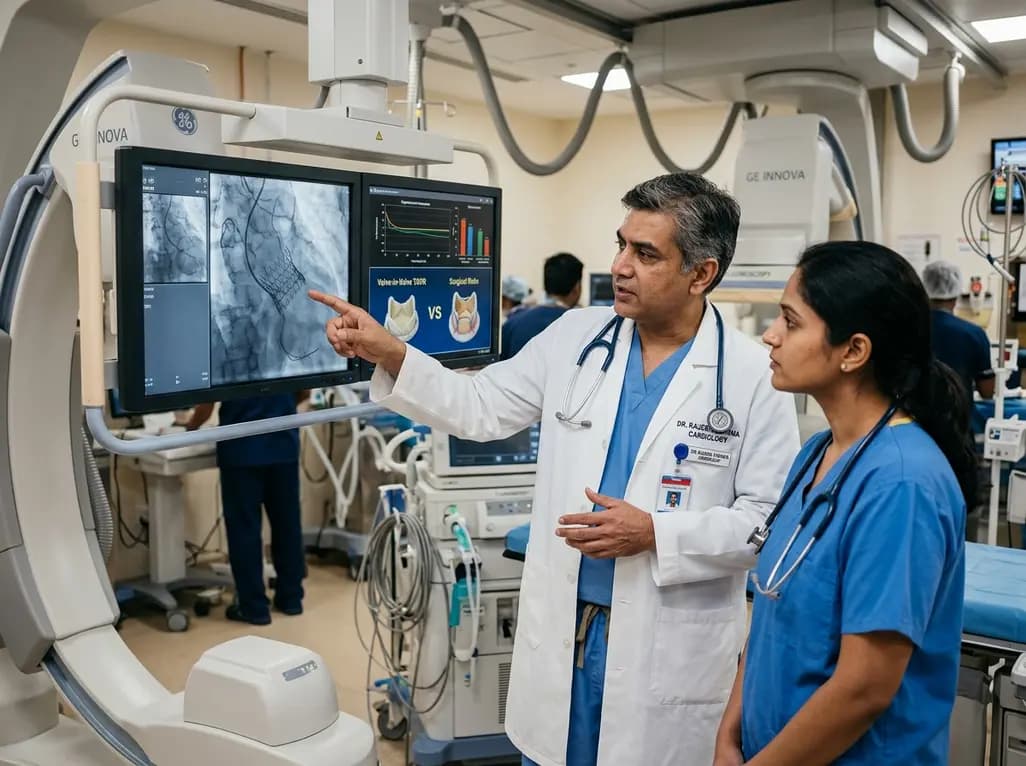
A meta-analysis of 13 propensity score-matched studies shows ViV-TAVR delivers lower early mortality and reduced bleeding compared to redo-SAVR for degenerated bioprosthetic aortic valves, though long-term hemodynamics warrant careful anatomical and patient-centered evaluation.
Today
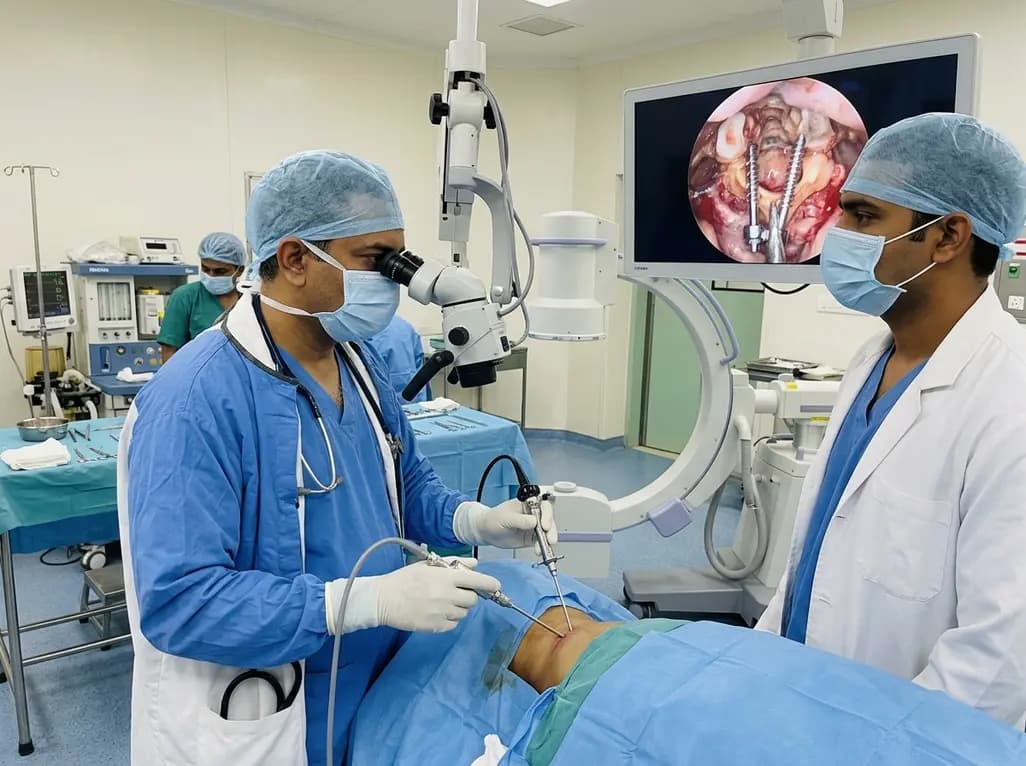
Endoscopic posterior cervical fusion combines minimally invasive decompression, joint preparation, and rigid screw-rod fixation for atlantoaxial pathologies. Early clinical findings demonstrate solid bony union, excellent symptom relief, and minimal soft-tissue morbidity without significant vascular compromise.
Yesterday
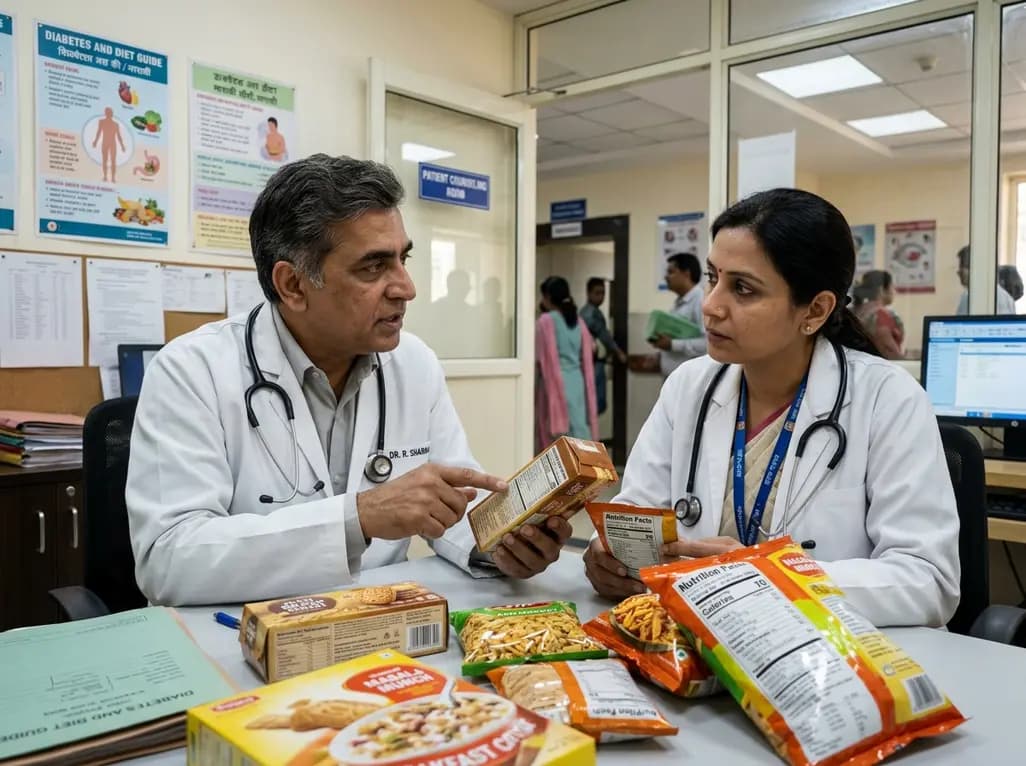
The All-India Food Processors' Association has approached the Supreme Court to oppose FSSAI's proposed per-100g benchmark for front-of-pack warning labels, advocating instead for a per-serving threshold. We explore the regulatory showdown, nutritional evidence, and implications for clinical lifestyle counseling.
Today
