

Loading, please wait...
Loading, please wait...
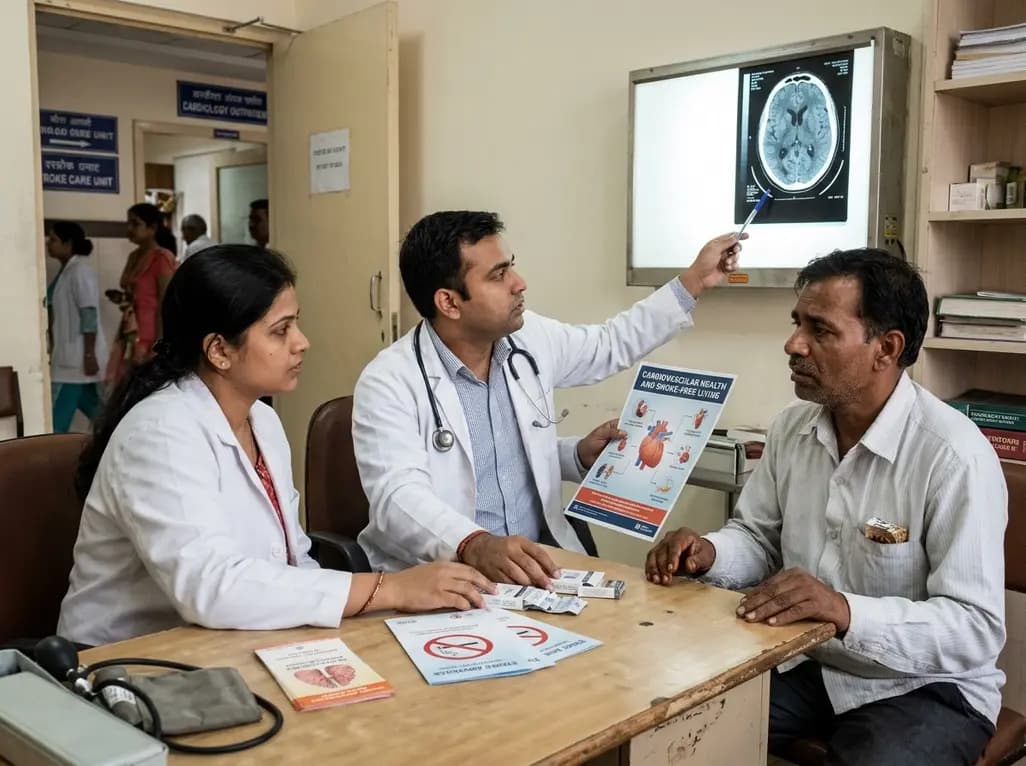
The escalating stroke burden in India represents one of the most pressing public health challenges of the modern era. While cerebrovascular accidents historically affected older individuals, acute strokes increasingly disable young and middle-aged adults in their peak productive years. Furthermore, clinical evidence indicates that preventable vascular risk factors drive this distressing surge across diverse socioeconomic strata. Consequently, healthcare professionals must re-evaluate conventional outpatient screening approaches and implement aggressive preventive strategies.
Recent epidemiological research provides crucial perspective on the modifiable drivers of cerebrovascular mortality. A 2024 analysis of Global Burden of Disease data revealed that tobacco use causes 12 percent of stroke deaths across India. Meanwhile, elevated systolic blood pressure contributes to an astounding 56 percent of the national stroke mortality toll. These findings demonstrate that multiple vascular threats interact destructively within the human circulatory system. High blood pressure exerts relentless shear stress against cerebral vessel walls, causing progressive microvascular remodeling. Simultaneously, toxic chemical compounds in tobacco smoke promote chronic vascular inflammation and endothelial dysfunction. Therefore, treating high blood pressure without managing tobacco use offers only incomplete protection against future catastrophic events. Other metabolic comorbidities like diabetes and dyslipidemia amplify these destructive vascular pathways even further. However, patient awareness regarding the lethal synergy between hypertension and tobacco dependence remains shockingly inadequate. Many patients view elevated blood pressure as an incidental symptom rather than an urgent intracranial hazard. Similarly, habitual smokers rarely comprehend how rapidly nicotine exposure compromises cerebral blood supply. Accordingly, primary care physicians must aggressively identify both risk factors during every routine health assessment.
Understanding the exact biological impact of nicotine illuminates why quitting remains indispensable for long-term brain health. Inhaled tobacco smoke introduces thousands of noxious oxidants into systemic arterial circulation. Consequently, these volatile compounds degrade endothelial nitric oxide bioavailability, impairing normal vasodilation throughout the cerebral vasculature. Furthermore, nicotine activates the sympathetic nervous system, inducing immediate peripheral vasoconstriction, elevated pulse rates, and acute blood pressure spikes. Over extended periods, chronic smoking accelerates the destabilization of atherosclerotic plaques within the carotid and middle cerebral arteries. In addition, chemical components in tobacco promote platelet hyperaggregability and increase circulating plasma fibrinogen concentrations. This prothrombotic state significantly magnifies the immediate hazard of acute thromboembolic arterial occlusion. Simultaneously, carbon monoxide binds avidly to hemoglobin, displacing vital oxygen and triggering severe cerebral tissue hypoxia. When intracranial perfusion declines abruptly, ischemic neurons experience irreversible energetic collapse within a few minutes. For individuals consuming smokeless tobacco, direct mucosal absorption sustains high circulating nicotine concentrations for hours. Therefore, all forms of tobacco relentlessly deplete neurovascular reserves and elevate stroke susceptibility. Clinicians must explain these physiological mechanisms clearly to motivate patients toward permanent cessation.
India presents a highly complex tobacco landscape that encompasses far more than conventional manufactured cigarettes. In fact, smokeless products like khaini, gutkha, and zarda account for the majority of overall consumption across diverse states. Furthermore, inexpensive combustible products like bidis remain remarkably widespread among working-class communities and rural households. Each distinct delivery modality carries severe toxicological threats that accelerate neurovascular disease progression. For instance, smokeless tobacco delivers enormous doses of nicotine alongside heavy metals, initiating persistent oral mucosal and endothelial inflammation. Meanwhile, bidi smoke delivers exceptionally concentrated levels of carbon monoxide, hydrogen cyanide, and toxic particulate matter. Consequently, the World Health Organization estimates that tobacco use causes nearly 1.35 million premature Indian fatalities each year. Clinicians cannot utilize a one-size-fits-all cessation model when treating patients with distinct habitual patterns. Instead, healthcare providers must explore individual usage habits and explore culturally appropriate cessation alternatives. Moreover, medical authorities must maintain extreme caution regarding novel electronic and heated tobacco devices. While some foreign studies note behavioral shifts, conclusive data confirming long-term cardiovascular safety remains entirely lacking. Therefore, Indian doctors must advocate complete tobacco and nicotine cessation rather than switching products.
Urging patients to quit tobacco through sheer willpower consistently yields disappointing long-term clinical outcomes. Nicotine acts as a powerful neuroactive chemical, modifying brain reward circuits and generating intense physical dependence. Therefore, healthcare providers must approach tobacco cessation as a structured clinical intervention for a chronic medical condition. Medical teams should systematically embed tobacco screening and cessation counseling into standard inpatient and outpatient workflows. First, clinicians must document tobacco use status and assess physical dependence using validated clinical scoring tools. Next, practitioners should apply empathetic motivational interviewing techniques to strengthen the patient's internal resolve to quit. In addition, pharmacotherapy plays an indispensable role in mitigating acute withdrawal distress and reducing cravings. Clinically established aids like nicotine replacement therapy in transdermal patches or chewing gums double long-term success rates. Furthermore, oral prescription agents such as varenicline or bupropion provide effective support for heavily dependent tobacco users. Routine clinical follow-up during the vulnerable first six weeks significantly decreases the hazard of tobacco relapse. Combining structured behavioral guidance with evidence-based medications achieves the highest cessation rates. Accordingly, hospital systems must establish affordable cessation clinics to expand nationwide patient access.
Time remains the most decisive variable influencing survival and functional independence after an acute stroke event. Millions of ischemic neurons perish every minute when blood flow to cerebral parenchyma ceases. Unfortunately, general awareness regarding acute cerebrovascular warning indicators remains dangerously inadequate throughout Indian communities. Patients frequently misinterpret sudden unilateral limb weakness, facial asymmetry, or speech difficulties as benign exhaustion. Similarly, transient vision changes, sudden loss of balance, or numbness are often dismissed as digestive upset. Consequently, critical treatment delays prevent patients from reaching equipped medical facilities during the golden therapeutic window. Effective interventions like intravenous thrombolysis and mechanical endovascular thrombectomy demand rapid hospital presentation. Specifically, clinicians must initiate systemic thrombolysis within four and a half hours of initial symptom emergence. Therefore, mass educational campaigns should actively promote the BE-FAST diagnostic mnemonic across regional languages. Furthermore, emergency dispatch networks must coordinate closely with dedicated stroke centers to streamline immediate neuroimaging. When healthcare institutions pair primary vascular prevention with streamlined emergency workflows, avoidable mortality will decline noticeably across India.
Q1: Why is tobacco use considered a major cause of ischemic stroke?
Tobacco use damages vascular endothelial linings and accelerates the formation of vulnerable atherosclerotic plaques within cerebral arteries. In addition, toxic chemicals in tobacco elevate circulating fibrinogen and stimulate excessive platelet aggregation, producing a prothrombotic state. Furthermore, nicotine triggers acute arterial vasoconstriction, raising systemic blood pressure and compromising cerebral blood flow. Consequently, these combined physiological disruptions drastically increase the probability of sudden thromboembolic intracranial arterial occlusion.
Q2: How does managing hypertension work synergistically with smoking cessation?
High systolic blood pressure causes sustained mechanical damage to delicate cerebral arterioles, creating ideal conditions for vessel rupture or occlusion. When coupled with tobacco use, vascular inflammation and arterial stiffening accelerate dramatically. Consequently, lowering blood pressure through standard antihypertensive regimens significantly attenuates vessel wall stress. Furthermore, eliminating tobacco consumption removes toxic oxidative chemicals that impair vascular reactivity. Additionally, addressing both primary risk factors simultaneously offers the most robust clinical defense against debilitating cerebrovascular events.
Q3: What clinical therapies provide the most reliable support for tobacco cessation?
Evidence-based tobacco cessation relies on combining structured behavioral counseling with approved pharmacological aids. Nicotine replacement therapy, including transdermal patches and medicinal gums, provides controlled nicotine dosing to ease physical withdrawal distress. Additionally, non-nicotine prescription medications like varenicline or bupropion effectively reduce tobacco cravings in heavily dependent users. Furthermore, scheduled follow-up visits allow clinicians to monitor patient progress, provide emotional reinforcement, and actively prevent eventual relapse.
Disclaimer: This content is for informational and educational purposes only. It does not constitute medical advice or replace professional judgment. Refer to the latest local and national guidelines for clinical practice.
References

Read summarized clinical updates, watch expert medical content, and earn CME certifications right from your smartphone.
Open your smartphone camera to scan and install.





India faces an escalating challenge with vascular diseases, where tobacco use and hypertension together drive substantial cerebrovascular mortality. Addressing nicotine addiction as a clinical neurochemical disorder rather than a lack of willpower is vital for nationwide prevention and sustainable cessation support.
Today
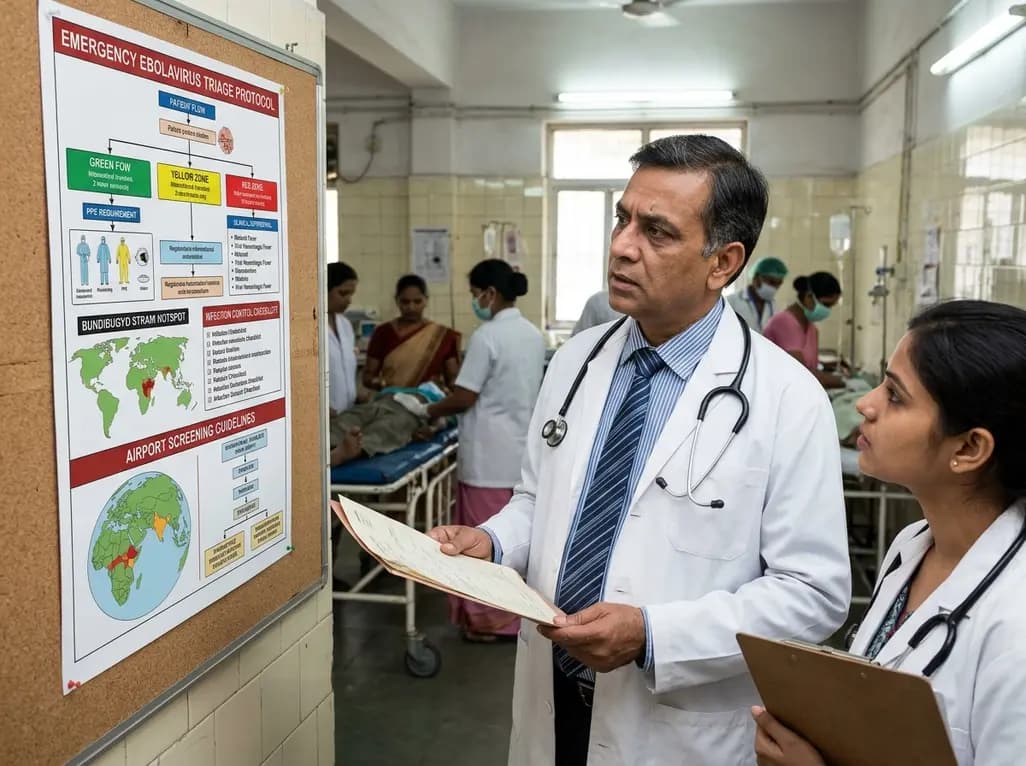
With over 10,000 cases reported across Africa, health agencies warn of global transmission risks from the Bundibugyo ebolavirus strain. Indian physicians must master emergency triage protocols, clinical differential diagnoses, infection prevention measures, and airport screening guidelines to ensure readiness.
Today
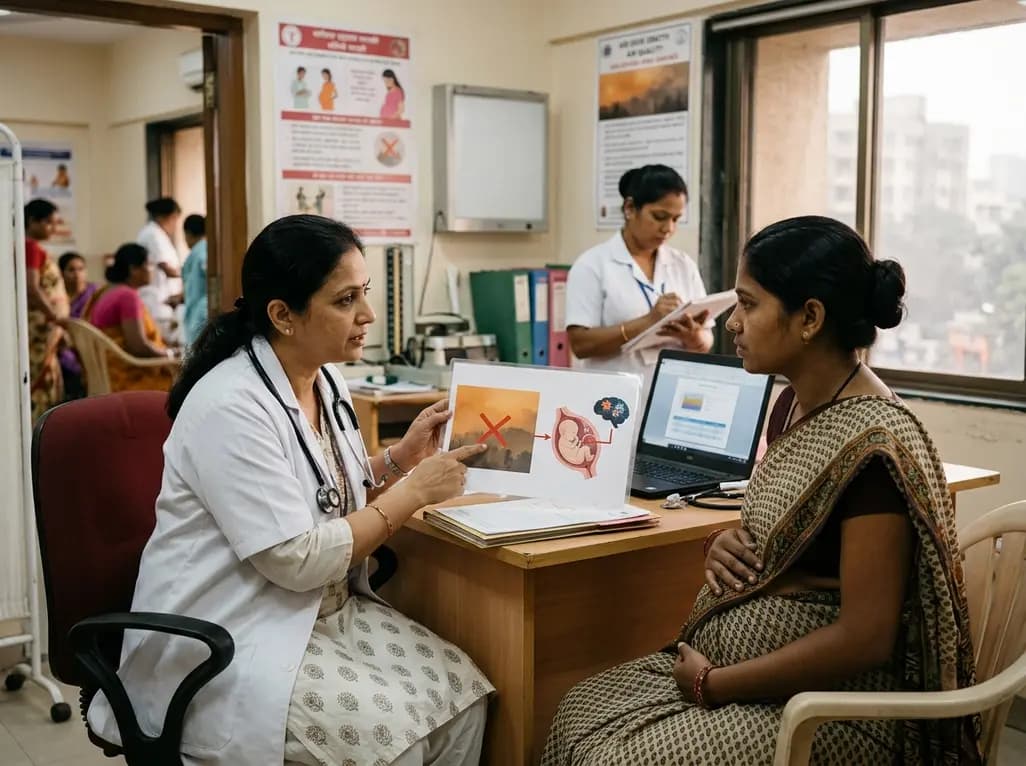
A nationwide cohort study published in JAMA Pediatrics reveals that maternal exposure to wildfire fine particulate matter, especially in late pregnancy, is linked to an elevated risk of childhood autism. Clinicians should evaluate ambient air quality risks and provide proactive protective counseling to mothers.
Today
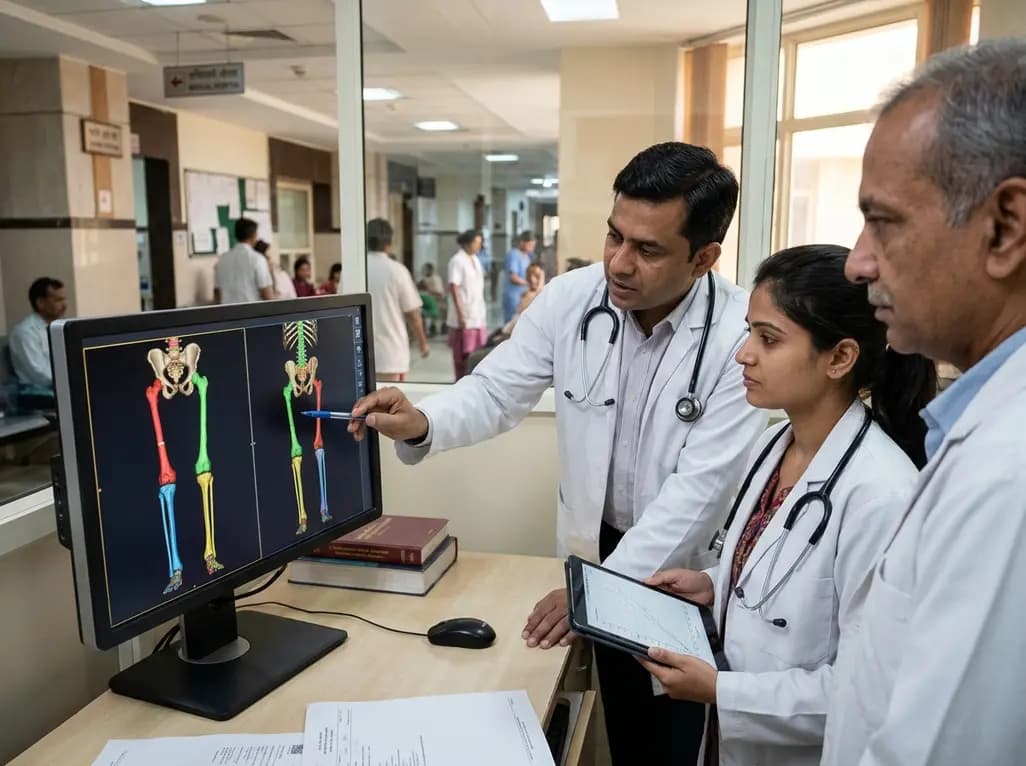
Modern 3D anthropometry reveals that pediatric leg growth ceases years before spinal elongation, exposing the clinical illusion of the classical Anderson-Green model. Learn how segmental growth dissociation improves surgical timing for epiphysiodesis in adolescent leg length discrepancy.
2 days back

With packaged goods giant HUL backing FSSAI's proposed front-of-pack red warning labels for foods high in fat, sugar, and salt, India takes a major step toward curbing non-communicable diseases. Learn how clearer nutrition disclosures empower clinicians, inform consumer choices, and drive dietary reform.
Today
