

Loading, please wait...
Loading, please wait...

Mental health has emerged as a critical priority on modern university campuses, where emotional well-being directly influences educational outcomes. Recent research has focused specifically on student loneliness and belonging to understand the social factors that shape the collegiate experience. Loneliness frequently results in poor academic performance and diminished mental resilience. Conversely, a robust sense of belonging serves as a foundation for student success. This investigation compared the experiences of Greek-affiliated students with their unaffiliated peers to determine if community membership offers tangible psychological benefits.
Researchers analyzed data from the Spring 2023 National College Health Assessment to evaluate current social trends. The results indicated a significant disparity between different student groups. Overall, more than 50% of the surveyed population screened positive for loneliness. However, students who were part of a fraternity or sorority reported significantly higher levels of belonging. Furthermore, these affiliated individuals demonstrated lower levels of loneliness across several demographic groups, including various races and sexual orientations.
Greek organizations often provide a structured environment that fosters connection through shared identity and mutual support. These factors are essential for navigating the transitions of early adulthood. Additionally, the study found that 88.3% of the broader student body reported some sense of belonging, yet the depth of this connection varied. Because Greek life offers a built-in community, it likely serves as a protective factor against social isolation. Consequently, university health providers should recognize the importance of social integration in comprehensive mental health strategies.
Greek-affiliated students generally report lower levels of loneliness and a higher sense of belonging compared to unaffiliated students. This is largely due to the built-in social support, shared identity, and consistent community interaction provided by fraternities and sororities.
The assessment found that 50.8% of college students screened positive for loneliness. While a high percentage (88.3%) felt they belonged to their campus community, the intensity of that belonging was significantly stronger among those with Greek affiliations.
Yes. Strong social ties and a sense of community can buffer students against stress and isolation. Organizations that foster social integration help enhance resilience and improve overall well-being throughout the college years.
Disclaimer: This content is for informational and educational purposes only. It is not intended as medical advice or a substitute for professional healthcare. Always seek the advice of a qualified health provider regarding medical conditions. Refer to the latest local and national guidelines for clinical practice.
References
Reeves-Doyle B et al. Loneliness and belonging between fraternity or sorority affiliated and unaffiliated college students in the United States. J Am Coll Health. 2026 Apr 28. doi: 10.1080/07448481.2026.2654690. PMID: 42050360.
The Jed Foundation. Fraternities and Mental Health: Supporting Emotional Well-Being Among Members and Across Campus. 2024. Available from: https://jedfoundation.org.
American College Health Association. National College Health Assessment III: Spring 2023 Reference Group Executive Summary. 2023.

Read summarized clinical updates, watch expert medical content, and earn CME certifications right from your smartphone.
Open your smartphone camera to scan and install.





A study explores how fraternity and sorority affiliation significantly reduces loneliness and improves the sense of belonging among US college students....
5 months ago
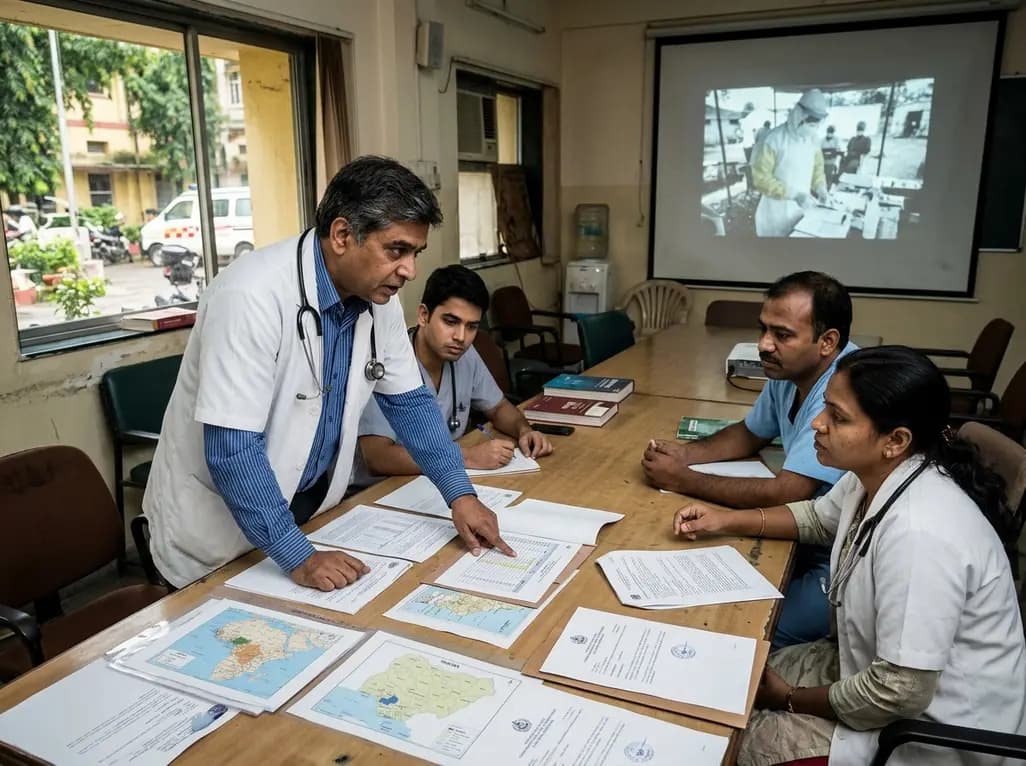
Following Nigeria's first recorded Ebola case linked to regional travel, the Africa CDC has convened an emergency ministerial summit. This alert underscores critical clinical priorities for healthcare professionals, including differentiating early viral infection from malaria, implementing barrier nursing, and triage.
Today

Leucine Rich Bio has introduced South Asia's first comprehensive vaginal microbiome test, BugSpeaks. By profiling microbial dysbiosis, pathogens, and antimicrobial resistance, this next-generation diagnostic platform provides clinicians with deeper insights into recurrent infections, fertility, and reproductive health.
Today
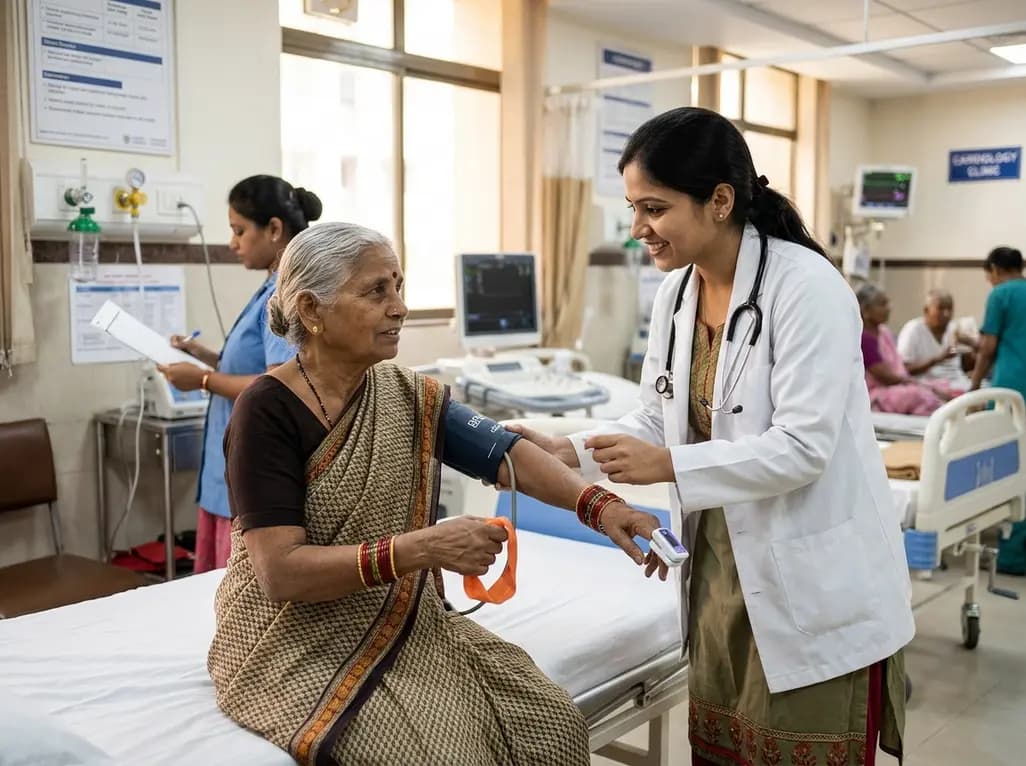
Review how tailored exercise programs benefit frail older patients with heart failure. Explore pathophysiological mechanisms, individualized training prescriptions, and strategies to overcome adherence barriers in clinical practice.
Today

This comparative study evaluates posterior labral tears with and without glenohumeral instability, highlighting distinct demographic patterns, MRI underestimation in stable shoulders, and successful arthroscopic repair outcomes.
Today
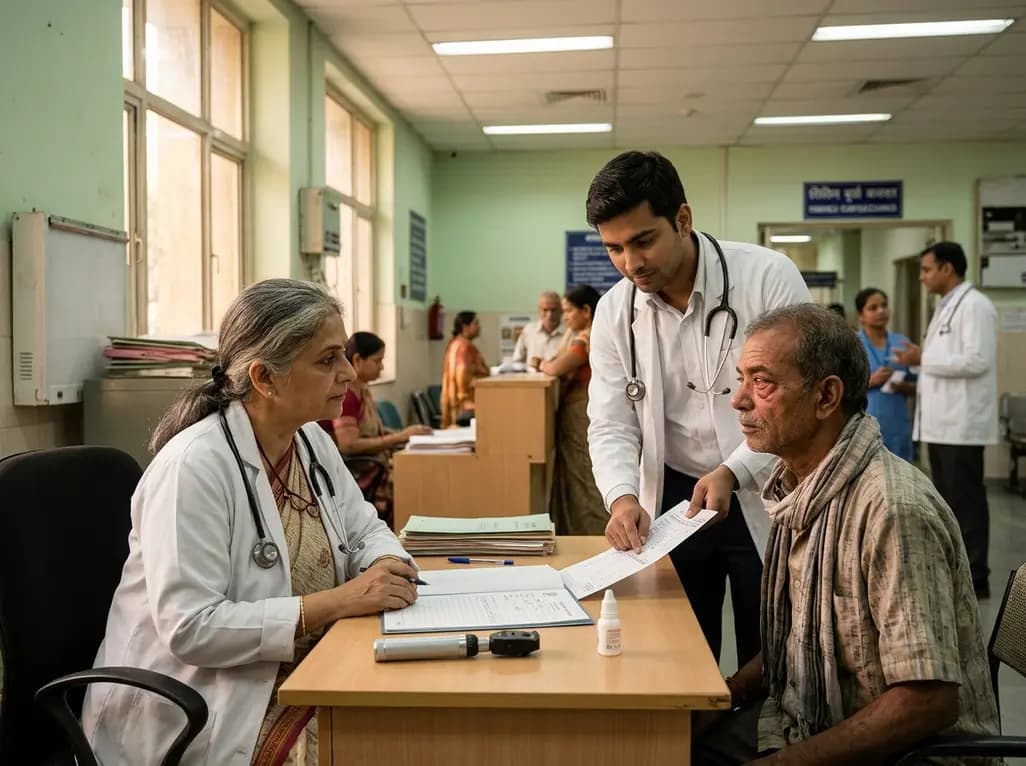
A clinical study demonstrates that early intervention with tocilizumab, either as monotherapy or bridged with corticosteroids, achieves significant proptosis reduction and resolves active inflammation in treatment-naive thyroid eye disease.
Today
