.webp&w=384&q=75)

Loading, please wait...
Loading, please wait...

Toxoplasmic retinochoroiditis imaging has revolutionized how clinicians monitor this leading cause of posterior uveitis. A recent study utilizing swept-source optical coherence tomography (SS-OCT) has identified specific structural biomarkers that assist in distinguishing disease phases. These imaging markers are essential for making informed therapeutic decisions and tracking patient recovery in clinical settings. Furthermore, they provide objective data that supplements traditional fundus examinations.
The study categorized eyes into active, reactive, or inactive phases based on clinical and serological criteria. Researchers observed that central foveal thickness (CFT) and subfoveal choroidal thickness (SFCT) increased significantly during the active and reactive stages. Specifically, active lesions displayed distinct retinal layer disruptions and vitreous changes. Consequently, these metrics serve as reliable indicators of inflammatory activity. Moreover, SS-OCT allows for deeper penetration into the choroid compared to previous technologies. This capability ensures that sub-lesional changes are accurately quantified even during intense inflammation.
Visual acuity improvements often follow successful treatment in most patients. However, the integrity of specific retinal layers remains the best predictor of final vision. Notably, the disruption of the ellipsoid zone (EZ) and external limiting membrane (ELM) correlates strongly with worse visual outcomes. Therefore,
Subfoveal choroidal thickness (SFCT) increases significantly during the active and reactive phases of the disease. This measurement serves as a sensitive biomarker for underlying choroidal inflammation that might not be visible during a standard clinical exam.
The integrity of the ellipsoid zone (EZ) and the external limiting membrane (ELM) are the primary predictors. If these layers remain disrupted after the active phase, the patient is less likely to regain full visual acuity.
Disclaimer: This content is for informational and educational purposes only and does not constitute medical advice, diagnosis, or treatment. Always seek the advice of a qualified healthcare provider with any questions regarding a medical condition. Refer to the latest local and national guidelines for clinical practice.
References
1. Sree Keerti R et al. Structural Retinal and Choroidal Changes in Toxoplasmic Retinochoroiditis Assessed by Swept-Source Optical Coherence Tomography. Ocul Immunol Inflamm. 2026 May 07. doi: 10.1080/09273948.2026.2654782. PMID: 42096258.
2. de Oliveira Dias JR et al. SS-OCT, SS-OCTA provide useful findings in active ocular toxoplasmosis. Modern Retina. 2020.
3. American Academy of Ophthalmology. Management of Ocular Toxoplasmosis. 2008.

Read summarized clinical updates, watch expert medical content, and earn CME certifications right from your smartphone.
Open your smartphone camera to scan and install.





A study on structural retinal and choroidal changes in TRC using SS-OCT, identifying biomarkers for disease activity and visual outcomes....
5 months ago

Co-administering antiseizure medications and DOACs frequently causes pharmacokinetic interactions, subtherapeutic drug levels, and thromboembolic failures. This review highlights enzyme induction risks, unpredictable outcomes with levetiracetam, and the vital role of therapeutic drug monitoring.
Today

Demanding exhaustive hormonal profiling can inadvertently discourage clinical studies involving females. Methodological standards must align with the specific scientific question to expand, not restrict, equitable evidence for women.
Today
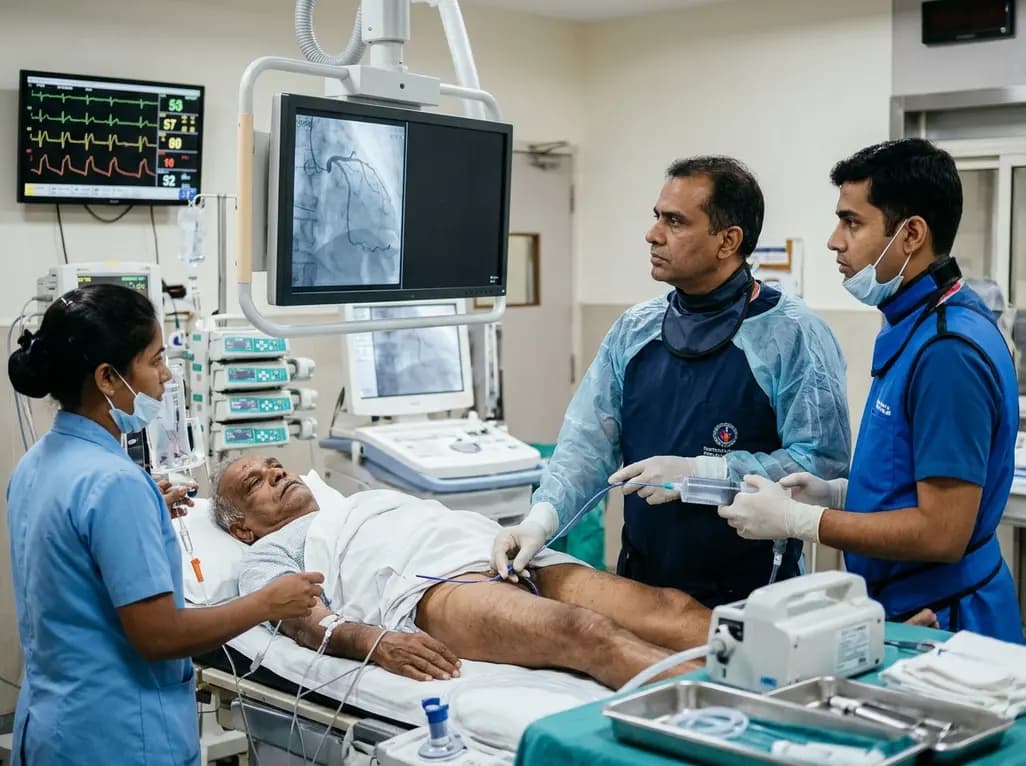
An elderly man with partially repaired Tetralogy of Fallot presented with STEMI caused by coronary embolism rather than atherosclerosis. Successful treatment with sustained mechanical aspiration thrombectomy underscores the vital need for high clinical vigilance in adult congenital heart disease.
Today
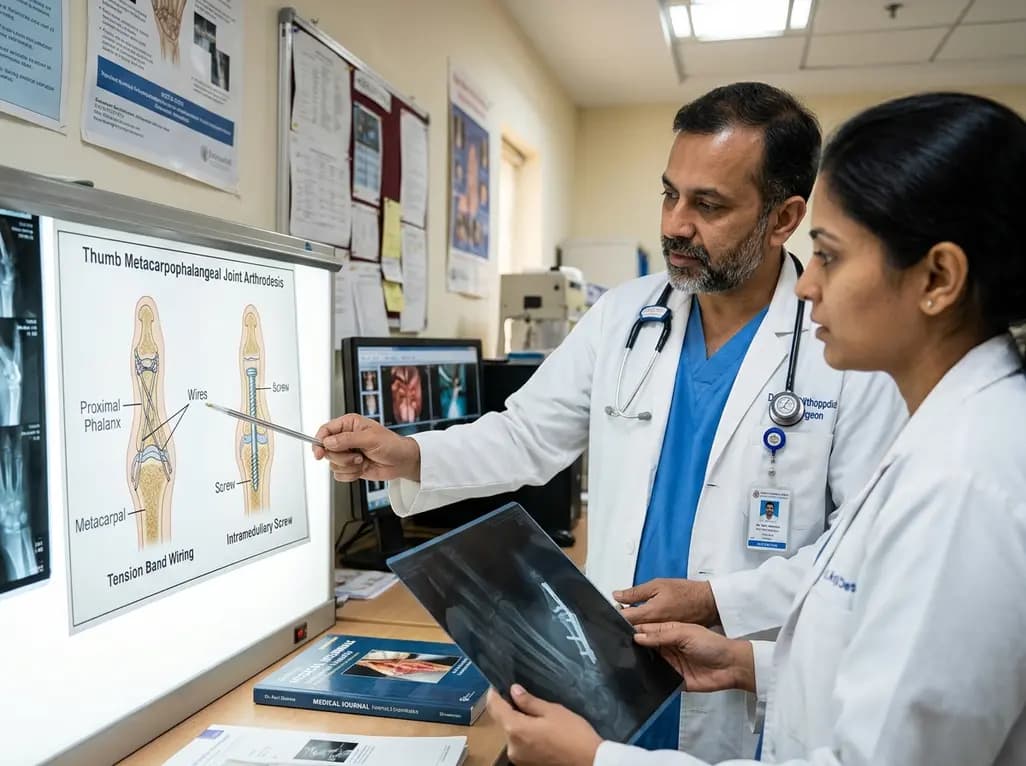
A comparative review of tension band wiring and intramedullary screw fixation in thumb metacarpophalangeal arthrodesis, evaluating union rates, hardware complications, and clinical outcomes.
Today

Following regulatory scrutiny from FSSAI regarding promotional representations and lean muscle preservation claims, Dr. Reddy's Laboratories and Nestlé Health Science are currently reviewing the branding and marketing strategy for their joint nutritional supplement Celevida GLP+.
Today
