.webp&w=384&q=75)

Loading, please wait...
Loading, please wait...

Researchers have recently identified structural moral distress as a significant challenge for healthcare leaders during global health emergencies. Nurse middle managers (NMMs) occupy a pivotal position between frontline clinical staff and senior administration. During the COVID-19 pandemic, these professionals faced immense pressure. They had to implement rapidly changing policies while providing constant emotional support to their teams. Consequently, many experienced a unique form of ethical conflict rooted in systemic constraints. This condition often arises when institutional policies prevent leaders from acting according to their professional values.
A qualitative study examined the lived experiences of sixteen nurse middle managers to understand these ethical burdens. Findings revealed that moral distress is a cumulative condition shaped by structural exclusion. For instance, many managers felt excluded from high-level decision-making processes. However, senior leadership still expected them to justify top-down directives to their subordinates. Furthermore, the dual nature of their role created significant ethical ramifications. Managers frequently acted as emotional anchors for their teams without receiving reciprocal support from the organization. As a result, this imbalance weakened their moral agency and personal well-being.
Notably, the study identified three primary themes regarding these ethical tensions. First, the relationship with senior leadership often caused frustration due to a lack of transparency. Second, the pandemic introduced unique dilemmas regarding resource allocation and staff safety. Finally, the conflict between professional values and institutional requirements led to sustained psychological strain. Therefore, addressing structural moral distress is vital for future crisis preparedness. Organizational reforms must focus on strengthening ethical agency and providing better support systems for middle management. By doing so, healthcare systems can enhance their overall resilience during future emergencies.
Moral distress primarily occurs when systemic or institutional constraints prevent a healthcare professional from taking what they believe is the ethically correct action.
Structural exclusion happens when managers are left out of policy decisions but are forced to implement them. This creates a disconnect between their professional values and organizational mandates.
Experts suggest implementing organizational reforms that include NMMs in decision-making and provide dedicated emotional and ethical support systems to prevent burnout.
Disclaimer: This content is for informational and educational purposes only. It does not constitute professional medical or management advice. Refer to the latest local and national guidelines for clinical practice.
References
Fleishman TT et al. Structural moral distress among nurse middle managers in crisis. Nurs Ethics. 2026 May 16. doi: 10.1177/09697330261449300. PMID: 42141893.
Rushton CH. Moral resilience: a capacity for navigating moral distress in critical care. AACN Adv Crit Care. 2016;27(1):111-119.
Morley G, et al. What is ‘moral distress’ in nursing? How, can and should we respond to it? J Clin Nurs. 2019;28(19-20):3343-3345.

Read summarized clinical updates, watch expert medical content, and earn CME certifications right from your smartphone.
Open your smartphone camera to scan and install.





A qualitative study highlights the structural moral distress of nurse middle managers during COVID-19, calling for systemic reforms in ethical leadership....
5 months ago
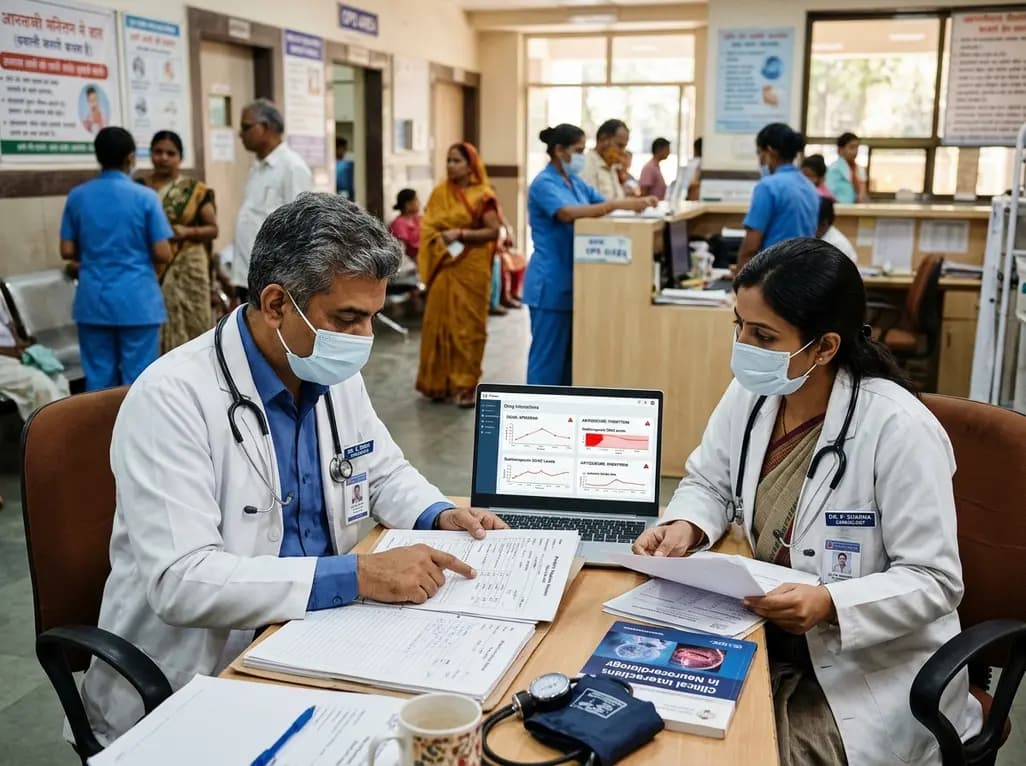
Co-administering antiseizure medications and DOACs frequently causes pharmacokinetic interactions, subtherapeutic drug levels, and thromboembolic failures. This review highlights enzyme induction risks, unpredictable outcomes with levetiracetam, and the vital role of therapeutic drug monitoring.
Today

Demanding exhaustive hormonal profiling can inadvertently discourage clinical studies involving females. Methodological standards must align with the specific scientific question to expand, not restrict, equitable evidence for women.
Today
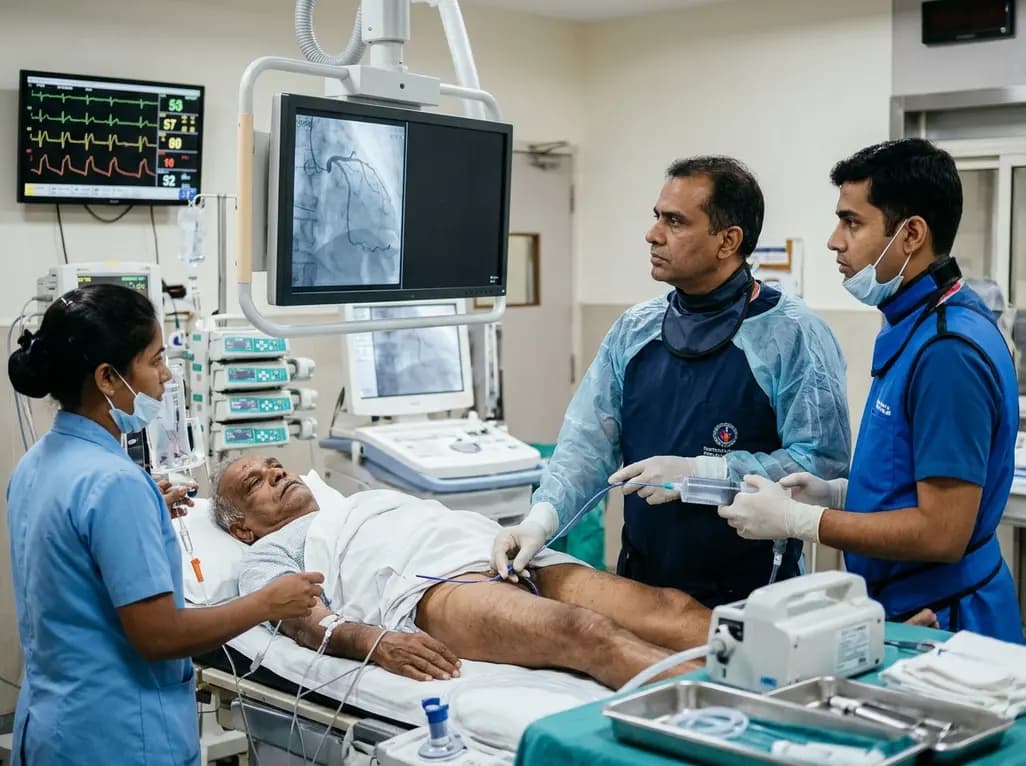
An elderly man with partially repaired Tetralogy of Fallot presented with STEMI caused by coronary embolism rather than atherosclerosis. Successful treatment with sustained mechanical aspiration thrombectomy underscores the vital need for high clinical vigilance in adult congenital heart disease.
Today
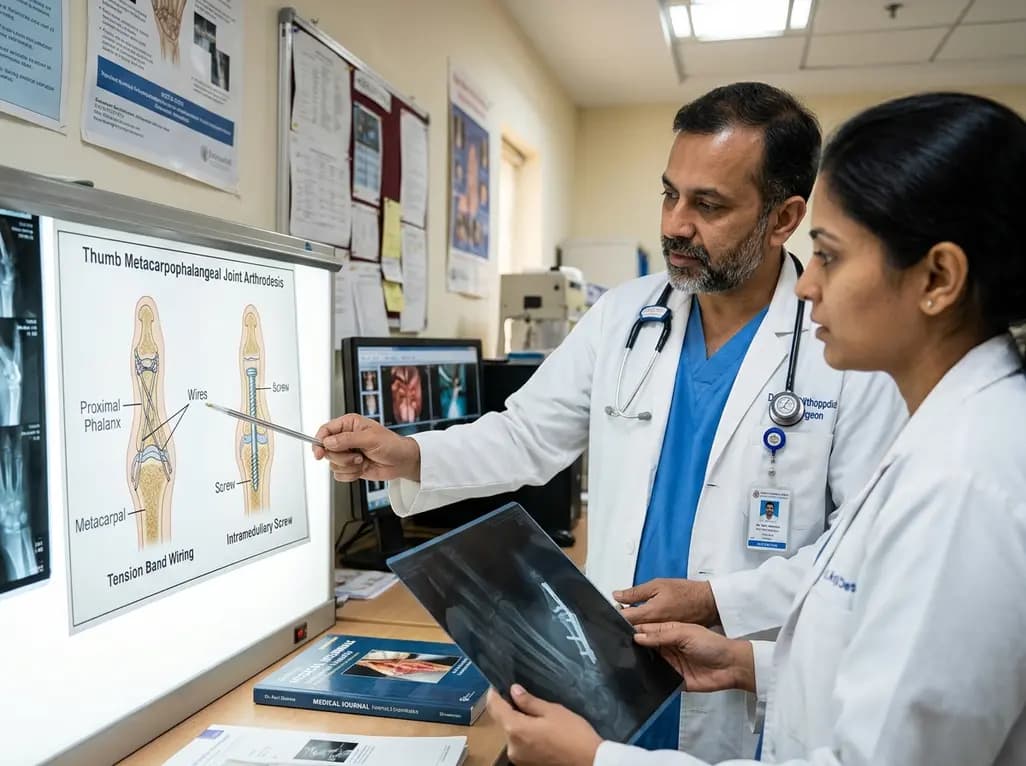
A comparative review of tension band wiring and intramedullary screw fixation in thumb metacarpophalangeal arthrodesis, evaluating union rates, hardware complications, and clinical outcomes.
Today

Following regulatory scrutiny from FSSAI regarding promotional representations and lean muscle preservation claims, Dr. Reddy's Laboratories and Nestlé Health Science are currently reviewing the branding and marketing strategy for their joint nutritional supplement Celevida GLP+.
Today
