.webp&w=384&q=75)

Loading, please wait...
Loading, please wait...

Understanding the link between stress and amino acid preferences is vital for advancing nutritional psychiatry. Recent research highlights how different durations of stress cause distinct metabolic shifts and neurochemical changes. These findings offer a deeper understanding of how the brain attempts to maintain homeostasis during emotional or physical pressure.
Moreover, chronic stress typically triggers hyperphagia, often leading to a two-to-three-fold increase in total food intake. In contrast, acute stress elicits a highly specific preference for tyrosine-enriched food. Specifically, this dietary shift suggests a biological drive to replenish catecholamines, which are rapidly depleted during sudden stressors. Notably, the consumption of other amino acids like tryptophan and histidine often decreases significantly during these acute phases.
Furthermore, the basolateral amygdala (BLA) serves as a critical hub for processing emotional responses and stress. Researchers have observed that both acute and chronic stress protocols lead to a marked elevation in 5-HT2A receptor gene expression within this region. Consequently, this receptor upregulation is closely associated with the pathophysiology of depression and anxiety-like behaviors.
Fortunately, pharmacological interventions like fluoxetine can mitigate these effects. This selective serotonin reuptake inhibitor (SSRI) effectively reverses the stress-induced increase in 5-HT2A expression. Additionally, it normalizes overall food intake and alters amino acid preferences. Therefore, these outcomes underscore the importance of monitoring dietary habits as potential biomarkers for stress-related mental health disorders.
Ultimately, these findings suggest that personalized nutritional strategies might enhance traditional therapeutic approaches. By addressing the specific amino acid requirements of the brain during stress, clinicians may improve patient resilience against depression.
Acute stress typically triggers a specific preference for tyrosine-enriched food. This behavior likely serves as a mechanism to replenish catecholamines used during the immediate stress response.
Stress and amino acid preferences are linked to the upregulation of 5-HT2A receptors in the basolateral amygdala. This genetic shift may contribute significantly to the development of depression and anxiety symptoms.
Disclaimer: This content is for informational and educational purposes only. It does not constitute medical advice or a doctor-patient relationship. Always seek the advice of a physician or other qualified health provider with any questions regarding a medical condition. Refer to the latest local and national guidelines for clinical practice.
References

Read summarized clinical updates, watch expert medical content, and earn CME certifications right from your smartphone.
Open your smartphone camera to scan and install.





Research highlights how stress alters amino acid preferences and 5-HT2A receptor expression, suggesting new nutritional and pharmacological therapy avenues....
4 months ago

Co-administering antiseizure medications and DOACs frequently causes pharmacokinetic interactions, subtherapeutic drug levels, and thromboembolic failures. This review highlights enzyme induction risks, unpredictable outcomes with levetiracetam, and the vital role of therapeutic drug monitoring.
Today

Demanding exhaustive hormonal profiling can inadvertently discourage clinical studies involving females. Methodological standards must align with the specific scientific question to expand, not restrict, equitable evidence for women.
Today
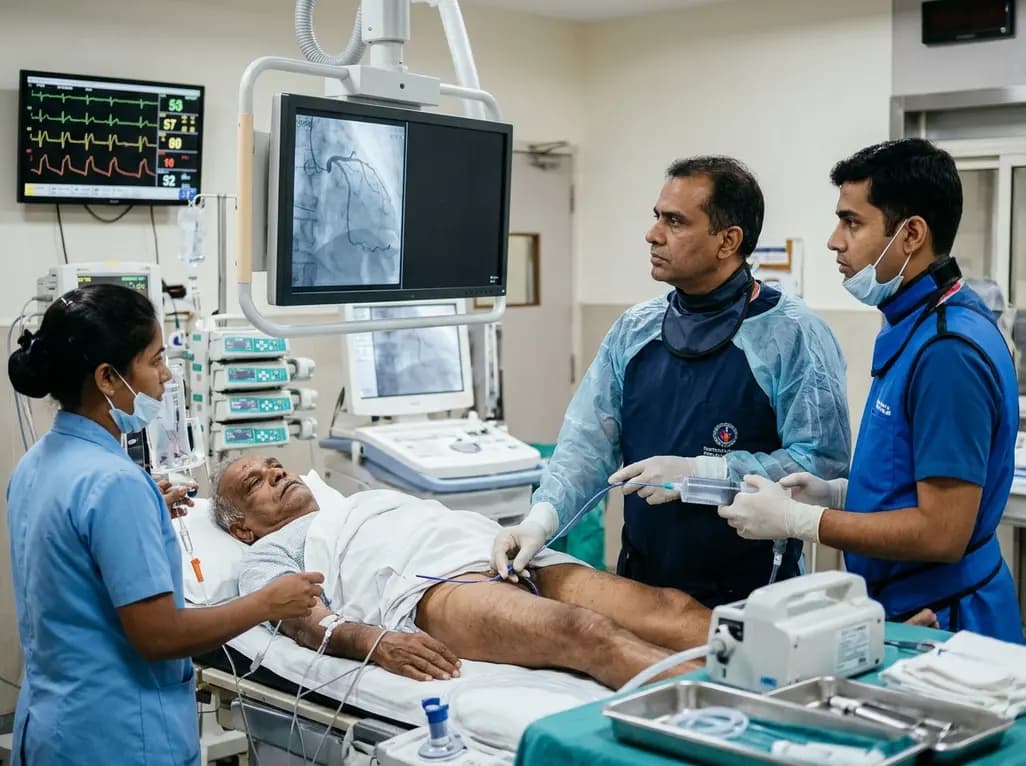
An elderly man with partially repaired Tetralogy of Fallot presented with STEMI caused by coronary embolism rather than atherosclerosis. Successful treatment with sustained mechanical aspiration thrombectomy underscores the vital need for high clinical vigilance in adult congenital heart disease.
Today

A comparative review of tension band wiring and intramedullary screw fixation in thumb metacarpophalangeal arthrodesis, evaluating union rates, hardware complications, and clinical outcomes.
Today

Following regulatory scrutiny from FSSAI regarding promotional representations and lean muscle preservation claims, Dr. Reddy's Laboratories and Nestlé Health Science are currently reviewing the branding and marketing strategy for their joint nutritional supplement Celevida GLP+.
Today
