.webp&w=384&q=75)

Loading, please wait...
Loading, please wait...
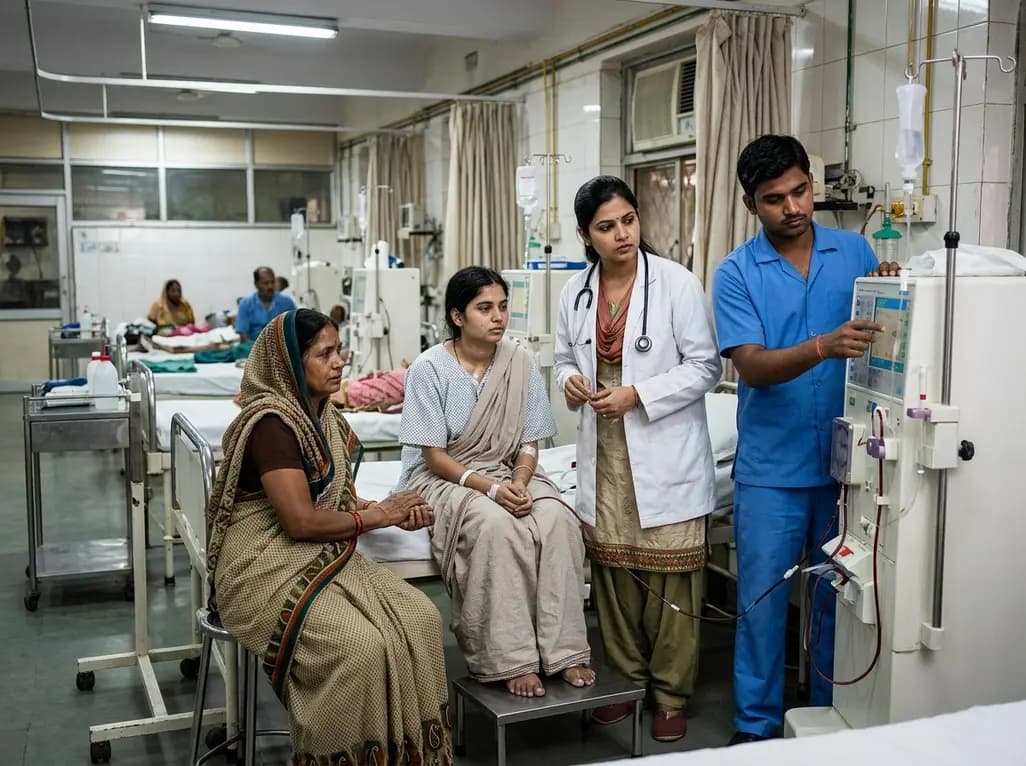
The administration of spurious oxytocin injections during childbirth represents an extraordinary failure in maternal healthcare. Oxytocin is a critical hormone utilized globally to induce labor. Most importantly, it prevents postpartum hemorrhage. When a patient receives an injection lacking active ingredients, the uterus fails to contract. Consequently, this failure leads to uncontrolled uterine bleeding. It remains the leading cause of maternal mortality worldwide. In the recent tragedy at Kota Medical College, several new mothers were exposed to falsified medications. These products contained absolutely no active compound. Therefore, patients were injected with ineffective substances. This quickly precipitated a series of catastrophic systemic events. Furthermore, the lack of therapeutic efficacy directly contributed to massive blood loss. Multiple patients subsequently developed multi-organ dysfunction. Medical professionals must remain extremely vigilant regarding their medication sources. Even a single compromised batch can lead to irreversible clinical disasters. Substandard drugs pose an immediate risk to patient safety in critical care units. Regulatory bodies must collaborate with healthcare systems to eliminate these hazardous gaps.
When uterine contractions are not properly maintained after delivery, the physiological consequences escalate rapidly. Specifically, the absence of active uterotonics causes rapid uterine atony. This results in profound obstetric hemorrhage. Consequently, the maternal cardiovascular system experiences a severe drop in perfusion. This leads to systemic hypotension and ischemic injury to vital organs. In the cases reported from Kota, patients quickly developed anuria. This indicated a complete cessation of urine output within hours of childbirth. This clinical presentation points directly to acute tubular necrosis. Furthermore, as the kidneys fail to filter waste, metabolic toxins build up in the bloodstream. Meanwhile, the aggressive fluid resuscitation required to manage shock leads to fluid overload. Therefore, many of these patients developed severe pulmonary edema. This fluid accumulation in the lungs necessitated immediate intensive care admission. This complex clinical scenario requires highly coordinated intervention to prevent mortality. Clinicians must establish early warning systems to detect hemodynamic instability. Rapid response protocols can mitigate the severity of ischemic organ damage.
The physiological cascade leading to acute kidney injury is both rapid and devastating. When spurious oxytocin injections fail to control bleeding, the profound ischemic insult triggers a severe inflammatory response. Consequently, the renal tubules suffer extensive damage. The glomerular filtration rate then plummets to near zero. For the surviving victims in Kota, this renal shutdown has forced a state of chronic dialysis dependency. Currently, these women must undergo painful dialysis sessions every alternate day. Furthermore, each session presents critical challenges. Patients frequently suffer from blood pressure spikes, high fevers, and persistent vomiting. These symptoms reflect the ongoing systemic instability and cardiovascular strain. In addition, the long-term prognosis for these patients is exceptionally poor. Many will ultimately require a kidney transplant for survival. Ultimately, the transition from a routine childbirth to chronic renal failure highlights the extreme danger of compromised pharmaceutical quality. The emotional toll on these young mothers is equally devastating. Comprehensive nephrology support remains their only lifeline during this chronic phase.
The catastrophic events in Rajasthan have exposed significant regulatory gaps within the pharmaceutical distribution systems. An intensive investigation by the Rajasthan drug control department revealed that the supplied vials completely failed quality standards. Specifically, laboratory tests confirmed that the active ingredient was entirely missing. This left patients with nothing more than sterile water during critical procedures. Consequently, regulators have revoked the manufacturing licenses of the implicated pharmaceutical firms. This prompt administrative action highlights the systemic failures that allow unvetted manufacturers to win government contracts. However, this reactionary measure does little to alleviate the suffering of the affected families. It is imperative that healthcare administrators implement rigorous, proactive quality control measures. Furthermore, batch-wise testing of high-risk, life-saving medications must be strictly enforced. In addition, decentralized procurement systems must be replaced with highly transparent supply chains. Only through comprehensive regulatory reforms can the medical community prevent substandard drugs from infiltrating public hospitals. In addition, routine hospital pharmacy audits can detect discrepancies before drugs reach the wards. Strict punitive actions must be enforced against negligent suppliers.
Beyond the immediate medical crisis, the affected families are grappling with an overwhelming economic and emotional burden. The sudden transition of a healthy mother into a critically ill patient has completely decimated household finances. For instance, families have been forced to sell their homes and personal belongings to sustain ongoing medical expenses. Consequently, many are now pleading for financial assistance. They also seek urgent referrals to premier institutions like AIIMS Delhi for specialized kidney transplants. This tragic situation underscores the urgent need for a robust government-sponsored safety net. Furthermore, rehabilitation programs must address both the physical and psychological needs of these patients. Providing subsidized renal care and mental health counseling is essential to help these families navigate their altered realities. Ultimately, the path to recovery for these victims requires a compassionate, multi-disciplinary approach. This strategy must combine advanced clinical intervention with comprehensive social support. Furthermore, community-led initiatives can offer valuable peer support. Raising public awareness about pharmaceutical safety is a shared responsibility.
Q1: Why are spurious oxytocin injections particularly dangerous during childbirth?
Oxytocin is the primary medication used to stimulate uterine contractions and prevent postpartum hemorrhage after delivery. When spurious oxytocin injections are administered, they lack the active ingredient required to control bleeding. Consequently, this leads to rapid uterine atony, massive obstetric hemorrhage, systemic shock, and severe ischemic damage to vital organs like the kidneys. Ultimately, this lack of therapeutic effect can cause permanent organ failure or maternal death.
Q2: How does postpartum hemorrhage lead to acute kidney injury requiring dialysis?
Severe postpartum hemorrhage causes a drastic drop in blood pressure, leading to profound systemic hypoperfusion. Because the kidneys are highly sensitive to oxygen deprivation, prolonged hypotension triggers acute tubular necrosis or bilateral renal cortical necrosis. This ischemic injury destroys renal tissue, causing the kidneys to stop filtering waste products and fluid. Consequently, patients develop anuria and fluid overload, necessitating urgent and ongoing dialysis to sustain life.
Q3: What regulatory steps are essential to prevent the distribution of spurious medications?
To prevent the entry of spurious medications into the healthcare supply chain, authorities must enforce strict, batch-wise quality testing prior to clinical distribution. Furthermore, regulatory bodies must conduct regular, unannounced audits of pharmaceutical manufacturing facilities to ensure compliance with good manufacturing practices. Implementing digital tracking systems and holding procurement agencies strictly accountable for verifying supplier credentials are also vital steps in safeguarding patient health.
Disclaimer: This content is for informational and educational purposes only. It does not constitute medical advice or replace professional judgment. Refer to the latest local and national guidelines for clinical practice.
References

Read summarized clinical updates, watch expert medical content, and earn CME certifications right from your smartphone.
Open your smartphone camera to scan and install.





An investigation into maternal deaths and kidney failures at Kota Medical College highlights the devastating impact of spurious oxytocin injections, leaving families in financial and emotional ruin.
3 months ago

As monsoon seasons elevate arboviral disease threats, Tamil Nadu has initiated an ICMR-monitored evaluation of the tetravalent dengue vaccine in Tenkasi district. Clinicians emphasize clinical monitoring, public prevention, and high-quality early pediatric care to reduce disease morbidity across endemic regions.
Today

A comparative cohort study evaluates vNOTES vs TLH hysterectomy for benign conditions, demonstrating shorter operative duration, faster return to daily activities, and equivalent female sexual function scores without increased dyspareunia.
Today

Review how tailored exercise programs benefit frail older patients with heart failure. Explore pathophysiological mechanisms, individualized training prescriptions, and strategies to overcome adherence barriers in clinical practice.
Yesterday

This comparative study evaluates posterior labral tears with and without glenohumeral instability, highlighting distinct demographic patterns, MRI underestimation in stable shoulders, and successful arthroscopic repair outcomes.
Yesterday

A clinical study demonstrates that early intervention with tocilizumab, either as monotherapy or bridged with corticosteroids, achieves significant proptosis reduction and resolves active inflammation in treatment-naive thyroid eye disease.
Today
