.webp&w=384&q=75)

Loading, please wait...
Loading, please wait...

Predicting spine surgery outcomes remains a complex challenge for clinicians. Surgeons traditionally evaluate success through clinical metrics. However, patient-reported outcome measures (PROMs) like the PROMIS-10 survey have become essential tools. A recent study utilized latent state-trait analysis (LSTA) to distinguish between a patient's baseline characteristics (trait) and the impact of the surgery itself (state).
The research involved over 5,300 surgeries to determine what truly drives recovery. The findings revealed that almost all surgery types significantly influenced the "state" of the patient. This indicates that the surgical intervention directly alters a patient's health status. Nevertheless, the study found that physical health outcomes were more dependent on patient traits (56.6%). Conversely, mental health outcomes were more influenced by the surgical state (55.3%).
Consequently, these results suggest that while surgery effectively addresses mental well-being and acute issues, long-term physical perceptions may be rooted in the patient's innate health profile. For most procedures, the surgical experience provided a measurable shift in patient reports. However, multilevel thoracic kyphoplasty did not show the same level of state-dependent variance, suggesting different underlying success drivers for that specific procedure.
Furthermore, identifying high state dependence helps surgeons highlight which procedures offer the most transformative potential. By understanding these dynamics, healthcare providers can better manage patient expectations before an operation. Additionally, this analysis provides context on why some patients report high satisfaction despite modest clinical changes, or vice versa.
A "trait" refers to inherent patient characteristics that are stable over time, such as baseline health attitudes. A "state" refers to fluctuations caused by external forces, specifically the surgical intervention and immediate recovery environment.
According to the research, mental health outcomes are more heavily influenced by the surgical intervention (state). In contrast, physical health outcomes are primarily driven by the patient's underlying characteristics (trait).
Disclaimer: This content is for informational and educational purposes only. It does not constitute medical advice or a professional relationship. Refer to the latest local and national guidelines for clinical practice.
References
Gordillo A et al. Evaluating the influence of patient traits versus surgical intervention on outcomes across spine surgeries: a latent state-trait analysis. J Neurosurg Spine. 2026 Feb 13. doi: 10.3171/2025.10.SPINE25485. PMID: 41687105.
Hung M, et al. Validation of the Patient-Reported Outcomes Measurement Information System (PROMIS) Physical Function and Pain Interference in spine surgery. Spine. 2013;38(18).
Deyo RA, et al. Outcome measures for low back pain research. A proposal for standardized use. Spine. 1998;23(18).

Read summarized clinical updates, watch expert medical content, and earn CME certifications right from your smartphone.
Open your smartphone camera to scan and install.





A study analyzes the influence of patient traits versus surgical intervention on spine surgery outcomes using latent state-trait analysis of PROMIS-10 score...
8 months ago

Co-administering antiseizure medications and DOACs frequently causes pharmacokinetic interactions, subtherapeutic drug levels, and thromboembolic failures. This review highlights enzyme induction risks, unpredictable outcomes with levetiracetam, and the vital role of therapeutic drug monitoring.
Today

Demanding exhaustive hormonal profiling can inadvertently discourage clinical studies involving females. Methodological standards must align with the specific scientific question to expand, not restrict, equitable evidence for women.
Today
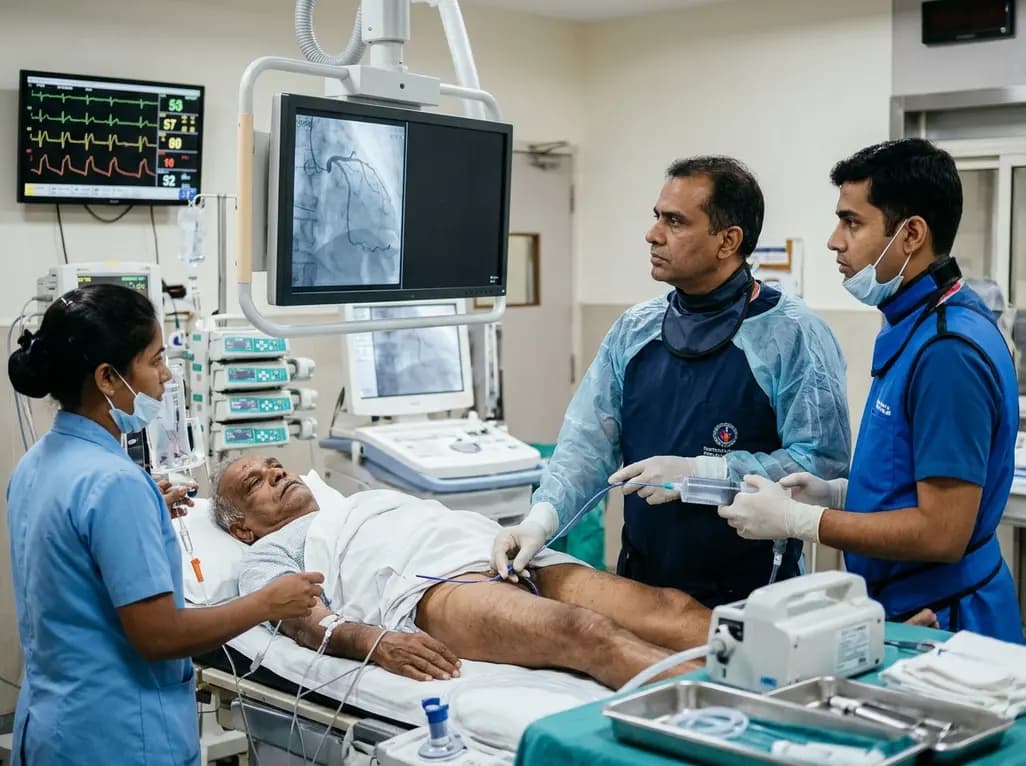
An elderly man with partially repaired Tetralogy of Fallot presented with STEMI caused by coronary embolism rather than atherosclerosis. Successful treatment with sustained mechanical aspiration thrombectomy underscores the vital need for high clinical vigilance in adult congenital heart disease.
Today
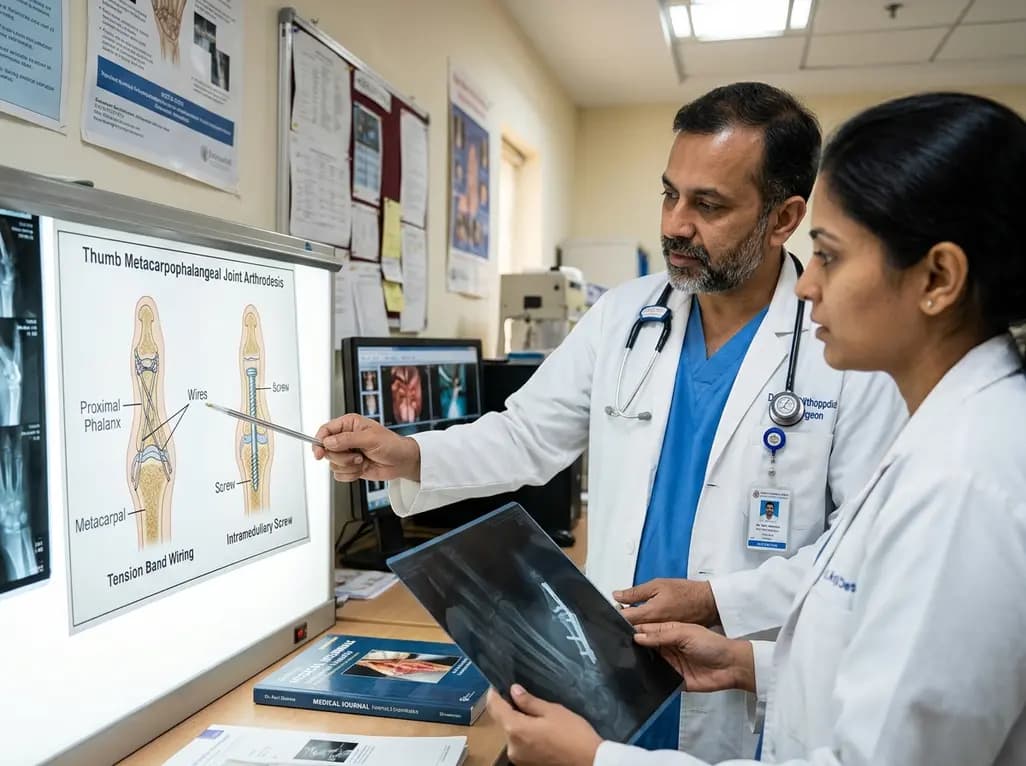
A comparative review of tension band wiring and intramedullary screw fixation in thumb metacarpophalangeal arthrodesis, evaluating union rates, hardware complications, and clinical outcomes.
Today

Following regulatory scrutiny from FSSAI regarding promotional representations and lean muscle preservation claims, Dr. Reddy's Laboratories and Nestlé Health Science are currently reviewing the branding and marketing strategy for their joint nutritional supplement Celevida GLP+.
Today
