.webp&w=384&q=75)

Loading, please wait...
Loading, please wait...

Chronic neuropathic pain represents a debilitating clinical challenge arising from structural lesions or persistent diseases within the somatosensory nervous system. Conventional pharmacological management often provides inadequate symptomatic relief and triggers intolerable adverse reactions. Consequently, interventional neuromodulation therapies, particularly spinal cord stimulation, offer an established alternative for refractory patient cohorts. Recent comprehensive clinical reviews evaluate the critical transition from theoretical neuromodulatory concepts to daily practice. Therefore, multidisciplinary healthcare teams must thoroughly examine the biological mechanisms, therapeutic efficacy, and safety considerations that guide modern clinical decision-making.
Spinal cord stimulation relies on intricate neurophysiological mechanisms to modulate ascending nociceptive signaling. Historically, the gate control theory established the cornerstone for dorsal column electrical modulation. Specifically, electrical current activates large-diameter myelinated A-beta afferents within the posterior columns. This activation subsequently excites inhibitory interneurons in the substantia gelatinosa of the dorsal horn. As a result, these interneurons suppress nociceptive input from unmyelinated C-fibers and thinly myelinated A-delta fibers.
Beyond traditional gate closure, modern investigations emphasize complex neurochemical alterations. For instance, continuous dorsal stimulation promotes the local release of gamma-aminobutyric acid and serotonin within dorsal horn synapses. Additionally, neurostimulation suppresses excessive concentrations of excitatory glutamate and aspartate. Advanced neuroimaging demonstrates that dorsal column stimulation simultaneously influences supraspinal structures. In particular, neuromodulation dampens emotional pain processing within the anterior cingulate cortex. Furthermore, experimental evidence indicates that electrical stimulation reverses maladaptive synaptic plasticity and attenuates neuroinflammation. Consequently, neurostimulation restores sensory gating across spinal and cerebral networks.
Extensive clinical research confirms that interventional neuromodulation delivers robust therapeutic benefits for intractable neuropathic pain. Recent systematic reviews evaluating randomized controlled trials indicate that active neurostimulation provides statistically superior analgesia compared to conventional medical therapy. In addition, patients receiving targeted stimulation consistently experience significant reductions in baseline pain intensity scores. Meta-analytic data demonstrate that most treated patients achieve over fifty percent relief on validated visual analog scales.
Moreover, therapeutic success extends beyond isolated numerical pain relief. High-level clinical trials demonstrate marked enhancements in daily physical mobility and health-related quality of life. For instance, individuals suffering from persistent spinal pain syndrome report substantially reduced disability after neurostimulation. Similarly, patients with complex regional pain syndrome experience dramatic reductions in limb sensitivity and sleep disruption. Furthermore, newer stimulation paradigms, such as high-frequency stimulation, achieve profound analgesia without inducing paresthesia. Consequently, clinicians can tailor electrical waveforms to individual patient needs. Thus, high-level evidence confirms that targeted neuromodulation significantly alleviates physical disability.
Although neurostimulation provides substantial clinical value, interventional physicians must carefully balance therapeutic efficacy against procedural risks. Systematic reviews demonstrate that patients undergoing neuromodulation experience higher complication rates than individuals maintained on conservative pharmacological therapy alone. Specifically, adverse events encompass two primary domains: mechanical hardware failures and biological complications.
Mechanical complications constitute the majority of adverse events documented in clinical registries. For example, lead migration and electrode displacement occur frequently, potentially causing loss of stimulation coverage. Additionally, lead fractures and pulse generator malfunctions may require surgical revision. Biological complications, however, present critical safety concerns that demand rapid identification. Surgical site infections represent notable risks, particularly around the subcutaneously placed pulse generator pocket. Furthermore, epidural hematoma formation and cerebrospinal fluid leakage remain serious procedural complications. Interventional teams must therefore enforce rigorous aseptic protocols and secure mechanical anchoring. Ultimately, structured post-operative monitoring allows clinicians to manage hardware issues promptly.
Achieving successful long-term outcomes with neurostimulation requires meticulous candidate selection. First and foremost, physicians must verify an established neuropathic etiology through comprehensive clinical and radiological assessments. Common eligible diagnoses include persistent spinal pain syndrome following spinal surgery, complex regional pain syndrome, and refractory diabetic neuropathy. However, medical teams must not proceed to surgical interventions without performing comprehensive multidisciplinary evaluations.
Crucially, pre-procedural assessment includes an in-depth psychological screening. Psychologists identify active psychiatric contraindications, such as untreated severe depression, substance abuse disorders, or unmanaged somatization. Furthermore, clinicians must ensure that patients maintain realistic therapeutic goals and understand device management. Once candidates meet all eligibility criteria, they participate in an obligatory percutaneous stimulation trial. Typically lasting three to seven days, this trial enables patients to assess pain relief in real-world settings. Clinicians mandate at least fifty percent pain reduction before approving permanent implantation. Consequently, this screening trial prevents unnecessary surgery and optimizes patient selection.
Historically, medical algorithms positioned spinal cord stimulation as a salvage therapy of last resort. Nevertheless, modern clinical recommendations challenge this delayed strategy. Protracted delays in referring patients for advanced interventional care frequently foster central sensitization, severe muscular deconditioning, and chronic opioid dependence. Therefore, introducing neuromodulation earlier in the treatment continuum helps prevent irreversible physical deterioration and enhances long-term rehabilitation.
Furthermore, sustainable patient outcomes depend upon embedding neurostimulation within a cohesive multidisciplinary care structure. Interventional specialists, neurosurgeons, physical therapists, and behavioral health professionals must work collaboratively across all recovery stages. Physical therapists design targeted rehabilitation programs that rebuild physical conditioning once electrical stimulation reduces baseline pain. Concurrently, pain psychologists reinforce adaptive coping behaviors and assist patients in overcoming fear-avoidance patterns. In addition, clinical teams closely monitor and taper chronic pharmacological regimens. Ultimately, integrating advanced neuromodulation into a comprehensive biopsychosocial model ensures superior functional restoration.
Clinicians primarily recommend spinal cord stimulation for intractable chronic neuropathic pain conditions that resist conventional medical management. Specifically, common approved indications include persistent spinal pain syndrome following lumbar spine surgery, complex regional pain syndrome types one and two, and painful diabetic peripheral neuropathy. Additionally, interventional teams utilize neuromodulation for refractory ischemic limb pain and phantom limb syndromes. Patient selection requires confirmed neuropathic pathology and failure of conservative pharmacotherapy.
Preventing hardware-related complications begins with meticulous surgical technique and standardized anchoring protocols during lead placement. Surgeons secure percutaneous leads tightly to the supraspinous ligament to minimize lead migration and displacement. Furthermore, strict perioperative sterile draping, antibiotic prophylaxis, and gentle tissue handling reduce surgical site infection risks. If hardware displacement occurs, clinicians perform fluoroscopic imaging to verify lead position and surgically revise the displaced electrode to restore effective stimulation coverage.
A trial stimulation phase provides a critical functional and physiological evaluation before committing patients to permanent implantation. During this temporary multi-day test, patients assess pain relief, physical mobility, and sleep quality in their normal home environments. Moreover, the trial allows interdisciplinary teams to evaluate patient compliance and verify adequate paresthesia or sub-perception coverage. Consequently, guidelines require at least fifty percent subjective pain relief during the trial before physicians proceed with permanent generator implantation.
Disclaimer: This content is for informational and educational purposes only... Refer to the latest local and national guidelines for clinical practice.
References

Read summarized clinical updates, watch expert medical content, and earn CME certifications right from your smartphone.
Open your smartphone camera to scan and install.





A systematic review highlights the efficacy and safety of spinal cord stimulation for chronic neuropathic pain. Evidence shows superior outcomes in pain intensity and functional capacity over conventional medical therapy, emphasizing earlier adoption in comprehensive, multidisciplinary pain care regimens.
Today

Hospitalization for severe viral lower respiratory tract disease causes lasting physical, psychological, and productivity burdens for patients and their caregivers. Real-world multinational data reveal major gaps in discharge planning, emphasizing the urgent need for structured transitional pulmonary care.
Today
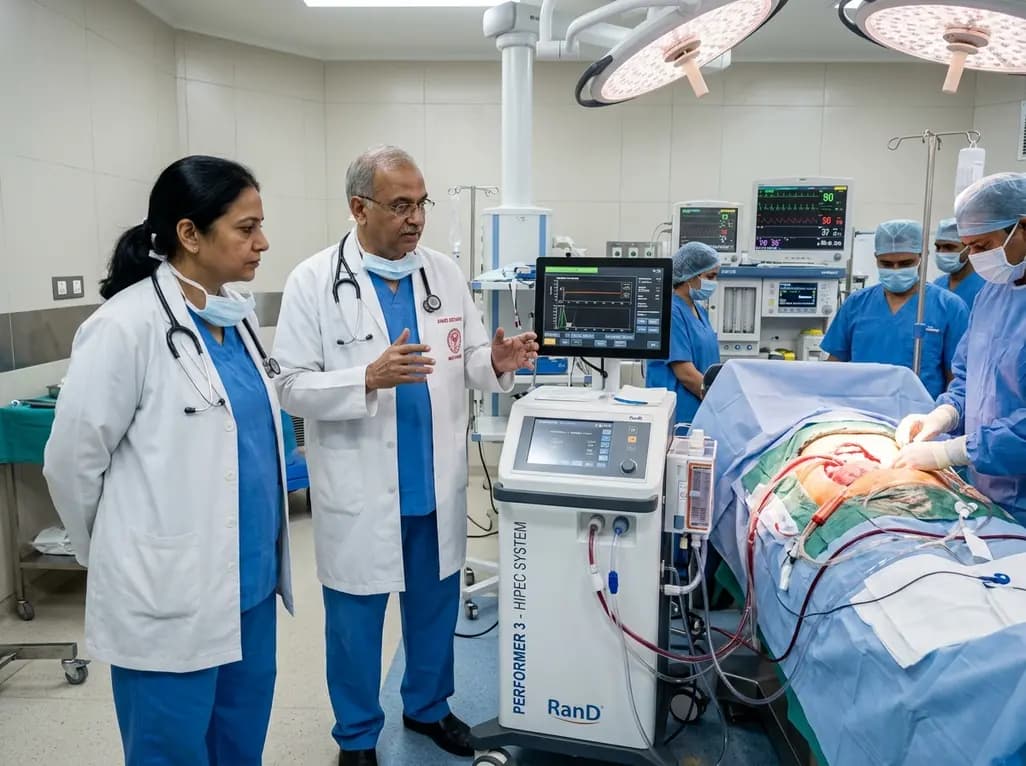
AIIMS Bathinda has inaugurated a specialized peritoneal oncology service featuring the RanD Performer 3 HIPEC platform. The facility offers cytoreductive surgery alongside hyperthermic intraperitoneal chemotherapy, transforming regional management for advanced ovarian, colorectal, and appendiceal malignancies.
Today

Cinematic rendering utilizes advanced global illumination to transform coronary CT angiography datasets. This imaging technique provides lifelike depth perception, helping cardiologists and surgeons precisely evaluate anomalous coronary artery origins, high-risk interarterial courses, and post-surgical anatomy.
Today
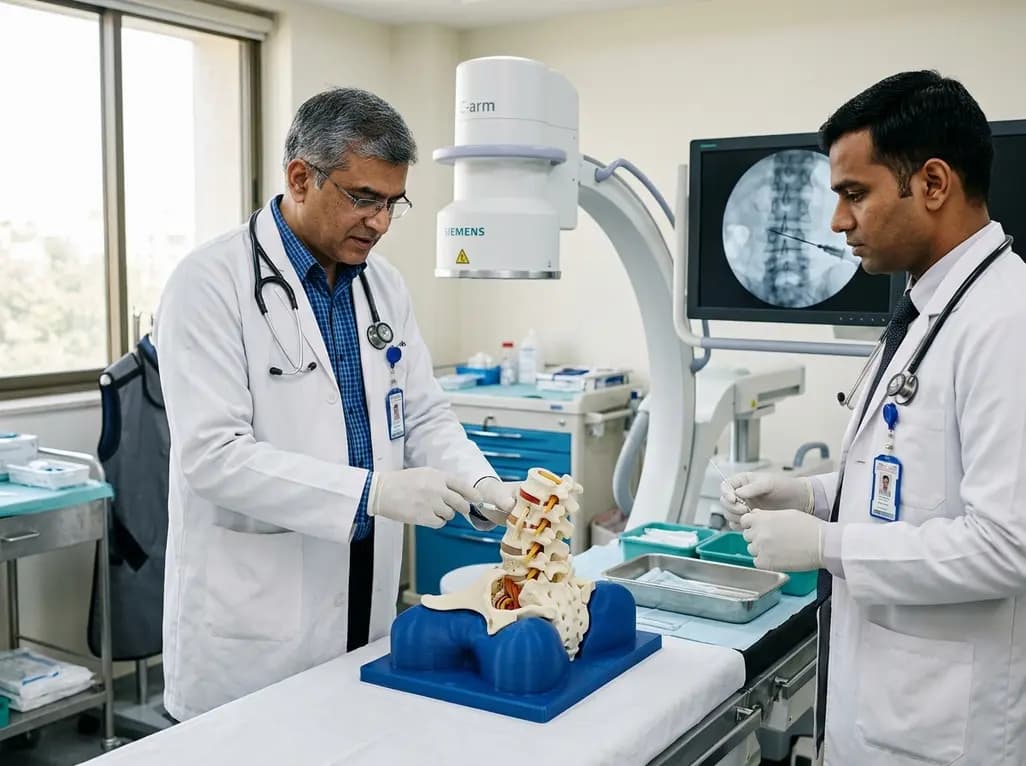
A novel 3D-printed lumbar spine simulator with tunable radiopacity provides realistic tactile and radiographic feedback for fluoroscopy-guided intervertebral disc puncture training, offering a low-cost, ethical alternative to cadaver models.
Today
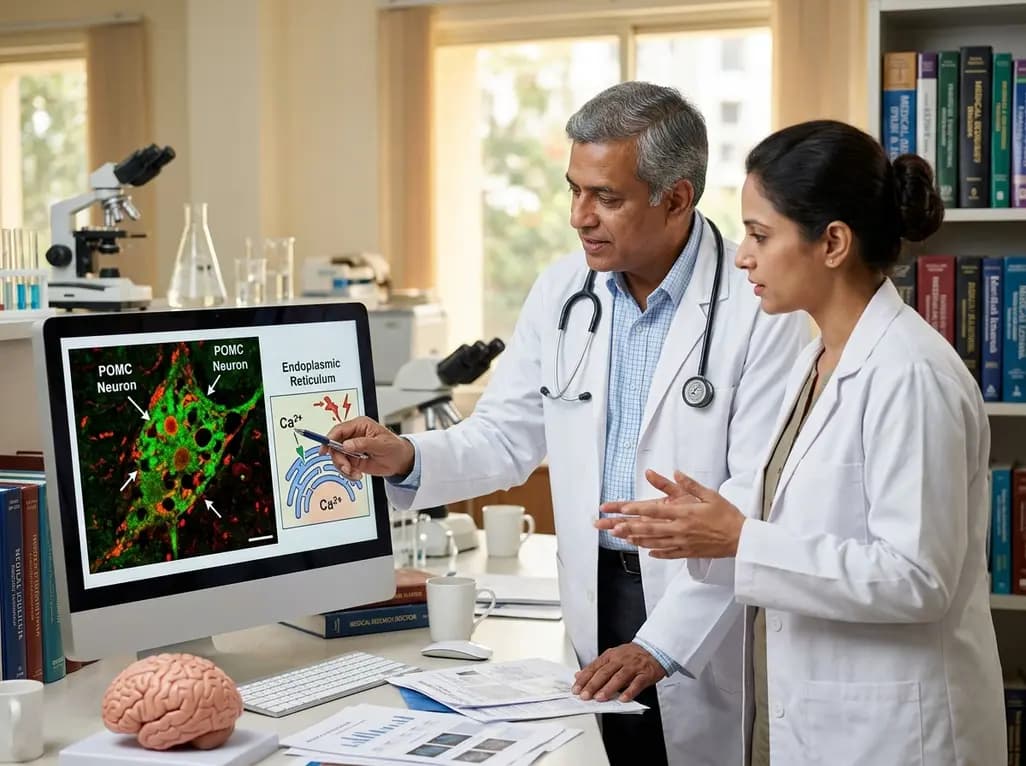
A breakthrough study reveals that loss of SELENOT in hypothalamic POMC neurons triggers premature cellular senescence, ATF6α stress activation, and ER calcium depletion, linking neuroendocrine decay to metabolic disease.
Today
