.webp&w=384&q=75)

Loading, please wait...
Loading, please wait...

Acute hospital admission for viral lower respiratory tract disease represents a critical medical event that extends far beyond the inpatient setting. Physicians frequently focus on acute stabilization and viral clearance during ward care. However, substantial morbidity persists well past hospital discharge, creating profound challenges for recovering patients and their families. Recent multinational data highlight the persistent physical and psychological detriments that follow severe viral episodes. Consequently, clinicians must recognize these long-term ramifications to improve transitional healthcare delivery.
The Adelphi Real World Disease Specific Programme evaluated patients hospitalized with severe viral respiratory infections across Europe, the United States, and Japan. The analysis assessed individuals between six and twenty-four months after their index hospital discharge. Most hospitalized patients were older adults with a median age of 69 years. In addition, these patients carried significant baseline chronic conditions, presenting with a mean of 2.4 comorbidities at admission. Pre-existing conditions notably included secondary pneumonia, chronic obstructive pulmonary disease, and cardiovascular illnesses. Furthermore, microbiological tracking identified SARS-CoV-2 in 46% of cases and influenza A in nearly 22% of cases. Respiratory syncytial virus and other pathogens constituted the remaining viral etiologies. These findings demonstrate that viral lower respiratory tract disease disproportionately hospitalizes frail, comorbid individuals who already have limited physiological reserve. Consequently, acute viral infections precipitate prolonged functional decline in vulnerable demographic groups. Understanding this underlying vulnerability helps physicians tailor monitoring strategies during acute illness. Clinicians cannot consider hospital discharge as the termination of disease pathology. Instead, hospital release marks the start of a vulnerable recuperation period requiring proactive management.
Survivors of severe respiratory infections face protracted functional limitations months after leaving the hospital. Specifically, over 62% of surveyed patients reported substantial impairment in their ability to move and exercise. In addition, more than half of all patients noted enduring detriments to their physical health. Mental health suffered even more acutely, with 66% of individuals reporting ongoing psychological distress, anxiety, or depression. Standardized assessment tools reflected these severe detriments clearly. Patients recorded a mean EuroQol visual analogue scale score of only 67, alongside compromised generic quality of life indices. Furthermore, chronic fatigue and dyspnea disrupted daily routines and functional independence. Consequently, patients experienced an average overall activity impairment of nearly 35%. Employed individuals faced notable workplace challenges, reporting a 23.7% reduction in occupational productivity. These metrics emphasize that post-infection debility extends well into the chronic recovery timeframe. Lingering tissue inflammation and muscle catabolism diminish physical autonomy. Therefore, routine clinical follow-up must evaluate physical stamina, mental health status, and occupational capacity after severe viral illness.
Despite severe post-hospitalization challenges, hospital discharge protocols remain critically underutilized worldwide. The multinational survey revealed that only 34.9% of hospitalized patients received a formal post-discharge care plan upon leaving the hospital. This finding demonstrates a significant disconnect between inpatient acute stabilization and outpatient convalescence. When physicians did implement formal transitional plans, they primarily prescribed bronchodilators and anti-inflammatory medications. Additionally, nearly one-third of managed patients received home oxygen therapy to treat hypoxemia. However, comprehensive outpatient coordination, physical therapy, and scheduled multidisciplinary reviews occurred infrequently. Consequently, many vulnerable patients transition home without structured clinical guidance or dedicated rehabilitation support. This lack of transitional care increases the likelihood of preventable clinical relapses and readmissions. Furthermore, uncoordinated medication transitions confuse patients and jeopardize therapeutic adherence. Clinicians must bridge this persistent operational gap through standardized discharge planning protocols. Systematic discharge roadmaps should outline medication schedules, activity guidelines, and respiratory symptom red flags. Thus, establishing robust hospital-to-home coordination will enhance patient safety and functional recovery.
Informal caregivers provide critical assistance during post-discharge recovery, yet they bear substantial physical and emotional strain. The multinational survey demonstrated that 25% of caregivers experienced moderate-to-severe negative impacts on their physical health. Moreover, half of all surveyed caregivers suffered from moderate-to-extreme sleep disruption while assisting recovering relatives. Assessment tools mirrored this profound personal toll. Caregivers recorded an average Zarit Burden Interview score of 15, alongside reduced overall psychological wellbeing scores. Furthermore, the relentless demands of caregiving impaired caregiver workplace performance. Employed caregivers reported an average work productivity loss of nearly 28%, alongside a 32% impairment in general daily activities. Consequently, caregiver fatigue threatens the sustainability of informal home care. When family members experience exhaustion or health deterioration, patient recovery outcomes inevitably falter. Therefore, clinical teams must actively evaluate caregiver capacity throughout the patient's illness trajectory. Providing practical caregiver counseling and structured respite resources helps mitigate burnout. Ultimately, supporting family caregivers preserves the foundational pillar of home-based respiratory rehabilitation.
Addressing post-discharge respiratory morbidity requires an integrated, multidisciplinary management model. First, hospitals should institute mandatory discharge care plans for all patients recovering from severe respiratory viral infections. In addition, clinical teams must evaluate oxygenation stability, functional mobility, and nutritional status before patient discharge. Clinicians should also schedule structured outpatient follow-up visits within two weeks of hospital exit to detect early decompensation. Furthermore, integrating early pulmonary rehabilitation restores exercise tolerance, strengthens skeletal musculature, and relieves dyspnea. Psychological screening should accompany physical rehabilitation, identifying depression and anxiety before they impair functional recuperation. Concurrently, medical teams must provide caregiver education regarding medication administration, infection prevention, and symptom monitoring. Health systems should also promote adult vaccination programs against influenza, COVID-19, and respiratory syncytial virus to prevent recurrent episodes. Ultimately, transitioning from acute episodic treatment to proactive longitudinal care improves quality of life. By addressing both patient and caregiver burdens comprehensively, clinicians can transform respiratory post-discharge outcomes.
The real-world data underscore urgent systemic reforms across hospital networks and outpatient services. Healthcare administrators frequently overlook the economic consequences of informal caregiver productivity loss and post-discharge disability. However, unaddressed functional impairment generates substantial indirect healthcare costs and frequent emergency department presentations. Therefore, health systems must incentivize structured transitional care pathways and dedicated post-viral recovery clinics. Additionally, digital monitoring tools and telemedicine follow-ups can bridge communication gaps for homebound patients. In primary care settings, physicians should actively screen for lingering respiratory deficits and caregiver strain during routine consultations. Early identification of deteriorating functional capacity allows timely pulmonary rehabilitation referrals and social work interventions. Furthermore, regional health policies must expand adult immunization coverage to reduce viral disease incidence in vulnerable populations. Implementing these proactive measures relieves strain on hospitals and family caregivers alike. Thus, comprehensive post-hospitalization frameworks deliver enduring medical and societal benefits.
Hospitalized patients frequently suffer from persistent dyspnea, exercise intolerance, and severe fatigue for months following discharge. In addition, lingering systemic inflammation and pulmonary tissue injury often cause muscle deconditioning and sleep disruption. Consequently, individuals struggle with basic daily activities and emotional strain. Clinicians must therefore identify these protracted physical and mental deficits early. Regular outpatient assessments and structured pulmonary rehabilitation can substantially improve functional independence.
Caregivers frequently face substantial emotional exhaustion, sleep disruption, and physical strain while supporting recovering family members. Furthermore, navigating complex medication regimens and attending multiple follow-up appointments demands significant time and energy. Consequently, informal caregivers experience reduced occupational productivity and career interruptions. Healthcare teams should therefore integrate caregiver education into initial discharge planning. Providing community support resources and respite counseling protects caregiver wellbeing and sustains home recovery.
An optimal discharge strategy requires coordinated multidisciplinary care, clear medication counseling, and tailored respiratory support. Specifically, clinicians should evaluate supplemental oxygen needs and prescribe evidence-based inhaled therapies before hospital exit. Moreover, teams must arrange scheduled primary care follow-up within two weeks and refer eligible patients to pulmonary rehabilitation. Finally, educating patients and caregivers on red-flag symptoms ensures rapid intervention, mitigating hospital readmissions and promoting long-term recovery.
Disclaimer: This content is for informational and educational purposes only... Refer to the latest local and national guidelines for clinical practice.
References

Read summarized clinical updates, watch expert medical content, and earn CME certifications right from your smartphone.
Open your smartphone camera to scan and install.





Hospitalization for severe viral lower respiratory tract disease causes lasting physical, psychological, and productivity burdens for patients and their caregivers. Real-world multinational data reveal major gaps in discharge planning, emphasizing the urgent need for structured transitional pulmonary care.
Today
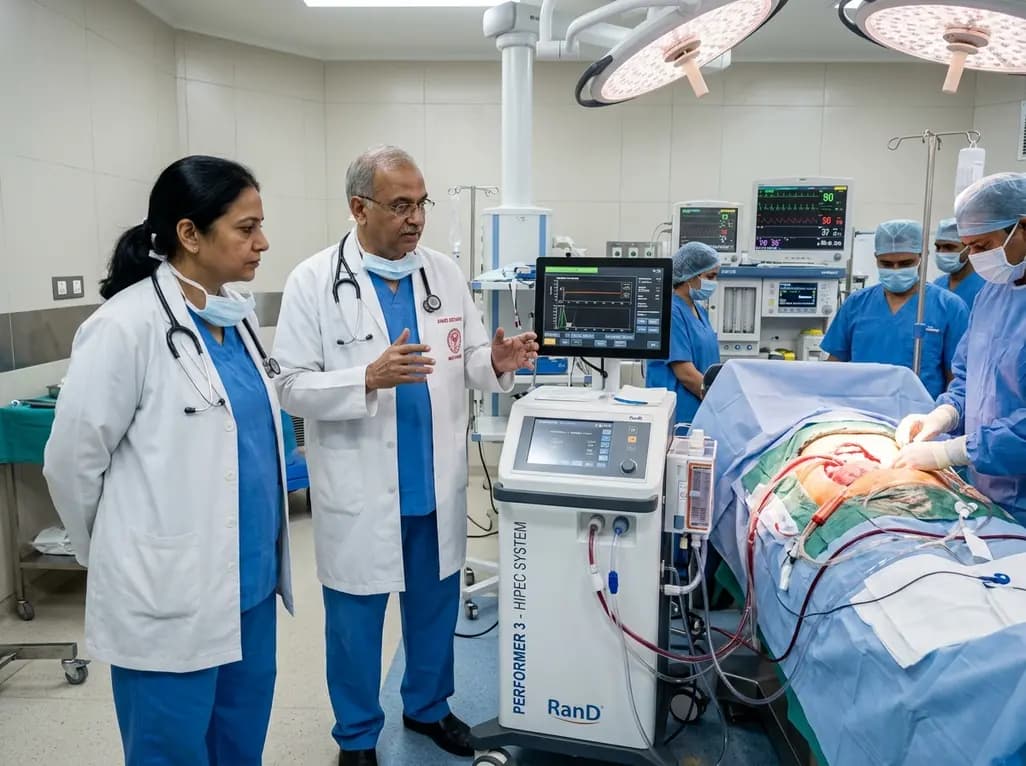
AIIMS Bathinda has inaugurated a specialized peritoneal oncology service featuring the RanD Performer 3 HIPEC platform. The facility offers cytoreductive surgery alongside hyperthermic intraperitoneal chemotherapy, transforming regional management for advanced ovarian, colorectal, and appendiceal malignancies.
Today
Cinematic rendering utilizes advanced global illumination to transform coronary CT angiography datasets. This imaging technique provides lifelike depth perception, helping cardiologists and surgeons precisely evaluate anomalous coronary artery origins, high-risk interarterial courses, and post-surgical anatomy.
Today
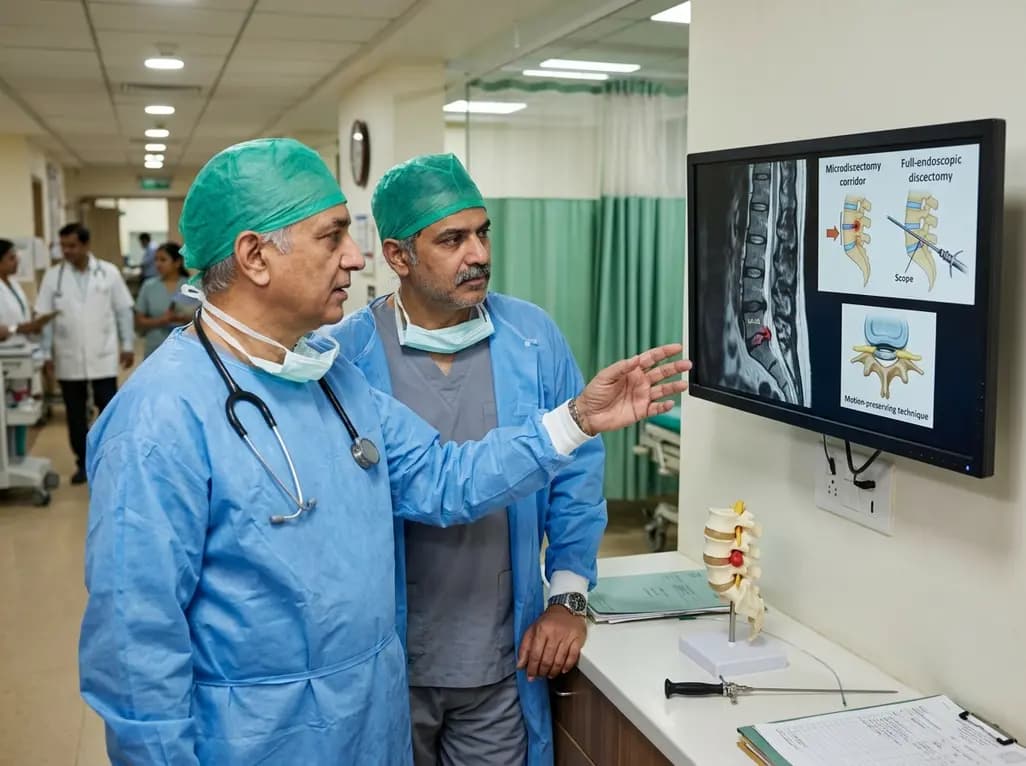
This clinical overview examines recent advancements in lumbar disc herniation surgery, comparing microscopic and full-endoscopic discectomy while highlighting biportal techniques and emerging motion-preserving innovations for spine specialists.
Today

A breakthrough study reveals that loss of SELENOT in hypothalamic POMC neurons triggers premature cellular senescence, ATF6α stress activation, and ER calcium depletion, linking neuroendocrine decay to metabolic disease.
Today
