.webp&w=384&q=75)

Loading, please wait...
Loading, please wait...
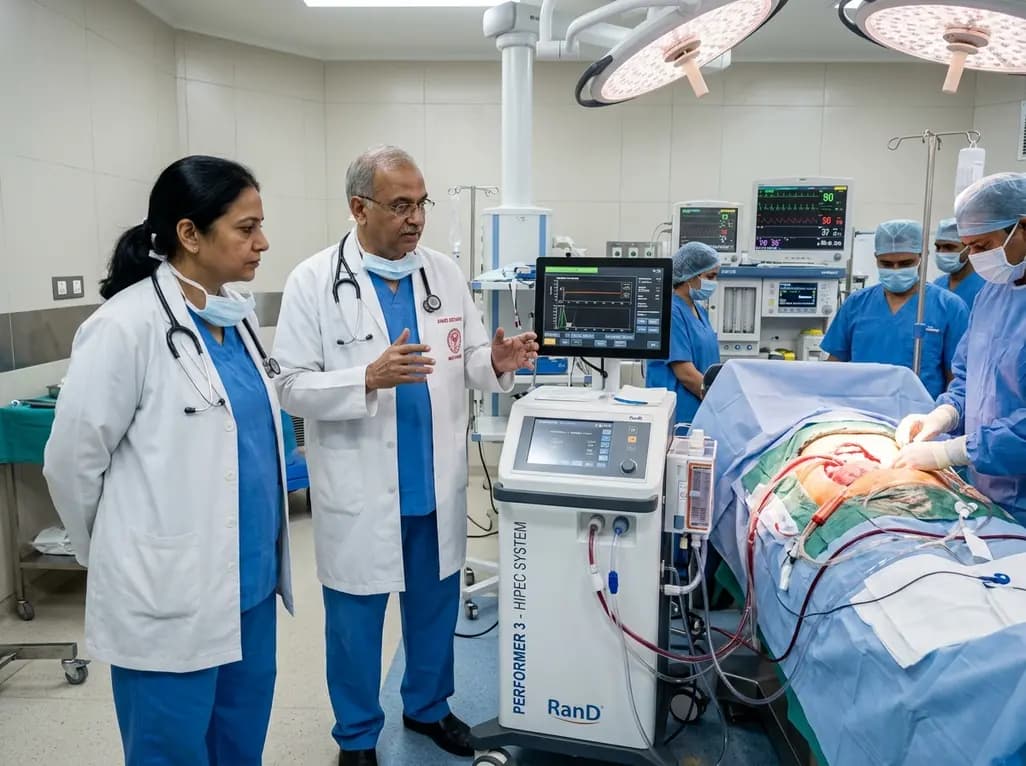
In an important milestone for tertiary cancer care in North India, AIIMS Bathinda has established a specialized peritoneal cancer unit under its Department of Surgical Oncology. This dedicated service provides multidisciplinary care for patients facing advanced abdominal malignancies that have spread to the peritoneal lining. Historically, patients across Punjab had to travel long distances to access specialized treatments. By inaugurating this state-of-the-art facility, AIIMS Bathinda delivers comprehensive cytoreductive surgery and hyperthermic intraperitoneal chemotherapy locally. Consequently, patients with complex abdominal tumors can now receive equitable, advanced surgical care within their own region. Furthermore, this clinical milestone marks a major step forward for public healthcare equity in Punjab and surrounding states.
The Department of Surgical Oncology at AIIMS Bathinda launched this specialized peritoneal cancer unit to address severe regional shortages in advanced surgical care. For decades, oncologists regarded peritoneal metastasis as an untreatable end-stage condition. Consequently, affected individuals frequently faced limited palliative options or traveled extensive distances to seek specialized interventions. According to Prof Ratan Gupta, Executive Director of AIIMS Bathinda, this new establishment marks an essential institutional development.
Additionally, the institute invested substantially in world-class training to maintain clinical excellence. Surgical oncologists from the department underwent specialized surgical training in Europe to master advanced cytoreduction techniques. Therefore, the hospital team executes complex operations according to rigorous international surgical protocols. Furthermore, patients can access these costly oncological procedures under the Ayushman Bharat health insurance scheme. As a result, the initiative eliminates financial toxicity for socioeconomically vulnerable households battling advanced cancer. In particular, this infrastructure positions the institution as a leading referral center, receiving complex surgical referrals from across Punjab, Haryana, and Rajasthan. Moreover, multidisciplinary tumor boards collaborate weekly to review challenging cases, ensuring individualized treatment algorithms for every patient. Thus, local patients receive coordinated multidisciplinary attention.
Peritoneal surface malignancies encompass primary neoplasms and secondary metastases that infiltrate the peritoneal cavity lining. The peritoneum is a protective serous membrane surrounding major intra-abdominal viscera and pelvic organs. Historically, oncologists considered peritoneal seeding an incurable systemic event. In reality, conventional intravenous chemotherapy yields poor tissue penetration across the blood-peritoneal barrier. Consequently, standard chemotherapy regimens fail to achieve therapeutic drug levels within peritoneal tumor deposits. Malignant cells subsequently multiply unchecked throughout the abdominal spaces.
However, modern oncology recognizes that select peritoneal cancers behave primarily as a locoregional disease process. For example, malignant cells originating from colorectal, appendiceal, and epithelial ovarian cancers frequently exfoliate into peritoneal fluid. These neoplastic cells implant onto the omentum, diaphragmatic surfaces, and pelvic peritoneum without hematogenous spread. In particular, appendiceal pseudomyxoma peritonei remains largely confined to the abdominal cavity throughout its natural history. Therefore, targeted locoregional treatment strategies offer a biologically sound clinical approach. Clinicians now aggressively target these implants using combination surgical and regional chemoperfusion protocols. Additionally, this paradigm shift transforms clinical prognosis for thousands of cancer patients worldwide. Furthermore, prompt identification of peritoneal involvement prevents debilitating complications, including malignant ascites and severe mechanical bowel obstruction.
The definitive management of peritoneal surface disease pairs cytoreductive surgery with hyperthermic intraperitoneal chemotherapy. During cytoreductive surgery, surgical oncologists systematically resect all macroscopic tumor lesions from the patient's abdomen. This challenging procedure often requires selective peritonectomies, omentectomy, and organ resections. Specifically, surgeons strip the involved peritoneum and excise affected visceral segments. The primary objective is achieving complete macroscopic cytoreduction, leaving no visible macroscopic nodules behind. Residual macroscopic disease greater than two millimeters compromises therapeutic efficacy significantly.
Following thorough surgical cytoreduction, the surgical team initiates hyperthermic intraperitoneal chemotherapy immediately in the operating room. Technicians circulate a heated chemotherapeutic solution through the peritoneal space using inflow and outflow cannulas. The circulation system maintains fluid temperatures between forty-one and forty-three degrees Celsius for up to ninety minutes. Importantly, direct hyperthermia alters malignant cell membrane permeability, facilitating deeper drug penetration. Thermal stress also disables cellular DNA repair mechanisms and induces direct tumor apoptosis. Furthermore, direct intraperitoneal administration delivers high local drug concentrations while reducing systemic toxicity. Consequently, this synergistic intervention effectively destroys microscopic residual cancer cells. Additionally, maintaining constant intra-abdominal circulation ensures uniform drug distribution across every hidden peritoneal recess.
Appropriate patient selection remains the single most critical factor determining success after cytoreductive surgery and HIPEC. Because these operations are physiologically demanding, clinicians must carefully identify patients who will truly derive benefit. Surgical teams calculate the Peritoneal Cancer Index during diagnostic laparoscopy or preoperative imaging to quantify disease extent. Patients presenting with excessive small bowel involvement or widespread extra-abdominal metastases do not qualify for this procedure. In contrast, patients with localized appendiceal neoplasms, pseudomyxoma peritonei, and resectable colorectal peritoneal metastases represent ideal candidates.
Additionally, selected patients with primary advanced ovarian carcinoma or platinum-sensitive recurrent ovarian disease achieve prolonged progression-free survival. Clinicians also thoroughly evaluate baseline nutritional status and cardiopulmonary reserve before clearing patients for surgery. Because cytoreductive procedures frequently last six to nine hours, candidates require robust physiological stamina. Multidisciplinary tumor boards review imaging, histology, and clinical status to formulate tailored surgical plans. Therefore, comprehensive patient stratification prevents unnecessary surgical morbidity while directing aggressive intervention toward suitable candidates. Ultimately, adherence to strict selection protocols ensures favorable long-term survival metrics across treated cohorts. Moreover, ongoing post-treatment surveillance helps clinicians detect and address recurrences at the earliest possible stage. Consequently, patient quality of life remains central throughout the recovery trajectory.
The peritoneal oncology program at AIIMS Bathinda relies on the cutting-edge RanD Performer 3 HIPEC platform. This specialized device automates fluid heating, continuous circulation, and real-time thermal monitoring throughout the chemoperfusion procedure. Integrated temperature sensors continuously transmit thermal readings, allowing the console to adjust heat delivery precisely. Consequently, the machine avoids dangerous thermal spikes that could injure normal intestinal walls. Furthermore, automated flow alarms and air detection mechanisms safeguard patient safety throughout the perfusion cycle.
Additionally, AIIMS Bathinda established integrated AYUSH wellness services alongside modern oncological treatments. These integrative therapies incorporate yoga, Ayurveda, and lifestyle medicine to support cancer patients through extensive recovery. Postoperative patients utilize these holistic supportive services to manage physical fatigue, reduce treatment-related nausea, and improve mental resilience. Moreover, having this comprehensive service in Bathinda provides immense regional relief. Historically, patients in the Malwa region boarded outbound trains to seek distant cancer therapy. Now, this local facility provides high-level tertiary interventions close to home. Therefore, the establishment of this advanced unit marks a pivotal milestone for oncology across northwestern India. As a result, patients achieve improved access to specialized multidisciplinary surgical care without crippling logistical hardships. Furthermore, local access preserves vital familial and social support systems during prolonged cancer treatment.
Q1: What is a peritoneal cancer unit and what treatments does it offer?
A peritoneal cancer unit specializes in diagnosing and treating malignancies involving the peritoneal membrane covering abdominal organs. The multidisciplinary clinical team provides cytoreductive surgery combined with hyperthermic intraperitoneal chemotherapy. Surgeons first meticulously resect all visible tumor deposits throughout the abdominal cavity. Immediately following surgical resection, the clinical team circulates a heated chemotherapy solution to eradicate residual microscopic malignant cells.
Q2: Which cancer patients are suitable candidates for CRS and HIPEC therapy?
Clinicians evaluate candidates based on primary tumor histology, overall functional performance, and disease burden within the abdomen. Suitable candidates frequently include patients diagnosed with pseudomyxoma peritonei, appendiceal adenocarcinomas, select colorectal metastases, and advanced ovarian malignancies. Patients must possess sufficient cardiopulmonary reserve and demonstrate absence of widespread extra-abdominal metastases. Multidisciplinary tumor boards review each patient to ensure treatment benefits outweigh surgical risks.
Q3: How does the RanD Performer 3 HIPEC system improve patient safety?
The RanD Performer 3 HIPEC system automates heating, fluid circulation, and thermal monitoring during intraperitoneal chemotherapy delivery. It features high-precision thermal probes, peristaltic pumps, and automated pressure safety mechanisms. These digital controls ensure that chemotherapy maintains steady therapeutic temperatures between forty-one and forty-three degrees Celsius. Consequently, the technology maximizes tumor cytotoxicity while preventing localized thermal injury to healthy abdominal organs.
Disclaimer: This content is for informational and educational purposes only. It does not constitute medical advice or replace professional judgment. Refer to the latest local and national guidelines for clinical practice.
References

Read summarized clinical updates, watch expert medical content, and earn CME certifications right from your smartphone.
Open your smartphone camera to scan and install.





AIIMS Bathinda has inaugurated a specialized peritoneal oncology service featuring the RanD Performer 3 HIPEC platform. The facility offers cytoreductive surgery alongside hyperthermic intraperitoneal chemotherapy, transforming regional management for advanced ovarian, colorectal, and appendiceal malignancies.
Today
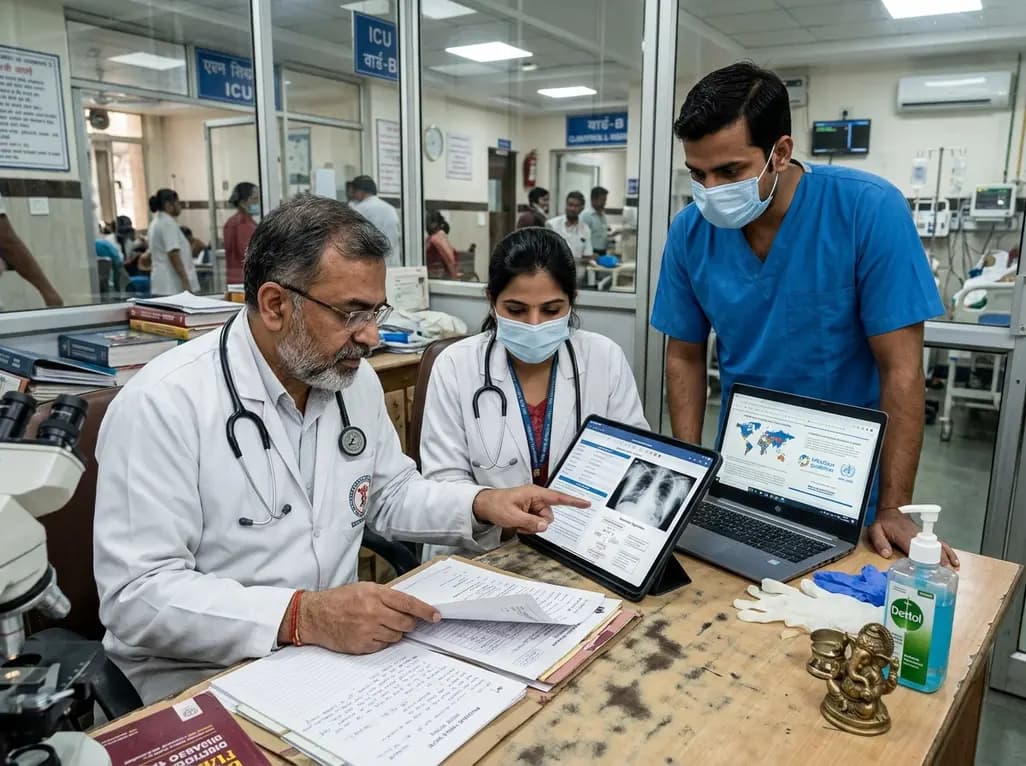
Following the death of a Siberian plague laboratory worker from severe pneumonia, the WHO has requested transparent data under international regulations. Explore the clinical features of pneumonic plague, critical diagnostic pathways, isolation precautions, and empirical management protocols for clinicians.
Today

A cross-sectional study reveals that hypertension knowledge, illness perceptions, depression, and substance use significantly predict self-care behaviors. Addressing mental health and cognitive beliefs in primary care is crucial for optimal blood pressure control and cardiovascular disease prevention.
Today
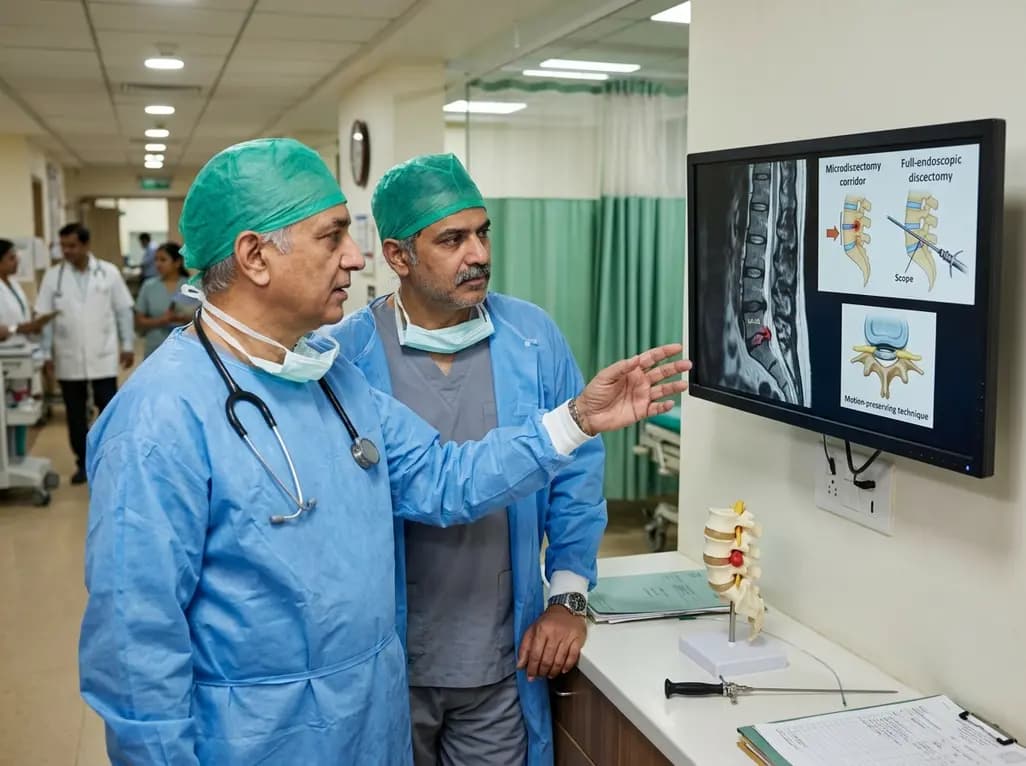
This clinical overview examines recent advancements in lumbar disc herniation surgery, comparing microscopic and full-endoscopic discectomy while highlighting biportal techniques and emerging motion-preserving innovations for spine specialists.
Today
A breakthrough study reveals that loss of SELENOT in hypothalamic POMC neurons triggers premature cellular senescence, ATF6α stress activation, and ER calcium depletion, linking neuroendocrine decay to metabolic disease.
Today
