

Loading, please wait...
Loading, please wait...
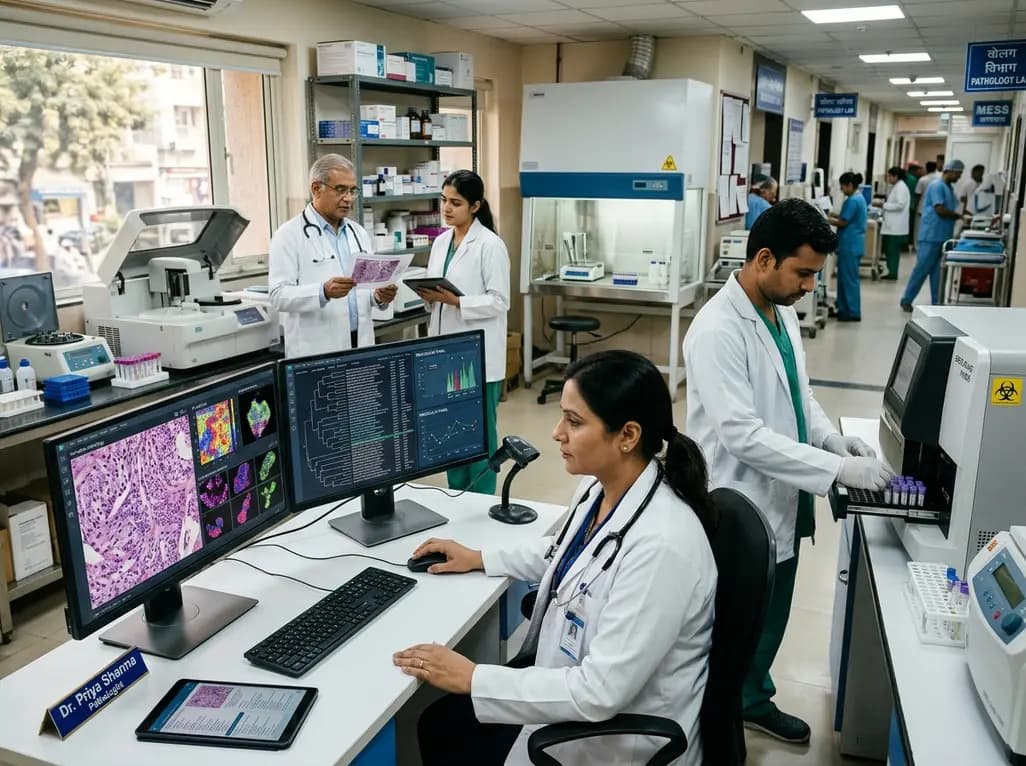
Modern clinical medicine relies heavily on rapid, high-precision laboratory investigations to guide patient management. Today, the diagnostic sector in India is experiencing a profound transition from basic routine testing toward complex specialty diagnostics. Clinicians across specialties increasingly demand comprehensive molecular pathology, targeted oncological panels, and advanced cytogenetics to direct individualized therapeutic strategies. Furthermore, diagnostic chains are modernizing their laboratory infrastructure to support these sophisticated diagnostic requirements. This strategic shift enhances clinical accuracy while expanding the diagnostic armamentarium available to medical practitioners in secondary and tertiary healthcare facilities.
Genomics has rapidly evolved from an academic inquiry into a vital clinical decision-making instrument in routine practice. In oncology, conventional histological evaluations now routinely pair with comprehensive molecular profiling. For example, high-throughput panels evaluating 1,000 cancer-related genes identify actionable alterations across diverse tumor types. Consequently, medical oncologists can select targeted therapies, anticipate drug resistance, and identify eligible patients for clinical trials. Furthermore, molecular profiling assists pathologists in clarifying ambiguous tumor origins and subtyping difficult malignancies.
Similarly, genomic innovations are transforming neurodegenerative disease management and prenatal diagnostics. Novel blood-based biomarkers for neurodegenerative disorders, such as phosphorylated tau and amyloid ratios, provide earlier diagnostic confirmation. In addition, reproductive genetics increasingly utilizes non-invasive prenatal screening and extended carrier screening panels. These advanced molecular assays examine microdeletions and single-gene disorders with remarkable analytical specificity. Therefore, practicing physicians can deliver accurate prognostic information and optimize early interventions. Centralized reference laboratories consolidate expensive sequencing platforms, which ensures that clinicians in semi-urban centers gain equal access to sophisticated genomic testing. Thus, molecular diagnostics bridges regional healthcare disparities while improving diagnostic yields across clinical disciplines.
Digital automation and artificial intelligence now drive meaningful productivity gains within clinical laboratories. Traditionally, specialized disciplines such as cytogenetics required intensive manual labor from experienced laboratory technologists. For instance, conventional karyotyping demanded manual metaphase scanning, chromosome segmentation, and visual band matching. This time-consuming workflow frequently created diagnostic backlogs, resulting in reporting delays of two weeks or more. However, modern laboratories now deploy deep learning algorithms for automated metaphase detection and chromosome classification.
Consequently, artificial intelligence cuts karyotyping turnaround times from fifteen days to roughly seven days. This substantial reduction expedites urgent clinical interventions in pediatric hematology, leukemia workups, and high-risk pregnancies. Moreover, standardized digital platforms unify laboratory information systems across regional satellite centers. These centralized digital networks eliminate transcription errors and harmonize reference intervals across multiple testing sites. Pathologists can review digitized microscopic images and complex cytogenetic maps from centralized workstations. Importantly, automated algorithms serve as decision-support aids rather than diagnostic replacements. Qualified medical specialists maintain absolute oversight, manually reviewing algorithmic segmentations and validating final diagnostic interpretations. Therefore, digital transformation enhances diagnostic efficiency without compromising clinical quality or patient safety.
Telepathology and remote digital reporting have created vital discussions regarding regulatory oversight and medical accountability. Recently, the National Medical Commission provided clear guidance clarifying the legality of remote document authentication. Under this advisory, registered medical practitioners can review and authenticate diagnostic reports remotely using recognized electronic signatures. However, the regulatory body emphasized that this flexibility does not permit passive or automated report approvals. Instead, pathologists must carefully examine patient history, clinical records, and raw laboratory data before signing.
Furthermore, the regulatory guidance insists on strict adherence to the Information Technology Act, 2000. Simple image cut-and-pastes of physical signatures fail to meet statutory criteria for valid electronic signatures. Instead, secure digital signature certificates and Aadhaar-based authentication mechanisms provide verifiable audit trails. This clear regulatory framework enables reference laboratories to distribute sub-specialty expertise to remote geographical regions. For example, a bone marrow biopsy from a Tier III town can undergo remote evaluation by an expert hematopathologist. Consequently, smaller community hospitals achieve rapid specialist consultations without requiring physical pathologist presence on site. As a result, this regulatory clarification strengthens clinical governance, supports digital health expansion, and protects patient rights.
Historically, advanced specialty testing remained heavily concentrated within major metropolitan healthcare centers. Consequently, patients residing in semi-urban and rural areas endured long travel times and diagnostic delays. Diagnostic providers are actively restructuring their delivery models to dismantle these geographical barriers. Specifically, healthcare organizations are establishing high-density collection networks and integrated mini-hubs across Tier II and Tier III towns. These regional mini-hubs unite routine pathology, basic radiology, and remote physician consultations under a single roof.
Furthermore, an asset-light hub-and-spoke operational architecture optimizes specimen transport and analytical processing. Local collection kiosks gather biological specimens and transport them under controlled cold-chain logistics to centralized reference laboratories. This consolidated logistics framework prevents redundant capital investments in expensive diagnostic analyzers at every local site. Meanwhile, local clinicians receive standardized, rapid reports through integrated digital portals. Franchise-led collection models also demonstrate rapid financial break-even, making healthcare expansion commercially viable in underserved districts. Moreover, Tier III regions currently exhibit the fastest diagnostic growth rates across the country. Patients and local physicians in non-metro markets increasingly seek accredited, organized diagnostic chains to ensure reliable test results. Thus, distributed specimen collection combined with centralized testing democratizes diagnostic access nationwide.
Clinical practice in India is witnessing an encouraging paradigm shift from purely reactive diagnostics toward proactive preventive screening. Previously, patients accessed diagnostic laboratories only during acute illness or immediate pre-operative assessments. However, rising health awareness and corporate wellness initiatives are encouraging regular health checkups among asymptomatic individuals. Clinicians observe increased demand for comprehensive wellness packages that combine biochemical testing, cardiac risk stratification, and imaging modalities.
Importantly, modern preventive packages evaluate multifaceted metabolic parameters rather than basic fasting glucose levels alone. Advanced profiles incorporate glycated hemoglobin, lipid subfractions, high-sensitivity C-reactive protein, and liver enzymes. Furthermore, packages often bundle electrocardiograms, basic ultrasonography, and teleconsultations to provide holistic health assessments. This bundled approach facilitates early detection of non-communicable diseases, including occult type 2 diabetes, metabolic dysfunction-associated steatotic liver disease, and atherosclerotic cardiovascular changes. Therefore, primary care physicians can initiate lifestyle modifications and pharmacotherapy long before organ damage occurs. In addition, routine engagement with preventive health checkups establishes longitudinal patient records. These ongoing records empower treating clinicians to track physiological trends and adjust chronic disease management protocols effectively over time.
Q1: How do large-panel genomic tests improve precision oncology workflows?
Comprehensive genomic profiling through large next-generation sequencing panels interrogates hundreds of cancer-related genes simultaneously. Consequently, clinicians identify actionable somatic mutations, copy number variations, and gene fusions in a single diagnostic workflow. This high-throughput approach matches advanced oncological disease with targeted therapies and relevant clinical trials. Moreover, it eliminates the tissue-exhausting sequential single-gene testing pathways of the past, thereby significantly accelerating clinical decision-making for complex malignancies.
Q2: What are the regulatory stipulations for digital signatures on pathology reports in India?
The National Medical Commission allows registered medical practitioners to authenticate pathology and diagnostic reports remotely using recognized digital signatures. However, the practitioner must directly evaluate the underlying clinical records and raw investigative data before applying an electronic signature. In addition, the digital signature must comply strictly with the Information Technology Act, 2000. Simple scanned image signatures do not satisfy legal criteria, ensuring clinical accountability, professional integrity, and data protection across telemedicine networks.
Q3: How does artificial intelligence accelerate chromosome analysis in cytogenetics?
Artificial intelligence platforms automate metaphase finding, chromosome segmentation, and initial pairing during conventional karyotyping workflows. Therefore, cytogeneticists avoid the labor-intensive chore of manually cropping and ordering individual chromosomes. Deep learning algorithms rapidly recognize characteristic Giemsa banding patterns with high precision. Consequently, diagnostic laboratories shorten karyotyping turnaround times from fifteen days down to approximately seven days. Pathologists retain full oversight, reviewing automated karyograms to verify subtle structural rearrangements before finalizing clinical reports.
Disclaimer: This content is for informational and educational purposes only. It does not constitute medical advice or replace professional judgment. Refer to the latest local and national guidelines for clinical practice.
References

Read summarized clinical updates, watch expert medical content, and earn CME certifications right from your smartphone.
Open your smartphone camera to scan and install.





Diagnostic medicine in India is experiencing a paradigm shift towards high-complexity pathology, preventive health, and automated workflows. We review emerging molecular panels, AI-assisted cytogenetics, and the regulatory clarifications from the National Medical Commission regarding digital report authentication.
Today
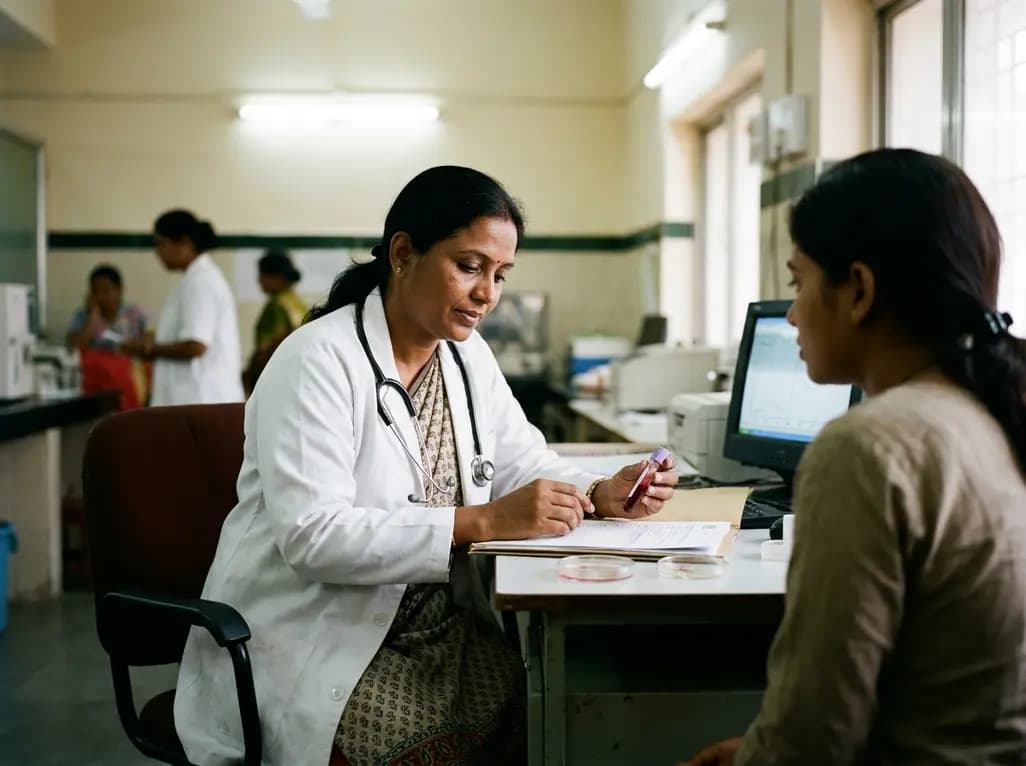
A breakthrough blood test measuring the RNA biomarker Tu-Stroma detects microscopic serous tubal intraepithelial carcinoma (STIC) lesions with remarkable accuracy. This non-invasive diagnostic tool offers crucial biological insight to guide prophylactic surgery decisions for women carrying high-risk genetic mutations.
Today
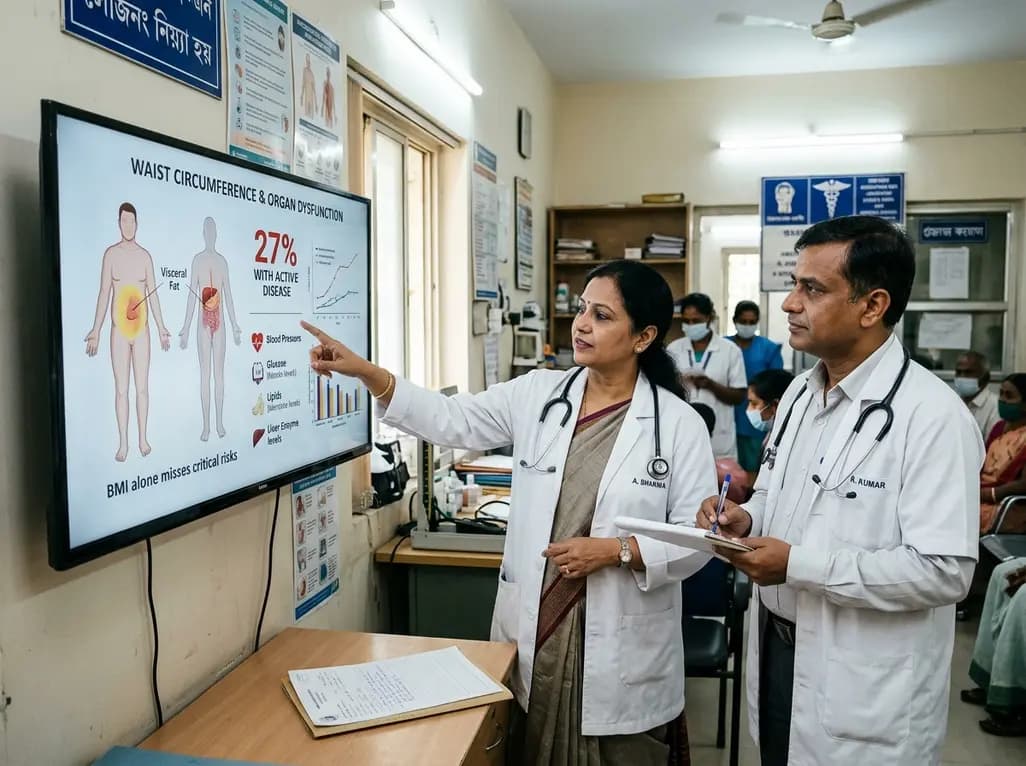
A landmark Nature study reveals that only 27% of individuals with obesity have active clinical disease. By incorporating waist circumference and organ dysfunction, this new diagnostic framework moves beyond BMI to prevent widespread misclassification and guide personalized metabolic intervention.
Today
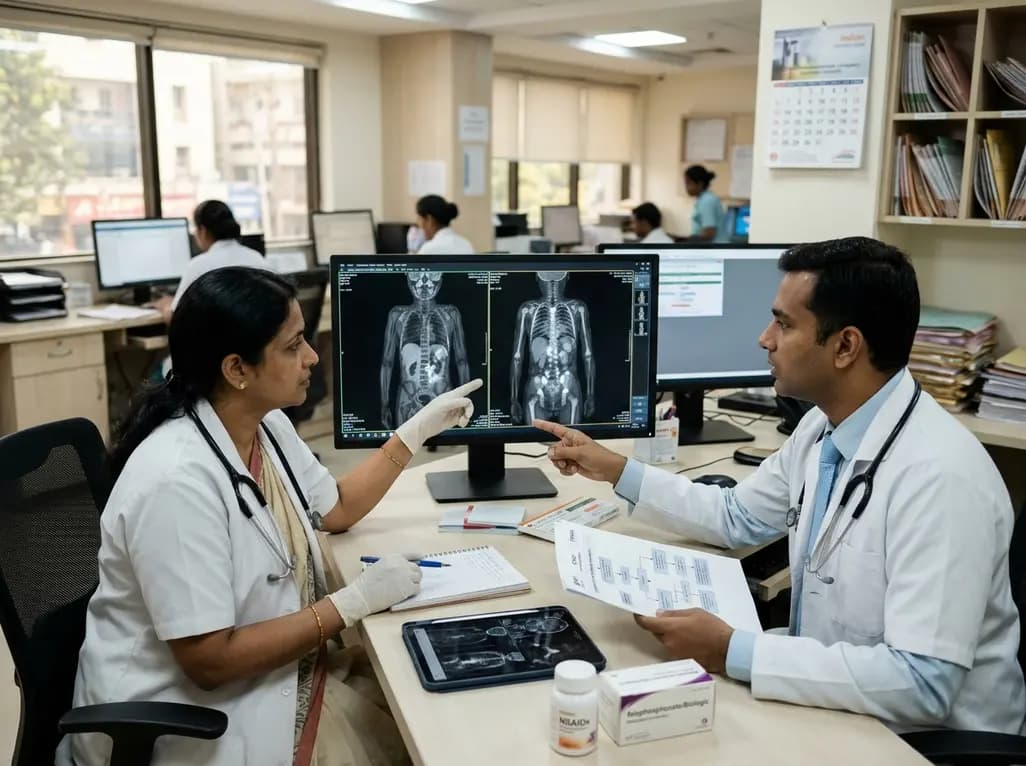
Chronic nonbacterial osteomyelitis (CNO) is a pediatric autoinflammatory bone disorder. This review covers the French protocol, emphasizing whole-body MRI as the diagnostic gold standard, prudent biopsy avoidance, first-line NSAID treatment, and second-line biologic or bisphosphonate therapies for spinal lesions.
Today

A real-world retrospective study demonstrates that combining intravitreal ranibizumab with focal/grid macular laser significantly improves visual acuity and central macular thickness compared to laser monotherapy in patients with center-involved diabetic macular edema.
Today
