

Loading, please wait...
Loading, please wait...

The management of metabolic disorders demands consistent monitoring, individualized lifestyle modifications, and proactive clinical oversight. When public health emergencies or rapid health system reorganizations disrupt clinical workflows, vulnerable cohorts face heightened risks of poor glycemic control and related complications. A qualitative investigation evaluating family physicians has illuminated systemic disruptions and provider adaptations in South Asian diabetes care. The findings emphasize that although remote consultations preserve basic continuity, chronic cardiometabolic care requires sustained physical assessments and culturally tailored clinical interventions.
South Asian populations face a disproportionate burden of type 2 diabetes mellitus, characterized by premature disease onset, elevated insulin resistance, and accelerated progression to vascular complications. Consequently, continuous clinical surveillance represents the cornerstone of secondary prevention. However, sudden shifts to remote consultations during public health crises severely curtailed essential in-person evaluations. Primary care physicians reported significant difficulties when executing comprehensive physical examinations, such as monofilament sensory testing, peripheral arterial assessments, and routine blood pressure measurements.
Furthermore, providers identified substantial communication obstacles during virtual appointments. Lifestyle counseling, which requires detailed discussions regarding dietary habits and cultural food preparation, proved challenging over phone lines. Because visual assessments and interactive dialogue diminished, clinicians struggled to reinforce necessary lifestyle modifications. Patients frequently missed vital laboratory evaluations, particularly regular glycated hemoglobin checks, which further impeded timely pharmacological adjustments. Therefore, the abrupt alteration in delivery models highlighted how remote approaches can inadvertently compromise clinical oversight in populations with elevated cardiovascular risk.
Although virtual health platforms theoretically expand clinical reach, digital literacy barriers significantly hindered access among elderly patients. Many senior individuals lacked appropriate devices, reliable internet connections, or the technical expertise needed to operate video communication software. As a result, virtual encounters defaulted to basic telephone calls, which eliminated crucial non-verbal clinical cues and visual assessments of physical health.
In addition, cultural and language differences introduced notable complexity during clinical encounters. Physicians frequently had to rely on family members to translate medical discussions and instructions. While family involvement can support treatment planning, third-party translation occasionally distorted nuanced clinical explanations regarding glycemic targets and adverse drug reactions. Furthermore, privacy concerns occasionally prevented patients from discussing sensitive mental health concerns. Consequently, general practitioners stressed that digital health platforms must incorporate multilingual navigation and accessible design to ensure equitable healthcare access across diverse demographic groups.
The operational shifts during crisis periods compounded pre-existing patient-level challenges regarding pharmacotherapy adherence. Physicians documented prominent concerns regarding medication costs, adverse drug profiles, and deeply rooted hesitations surrounding insulin initiation. Because regular in-person reassurance was absent, patient apprehensions often translated into missed doses or unauthorized treatment discontinuations.
Simultaneously, clinicians recorded a marked escalation in anxiety and depressive symptoms across their patient panels. Social isolation, fears of viral transmission, and economic instability magnified emotional distress, which directly impaired self-care behaviors. South Asian cultural norms surrounding mental health frequently discouraged open conversations about emotional well-being, compounding these psychological strains. In response, primary care doctors had to spend substantial appointment time addressing emotional health before managing glycemic parameters. Therefore, treating physicians recognized that metabolic control cannot succeed without concurrent assessment of mental health and targeted strategies to alleviate psychosocial distress.
Amid widespread clinical disruptions, multidisciplinary collaboration emerged as a decisive factor in preserving continuity of care. Notably, primary care clinics that embedded clinical pharmacists maintained significantly superior treatment adherence and surveillance compared to isolated practices. These co-located professionals served as accessible healthcare touchpoints when general practitioner appointments faced severe logistical constraints.
Pharmacists actively reviewed medication regimens, answered patient questions regarding drug side effects, and secured continuous supplies of essential antidiabetic therapies and monitoring consumables. Moreover, these allied professionals provided structured counseling in native languages, bridging critical comprehension gaps for complex dosing schedules. Physicians observed that this team-based arrangement alleviated primary care workload and prevented catastrophic lapses in medication adherence. Consequently, health systems must prioritize integrated primary care teams featuring pharmacists, diabetes educators, and community health workers to protect vulnerable groups against fragmented service delivery.
The qualitative observations from primary care providers offer practical guidance for modernizing chronic disease management frameworks. First, healthcare administrators must enhance electronic medical record interoperability. Modern digital infrastructures should seamlessly track diagnostic milestones, identify overdue laboratory monitoring, and generate automated clinical reminders for high-risk cohorts.
Second, health authorities must establish clear clinical guidelines defining which diabetes consultations require physical attendance versus remote follow-up. While routine prescription refills and uncomplicated check-ins suit virtual platforms, high-risk interventions—such as foot evaluations, persistent hyperglycemia management, and insulin titration—require structured clinic visits. Furthermore, investing in culturally competent patient education resources will empower patients to navigate remote monitoring equipment independently. By building a resilient, hybrid care framework, healthcare systems can ensure that vulnerable demographic groups maintain robust metabolic control regardless of broader public health disruptions.
Virtual consultations prevented essential in-person assessments, including peripheral neuropathy screenings, foot ulcers checks, and clinical blood pressure evaluations. Furthermore, patients often deferred laboratory appointments, leading to delayed glycated hemoglobin measurements and hindered timely medication titration by primary care clinicians.
Many elderly patients lacked familiarity with digital communication software, reliable high-speed internet, or compatible technological hardware. Consequently, video consultations often defaulted to audio-only telephone calls, which eliminated vital non-verbal clinical communication and reduced diagnostic clarity.
Embedded clinic pharmacists provide direct medication reviews, clarify drug side effects, and offer multilingual lifestyle counseling. Furthermore, their presence ensures uninterrupted access to essential medications and blood glucose monitoring supplies, reinforcing adherence and reducing primary physician workload.
Disclaimer: This content is for informational and educational purposes only... Refer to the latest local and national guidelines for clinical practice.
References
Mahmood B et al. Impact of the COVID-19 pandemic and control measures on type 2 diabetes care among South Asians: the perspective of healthcare providers in British Columbia, Canada. PLoS One. 2026. doi: 10.1371/journal.pone.0359295. PMID: 42912774.
ElSayed NA, Aleppo G, Aroda VR, et al. Comprehensive Medical Evaluation and Assessment of Comorbidities: Standards of Care in Diabetes—2023. Diabetes Care. 2023;46(Suppl 1):S19-S40.
Misra A, Ramachandran A, Jayawardena R, Shrivastava U, Snehalatha C. Diabetes in South Asians: etiology, phenotype, and management. Indian J Med Res. 2021;154(4):559-578.

Read summarized clinical updates, watch expert medical content, and earn CME certifications right from your smartphone.
Open your smartphone camera to scan and install.





A qualitative study highlights the impact of pandemic measures on South Asian diabetes care, revealing critical challenges in routine monitoring, digital access, and medication adherence, alongside the essential role of interdisciplinary primary care teams in mitigating health disparities.
Today
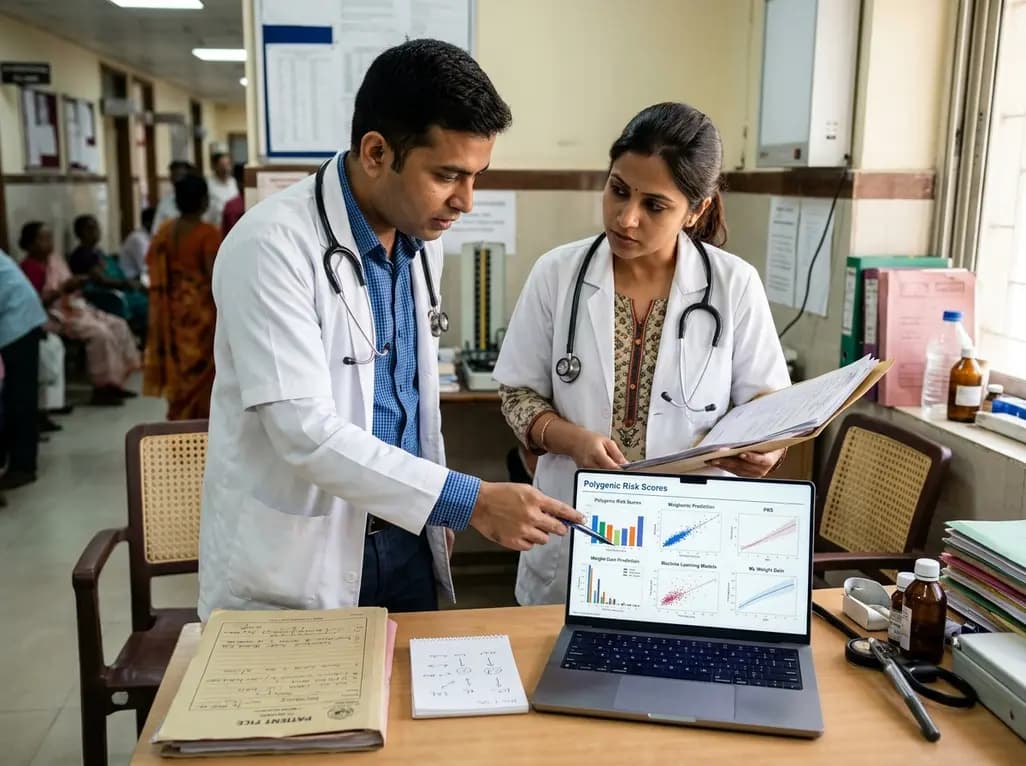
An observational study from the NIH All of Us Research Program reveals that adding a multi-ancestry polygenic risk score to machine learning models provides only modest improvements in predicting adult weight gain, underscoring the enduring significance of routine clinical and lifestyle factors.
Today

A study in JAMIA Open shows lightweight open-source reasoning LLMs achieve up to 95% sensitivity and accelerate evidence synthesis screening by nearly twentyfold, presenting a cost-effective, scalable AI solution for biomedical research and systematic reviews.
Today
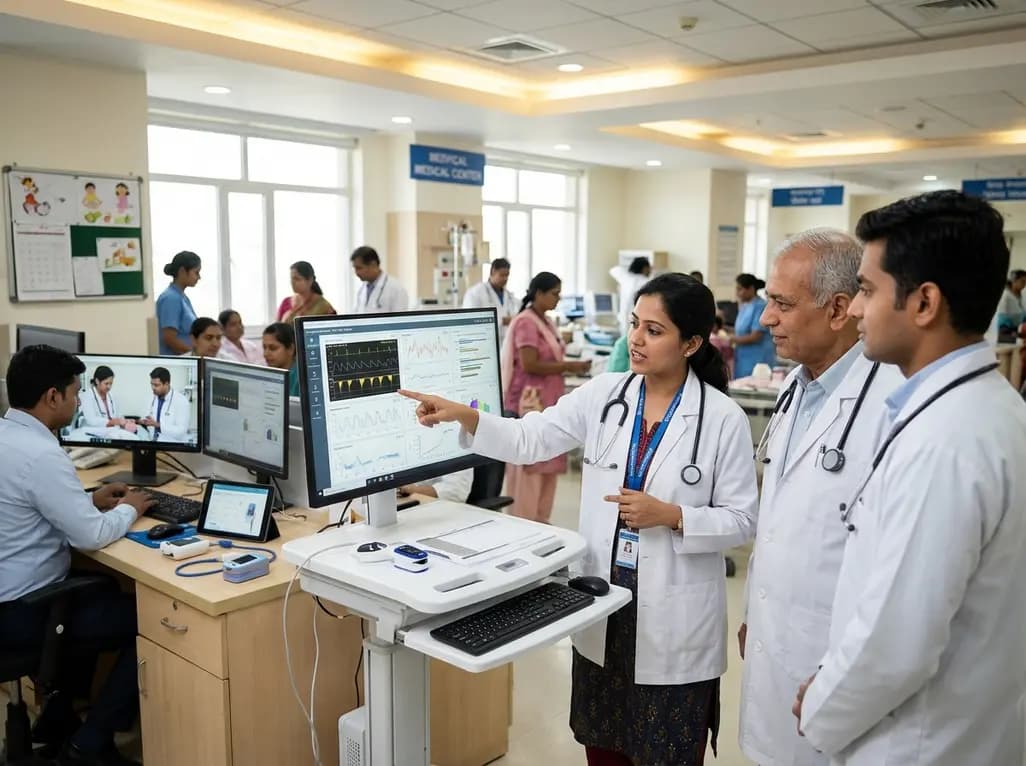
A landmark study details how an enterprise pediatric remote patient management model expanded from a single cardiology pilot to 16 diverse specialty programs by combining centralized digital operations with specialty clinical leadership.
Yesterday
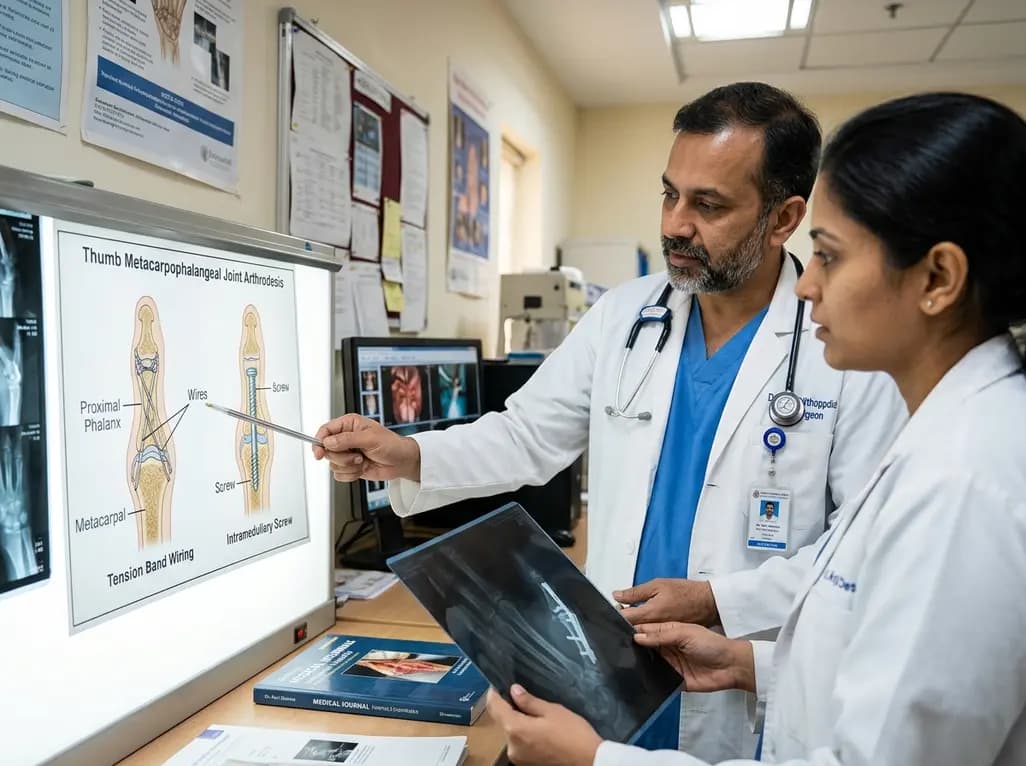
A comparative review of tension band wiring and intramedullary screw fixation in thumb metacarpophalangeal arthrodesis, evaluating union rates, hardware complications, and clinical outcomes.
Yesterday
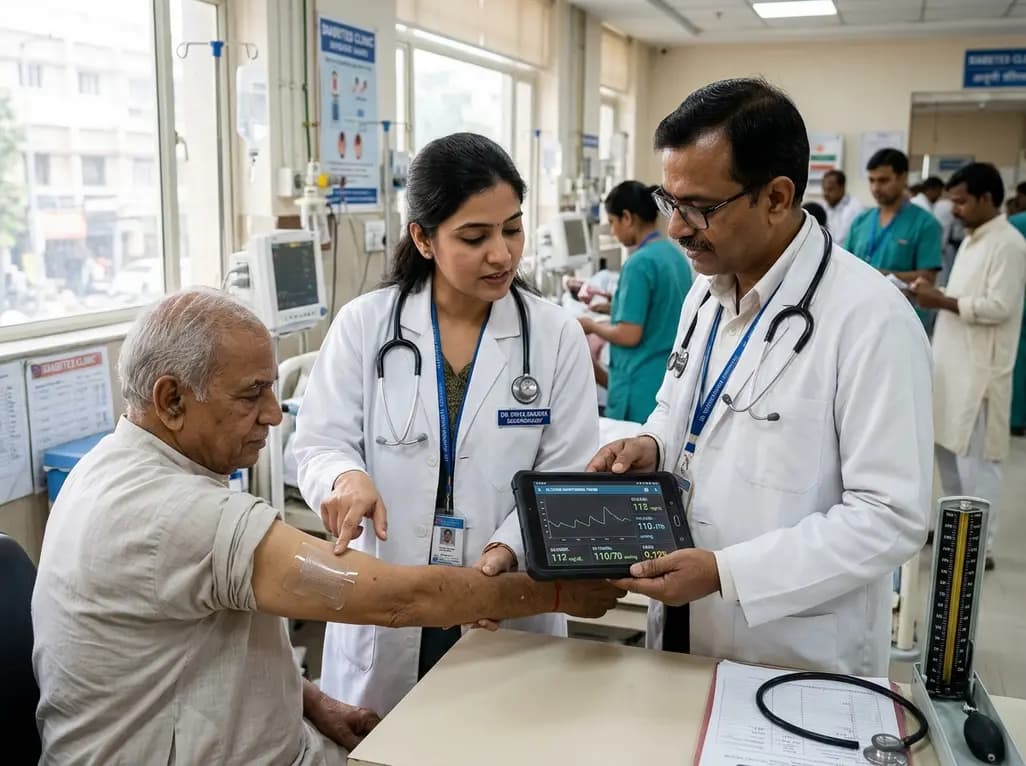
A breakthrough ultrathin multimodal sensor decouples physical hemodynamic monitoring from disposable electrochemical calibration, achieving long-term wearable glucose prediction with 81.36% accuracy and a 9.12% MARD. This offers a robust, drift-free solution for outpatient metabolic surveillance.
Yesterday
