

Loading, please wait...
Loading, please wait...

Maintaining social participation in aging represents a critical pillar of healthy longevity and functional independence. As global populations age rapidly, healthcare systems face increasing burdens related to chronic disability, cognitive decline, and loneliness. Recent longitudinal evidence demonstrates that social participation follows distinct trajectories over time rather than a uniform downward decline. Consequently, clinicians must recognize that environmental contexts, economic stability, and caregiving structures fundamentally shape these developmental pathways. By understanding these dynamic patterns, physicians can identify vulnerable older adults earlier and implement targeted community interventions.
Recent epidemiological investigations demonstrate that aging trajectories are heterogeneous rather than monolithic. In a ten-year longitudinal cohort of older adults, researchers identified two distinct pathways of engagement. Specifically, over half of the cohort demonstrated a lower-declining trajectory, whereas nearly forty-six percent maintained a higher-stable trajectory. This division proves that substantial social disengagement is not an inevitable consequence of growing older. Instead, modifiable socio-ecological factors determine whether an individual preserves active community roles or withdraws over time. Furthermore, individuals in the higher-stable group retained superior functional capacity, psychological resilience, and subjective well-being. In contrast, those following the lower-declining pathway experienced accelerated frailty and severe isolation. Clinicians frequently encounter older patients who quietly transition into isolated routines after minor health setbacks. Therefore, recognizing these dual trajectories allows healthcare providers to reframe social disengagement as a modifiable clinical phenomenon. Early identification offers an invaluable window for multidisciplinary intervention, ultimately safeguarding cognitive and physical reserve.
The Ecological Model of Aging provides a robust theoretical foundation for interpreting these divergent patterns. According to this model, an individual's behavioral outcomes reflect the continuous interplay between personal competency and environmental press. When physical impairments increase, modest environmental barriers can overwhelm an individual's adaptive capacity. Conversely, supportive care environments lower environmental press and facilitate optimal functioning. The concept of person-environment fit explains why two patients with identical clinical comorbidities experience vastly different social trajectories. For instance, an older adult with osteoarthritic knee pain thrives when living in an accessible ground-floor residence near family. Conversely, the same individual becomes homebound and isolated when residing in an upper-floor dwelling lacking elevator access. Additionally, social environments provide emotional encouragement and practical assistance that buffer against the stress of functional loss. When surrounding environments align with individual abilities, older adults sustain purposeful interactions and leisure activities. Therefore, geriatric assessment must extend beyond biological markers to evaluate environmental suitability, household architecture, and ambient social support.
Care environments exert a decisive influence on whether older adults maintain social engagement across time. Longitudinal analysis reveals that economic stability plays a foundational protective role against social decline. Specifically, individuals with adequate financial security exhibit significantly lower odds of entering a lower-declining trajectory. Financial stability facilitates access to dependable transportation, assistive devices, and community recreation opportunities that facilitate ongoing participation. Furthermore, economic resources relieve psychological distress and reduce caregiving burdens within households. In contrast, financial precarity forces seniors to prioritize basic survival needs over discretionary community involvement. Living arrangements also modulate this dynamic relationship in profound ways. Older adults who live with supportive relatives or within close-knit neighborhood clusters experience frequent daily stimulation. However, living with relatives does not automatically guarantee social flourishing if interpersonal friction or caregiver burnout dominates the household. Consequently, healthcare professionals must examine the emotional climate and practical resources of the care setting. When families receive community-based respite and economic guidance, they create nurturing micro-environments that encourage seniors to participate actively in wider social spheres.
The identification of distinct social trajectories carries immediate implications for everyday medical practice in outpatient settings. Clinicians routinely prioritize managing chronic cardiometabolic disorders and musculoskeletal degeneration during brief consultations. However, treating biological metrics in isolation often fails to address the root causes of functional decline. Physicians must recognize that social isolation acts as an independent risk factor for all-cause mortality, cardiovascular events, and dementia. Therefore, incorporating routine social health screening into primary care examinations yields substantial diagnostic value. Practitioners can rapidly evaluate social networks by inquiring about weekly group activities, telephone contacts, and volunteer work. Additionally, clinicians should evaluate sensory barriers such as uncorrected presbycusis and visual impairment, which frequently trigger social withdrawal. Promptly prescribing hearing aids, cataract surgery, or mobility aids directly revitalizes a patient's capacity for interactive communication. Moreover, physicians can collaborate with medical social workers to link vulnerable patients with adult day centers and peer support groups. Integrating social prescriptions alongside pharmacotherapy produces holistic improvements in geriatric health outcomes.
These international longitudinal findings offer valuable practical guidance for managing elderly care in India. With rapid demographic transitions and shifting family structures, traditional joint family safety nets are undergoing significant transformation. Nuclear living arrangements and rural-to-urban youth migration increasingly expose Indian seniors to severe social isolation. Therefore, primary care physicians operating under the National Programme for Health Care of the Elderly must champion community-based models. Primary health centers can organize structured weekly health circles, yoga sessions, and communal recreation for local seniors. Furthermore, urban housing associations and rural panchayats should collaborate to build accessible physical environments, including ramped walkways and well-lit parks. Clinicians can also advise family caregivers on creating stimulating home environments that encourage intergenerational conversations and neighborhood outings. In addition, promoting digital literacy programs helps elderly individuals maintain contact with distant children and friends. Ultimately, building cohesive, age-friendly environments safeguards intrinsic capacity, preserves dignity, and empowers older adults to lead socially vibrant lives.
Active social participation preserves cognitive reserve and delays physical frailty among older individuals. Regularly interacting with community networks stimulates neural pathways, which lowers the risk of incident dementia. Furthermore, routine social engagement encourages physical mobility and mitigates chronic systemic inflammation. Consequently, maintaining robust social connections helps elderly patients preserve independent functional capacity, reduces depressive symptoms, and significantly improves overall quality of life over prolonged periods.
Primary care physicians can proactively screen for social disengagement during routine clinical evaluations. For example, clinicians should ask brief questions regarding living arrangements, daily interactions, and local community activities. Additionally, practitioners must assess sensory deficits, mobility limitations, and recent life transitions, such as bereavement or financial insecurity. Identifying these vulnerabilities enables clinicians to connect at-risk seniors with community support programs, geriatric counselors, and family-based assistance early.
Caregivers and families can modify home environments to enhance mobility and encourage continued social involvement. Specifically, installing handrails, improving lighting, and eliminating architectural fall hazards facilitate confident movement outside the home. Moreover, introducing user-friendly communication devices helps older individuals connect with peers and relatives. Finally, establishing predictable daily routines and providing reliable transportation options empower seniors to attend neighborhood gatherings, cultural festivities, and senior center programs consistently.
Disclaimer: This content is for informational and educational purposes only... Refer to the latest local and national guidelines for clinical practice.
References
1. Mei B et al. Trajectories of Social Participation Among Older Chinese Adults: The Role of Care Environments in a National Longitudinal Study. J Gerontol Soc Work. 2026 Nov 05. doi: 10.1080/01634372.2026.2758613. PMID: 42988767.
2. World Health Organization. Integrated care for older people: guidelines on community-level interventions to manage declines in intrinsic capacity. Geneva: World Health Organization; 2017.
3. International Institute for Population Sciences (IIPS). Longitudinal Ageing Study in India (LASI) Wave 1, India Report. Mumbai: Ministry of Health and Family Welfare; 2020.

Read summarized clinical updates, watch expert medical content, and earn CME certifications right from your smartphone.
Open your smartphone camera to scan and install.





A longitudinal study reveals distinct trajectories of social participation among older adults. Supportive care environments, financial stability, and accessible community resources help maintain engagement and promote healthy aging, providing crucial insights for geriatric practice.
Today
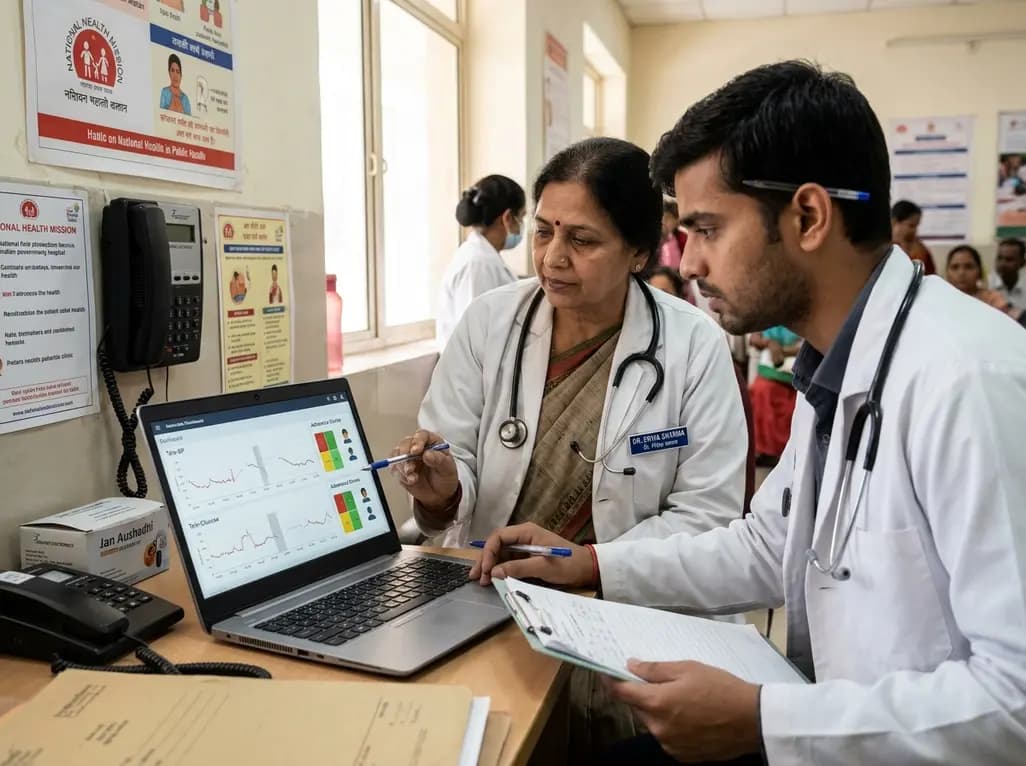
A novel adherence-driven sparsity framework demonstrates that missingness in patient-generated telemedicine data reflects human behavior rather than mere technical error, guiding safer clinical interpretations.
Today

A multicenter study evaluates an XGBoost machine learning model to predict miscarriage risk in PCOS after fresh embryo transfer. While discrimination was strong internally, cross-cohort calibration drift emphasizes its role as a risk-ranking tool rather than a standalone diagnostic instrument.
Today
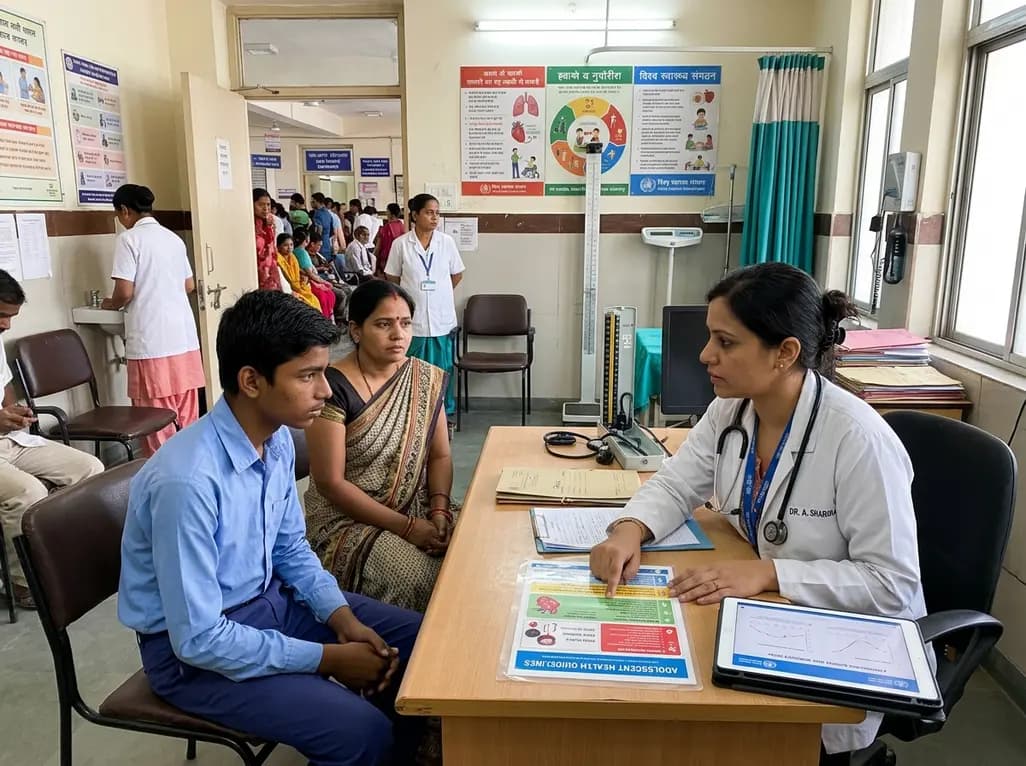
A major World Health Organization study reveals that one in four teenagers globally records zero active days per week. Discover the epidemiological data, cardiometabolic consequences of adolescent sedentary behavior, and practical guidance for clinicians to promote healthy lifestyle habits among youth.
Today

Engineered 3D piezoelectric PHBV scaffolds generate electrical charges during mechanical strain, mimicking native muscle electromechanics to promote cellular alignment, myogenic differentiation, and functional tissue repair in severe volumetric muscle loss.
Today
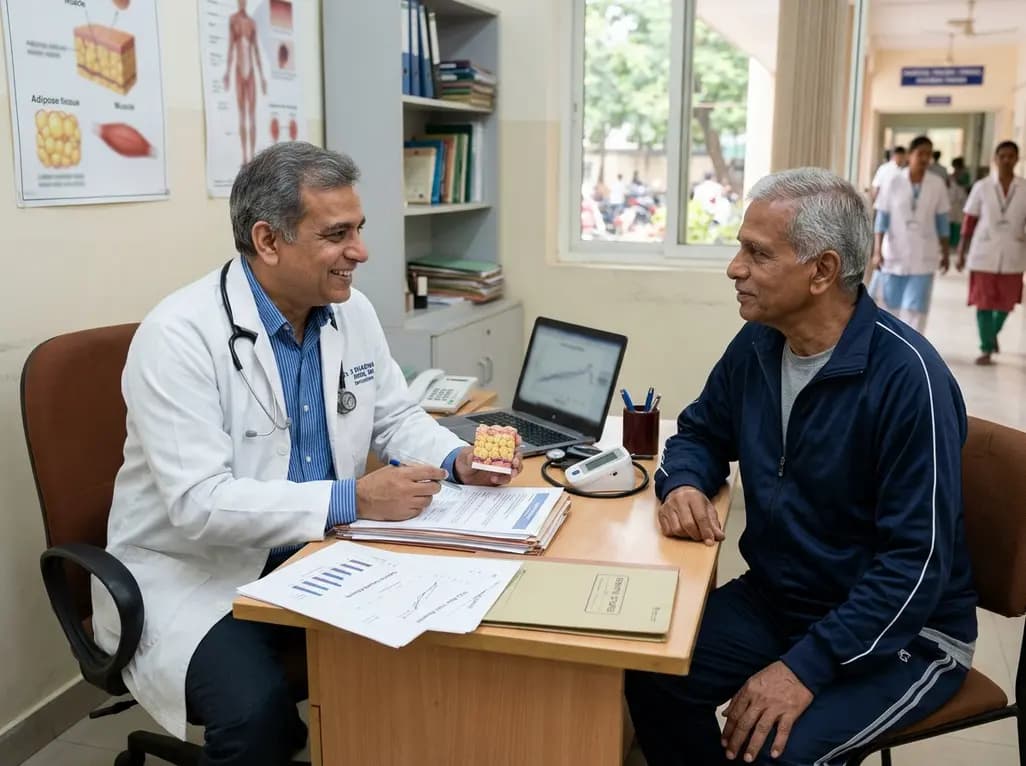
A study in aged rats reveals that caloric restriction broadly upregulates adipose macrophage genes, whereas concurrent endurance training buffers this response. Despite these tissue-level transcriptional changes, systemic glycemic and lipid markers remain unchanged, highlighting the complexity of geriatric metabolism.
Today
