

Loading, please wait...
Loading, please wait...
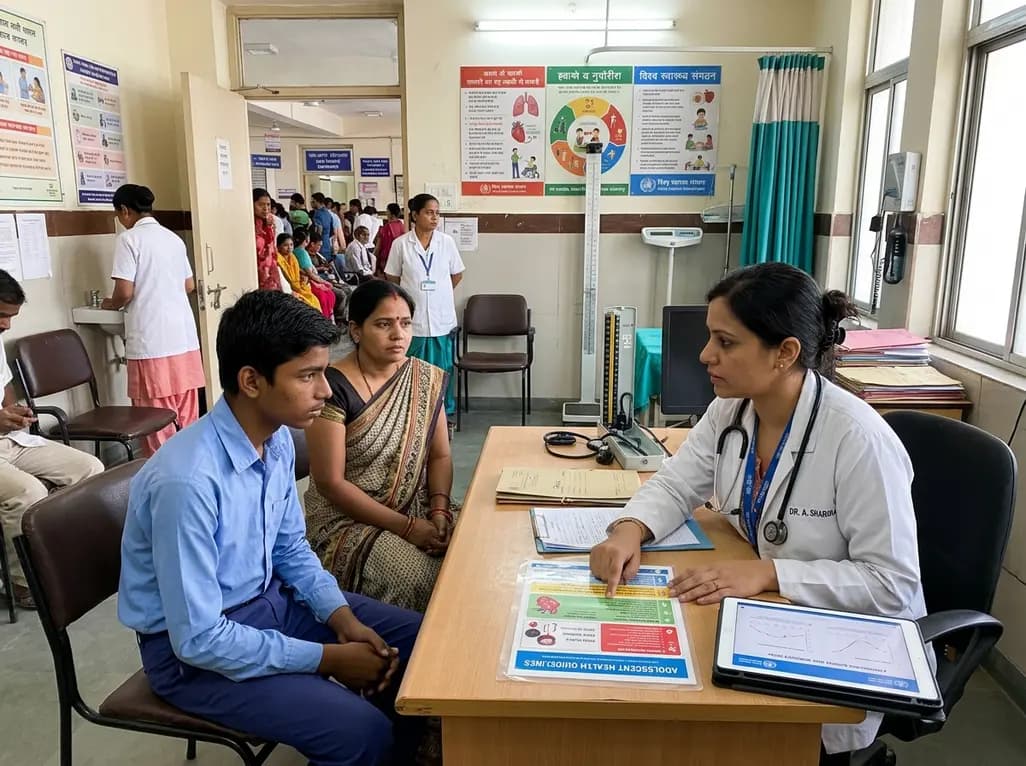
A landmark study published in The Lancet Global Health presents a stark warning about pediatric health. According to new estimates from the World Health Organization, adolescent physical activity has reached an alarming standstill worldwide. Approximately one in four young people aged 11 to 17 reports zero active days per week. Consequently, roughly 240 million teenagers do not achieve even an hour of exercise across an entire week. For clinicians, these sobering epidemiological findings demand immediate attention and clinical intervention.
The comprehensive report evaluated data from 389 population-based surveys conducted across 140 countries and territories. In total, the dataset encompassed more than 3.2 million adolescents. Researchers discovered that teenagers globally average only 2.7 active days per week. Furthermore, merely 14 percent of adolescents successfully achieve the recommended target of daily exercise. The World Health Organization defines an active day as at least 60 minutes of moderate-to-vigorous physical activity. Therefore, the vast majority of teenagers fail to meet basic health benchmarks.
Additionally, the analysis revealed severe geographic disparities among different countries. For example, over 40 percent of youths in nations like Namibia, Nepal, and the Philippines recorded zero active days. Conversely, more than 30 percent of adolescents in Bangladesh and Serbia attained regular daily exertion. However, the overarching global trajectory remains virtually flat over the past fifteen years. Despite widespread public health campaigns, adolescent exercise behaviors have not improved since 2010. Consequently, healthcare systems must brace for long-term chronic disease burdens among this generation.
Thus, public health agencies face an unprecedented implementation barrier. National initiatives often fail because sedentary behaviors have become entrenched across educational institutions and family routines. Without structural changes, adolescent inactivity rates will remain high for decades to come.
The new global report highlights a profound and stubborn gender disparity in teen fitness. Across nearly every surveyed territory, adolescent girls demonstrated significantly lower participation rates than boys. Specifically, 28 percent of girls reported zero active days during the preceding week. In contrast, 22 percent of boys fell into this entirely inactive category. Furthermore, only 11 percent of teenage girls engaged in daily physical exertion, compared to 17 percent of boys. Therefore, young women remain disproportionately excluded from the benefits of structured athletics and spontaneous play.
Moreover, sociocultural barriers significantly widen this divide in many communities. Traditional expectations frequently limit female access to sports facilities, safe transit, and outdoor recreational areas. In addition, adolescent girls often encounter social stigma when engaging in public athletic activities. Consequently, schools must actively design inclusive sports curricula that encourage young female athletes. Healthcare providers must also discuss exercise routines directly with adolescent girls during routine preventive wellness consultations. By identifying personal barriers early, clinicians can help young women develop lifelong habits of cardiovascular fitness.
Similarly, parental encouragement plays a critical role in closing this persistent gender divide. When families prioritize physical literacy for young girls, daily participation increases substantially. Therefore, gender-focused interventions remain essential for achieving global equity in pediatric fitness.
Prolonged physical inactivity during adolescence initiates early pathobiological changes that persist into adulthood. Habitual sedentary behavior accelerates arterial stiffness, insulin resistance, and visceral adiposity. Consequently, inactive youth face substantially elevated lifetime risks of hypertension, ischemic heart disease, and type 2 diabetes mellitus. In addition, lack of weight-bearing exercise impairs optimal bone mineral accretion during crucial pubertal growth windows. Therefore, inactive teenagers may enter adult life with compromised skeletal structural integrity and increased osteoporosis risk.
Furthermore, physical exercise exerts profound regulatory effects on mental and emotional resilience. Aerobic exertion stimulates neurogenesis, enhances mood regulation, and elevates cognitive performance among school-aged children. Conversely, persistent sedentary habits frequently correlate with higher rates of depressive symptoms and emotional distress. Moreover, adolescent lifestyle behaviors generally establish lifelong metabolic trajectories. An inactive teenager is highly likely to become a sedentary, metabolically compromised adult. Therefore, pediatricians must treat insufficient exercise as a significant cardiovascular risk factor comparable to dyslipidemia or obesity.
Indeed, early endothelial dysfunction can emerge long before overt cardiometabolic disease appears clinically. Regular physical activity preserves microvascular reactivity and prevents premature vascular aging. Thus, routine movement serves as an irreplaceable medicine for growing adolescents.
World Health Organization officials explicitly emphasize that adolescent inactivity does not stem from individual laziness. Instead, modern urban environments actively restrict opportunities for safe and accessible movement. Specifically, dense traffic and missing sidewalks prevent teenagers from walking or cycling to school safely. Furthermore, sprawling suburban development reduces accessible communal recreational parks and sports complexes. Consequently, active transport has declined precipitously across both developed and developing regions over recent decades.
In addition, digital entertainment options have rapidly transformed contemporary adolescent leisure time. Excessive recreational screen time directly displaces active physical games, competitive sports, and informal neighborhood play. Moreover, mounting academic competition encourages schools to eliminate physical education classes in favor of sedentary study. Therefore, teenagers spend excessive continuous hours sitting at desks or looking at electronic devices. To reverse these destructive trends, governments must invest in safe pedestrian infrastructure and active urban design. Similarly, educational policymakers must protect physical education periods as essential academic components rather than expendable extras.
Importantly, municipal leadership must coordinate with school boards to build connected, well-lit pedestrian corridors. When communities provide safe environments, adolescents naturally engage in outdoor physical recreation. Therefore, societal structural reform remains the ultimate solution to sedentary pediatric lifestyles.
Primary care physicians and pediatric specialists occupy a vital front-line position in addressing teen inactivity. During every clinical encounter, practitioners should assess physical activity levels as a routine pediatric vital sign. Specifically, doctors should query the total number of days adolescents achieve 60 minutes of moderate activity. In addition, clinicians must screen for excessive recreational screen time exceeding two hours daily. Through empathetic, nonjudgmental motivational interviewing, physicians can help families discover practical exercise solutions that fit their unique schedules.
Furthermore, medical providers should offer concrete exercise prescriptions rather than vague behavioral advice. For instance, doctors can recommend enjoyable activities such as brisk walking, swimming, cycling, or organized recreational sports. In addition, clinicians should urge adolescents to incorporate muscle-strengthening exercises at least three times per week. Importantly, practitioners must educate parents regarding the critical benefits of modeling active daily routines. When parents participate in regular physical recreation, their teenage children naturally adopt similar active habits. Consequently, clinician advocacy within clinical practices and broader communities can spark transformative lifestyle changes.
Moreover, doctors should collaborate with local community sports programs and schools to expand athletic opportunities. By connecting young patients directly with accessible athletic resources, clinicians turn medical advice into sustainable action. Thus, healthcare professionals serve as vital catalysts for community health reform.
Q1: What are the current World Health Organization physical activity guidelines for adolescents?
The World Health Organization recommends that adolescents aged 11 to 17 years accumulate at least 60 minutes of moderate-to-vigorous physical activity daily. This activity should primarily consist of aerobic exercise, such as running, cycling, or competitive sports. Furthermore, the guidelines advise young people to incorporate vigorous-intensity aerobic activities alongside resistance exercises that strengthen muscles and bones at least three days each week.
Q2: Why are adolescent girls globally less physically active than adolescent boys?
Adolescent girls face multifaceted barriers to physical exercise, including restrictive cultural norms, lack of safe athletic spaces, and limited access to sports facilities. Additionally, institutional sports programs often cater predominantly to boys, leaving girls with fewer appealing options. Furthermore, self-consciousness regarding body image and insufficient encouragement from schools or families can discourage adolescent girls from participating in strenuous physical activities.
Q3: How does persistent physical inactivity during adolescence impact long-term cardiometabolic health?
Chronic physical inactivity during adolescent years impairs endothelial function, promotes visceral fat accumulation, and induces early insulin resistance. Consequently, inactive adolescents face substantially higher risks of developing hypertension, type 2 diabetes, coronary artery disease, and certain malignancies in adulthood. Furthermore, sedentary behaviors hinder peak bone mass development, which significantly increases the risk of osteoporosis and structural bone fragility later in life.
Disclaimer: This content is for informational and educational purposes only. It does not constitute medical advice or replace professional judgment. Refer to the latest local and national guidelines for clinical practice.
References

Read summarized clinical updates, watch expert medical content, and earn CME certifications right from your smartphone.
Open your smartphone camera to scan and install.





A major World Health Organization study reveals that one in four teenagers globally records zero active days per week. Discover the epidemiological data, cardiometabolic consequences of adolescent sedentary behavior, and practical guidance for clinicians to promote healthy lifestyle habits among youth.
Today
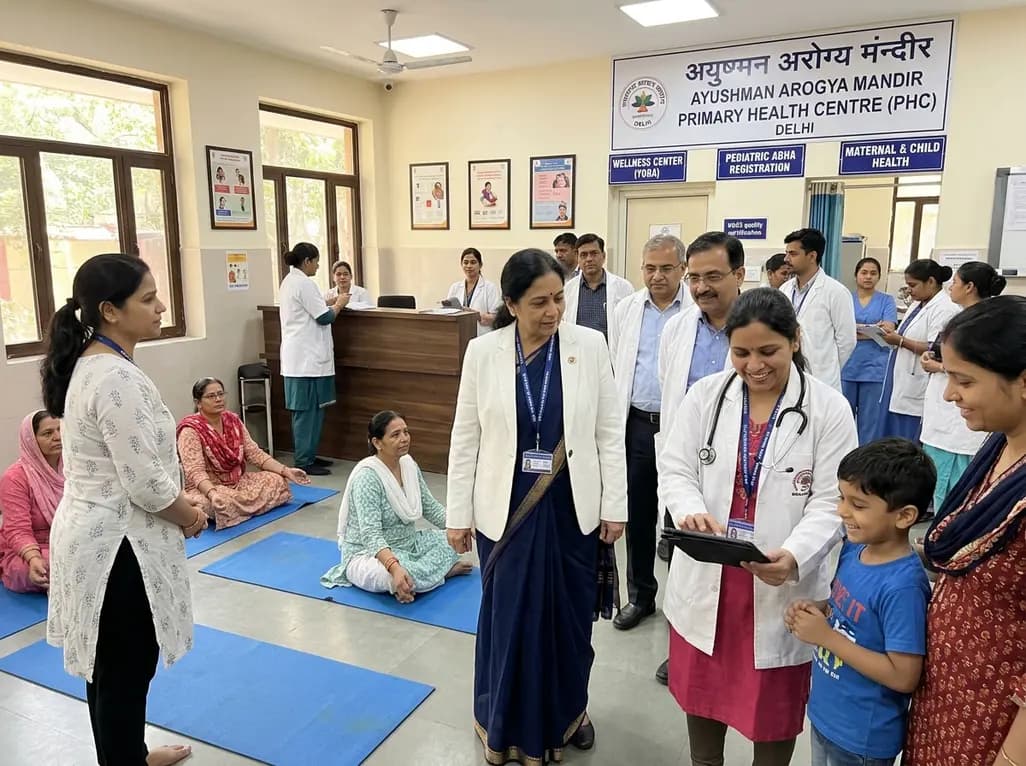
Union Health Secretary Punya Salila Srivastava recently inspected primary healthcare facilities in Delhi, mandating weekly yoga sessions, Baal ABHA digital IDs for pediatric cohorts, and NQAS quality certification for urban centers to strengthen preventive clinical workflows and early chronic disease management.
Today
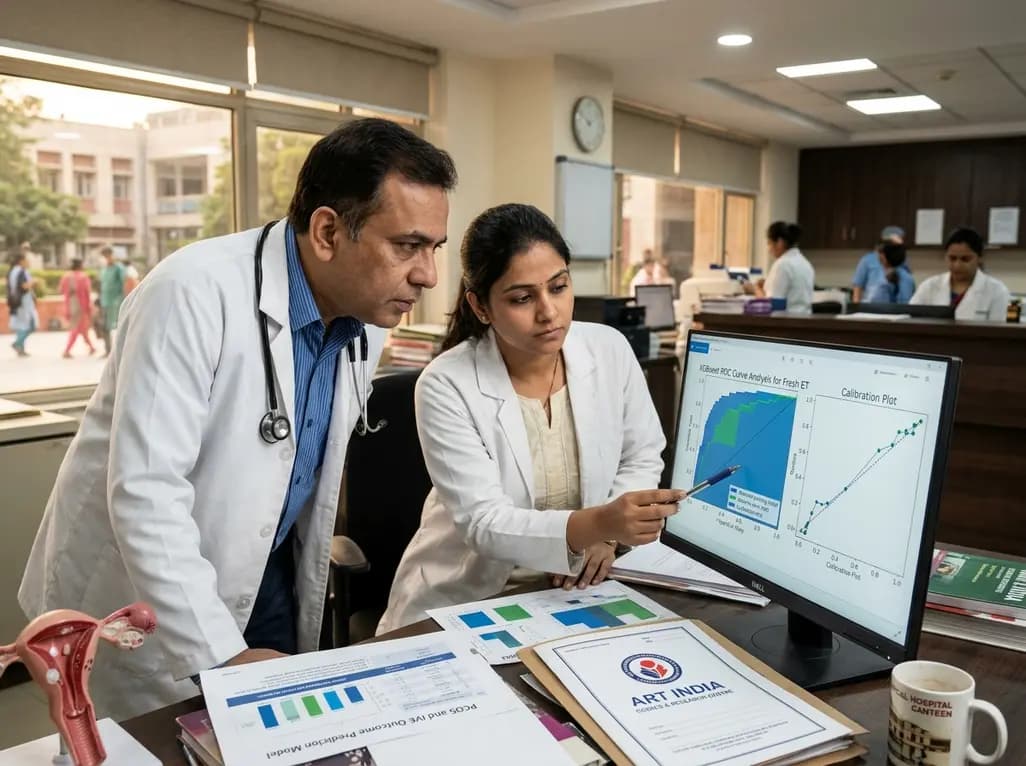
A multicenter study evaluates an XGBoost machine learning model to predict miscarriage risk in PCOS after fresh embryo transfer. While discrimination was strong internally, cross-cohort calibration drift emphasizes its role as a risk-ranking tool rather than a standalone diagnostic instrument.
Today

Engineered 3D piezoelectric PHBV scaffolds generate electrical charges during mechanical strain, mimicking native muscle electromechanics to promote cellular alignment, myogenic differentiation, and functional tissue repair in severe volumetric muscle loss.
Today
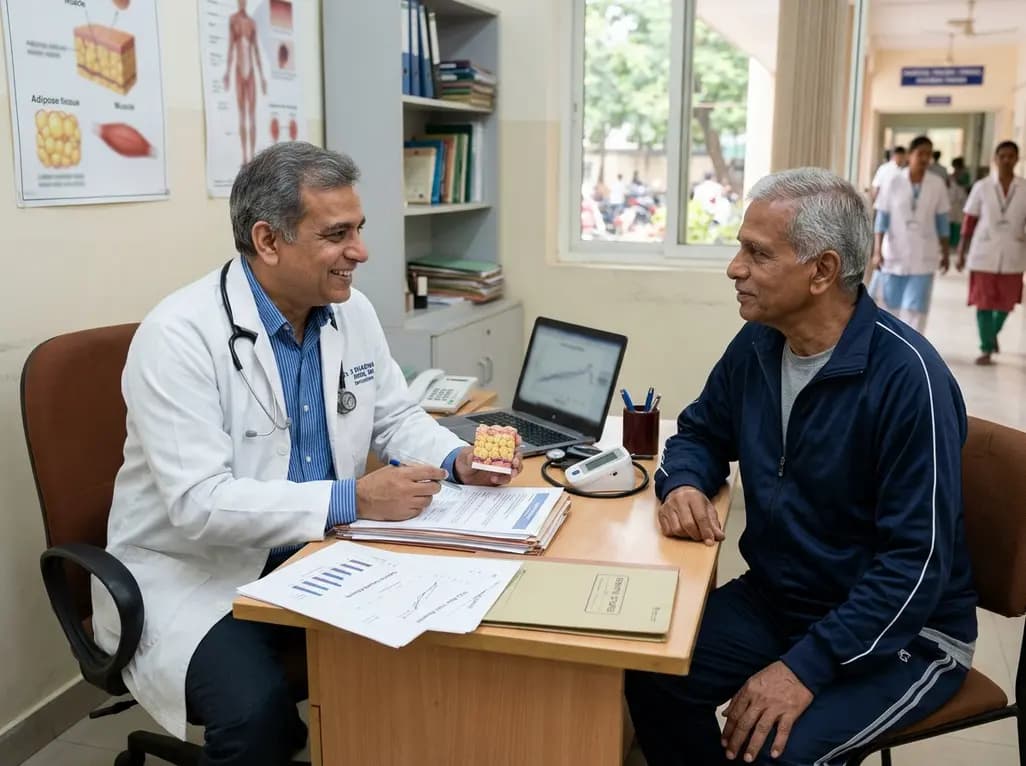
A study in aged rats reveals that caloric restriction broadly upregulates adipose macrophage genes, whereas concurrent endurance training buffers this response. Despite these tissue-level transcriptional changes, systemic glycemic and lipid markers remain unchanged, highlighting the complexity of geriatric metabolism.
Today
