.webp&w=384&q=75)

Loading, please wait...
Loading, please wait...
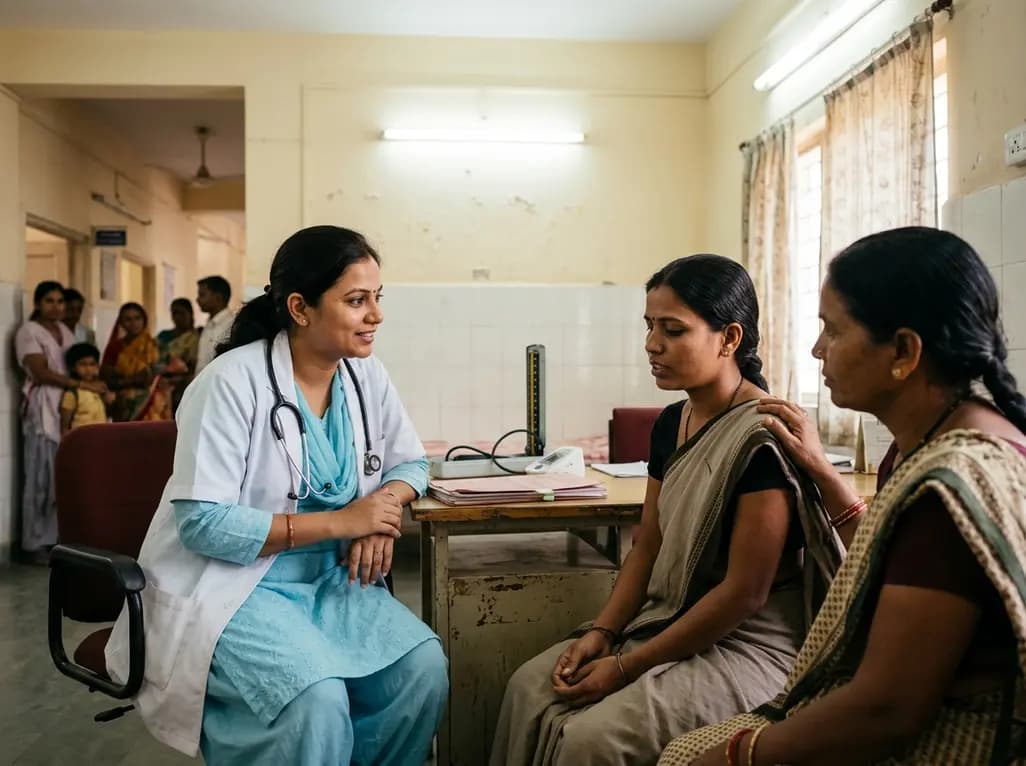
Understanding the multi-faceted pathways to successful domestic violence recovery is essential for healthcare providers. In fact, a woman's social group memberships can significantly influence her psychological and physiological healing. Recent research suggests that the type of identity a survivor holds—specifically whether it is family-based or community-based—plays a decisive role in their clinical trajectory.
Researchers conducted a study in Ireland involving 64 women accessing support services. They examined how the number and subjective importance of different identities predicted health outcomes. Interestingly, simply having many group memberships did not guarantee better health. Instead, the quality and type of these connections were critical. For instance, women who strongly identified with their family units often experienced higher symptoms of complex posttraumatic stress. Consequently, family environments may sometimes perpetuate trauma or present ongoing emotional challenges for survivors.
Conversely, community identities appeared to be a powerful protective factor. Women who participated in broader community groups reported lower stress levels and greater posttraumatic growth. Furthermore, these community connections were associated with higher levels of salivary secretory immunoglobulin A. This specific biomarker indicates a more robust mucosal immune system. Therefore, fostering safe and valued community roles should be a priority in clinical interventions to support comprehensive domestic violence recovery.
Community involvement provides a sense of belonging and agency outside the trauma-affected family unit. It helps survivors rebuild their identity in safe environments, which leads to better mental health and a stronger immune response.
While family can be supportive, strong family identification sometimes exacerbates distress if the family unit is linked to the trauma or lacks safety. In such cases, the identity serves as a constant reminder of the posttraumatic stress.
The immune system, specifically biomarkers like secretory IgA, reflects the body's physiological stress levels. Higher levels of this biomarker indicate that the person is physically recovering better from the chronic stress of trauma.
Disclaimer: This content is for informational and educational purposes only and does not constitute medical advice. Refer to the latest local and national guidelines for clinical practice.
References
Lebedová A et al. Family and community identities differentially predict psychological and immune recovery in women survivors of domestic violence. Psychol Trauma. 2026 Jun 08. doi: 10.1037/tra0002201. PMID: 42258285.
Haslam SA, et al. Social Identity, Health and Well-Being: An Emerging Agenda for Applied Psychology. Applied Psychology: An International Review. 2009;58(1):1–23. doi:10.1111/j.1464-0597.2008.00379.x.
World Health Organization. Responding to intimate partner violence and sexual violence against women: WHO clinical and policy guidelines. Geneva: WHO; 2013.

Read summarized clinical updates, watch expert medical content, and earn CME certifications right from your smartphone.
Open your smartphone camera to scan and install.





A new study highlights that community identities, unlike family identities, predict better psychological and immune recovery in domestic violence survivors....
4 months ago
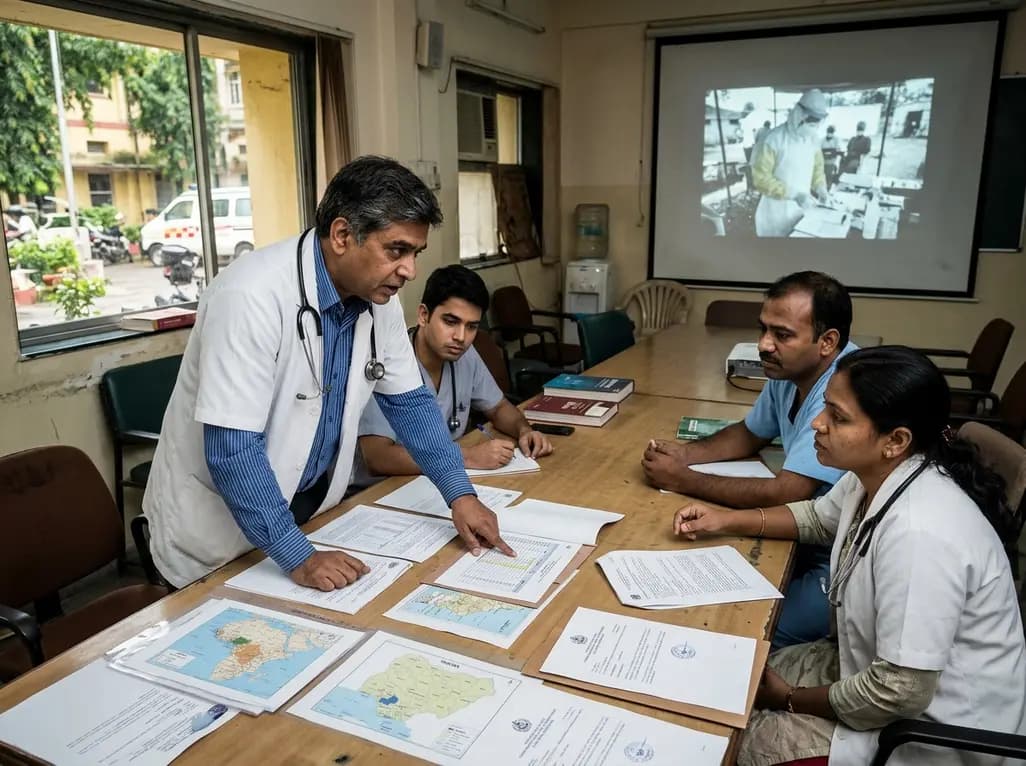
Following Nigeria's first recorded Ebola case linked to regional travel, the Africa CDC has convened an emergency ministerial summit. This alert underscores critical clinical priorities for healthcare professionals, including differentiating early viral infection from malaria, implementing barrier nursing, and triage.
Today

Leucine Rich Bio has introduced South Asia's first comprehensive vaginal microbiome test, BugSpeaks. By profiling microbial dysbiosis, pathogens, and antimicrobial resistance, this next-generation diagnostic platform provides clinicians with deeper insights into recurrent infections, fertility, and reproductive health.
Today

Review how tailored exercise programs benefit frail older patients with heart failure. Explore pathophysiological mechanisms, individualized training prescriptions, and strategies to overcome adherence barriers in clinical practice.
Today

This comparative study evaluates posterior labral tears with and without glenohumeral instability, highlighting distinct demographic patterns, MRI underestimation in stable shoulders, and successful arthroscopic repair outcomes.
Today

A clinical study demonstrates that early intervention with tocilizumab, either as monotherapy or bridged with corticosteroids, achieves significant proptosis reduction and resolves active inflammation in treatment-naive thyroid eye disease.
Today
