.webp&w=384&q=75)

Loading, please wait...
Loading, please wait...

Integrating snowballing in dental education helps students transition from rote memorization to active diagnostic reasoning. A recent study by Boaro L et al. highlights the efficacy of this modified approach in the field of Oral Pathology. This methodology addresses the complexity of clinical diagnosis by fostering peer-to-peer knowledge sharing. Consequently, students develop the critical thinking skills necessary for both clinical practice and high-stakes board examinations.
Traditionally, many dental schools rely on teacher-centered lectures. However, the modern dental curriculum in India now emphasizes interactive teaching sessions. Researchers conducted a study to evaluate how a layered, collaborative approach impacts student performance. The results suggest that collaborative learning environments drastically outperform individual study sessions when tackling complex clinical scenarios.
The modified snowballing technique involves a structured three-step process. First, students individually tackle a multiple-answer quiz that mirrors dental board exams. This initial phase forces learners to identify their own knowledge gaps. Next, students form small groups to retake the same quiz together. During this phase, they discuss answers and must reach a consensus. Therefore, they reinforce their understanding by explaining concepts to their peers. Finally, the course coordinator leads a class-wide discussion to resolve any remaining ambiguities and consolidate learning.
The impact of this method on student performance is statistically significant. In the study, the class average on individual quizzes was only 51.7%. However, scores improved to 80.6% after the group collaboration phase. Notably, every student in the study showed an improvement of up to 61.6% in their results. This massive jump indicates that teamwork significantly clarifies diagnostic reasoning. Furthermore, it builds student confidence for competitive exams like the NEET MDS.
Beyond score improvements, snowballing in dental education fosters essential skills for interprofessional collaboration. Future practitioners must manage complex oral health cases within integrated healthcare settings. By practicing consensus-building early in their training, students become better equipped for real-world clinical decision-making. Moreover, this approach prepares them for the diverse clinical scenarios they will encounter in their professional lives.
Unlike traditional quizzes that focus on individual performance, the snowballing method uses a layered approach. It combines individual assessment with group consensus and class discussion, which allows students to learn from peer insights and correct misconceptions in real-time.
Yes, the study specifically used quizzes that mirrored the format of dental board exams. The collaborative discussion phase helps students understand the logic behind correct answers, which is crucial for tackling the clinical scenarios often found in competitive exams.
While this study focused on Oral Pathology, the snowballing technique is highly adaptable. It can be used in any subject requiring diagnostic reasoning or clinical decision-making, such as Periodontology or Endodontics.
Disclaimer: This content is for informational and educational purposes only. It is not intended as medical advice or a substitute for professional clinical training. Refer to the latest local and national guidelines for clinical practice.
References

Read summarized clinical updates, watch expert medical content, and earn CME certifications right from your smartphone.
Open your smartphone camera to scan and install.





A modified snowballing method in dental education significantly improved Oral Pathology quiz scores from 51.7% to 80.6%, enhancing diagnostic reasoning....
8 months ago
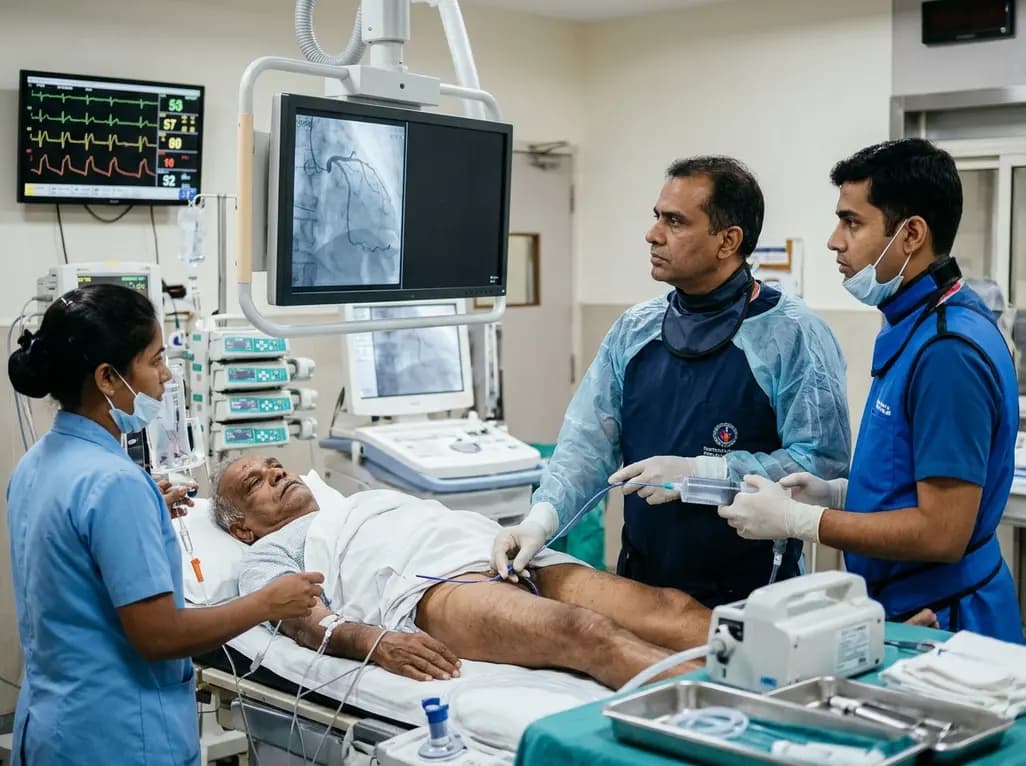
An elderly man with partially repaired Tetralogy of Fallot presented with STEMI caused by coronary embolism rather than atherosclerosis. Successful treatment with sustained mechanical aspiration thrombectomy underscores the vital need for high clinical vigilance in adult congenital heart disease.
Today
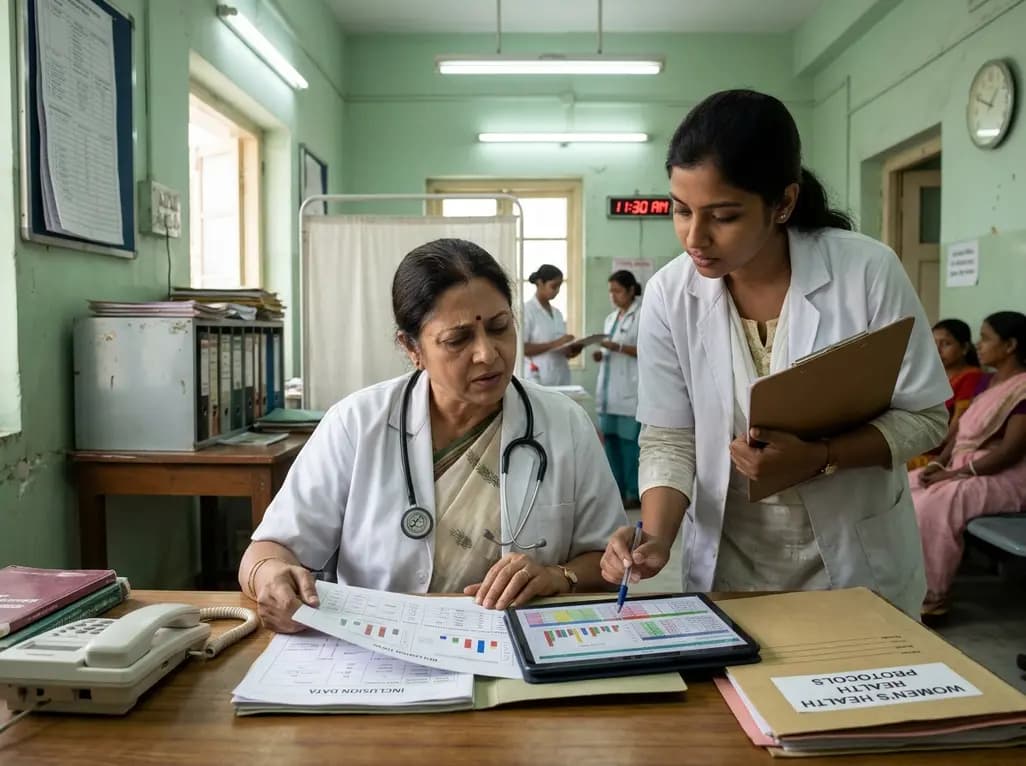
Demanding exhaustive hormonal profiling can inadvertently discourage clinical studies involving females. Methodological standards must align with the specific scientific question to expand, not restrict, equitable evidence for women.
Today
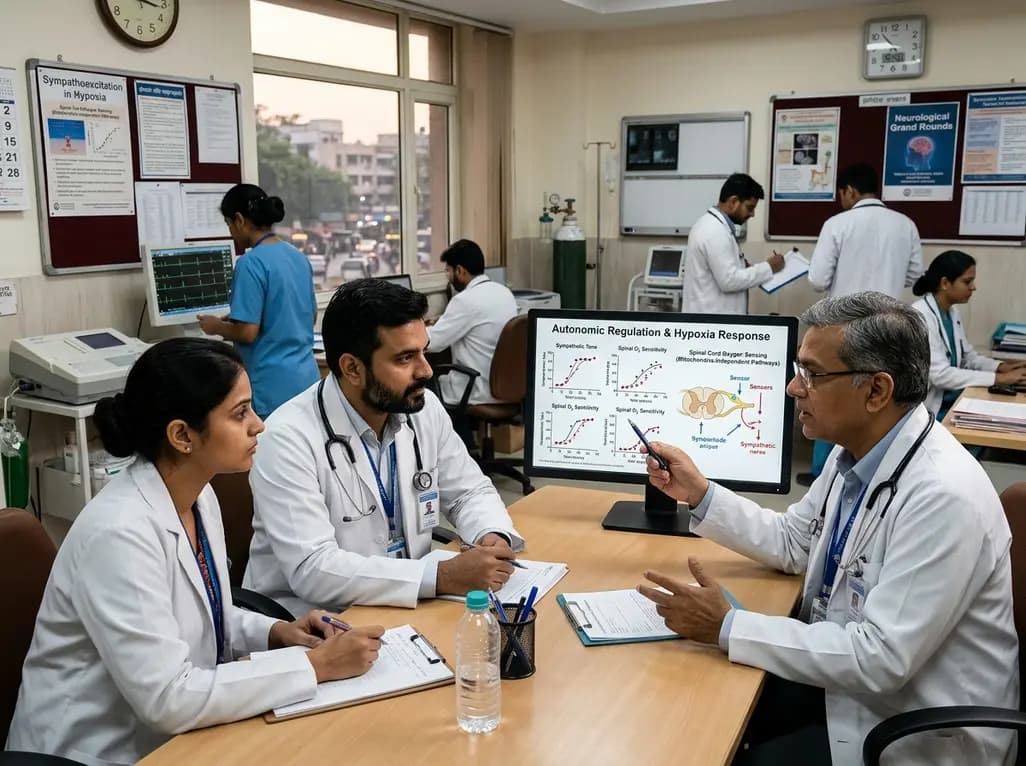
A recent study demonstrates that spinal oxygen sensors do not require mitochondrial electron transport to trigger sympathetic excitation during acute hypoxia, revealing new insights into how mitochondrial oxidative stress modulates autonomic tone in cardiovascular and neurological diseases.
Today

A comparative review of tension band wiring and intramedullary screw fixation in thumb metacarpophalangeal arthrodesis, evaluating union rates, hardware complications, and clinical outcomes.
Today

Following regulatory scrutiny from FSSAI regarding promotional representations and lean muscle preservation claims, Dr. Reddy's Laboratories and Nestlé Health Science are currently reviewing the branding and marketing strategy for their joint nutritional supplement Celevida GLP+.
Today
