.webp&w=384&q=75)

Loading, please wait...
Loading, please wait...
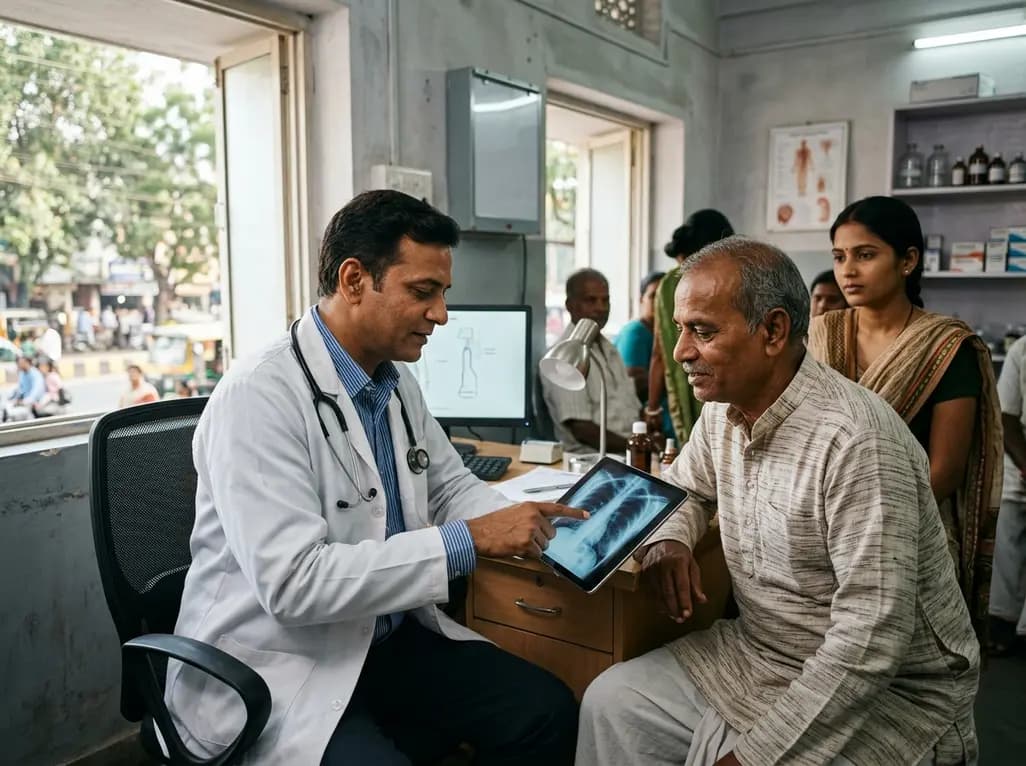
Recently, Maharashtra took a major step toward resolving rural public health crises. Specifically, the state government decided to establish a snakebite notified disease framework to mandate reporting. Public Health Minister Prakash Abitkar announced this proposal in the state assembly. Consequently, this policy will enable health administrators to track envenomation cases with precision. This development is crucial because snakebites cause severe morbidity in agricultural zones.
By declaring snakebite a notified disease, the state government ensures that every single clinical case is systematically recorded. Currently, many snakebite incidents in remote tribal areas go entirely unreported because victims rely on traditional healers. Therefore, mandating clinical notification will compel both public and private hospitals to upload real-time patient data. This centralized data collection is extremely valuable. Subsequently, it allows epidemiological experts to map high-risk areas and allocate medical resources effectively. Furthermore, the policy aligns with national efforts to reduce snakebite-induced mortality by half by the year 2030. Indeed, other states like Kerala and Karnataka have already implemented similar reporting frameworks to combat this neglected tropical disease. Consequently, Maharashtra's decision represents a crucial milestone in national public health coordination. Local clinicians will receive structured support to report cases directly to the Integrated Disease Surveillance Programme. Moreover, having a reliable registry will facilitate scientific research into regional bite patterns and morbidity rates. Additionally, this systematic tracking will allow policymakers to evaluate the long-term impact of clinical interventions. Ultimately, this surveillance will expose the true burden of envenomation. This shift will help authorities distribute anti-venom to the most vulnerable regions before the monsoon seasons begin.
In emergency medicine, the first few hours following a venomous bite are designated as the golden hours. During this critical window, immediate clinical intervention can easily neutralize circulating toxins and prevent irreversible organ damage. However, patients in rural settings often delay seeking professional care due to fear or local myths. Consequently, many patients reach the hospital too late, resulting in severe systemic envenomation and mortality. To prevent these outcomes, the state is launching wide-scale campaigns to educate communities about rapid emergency transit. Additionally, medical facilities are upgrading their emergency response systems to handle sudden influxes of patients. For instance, primary health centres are training their staff to initiate immediate resuscitation and stabilization protocols. Subsequently, trained paramedics will ensure that patients receive appropriate supportive care during transport to tertiary hospitals. This coordinated effort aims to eliminate clinical hesitancy among rural doctors when administering life-saving treatments. Therefore, establishing a streamlined transport network is just as vital as stockpiling effective medicines in local clinics. Moreover, having well-equipped ambulances on standby will significantly reduce transit times in hilly terrains.
Currently, the public health department has secured a sufficient stock of anti-snake venom across all rural districts. To improve diagnostic speed, the government is introducing specialized anti-snake venom kits in primary health centres. Specifically, these diagnostic kits will help clinicians rapidly determine whether a bite is venomous or non-venomous. This rapid assessment is incredibly valuable because it prevents the unnecessary administration of scarce anti-venom vials. As a result, healthcare workers can target treatments to patients who actually require therapeutic intervention. Furthermore, the government is focusing on comprehensive training modules for doctors and nursing staff. If any procedural errors are discovered, administrative systems will rectify them immediately. Thus, continuous training ensures that rural medical practitioners can safely administer antivenom without fearing adverse reactions. In addition, mandatory public displays of antivenom availability at healthcare centers will build community trust in local medicine. Consequently, families will feel more confident choosing government hospitals over traditional alternative healers. Moreover, having pre-positioned stocks at the gram panchayat level will protect citizens during heavy monsoonal floods. Ultimately, these collective clinical resources will drastically improve survival rates in remote farming villages.
During recent legislative debates, experts highlighted a significant challenge regarding the geographic variation of snake venom. Currently, India relies heavily on polyvalent anti-venom manufactured using venom collected primarily from a single region in Chennai. However, studies show that venom composition within the same species varies drastically across different geographical locations. For example, a cobra found in Chennai possesses venom that differs chemically from a cobra found in Maharashtra. Therefore, using a generalized polyvalent vaccine might not yield optimal clinical efficacy in all patients. To address this therapeutic gap, legislators are proposing the creation of regional snake venom collection banks. Specifically, these banks will collect venom from local species to manufacture customized monovalent and polyvalent vaccines. Subsequently, these regional antivenoms will neutralize local toxins with far greater precision and efficiency. Although this project requires intense multisectoral coordination, the benefits for rural patient outcomes are immense. Consequently, the public health ministry is actively collaborating with pharmaceutical companies and forest departments to initiate this scientific research. Indeed, establishing regional banks will represent a major milestone in Indian clinical toxicology and emergency care. Ultimately, localized venom research will lead to safer, more potent treatments for our rural communities.
To truly mitigate snakebite mortality, public health initiatives must extend far beyond clinical settings. Therefore, the government is mandating widespread awareness campaigns that reach down to the local gram panchayat level. These local educational programs will focus on simple, practical measures to prevent bites during farming activities. For instance, farmers will be encouraged to wear protective boots and use torches while walking at night. Additionally, maintaining clean surroundings and removing agricultural debris will discourage snakes from nesting near residential households. Furthermore, local schools and community leaders will participate in distributing educational materials written in local languages. This grassroots communication is extremely vital because fear often drives patients to make dangerous treatment decisions. Currently, panic and the use of tight tourniquets frequently worsen tissue damage before patients reach a hospital. Subsequently, clear public notices detailing the location of nearest anti-venom centers will be prominently displayed. As a result, community members will know exactly where to go when an emergency strikes, ensuring timely intervention. Indeed, building local trust will bridge the gap between traditional beliefs and modern clinical medicine.
Q1: Why is declaring snakebite a notified disease so important for public health in Maharashtra?
Currently, declaring snakebite a notified disease forces all medical practitioners to report every clinical case to state authorities. Consequently, this mandatory reporting provides accurate epidemiological data. Therefore, the public health department can strategically distribute anti-snake venom and locate high-risk areas. Ultimately, this critical transparency ensures that resources are allocated where they are needed most, reducing preventable rural patient deaths permanently.
Q2: What are the primary diagnostic benefits of the newly introduced anti-snake venom kits?
The newly introduced anti-snake venom kits allow healthcare providers to quickly identify whether a bite is poisonous. Specifically, this rapid diagnostic tool helps clinicians determine the correct treatment pathway within minutes of patient arrival. As a result, rural hospitals can avoid administering expensive antivenom unnecessarily. This targeted approach conserves critical medical resources while ensuring that severely affected patients receive prompt care.
Q3: How does geographic variation in snake venom affect treatment efficacy across different states?
Currently, India relies on polyvalent anti-venom derived from snakes captured in a single region in Tamil Nadu. However, venom composition within the same species can vary significantly across different geographies. Consequently, standard polyvalent antivenom may exhibit reduced efficacy against local snake populations in Maharashtra. Therefore, researchers are proposing regional venom banks to collect local venom and develop more precise, monovalent treatments.
Disclaimer: This content is for informational and educational purposes only. It does not constitute medical advice or replace professional judgment. Refer to the latest local and national guidelines for clinical practice.
References

Read summarized clinical updates, watch expert medical content, and earn CME certifications right from your smartphone.
Open your smartphone camera to scan and install.





Maharashtra will mandate snakebite reporting across all hospitals. This regulatory update aims to enhance emergency preparedness, optimize anti-venom distribution, and encourage localized venom research to dramatically reduce preventable rural deaths during seasonal monsoons.
3 months ago
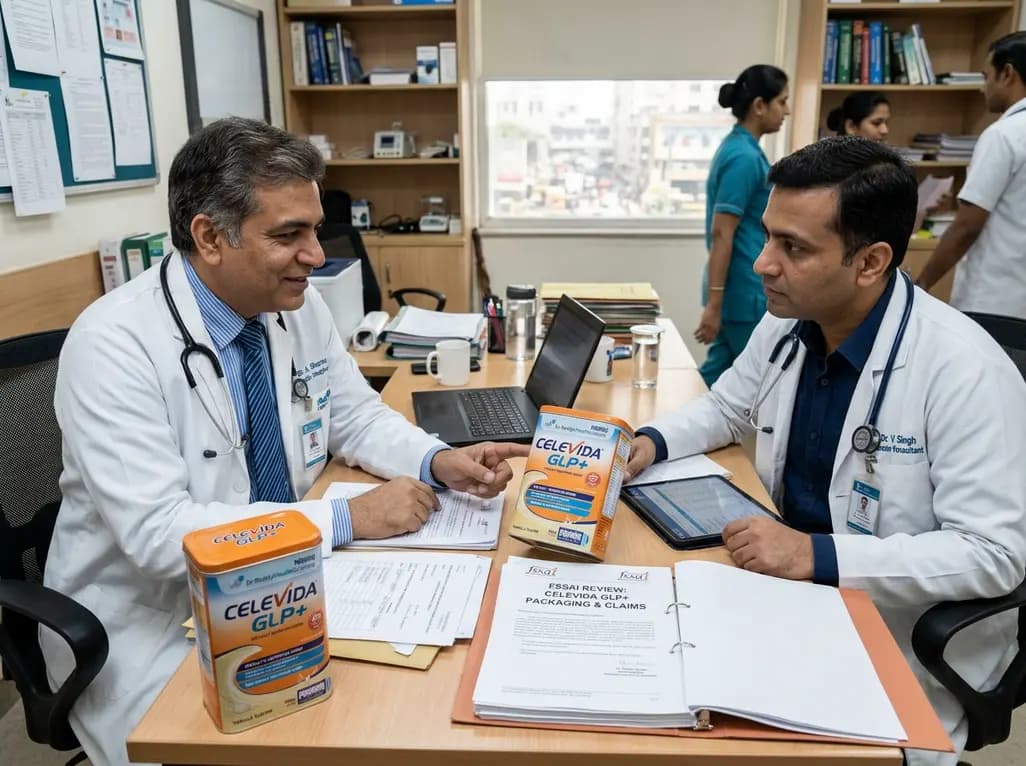
Following regulatory scrutiny from FSSAI regarding promotional representations and lean muscle preservation claims, Dr. Reddy's Laboratories and Nestlé Health Science are currently reviewing the branding and marketing strategy for their joint nutritional supplement Celevida GLP+.
Today
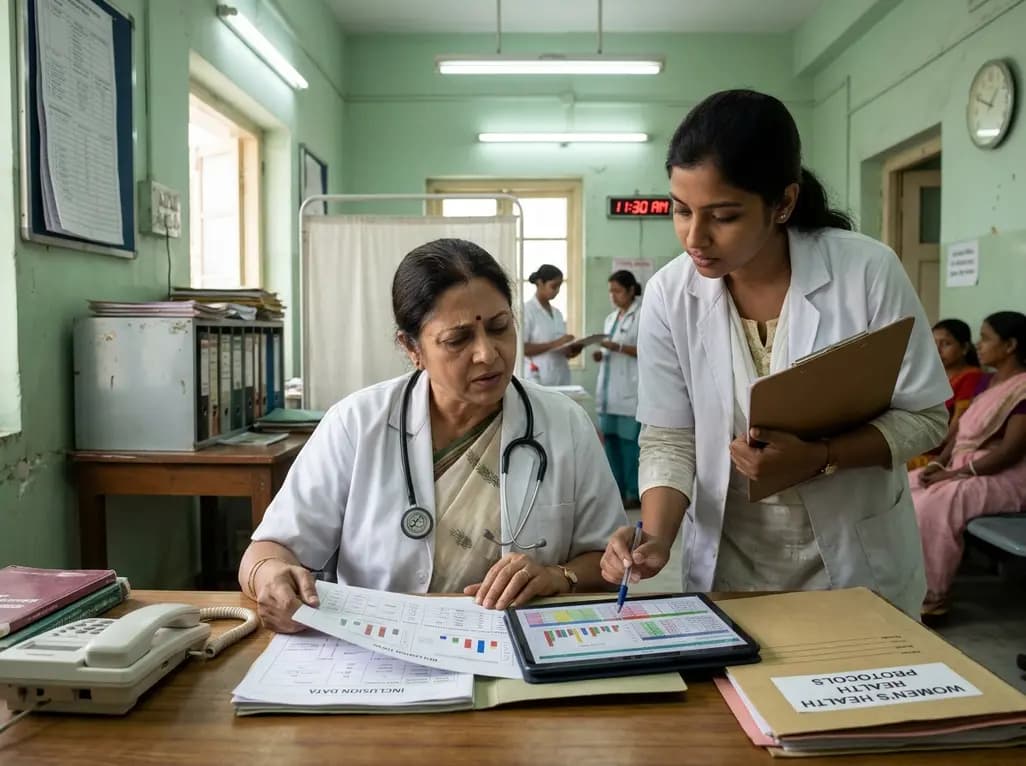
Demanding exhaustive hormonal profiling can inadvertently discourage clinical studies involving females. Methodological standards must align with the specific scientific question to expand, not restrict, equitable evidence for women.
Today

The Directorate General of Health Services directs Indian states to halt the hazardous reuse and reprocessing of single-use medical devices. Discover regulatory implications under the Drugs and Cosmetics Act, critical infection risks, legal liabilities, and operational changes required across clinical specialties.
Today
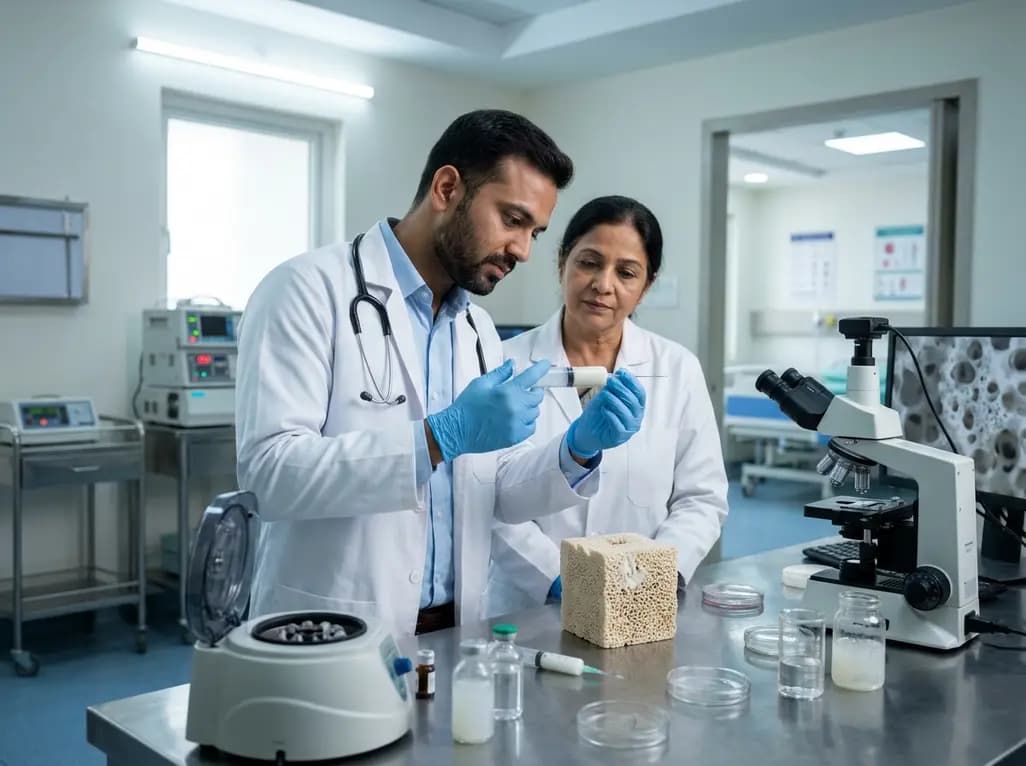
A novel calcium polyphosphate coacervate enables injectable bone implants with in situ hierarchical porosity via phase separation and gas foaming, significantly enhancing cell proliferation, energy metabolism, and osteogenic differentiation for minimally invasive bone defect repair.
Today

India is advancing preventive healthcare by integrating genomics, artificial intelligence, and quantum technologies. With the SANGAM programme sequencing one million Indian genomes, clinicians can unlock personalized therapies, detect cardiometabolic risks early, and curb the burden of diabetes and heart disease.
Today
