

Loading, please wait...
Loading, please wait...

Mental health conditions among youth represent an escalating global crisis. Adolescents residing in rural communities face disproportionate hardships due to severe provider shortages, systemic isolation, and persistent social stigma. While conventional pharmacotherapy and psychotherapy remain standard care, their clinical benefits often remain modest and difficult to access. Consequently, clinicians are investigating scalable non-pharmacological interventions. Recent neurobiological research demonstrates that slow deep breathing can directly modulate autonomic function, enhance cerebral hemodynamics, and mitigate psychological distress in vulnerable adolescents.
Depression and anxiety disorders currently stand as leading contributors to global youth disability. Over the past decade, clinical diagnoses of pediatric psychiatric distress have risen steeply across diverse socioeconomic settings. However, adolescents residing in rural landscapes shoulder an exceptionally severe burden. These young individuals frequently inhabit regions characterized by stark mental health resource deserts, where child psychiatrists and licensed therapists are virtually nonexistent. Furthermore, deeply entrenched social stigma around seeking psychiatric support often prevents families from discussing emotional struggles openly.
Consequently, rural youth typically endure prolonged symptom durations before receiving clinical evaluation. By the time symptoms surface in primary care consultations, anxiety and depressive states have frequently worsened. Standard pharmacotherapy regimens offer important relief for some patients, yet they carry notable risks of side effects, compliance challenges, and suboptimal response rates. Psychotherapy modalities, such as cognitive behavioral therapy, require consistent specialist attendance, which remains logistically inaccessible for rural households facing transport constraints. Therefore, developing accessible, home-based, and evidence-driven therapeutic strategies has emerged as an urgent priority for modern healthcare systems and frontline physicians.
To understand how breathing alters affective states, clinicians must examine the bidirectional communication between the respiratory system and the central nervous system. Engaging in slow deep breathing directly stimulates pulmonary stretch receptors and activates the vagus nerve. As a result, this practice enhances parasympathetic tone while actively dampening sympathetic hyperarousal. This shift elevates cardiac vagal activity and optimizes heart rate variability, which reliably indicates resilient autonomic function.
Moreover, rhythmic breathing at approximately six breaths per minute synchronizes baroreflex activity with central neural oscillations. Modern neuroimaging investigations indicate that controlled respiration significantly influences blood oxygenation and vascular dynamics across the prefrontal cortex. Specifically, this prefrontal activation restores top-down inhibitory control over hyperactive limbic structures, including the amygdala. In addition, slow breathing modifies brain wave patterns by elevating frontal alpha power, which correlates with sustained calm and reduced emotional reactivity. Because adolescents experience ongoing neurodevelopmental maturation in prefrontal circuits, structured respiratory practices offer a uniquely potent regulatory mechanism. By modulating autonomic inputs, slow breathing reorganizes neural circuits governing threat appraisal, thereby alleviating tension and cognitive rumination.
Addressing this therapeutic gap, investigators initiated a pioneering clinical protocol evaluating a digitally supported breathing intervention for rural youth. Specifically, this single-arm feasibility trial recruits approximately forty adolescent patients from rural communities across northwestern Wisconsin and southeastern Minnesota through the Mayo Clinic Health System. Eligible participants present with mild-to-moderate anxiety and depressive symptoms, reflecting real-world clinical presentations encountered in primary care clinics.
Throughout a four-month intervention period, participants engage in a structured breathing regimen delivered entirely via a mobile health application. The digital platform provides guided instructional modules and automated practice tracking to sustain adherence within home environments. Crucially, the protocol pairs digital self-care with rigorous in-person physiological monitoring. Participants attend comprehensive assessments at baseline and month four, where researchers collect functional near-infrared spectroscopy (fNIRS) measurements to evaluate prefrontal cortical hemodynamics. Furthermore, a nested subsample of ten participants undergoes magnetic resonance imaging (MRI) to capture structural and functional neuroconnectivity. By examining participant retention, daily platform engagement, and physiological data collection feasibility, this pilot study establishes the framework necessary for powering future multi-center randomized controlled trials.
Historically, clinical trials evaluating pediatric mind-body interventions relied almost exclusively on subjective, self-reported questionnaires. Although patient-reported outcomes offer essential insights into symptom severity, they remain prone to recall bias and expectation effects. Therefore, integrating objective functional near-infrared spectroscopy represents a transformative methodological milestone in pediatric psychiatric research.
Optical topography via fNIRS utilizes non-invasive light absorption to monitor localized changes in oxyhemoglobin and deoxyhemoglobin within the prefrontal cortex. Because fNIRS caps are lightweight and relatively tolerant of head motion, they are exceptionally suited for evaluating pediatric cohorts. During respiratory protocols, fNIRS reliably captures hemodynamic shifts that correspond to prefrontal executive activation and emotional self-regulation. Simultaneously, structural and functional magnetic resonance imaging provides granular anatomical validation, revealing whether prolonged respiratory training remodels frontolimbic connectivity. Combining these objective imaging modalities with validated psychiatric rating scales bridges the longstanding gap between subjective emotional recovery and quantifiable neurobiology. Ultimately, documenting clear physiological adaptations validates respiratory training as an empirical neurobiological treatment rather than a mere lifestyle recommendation.
For general practitioners, pediatricians, and family physicians practicing in rural India and underserved regions globally, digital delivery of breathing practices carries profound clinical implications. Severe workforce shortages in mental healthcare often compel primary care doctors to manage adolescent psychological disorders without adequate psychiatric backup. In such resource-constrained settings, digital therapeutics offer an unprecedented avenue for extending evidence-based mental health support into patients' daily living environments.
Smartphone penetration has expanded dramatically across rural communities, creating a reliable bridge for guided clinical interventions. When physicians recommend validated, app-guided breathing protocols, they empower young patients with accessible self-regulation tools that bypass geographical barriers. Moreover, slow-paced respiratory exercises carry minimal economic burden and zero pharmacological adverse effects. In the Indian clinical context, deep breathing aligns seamlessly with culturally accepted yogic traditions, particularly pranayama, thereby substantially reducing social stigma and family hesitation. Consequently, adolescent patients are significantly more likely to engage with and adhere to a digital breathing regimen compared to stigmatized pharmacological prescriptions. By integrating app-monitored breathing exercises into routine primary care consultations, clinicians can deliver immediate, empowering, and scalable adjunctive therapies.
As data collection for this feasibility trial nears completion in late 2026, medical educators and clinical researchers must prepare for the next developmental phase. Establishing robust feasibility, app usability, and high participant retention will pave the way for definitive, randomized controlled trials. These upcoming trials must directly evaluate whether digital respiratory interventions produce clinically meaningful reductions in validated depression and anxiety scores over extended follow-up periods.
Furthermore, future investigations should evaluate the optimal dosage, breath ratios, and session frequencies required to induce durable neuroplastic changes in adolescent brains. Clinicians should also explore combining breathing therapeutics with digital cognitive behavioral therapy to assess potential synergistic benefits. Meanwhile, healthcare policymakers and medical societies ought to establish formal clinical frameworks that guide primary care practitioners in prescribing validated digital mind-body applications. When clinicians integrate objective physiological metrics, accessible smartphone technology, and patient-centered breathing practices, they build a resilient model for adolescent psychiatric care. Consequently, even isolated youth can gain access to scientific, empowering, and transformative mental healthcare.
Slow deep breathing stimulates pulmonary stretch receptors and activates the vagus nerve, which substantially enhances parasympathetic tone. Consequently, this physiological shift dampens sympathetic nervous system overactivity and slows the resting heart rate. Concurrently, it improves heart rate variability and enhances baroreflex sensitivity. For adolescents experiencing acute anxiety, these autonomic adjustments effectively counteract peripheral physical tension, restoring neurovisceral balance and fostering profound psychological calm.
Functional near-infrared spectroscopy offers a safe, non-invasive, and motion-tolerant method for measuring prefrontal cortex hemodynamics in pediatric patients. Unlike traditional magnetic resonance imaging, which requires complete physical stillness inside an intimidating, claustrophobic scanner, fNIRS utilizes a lightweight optical cap. Furthermore, fNIRS comfortably records localized changes in oxyhemoglobin and deoxyhemoglobin during active breathing exercises, providing objective, high-temporal-resolution physiological data in naturalistic clinical environments.
Controlled breathing practices serve primarily as an evidence-based adjunctive therapy rather than a complete replacement for standard pharmacotherapy or formal psychotherapy. For adolescents diagnosed with moderate-to-severe psychiatric disorders, conventional pharmacological interventions remain essential. However, slow-paced respiratory exercises provide an accessible, non-pharmacological coping mechanism that alleviates residual anxiety, improves emotional regulation, and empowers young patients without inducing adverse biochemical interactions or unpleasant systemic side effects.
Disclaimer: This content is for informational and educational purposes only... Refer to the latest local and national guidelines for clinical practice.
References

Read summarized clinical updates, watch expert medical content, and earn CME certifications right from your smartphone.
Open your smartphone camera to scan and install.





A landmark Mayo Clinic trial explores digital slow deep breathing interventions for rural adolescents with anxiety and depression. By combining mobile guided practice with fNIRS and MRI neuroimaging, researchers evaluate autonomic regulation, cerebral perfusion, and feasibility in underserved youth.
Today

Targeting bacterial signaling pathways marks a major shift in antimicrobial strategies. By disrupting quorum sensing and biofilm formation, anti-virulence tools suppress foodborne pathogens without driving antimicrobial resistance, protecting vulnerable patients and the broader food ecosystem.
Today
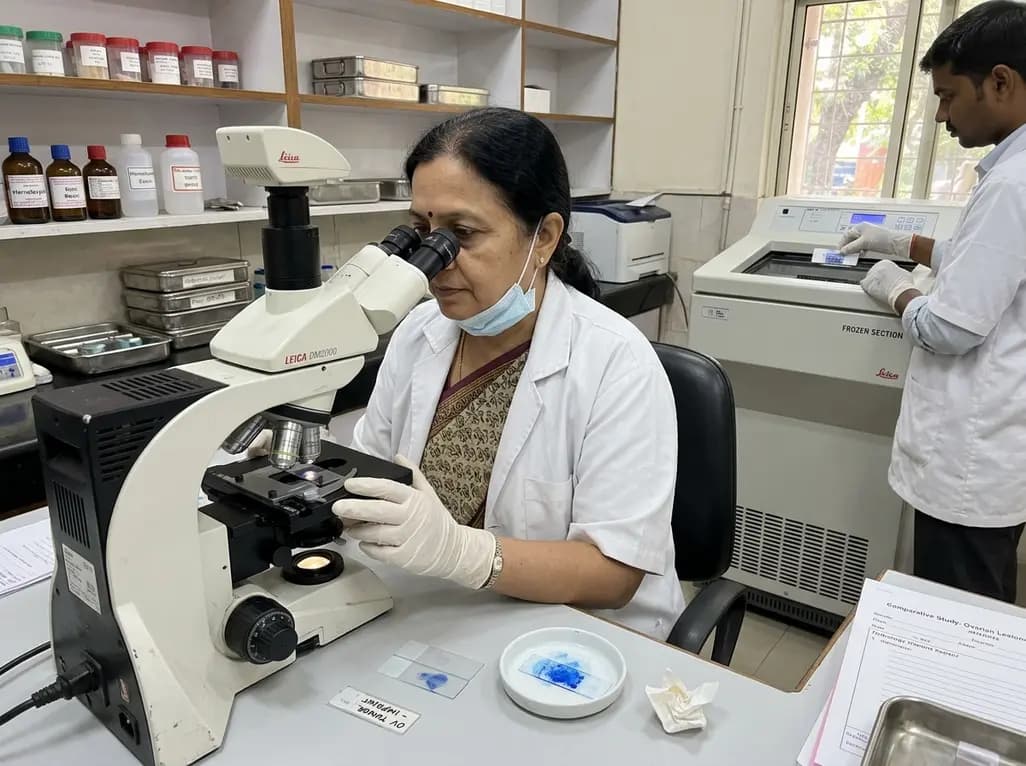
A new comparative study demonstrates that intraoperative imprint cytology achieves 96.6% diagnostic accuracy in ovarian tumours, outperforming frozen section in sensitivity for borderline lesions and offering an accessible, rapid alternative for resource-constrained surgical centres.
Today
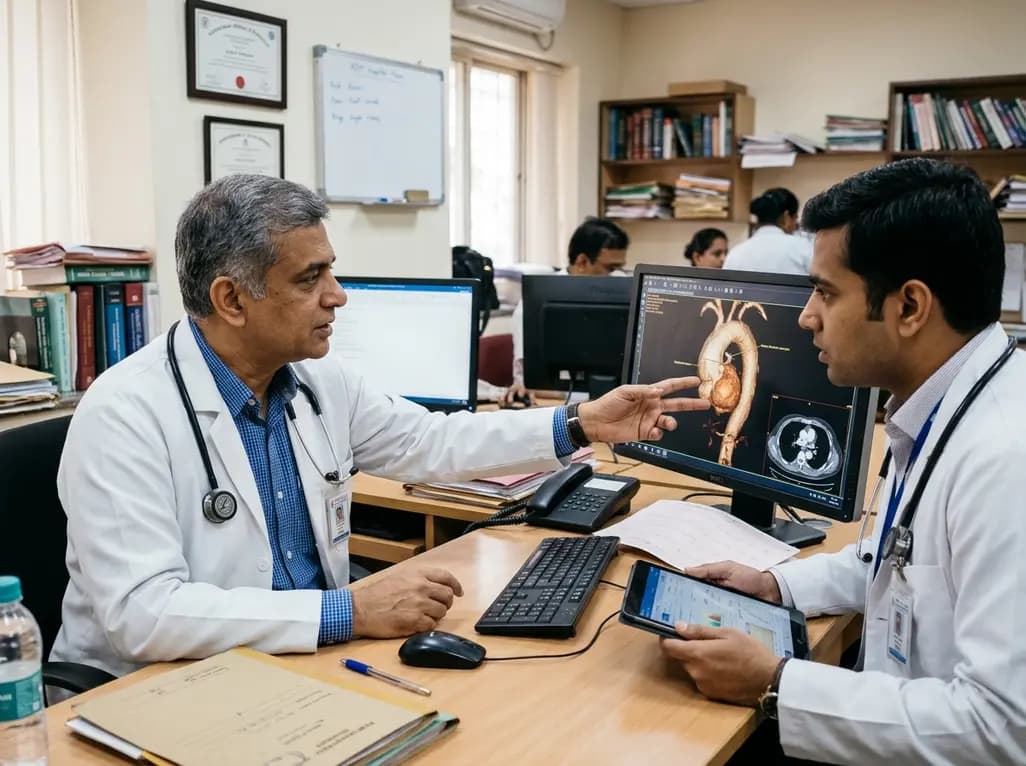
Thoracic aortic aneurysm lacks etiologic medical therapy. A new study reveals that targeting specific αV integrins with Cilengitide attenuates TGF-β and mechanotransduction pathways, effectively limiting pro-fibrotic remodeling and aortic bulb dilation in both syndromic and sporadic disease models.
Today
Discover how microstructural optimization of strontium zinc phosphate coatings enhances titanium implant bioactivity, accelerating stem cell adhesion and early osseointegration in orthopedic and dental applications.
Today
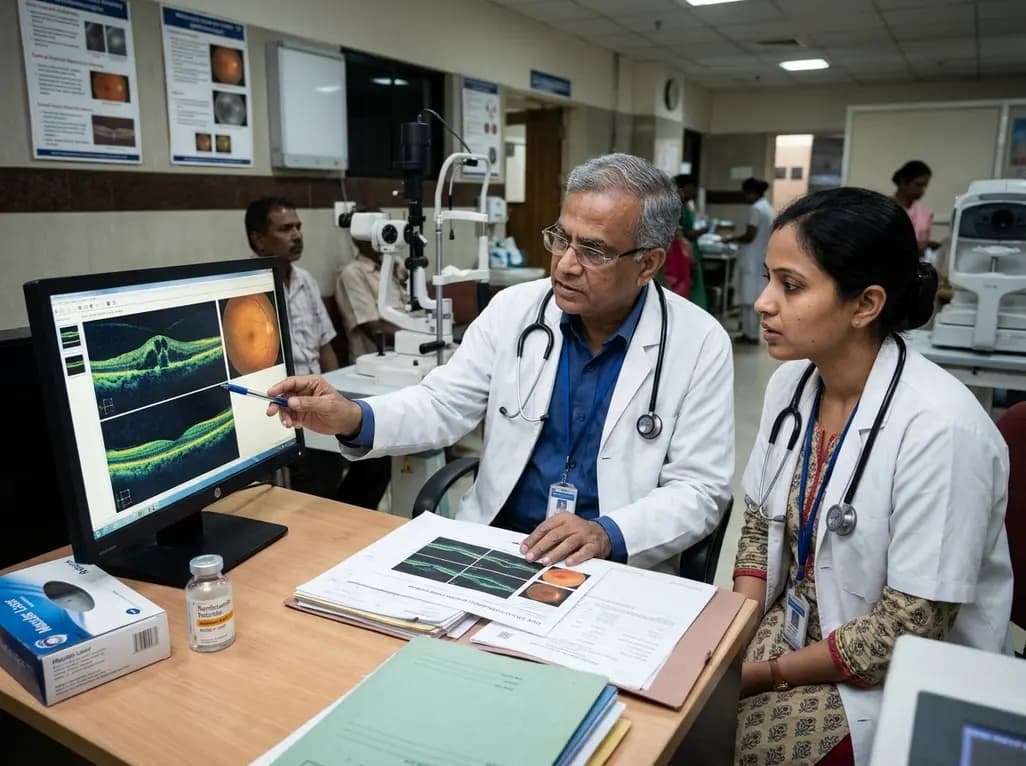
A real-world retrospective study demonstrates that combining intravitreal ranibizumab with focal/grid macular laser significantly improves visual acuity and central macular thickness compared to laser monotherapy in patients with center-involved diabetic macular edema.
Today
