.webp&w=384&q=75)

Loading, please wait...
Loading, please wait...
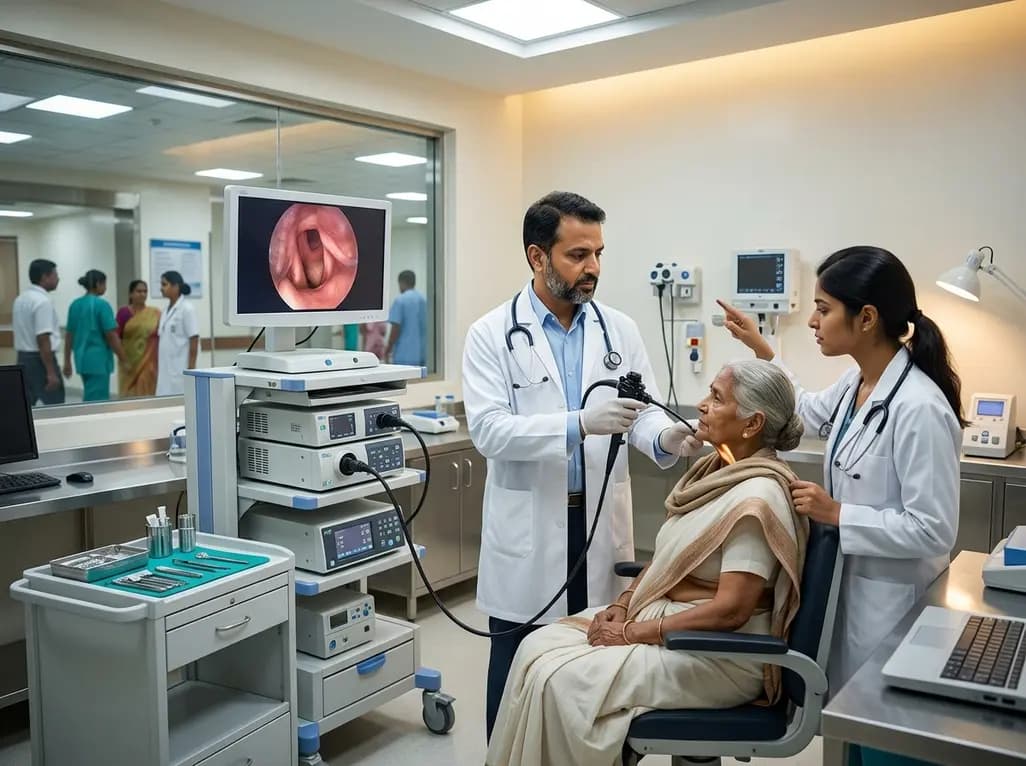
Sanjay Gandhi Post Graduate Institute of Medical Sciences (SGPGIMS) in Lucknow has recently established Uttar Pradesh's first government-run outpatient endoscopy laboratory dedicated to head and neck cancer management. Inaugurated on World Head and Neck Cancer Day by institute leaders, this specialized facility marks a major structural step forward in public sector oncology. Consequently, clinicians can now perform advanced visual examinations, immediate biopsies, and precise follow-ups in an outpatient setting without unnecessary delays.
Head and neck malignancies represent a significant healthcare burden across India, accounting for nearly thirty percent of all oncology cases in the region. Frequently, late-stage presentation severely limits curative treatment options and worsens overall survival rates. Therefore, establishing advanced outpatient facilities in public tertiary care centers is crucial for improving patient outcomes. The new facility at SGPGIMS bridges a long-standing gap by integrating high-definition endoscopic evaluation directly into daily outpatient clinical workflows.
Furthermore, tertiary centers often face heavy patient volumes, which previously led to scheduling delays for diagnostic endoscopy. By dedicating a specialized laboratory exclusively to outpatient procedures, clinicians can streamline initial consultations and rapidly identify mucosal abnormalities. In addition, this dedicated setup allows medical teams to evaluate suspicious lesions of the oral cavity, pharynx, larynx, and sinonasal tract during the patient's initial visit. Consequently, diagnostic intervals are dramatically reduced, allowing rapid referral to surgical, radiation, or medical oncology specialists. Ultimately, upgrading public diagnostic infrastructure ensures that socioeconomically disadvantaged patients gain immediate access to high-caliber diagnostic technology. This timely access significantly reduces diagnostic delays and facilitates prompt therapeutic intervention.
The incorporation of advanced flexible and rigid endoscopic systems within an outpatient environment transforms clinical management for surgical oncologists and otolaryngologists. Specifically, modern video-endoscopes equipped with high-definition narrow-band imaging allow precise visualization of microvascular patterns across mucosal surfaces. Consequently, clinicians can distinguish benign inflammatory changes from early dysplastic or malignant transformations with higher diagnostic accuracy. Additionally, performing these visual procedures under local anesthesia in the outpatient clinic avoids the necessity of routine operating theater bookings for routine diagnostic evaluations.
Moreover, in-clinic endoscopic access facilitates immediate tissue sampling through targeted punch or brush biopsies during the preliminary assessment. Because tissue sampling occurs directly during visual inspection, patients experience fewer hospital visits and reduced emotional distress. Furthermore, precise outpatient evaluation assists clinicians in accurate clinical staging, which is fundamental for formulating individualized multidisciplinary treatment protocols. In-clinic endoscopes also permit minor therapeutic interventions, such as foreign body removal, gentle debridement, or vocal cord assessment during phonatory tasks. Thus, integrating diagnostic endoscopes into routine outpatient care optimizes hospital resource utilization, shortens diagnostic timelines, and substantially enhances overall operational efficiency across clinical departments.
Post-treatment surveillance remains a vital component of comprehensive cancer care, particularly because recurrent or second primary tumors frequently occur within two years of primary therapy. Therefore, regular endoscopic assessment of mucosal sites is essential for post-operative patients and those who have undergone definitive chemoradiation. The new laboratory at SGPGIMS provides a dedicated environment where clinicians can conduct detailed surveillance examinations at routine follow-up intervals. As a result, subtle recurrences or radiation-induced mucosal changes can be identified long before clinical symptoms become apparent.
Additionally, patients who have received head and neck radiation therapy often develop anatomical alterations, tissue edema, or fibrosis that make physical examination challenging. High-definition endoscopy overcomes these anatomical barriers, allowing clear visualization of deep pharyngeal and laryngeal spaces. Furthermore, early detection of recurrent disease enables timely salvage surgery or secondary systemic therapy, significantly improving long-term survival prospects. In addition, routine outpatient surveillance allows healthcare providers to monitor long-term treatment toxicities, such as persistent edema, strictures, or vocal cord immobility. Consequently, systematic post-treatment surveillance ensures proactive clinical management and better long-term functional recovery for cancer survivors.
Effective management of head and neck malignancies requires seamless coordination among multiple medical disciplines. Specifically, successful treatment outcomes depend on close collaboration between surgical oncologists, radiation oncologists, medical oncologists, plastic surgeons, speech therapists, and psychiatrists. The inauguration of the new laboratory coincided with the 'SPANDAN' awareness program, which highlighted the crucial role of integrated multidisciplinary care. Therefore, diagnostic findings from the outpatient endoscopy lab directly feed into multidisciplinary tumor board discussions to optimize treatment strategies for every patient.
Furthermore, integrating various medical specialties during the diagnostic phase ensures that reconstruction planning and functional preservation strategies begin early. For instance, plastic surgeons can plan complex microvascular reconstructions while radiation oncologists evaluate anatomical margins using endoscopic findings. Moreover, dietary specialists and clinical nutritionists can assess swallowing function early, offering customized nutritional support to prevent severe weight loss during aggressive therapies. Simultaneously, psycho-oncology support can be initiated during early consultations to help patients cope with anxiety surrounding cancer diagnosis and treatment. Thus, a well-coordinated multidisciplinary framework transforms isolated clinical interventions into a cohesive, compassionate, and patient-centered therapeutic journey.
Beyond precise diagnosis and medical treatment, comprehensive cancer care must prioritize patient rehabilitation and quality of life. Patients undergoing treatment for head and neck malignancies often experience significant challenges affecting speech, swallowing, facial aesthetics, and psychological well-being. Consequently, dedicated rehabilitation initiatives are necessary to help survivors navigate post-treatment life successfully. The inclusion of survivor support sessions, such as the 'Voices of Hope' initiative during the inauguration, underscores the profound impact of peer encouragement and holistic rehabilitation.
Additionally, structured rehabilitation programs focus on restoring vital functions through specialized speech therapy and swallowing re-education. Speech-language pathologists work closely with patients to overcome structural modifications caused by surgical resection or radiation therapy. Furthermore, mental health professionals provide ongoing psychological counseling to address anxiety, body image concerns, and depression among cancer survivors. In addition, interactive question-and-answer sessions empower patients and caregivers by providing clear information regarding home care, tracheostomy maintenance, and dietary modifications. Ultimately, combining advanced clinical diagnostics with robust rehabilitation programs fosters comprehensive healing, enhances self-reliance, and significantly improves the long-term quality of life for cancer survivors.
Q1: What clinical advantages does an outpatient endoscopy lab offer for head and neck cancer care?
An outpatient endoscopy lab enables rapid visual evaluation of mucosal surfaces, immediate tissue biopsies, and accurate clinical staging without requiring operating theater admission. Consequently, diagnostic delays are minimized, allowing timely initiation of multidisciplinary treatment protocols. Additionally, high-definition flexible endoscopy facilitates early detection of subtle recurrences and second primary tumors during post-treatment follow-up visits, thereby significantly improving overall patient outcomes.
Q2: Why is routine post-treatment surveillance critical for head and neck cancer patients?
Routine endoscopic surveillance is vital because head and neck malignancies carry a high risk of local recurrence or second primary tumors, particularly within the first two years. Regular visual inspection detects subclinical lesions early when salvage treatment options are most effective. Furthermore, routine monitoring allows clinical teams to evaluate post-radiation tissue changes, manage swallowing difficulties, and address long-term treatment complications promptly.
Q3: How does a multidisciplinary approach improve treatment outcomes in head and neck oncology?
A multidisciplinary approach unites surgical oncologists, radiation oncologists, pathologists, reconstructive surgeons, and rehabilitation specialists to create personalized treatment plans. This collaborative strategy ensures precise staging, optimal functional preservation, and tailored reconstructive techniques. Moreover, integrating clinical nutritionists, speech therapists, and psycho-oncology support during diagnosis addresses the physical and emotional challenges of treatment, ultimately enhancing patient survival and post-treatment quality of life.
Disclaimer: This content is for informational and educational purposes only. It does not constitute medical advice or replace professional judgment. Refer to the latest local and national guidelines for clinical practice.
References

Read summarized clinical updates, watch expert medical content, and earn CME certifications right from your smartphone.
Open your smartphone camera to scan and install.





SGPGIMS Lucknow has launched Uttar Pradesh's first government-run OPD endoscopy laboratory dedicated to head and neck cancer care. The facility enhances early diagnosis, enables in-clinic procedures, and improves post-treatment surveillance while supporting multidisciplinary oncological management across the region.
2 months ago
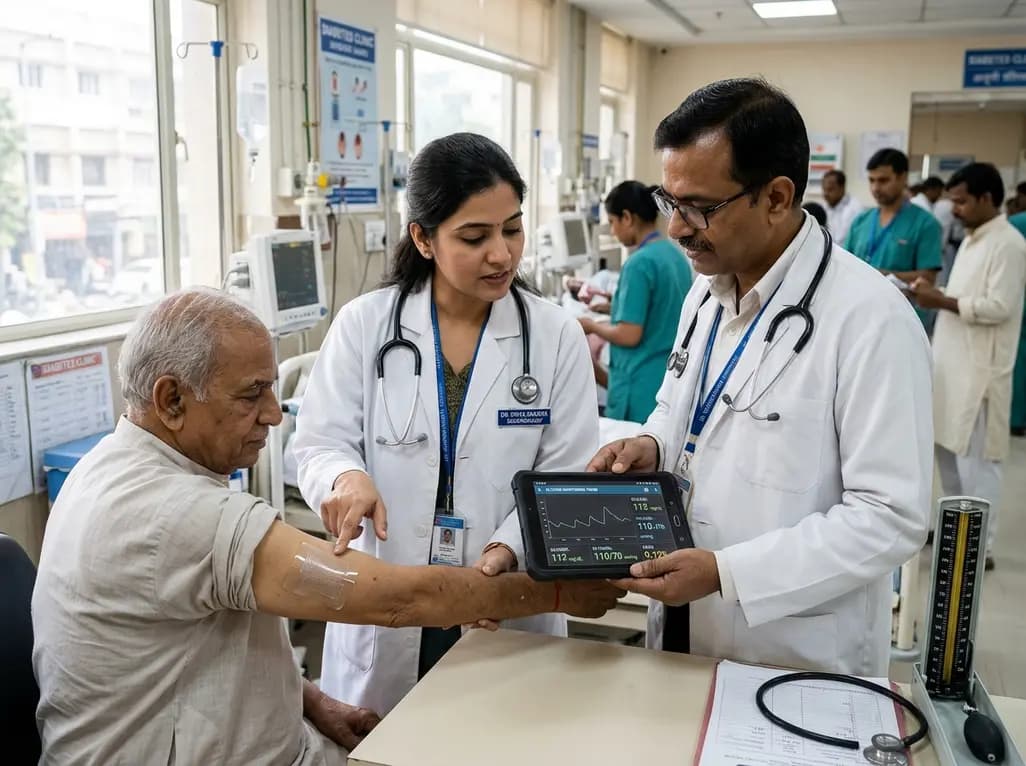
A breakthrough ultrathin multimodal sensor decouples physical hemodynamic monitoring from disposable electrochemical calibration, achieving long-term wearable glucose prediction with 81.36% accuracy and a 9.12% MARD. This offers a robust, drift-free solution for outpatient metabolic surveillance.
Today
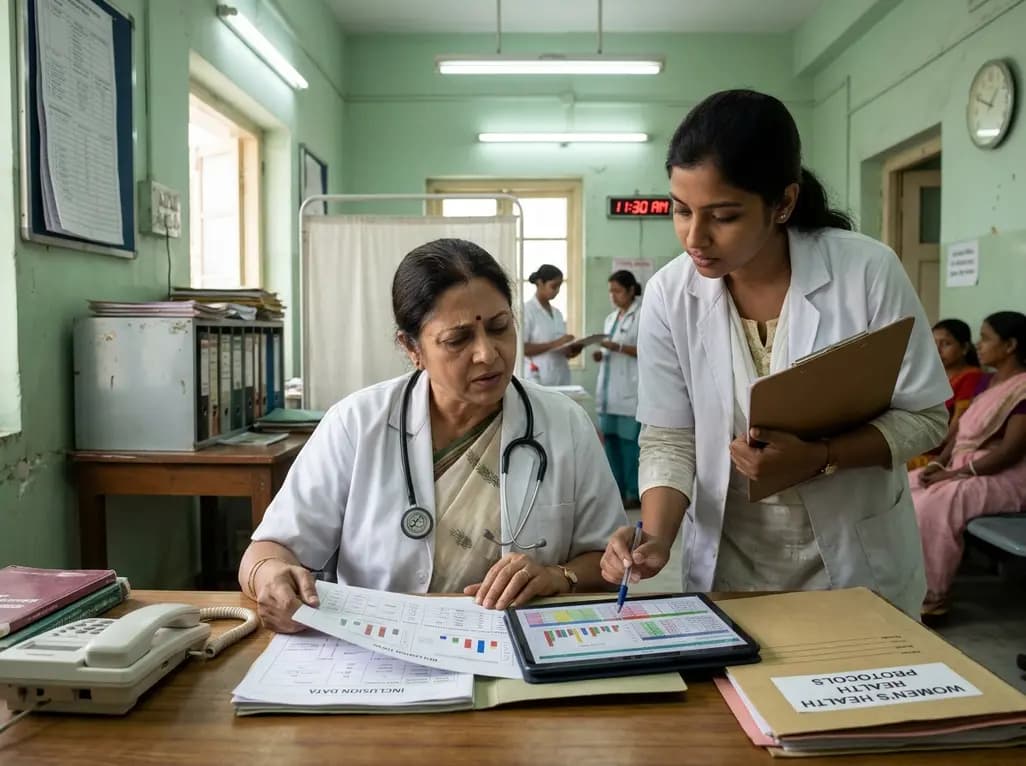
Demanding exhaustive hormonal profiling can inadvertently discourage clinical studies involving females. Methodological standards must align with the specific scientific question to expand, not restrict, equitable evidence for women.
Today
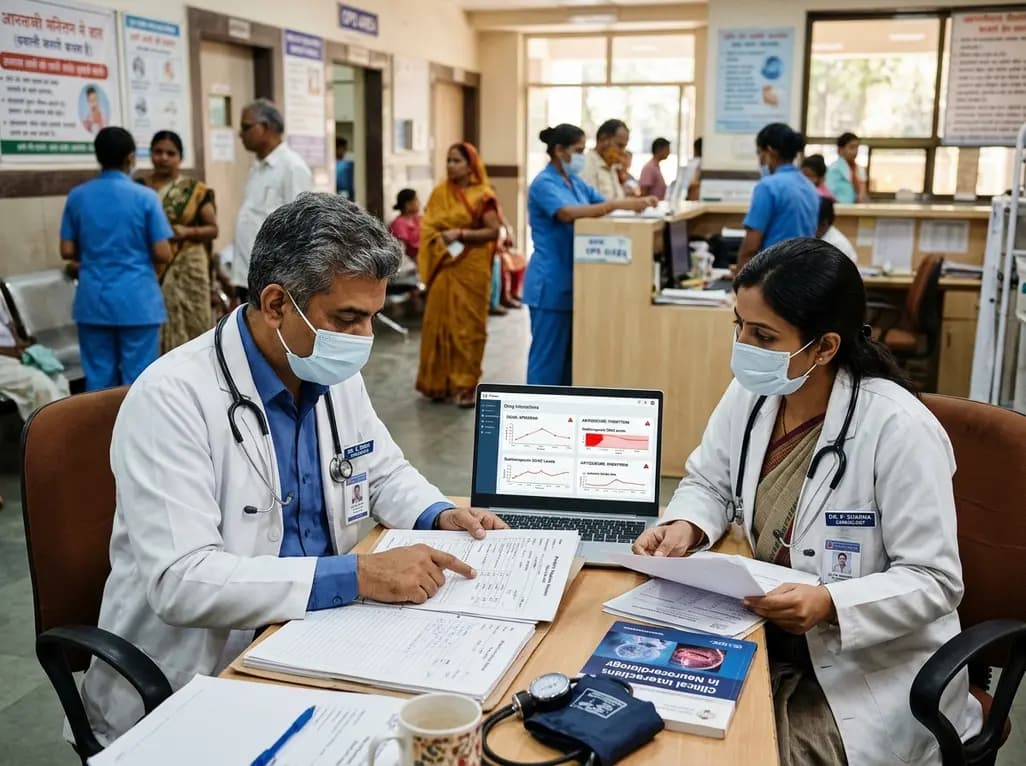
Co-administering antiseizure medications and DOACs frequently causes pharmacokinetic interactions, subtherapeutic drug levels, and thromboembolic failures. This review highlights enzyme induction risks, unpredictable outcomes with levetiracetam, and the vital role of therapeutic drug monitoring.
Today
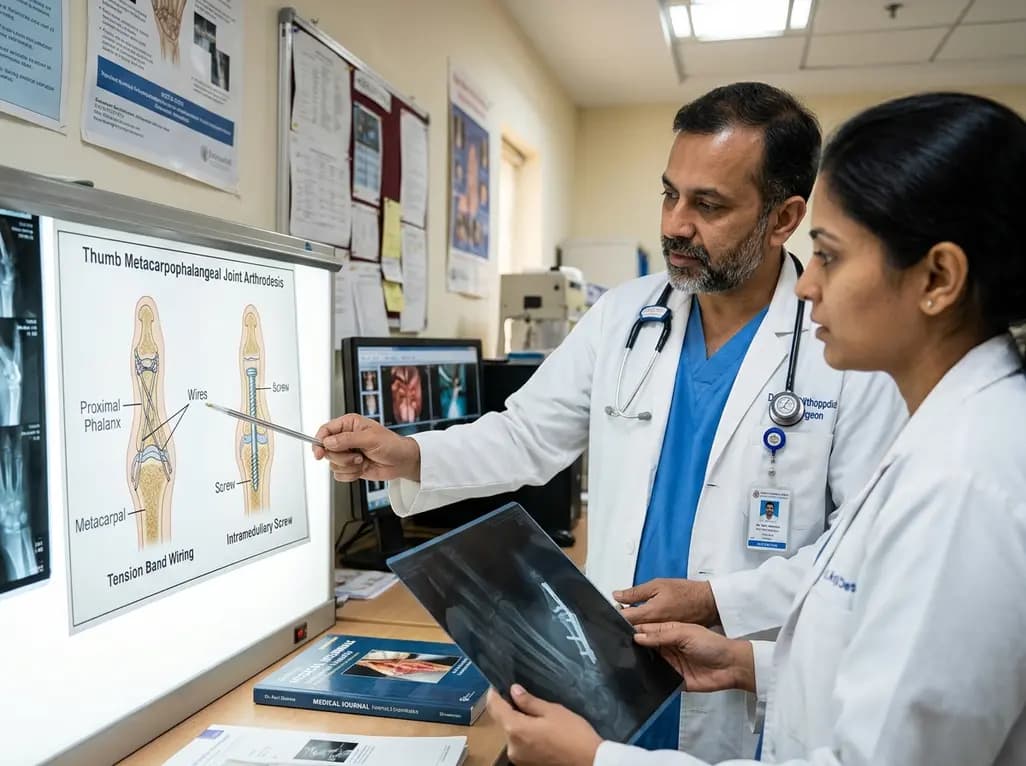
A comparative review of tension band wiring and intramedullary screw fixation in thumb metacarpophalangeal arthrodesis, evaluating union rates, hardware complications, and clinical outcomes.
Today

Following regulatory scrutiny from FSSAI regarding promotional representations and lean muscle preservation claims, Dr. Reddy's Laboratories and Nestlé Health Science are currently reviewing the branding and marketing strategy for their joint nutritional supplement Celevida GLP+.
Today
