.webp&w=384&q=75)

Loading, please wait...
Loading, please wait...

Even within high-income nations equipped with advanced sanitation infrastructure, sewage contamination waterborne disease pathways remain a significant public health threat. Combined and sanitary sewer overflows regularly discharge untreated wastewater into drinking and recreational water sources. Consequently, populations residing near affected water bodies face elevated exposure to harmful pathogens. Healthcare professionals frequently observe spikes in acute gastrointestinal illnesses following major heavy rainfall events. Although modern water treatment facility designs aim to neutralize microbial threats, acute infrastructure capacity breaches bypass primary containment steps. Therefore, clinical awareness regarding waterborne pathogen exposure must remain sharp, particularly during severe weather seasons. Patients presenting with sudden nausea, abdominal cramps, diarrhea, and fever often possess unrecognized environmental exposures. Furthermore, understanding the systemic links between environmental pollution and clinical disease burden allows medical teams to report potential cluster outbreaks promptly. Integrating environmental history into routine diagnostic evaluations enhances early case detection across primary care settings. As changing precipitation patterns exacerbate urban runoff, public health surveillance systems must actively bridge municipal wastewater monitoring with hospital clinical records. Recognizing these critical environmental determinants of disease enables targeted diagnostic testing and timely clinical management.
Multiple structural and environmental factors drive the increasing incidence of sewer overflow events across high-income regions. Aging municipal pipe networks, built decades ago, frequently lack the volumetric capacity to handle contemporary urban population densities. Additionally, deferred maintenance and delayed municipal upgrades worsen structural vulnerabilities within collection systems. Climate change accelerates these challenges by increasing the frequency and intensity of extreme precipitation events. When heavy rainstorms overwhelm combined sewer systems, excess volume forces automated relief valves to discharge raw sewage directly into adjacent surface waters. Regulatory enforcement gaps further exacerbate these infrastructure vulnerabilities. Weak compliance mechanisms allow municipal authorities to defer necessary structural overhauls without incurring substantial statutory penalties. Consequently, untreated wastewater containing high concentrations of human waste routinely bypasses treatment systems. This persistent discharge creates localized environmental hotspots where pathogenic bacteria and viruses survive for extended periods. As extreme weather events become more frequent, coastal and inland water systems face continuous contamination threats. Clinicians working in these regions must appreciate how local infrastructure deficits directly influence community disease burdens, particularly among vulnerable pediatric and elderly populations.
Untreated sewage discharges introduce a diverse spectrum of pathogenic organisms into recreational and potable water supplies. Monitoring studies consistently isolate fecal indicator bacteria alongside human viral, protozoan, and bacterial pathogens. Specifically, pathogens such as Norovirus, Giardia lamblia, Cryptosporidium, Campylobacter, and pathogenic Escherichia coli present severe gastrointestinal risks. Furthermore, wastewater discharges contain high concentrations of antibiotic-resistant pathogens and resistance genes, posing broader public health threats. When individuals ingest contaminated water during recreational swimming or via compromised municipal distribution networks, infection rates rise rapidly. The presence of viral pathogens is particularly troubling because viruses often persist in aquatic environments longer than conventional bacterial indicators. Consequently, standard bacterial monitoring may occasionally fail to signal active viral contamination hazards. Additionally, protozoan oocysts resist standard chlorination protocols, necessitating multi-stage filtration in water treatment facilities. When infrastructure failures allow raw sewage to enter distribution lines, widespread clinical outbreaks can manifest within days. Understanding this complex microbial landscape helps clinicians select appropriate diagnostic stool panels and implement effective supportive therapies for affected patients.
Epidemiological evidence establishes clear correlations between high-volume sewage discharge events and surges in healthcare utilization. Research demonstrates a direct dose-response relationship between heavy rainfall events, sewer overflows, and subsequent emergency department visits for acute gastroenteritis. Biological plausibility is reinforced by temporal clustering, where emergency room visits peak within three to seven days following major storm events. Moreover, pediatric patients and immunocompromised individuals experience disproportionately higher morbidity rates following environmental exposure. Clinical manifestations extend beyond simple acute diarrhea to include systemic complications, dehydrating enteritis, and secondary extra-intestinal infections. Consequently, emergency departments in affected regions frequently encounter localized surges that strain acute care resources. However, establishing absolute causal inference remains complex because most published literature relies on observational study designs. Confounding variables, such as dietary habits and person-to-person transmission, complicate exact source attribution. Nevertheless, consistent observations across multiple international jurisdictions confirm that sewage overflow events represent substantial, preventable triggers of community gastrointestinal disease outbreaks. Emergency medicine providers should remain vigilant during post-storm windows to identify emerging disease clusters.
Accurate risk assessment remains challenging due to widespread underreporting of both sewage spills and waterborne disease outbreaks. Municipal authorities often fail to capture smaller overflow events, while individuals with mild gastrointestinal symptoms rarely seek formal medical care. Consequently, surveillance databases reflect only a small fraction of actual community disease burdens. This systematic underreporting obscures the true clinical and economic impact of inadequate wastewater infrastructure. Furthermore, weak regulatory compliance mechanisms reduce institutional incentives for transparent data reporting. Without stringent statutory oversight and immediate public notification systems, communities remain unaware of acute water safety hazards. Clinicians also face challenges in identifying environmental exposures during routine encounters, as targeted travel and water exposure histories are seldom documented systematically. To address these systemic gaps, public health agencies must modernize reporting workflows. Implementing automated spill detection sensors and integrating digital reporting mechanisms can improve real-time hazard awareness. Similarly, enhancing clinical surveillance protocols will help public health officials quantify outbreak dynamics more accurately, ultimately driving stronger regulatory reforms and infrastructure funding.
Mitigating waterborne health risks requires coordinated policy actions, infrastructure modernization, and advanced surveillance frameworks. High-income countries must prioritize capital investments to upgrade combined sewer networks and expand wastewater treatment capacity. Concurrently, environmental agencies should implement real-time water quality monitoring technologies, utilizing rapid molecular assays to detect specific fecal indicator bacteria and viral markers. These technological advances allow authorities to issue immediate recreational advisories and protect public health. From a clinical perspective, health systems must strengthen interdisciplinary collaboration with environmental health officers. Establishing integrated surveillance platforms that cross-reference wastewater pathogen data with emergency department chief complaints enables early outbreak detection. Furthermore, medical educators should integrate environmental health concepts into clinical training programs, empowering physicians to recognize waterborne exposure patterns. Public health campaigns must also educate communities regarding exposure risks during heavy rainfall events. Ultimately, addressing sewage contamination requires a unified approach that combines structural engineering, rigorous regulatory policy, and proactive medical surveillance to safeguard community health.
Sewage contamination introduces pathogenic bacteria, viruses, and protozoa into surface and drinking waters when storm events cause sewer overflows or pipe failures. Ingesting or coming into contact with contaminated water allows these microorganisms to enter the human gastrointestinal tract. Consequently, exposed individuals develop acute gastroenteritis, exhibiting symptoms such as severe diarrhea, abdominal pain, nausea, and fever shortly after environmental exposure occurs.
Combined sewer systems transport both domestic wastewater and urban stormwater runoff within a single pipe network. During extreme rainfall, stormwater volume rapidly exceeds the system's operational capacity. To prevent dangerous wastewater backups into residential homes and city streets, automated discharge valves release raw sewage directly into local rivers and coastal waters. As climate change accelerates severe storm frequency, these overflow events occur with greater regularity.
Physicians should routinely document detailed exposure histories for patients presenting with sudden acute gastrointestinal symptoms, particularly following recent heavy rainfall or flood events. Additionally, ordering comprehensive stool pathogen panels helps identify specific viral, bacterial, or protozoan agents. Promptly reporting unexpected clusters of acute diarrhea to local public health authorities facilitates rapid epidemiological investigations and helps prevent broader community transmission across affected water catchment regions.
Disclaimer: This content is for informational and educational purposes only and should not be considered medical advice. Refer to the latest local and national guidelines for clinical practice.
References

Read summarized clinical updates, watch expert medical content, and earn CME certifications right from your smartphone.
Open your smartphone camera to scan and install.





A scoping review highlights the persistent link between sewage contamination and waterborne disease incidence in high-income countries. Infrastructure aging, extreme weather, and regulatory gaps drive sewer overflows, elevating gastrointestinal illness risks and underscoring the need for stronger surveillance.
3 months ago
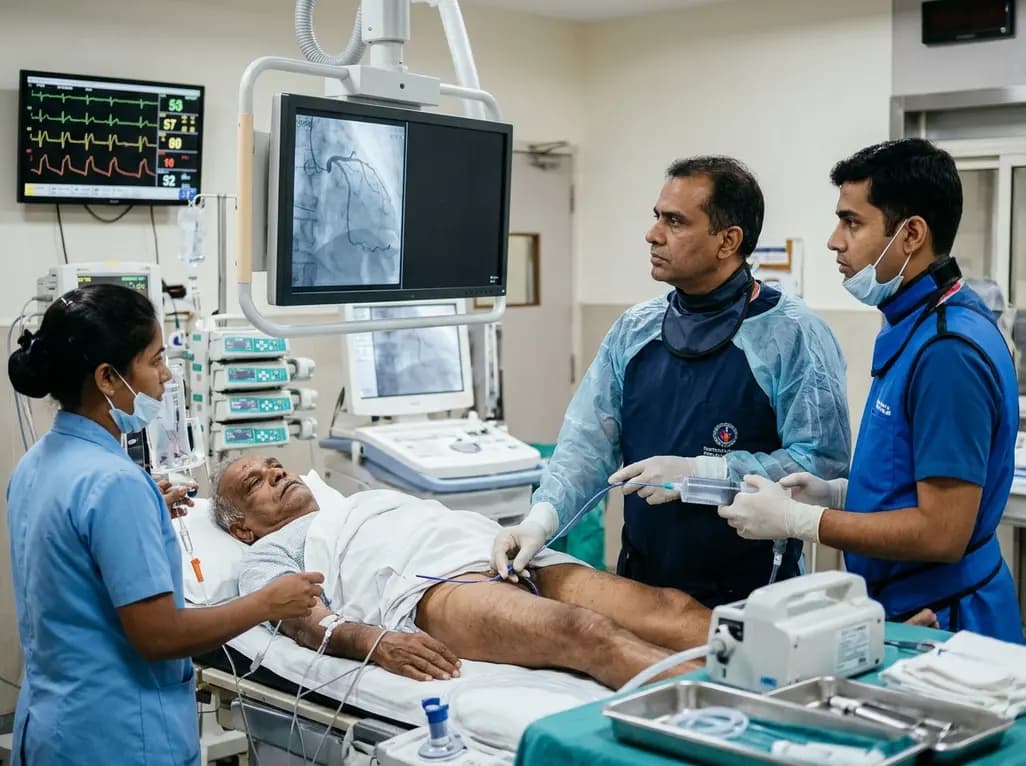
An elderly man with partially repaired Tetralogy of Fallot presented with STEMI caused by coronary embolism rather than atherosclerosis. Successful treatment with sustained mechanical aspiration thrombectomy underscores the vital need for high clinical vigilance in adult congenital heart disease.
Today

Demanding exhaustive hormonal profiling can inadvertently discourage clinical studies involving females. Methodological standards must align with the specific scientific question to expand, not restrict, equitable evidence for women.
Today

A recent study demonstrates that spinal oxygen sensors do not require mitochondrial electron transport to trigger sympathetic excitation during acute hypoxia, revealing new insights into how mitochondrial oxidative stress modulates autonomic tone in cardiovascular and neurological diseases.
Today

A comparative review of tension band wiring and intramedullary screw fixation in thumb metacarpophalangeal arthrodesis, evaluating union rates, hardware complications, and clinical outcomes.
Today

Following regulatory scrutiny from FSSAI regarding promotional representations and lean muscle preservation claims, Dr. Reddy's Laboratories and Nestlé Health Science are currently reviewing the branding and marketing strategy for their joint nutritional supplement Celevida GLP+.
Today
