.webp&w=384&q=75)

Loading, please wait...
Loading, please wait...

Severe maternal morbidity and traumatic childbirth experiences often result in lasting medical and psychological challenges. Therefore, healthcare providers must prioritize severe maternal event support during the recovery phase. Recent research highlights how communication directly impacts a patient's healing process. Consequently, a clinician-patient committee developed new guiding principles to assist health systems. These materials offer a structured framework for both pre-discharge and post-discharge care.
The framework includes specific tools like the \"Guide For Pre-Discharge Care Discussion\" and a comprehensive list of follow-up services. Furthermore, clinicians can use these resources to identify patients who need specialized mental health or medical assistance. Because every recovery journey is unique, the framework allows for tailored adjustments based on community needs. Moreover, it emphasizes checklists that prevent critical gaps in care. By standardizing these discussions, health systems can ensure that no patient feels neglected after a crisis.
A key component of this initiative involves the \"Supportive Communication: What Not to Say and Why\" guide. This resource helps clinicians avoid dismissive language that may inadvertently compound a patient's trauma. Instead, it encourages validating the patient's experience while explaining the medical event clearly. Additionally, the materials provide a robust list of services to consider for long-term recovery. Ultimately, this patient-centered approach ensures that families feel heard and supported throughout the entire continuum of care.
A patient debrief helps the individual process the medical event and understand the interventions used. Moreover, it identifies specific medical and psychological needs that require attention after hospital discharge.
Ideally, the discussion involves the patient, their designated support persons, and the primary clinicians involved in their care. This collaborative approach ensures that everyone has a shared understanding of the recovery plan.
Disclaimer: This content is for informational and educational purposes only. It does not constitute medical advice or establish a doctor-patient relationship. Always seek the advice of a qualified healthcare provider regarding any medical condition. Refer to the latest local and national guidelines for clinical practice.
References
Bauer ME et al. A Framework for Supporting Patients and Families After a Severe Maternal Event. Obstet Gynecol. 2026 Apr 02. doi: 10.1097/AOG.0000000000006279. PMID: 41926773.
California Maternal Quality Care Collaborative (CMQCC). Supportive Communication After a Severe Maternal Event: What Not to Say and Why. 2024.
Alliance for Innovation on Maternal Health (AIM). Patient Safety Bundle: Support After a Severe Maternal Event. 2021.

Read summarized clinical updates, watch expert medical content, and earn CME certifications right from your smartphone.
Open your smartphone camera to scan and install.





A new clinician-patient framework offers checklists and communication guides to support recovery and follow-up services after severe maternal morbidity....
6 months ago

Following regulatory scrutiny from FSSAI regarding promotional representations and lean muscle preservation claims, Dr. Reddy's Laboratories and Nestlé Health Science are currently reviewing the branding and marketing strategy for their joint nutritional supplement Celevida GLP+.
Today
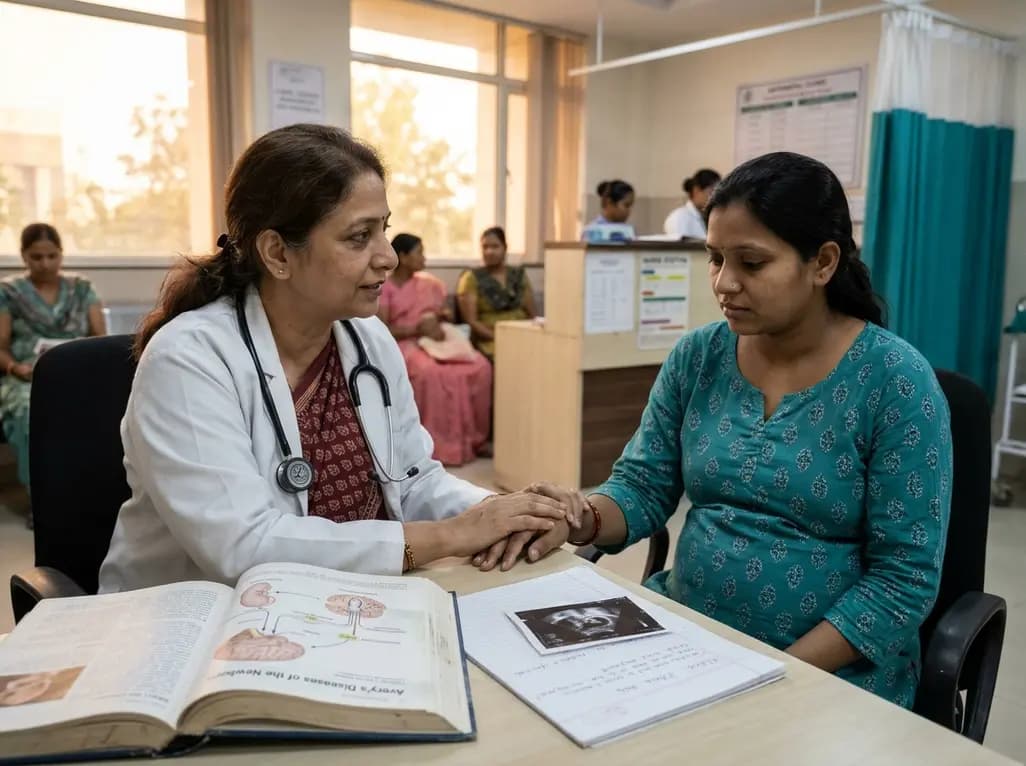
A comprehensive scoping review synthesises evidence linking prenatal maternal mental health to long-term offspring neurodevelopment, evaluating neuroendocrine, inflammatory, and epigenetic pathways while highlighting clinical screening and future research priorities.
Today

The Directorate General of Health Services directs Indian states to halt the hazardous reuse and reprocessing of single-use medical devices. Discover regulatory implications under the Drugs and Cosmetics Act, critical infection risks, legal liabilities, and operational changes required across clinical specialties.
Today
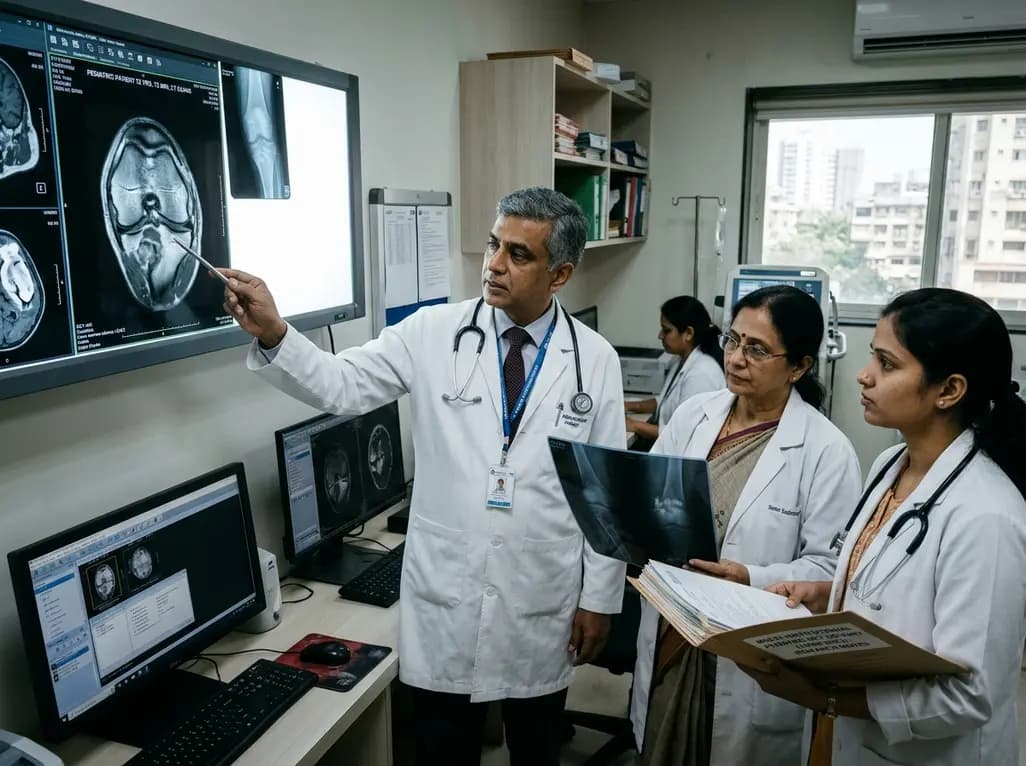
A 25-year multi-institutional cohort reveals high recurrence rates in pediatric giant cell tumor of bone, particularly in patients with open physes and bone marrow edema on preoperative MRI. Early surveillance and careful balance between growth plate preservation and tumor clearance are essential.
Today

India is advancing preventive healthcare by integrating genomics, artificial intelligence, and quantum technologies. With the SANGAM programme sequencing one million Indian genomes, clinicians can unlock personalized therapies, detect cardiometabolic risks early, and curb the burden of diabetes and heart disease.
Today
