.webp&w=384&q=75)

Loading, please wait...
Loading, please wait...
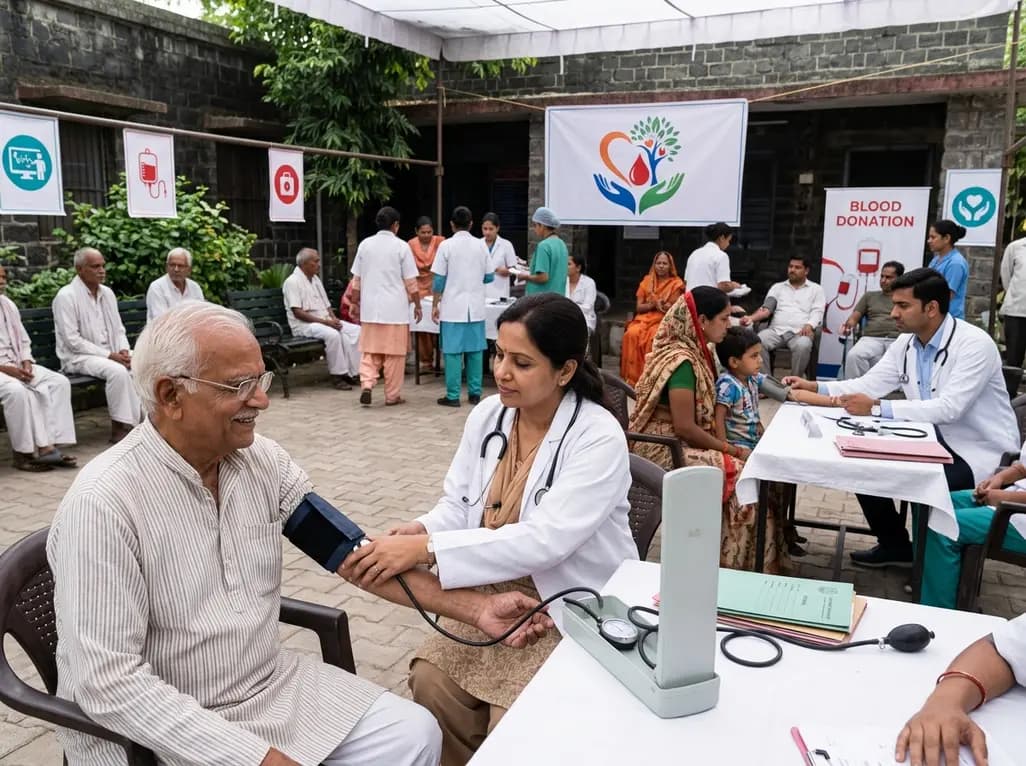
Union Health Minister J P Nadda announced the launch of the month-long Seva Sankalp Abhiyan across India starting September 17. This extensive initiative aligns public health delivery with nationwide civic engagement. Consequently, the national drive organizes blood donation drives, specialized diagnostic camps, and community hygiene interventions. It also emphasizes the rapid progress of healthcare reforms achieved over the last decade. Primary care physicians, specialists, and public health administrators must understand these policy milestones to coordinate community care effectively.
The Seva Sankalp Abhiyan highlights an ambitious effort to bridge urban and rural health disparities. Therefore, the Ministry of Health and Family Welfare has organized field-level medical camps and blood donation drives across every district. In addition, the initiative engages grassroots workers through targeted programs like Angan Milan Seva. This component actively honors the dedication of Anganwadi and Accredited Social Health Activist (ASHA) personnel.
These community health workers remain essential for tracking maternal-child health and administering immunizations. Furthermore, the Seva Setu Abhiyan establishes dedicated multi-day camps at block and ward levels. These centralized hubs allow citizens to register for social welfare benefits and access clinical consultations. Clinicians can actively collaborate with these mobile camps to offer screening for chronic ailments. Ultimately, this approach enhances primary contact between vulnerable patient populations and structured medical networks.
A central pillar highlighted during the campaign announcement is the historic expansion of Ayushman Bharat Pradhan Mantri Jan Arogya Yojana. Under current guidelines, the scheme provides health insurance coverage of five lakh rupees annually per family to over 63 crore citizens. Most notably, the government has extended this safety net to include all senior citizens aged 70 years and above.
This demographic policy change applies universally, irrespective of household income or socioeconomic bracket. Consequently, eligible elderly individuals receive a distinct card that guarantees direct access to secondary and tertiary hospital care. For geriatricians and internists, this financial protection removes a major obstacle to chronic disease management. Older patients frequently delay elective interventions, cancer evaluations, or joint replacements due to prohibitive out-of-pocket costs. Accordingly, universal coverage ensures timely clinical referrals, promotes preventive geriatric consultations, and prevents catastrophic household expenditures.
Preventive public health represents another critical dimension of the ongoing national strategy. The government has operationalized more than 1.86 lakh Ayushman Arogya Mandirs nationwide. These transformed health and wellness centers deliver comprehensive primary care directly to local neighborhoods. As a result, healthcare teams have successfully screened approximately 43 crore individuals for major non-communicable diseases.
Specifically, clinical screenings focus on hypertension, diabetes mellitus, common oral malignancies, and mental health issues. Moreover, providers evaluate patients for vision impairments, dental conditions, and otolaryngological disorders. Early diagnostic detection allows family physicians to institute medical interventions before end-organ complications arise. In parallel, public health teams have administered Human Papillomavirus (HPV) vaccinations to 80 lakh adolescent girls. Because cervical cancer causes substantial female mortality in India, this mass immunization drive demonstrates a determined shift toward long-term oncologic prevention.
Sustained improvements in clinical care require an adequate, highly skilled healthcare workforce. Therefore, the national health budget has increased substantially from 35,000 crore rupees in 2014 to 1,06,530 crore rupees today. This fiscal support has accelerated the establishment of public teaching hospitals and tertiary health centers throughout the country.
Crucially, the total number of recognized medical colleges has surged from 387 to 858 institutions. This historic expansion corresponds to a 177 percent increase in undergraduate MBBS seats. Similarly, postgraduate medical training positions have expanded by 176 percent over the same period. For the medical fraternity, this structural capacity directly addresses the chronic shortage of specialists in rural and semi-urban communities. Larger resident physician cohorts also reduce clinical fatigue and improve patient-to-doctor ratios across emergency and intensive care settings.
National health campaigns succeed only when practicing physicians align with public welfare objectives. General practitioners and institutional specialists should actively guide eligible patients toward available state protections. For example, clinicians should routinely encourage senior citizens aged 70 and older to register for their Ayushman health cards during routine outpatient visits.
Additionally, private and public clinicians must strengthen two-way referral pathways with nearby Ayushman Arogya Mandirs. When frontline health workers identify uncontrolled hypertension or suspicious cervical lesions, hospital teams must deliver timely secondary diagnostics. Medical associations should also support blood donation drives during community campaigns to maintain regional transfusion banks. By integrating clinical acumen with government public health infrastructure, healthcare practitioners can substantially advance universal health coverage across the country.
Q1: What are the primary clinical objectives of the Seva Sankalp Abhiyan?
The campaign integrates grassroots community outreach with essential preventive medicine. It organizes nationwide blood donation camps, diagnostic screening drives, and specialized hygiene interventions. Furthermore, the initiative honors frontline ASHA workers, promotes local immunizations, and mobilizes field camps to enroll eligible citizens into national health welfare programs.
Q2: How does the expanded Ayushman Bharat scheme impact elderly patient care?
The expanded scheme grants universal health insurance coverage of five lakh rupees per year to every Indian citizen aged 70 and older. This entitlement applies irrespective of socioeconomic standing. Consequently, it enables timely secondary and tertiary hospitalization, reduces catastrophic out-of-pocket costs, and encourages seniors to seek early clinical treatment for chronic conditions.
Q3: How has India expanded its medical workforce and primary infrastructure recently?
The health budget has expanded significantly, helping increase medical colleges from 387 to 858 institutions nationwide. Concurrently, undergraduate and postgraduate medical seats grew by over 175 percent. In addition, more than 1.86 lakh Ayushman Arogya Mandirs have been operationalized, providing primary screenings to 43 crore citizens.
Disclaimer: This content is for informational and educational purposes only. It does not constitute medical advice or replace professional judgment. Refer to the latest local and national guidelines for clinical practice.
References

Read summarized clinical updates, watch expert medical content, and earn CME certifications right from your smartphone.
Open your smartphone camera to scan and install.





Union Health Minister J P Nadda announced the month-long Seva Sankalp Abhiyan, launching nationwide blood donation drives, health screening camps, and community outreach. The campaign highlights universal coverage for seniors aged 70 and older, preventive screening milestones, and rapid medical education expansion.
Today
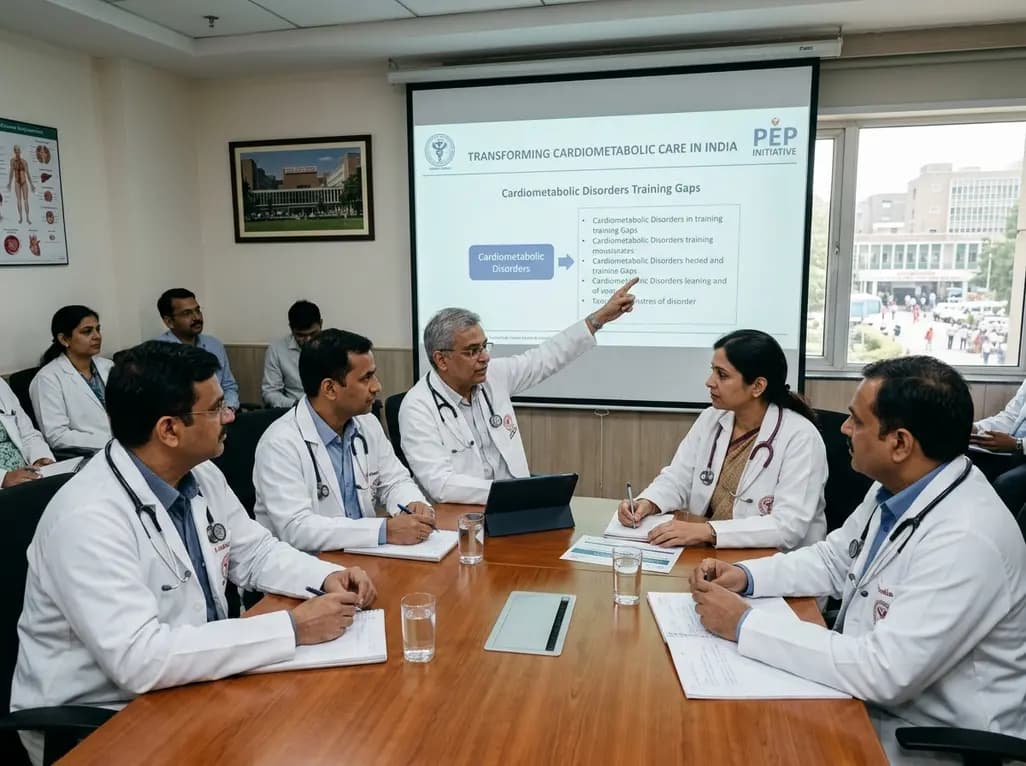
The All India Institute of Medical Sciences has convened national health experts, policymakers, and state nodal officers to transform medical training for cardiometabolic disorders. This collaborative effort under the PEP initiative addresses training gaps to elevate chronic disease care across Indian healthcare.
Today
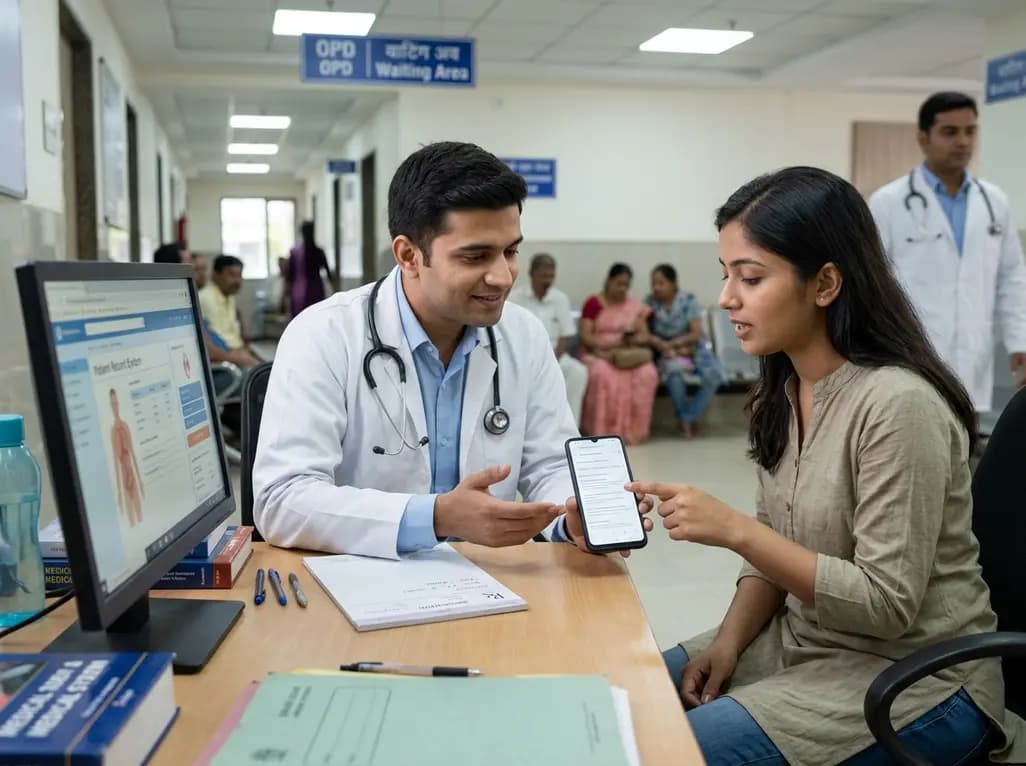
A recent qualitative study examines how college students seek digital sexual health information under persistent uncertainty. Discover the concept of functional trust, the clinical hazards of search abandonment, and evidence-based approaches clinicians can adopt to guide youth toward verified reproductive healthcare.
Today
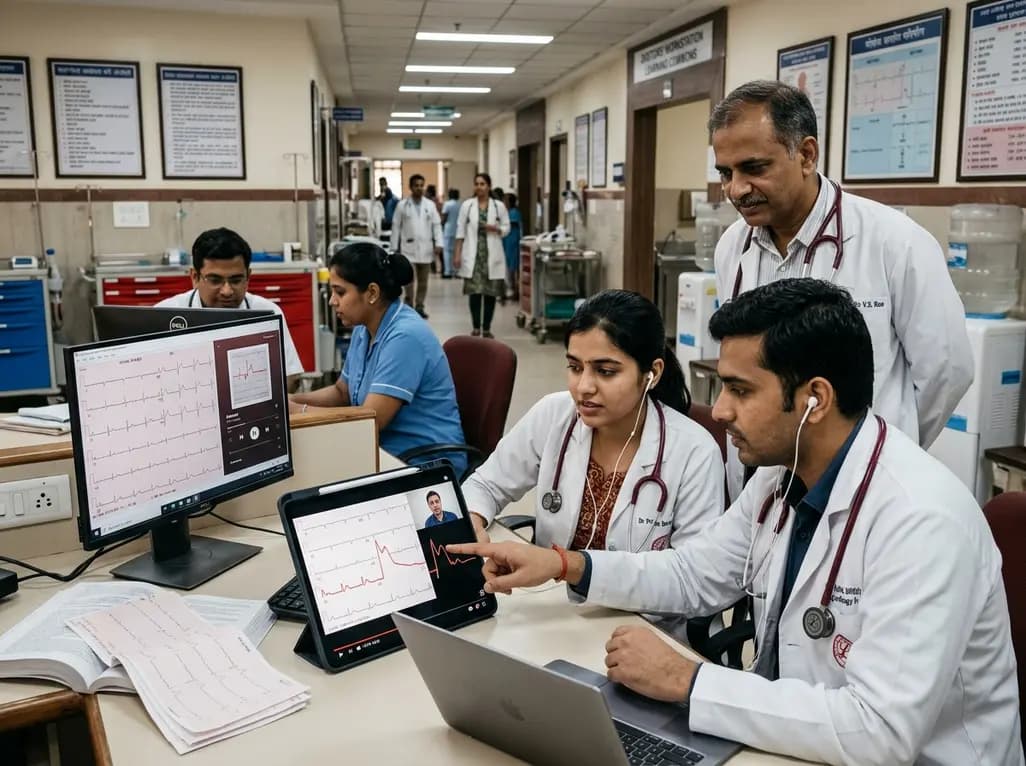
A randomized controlled trial demonstrates that curated FOAMed videos and podcasts produce superior gains in high-risk ECG interpretation and acute coronary syndrome clinical decision-making compared with print-based materials among interprofessional emergency care teams.
Today
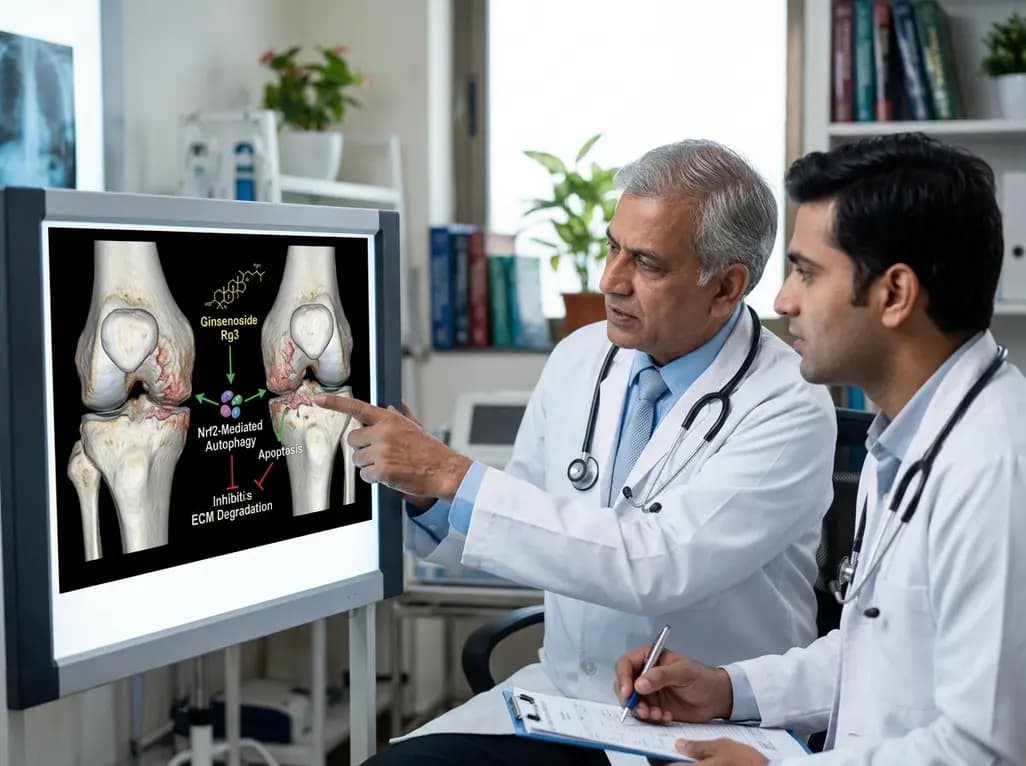
A study reveals that Ginsenoside Rg3 attenuates osteoarthritis progression by modulating the Nrf2-mediated autophagy pathway, reducing chondrocyte apoptosis, and curbing extracellular matrix degradation, offering promising chondroprotective potential.
Today
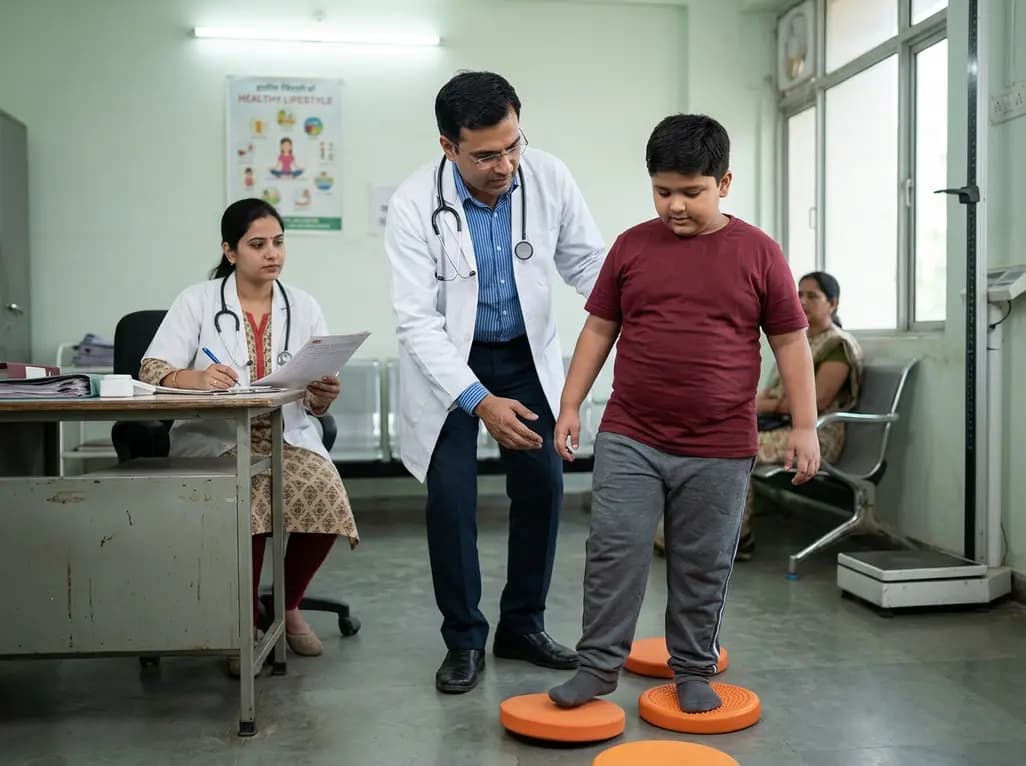
A cross-sectional study demonstrates that lower pediatric motor competence strongly correlates with adverse metabolic syndrome markers, including central adiposity, elevated triglycerides, and low HDL cholesterol, emphasizing early neuromuscular interventions in youth with overweight and obesity.
Today
