.webp&w=384&q=75)

Loading, please wait...
Loading, please wait...

Modern intensive care medicine has substantially reduced acute mortality from septic shock across global healthcare centers. However, evaluating sepsis survivors long-term outcomes reveals a far more challenging trajectory once patients leave acute hospital wards. The transition from critical illness back to normal life rarely follows a linear path. Instead, severe systemic inflammation triggers persistent physiological, cognitive, and emotional disruptions. A prospective multicenter cohort study across five acute hospitals investigated these post-discharge trajectories over twelve months of longitudinal surveillance. Researchers tracked adult patients surviving critical care-treated sepsis across onset, intensive care discharge, hospital discharge, and follow-up intervals at three, six, and twelve months. Although acute interventions rescue patients from life-threatening organ failure, survivors face profound functional deficits that severely compromise their baseline quality of life. Consequently, clinicians must recognize that acute discharge marks merely the beginning of a complex recovery process. In addition, existing healthcare systems frequently lack dedicated support structures to address these multifaceted needs. Therefore, clinical teams must adopt comprehensive post-discharge survivorship frameworks to improve patient recovery and quality of life.
Physical disability represents one of the most debilitating and persistent sequelae observed following severe sepsis. Sepsis survivors frequently endure intensive care unit-acquired weakness, extensive muscle catabolism, and prolonged neuromuscular dysfunction. Furthermore, persistent exhaustion and physical fatigue remain the most common complaints reported across twelve months of structured clinical follow-up. Patients regularly struggle to perform standard activities of daily living, including bathing, dressing, meal preparation, and unassisted walking. Mitochondrial damage, lingering microvascular injury, and critical illness polyneuropathy collectively reduce cardiorespiratory stamina and physical endurance. Moreover, recurrent chronic pain, peripheral neuropathy, and repeated secondary infections consistently disrupt physical rehabilitation regimens. As a result, many survivors experience unexpected functional decline during ordinary household tasks. Standard medical assessments frequently overlook these mobility deficits without objective functional performance testing. Clinicians should therefore incorporate validated mobility screening tools during every outpatient encounter. Early structured physical therapy and graduated exercise programs provide critical physiological benefits. Ultimately, dedicated physical rehabilitation remains essential to rebuild baseline functional capacity and promote physical independence.
Neurocognitive impairment represents a profound yet frequently under-recognized complication following critical care-treated sepsis. Prospective evidence reveals that more than half of sepsis survivors suffer measurable cognitive decline within twelve months of hospital discharge. Specifically, patients experience persistent memory deficits, impaired executive functioning, shortened attention spans, and delayed mental processing speed. Sepsis-induced neuroinflammation, blood-brain barrier disruption, cerebral ischemia, and prolonged delirium during critical illness drive this chronic neuronal damage. In addition to cognitive problems, psychological trauma profoundly destabilizes emotional recovery. Survivors regularly struggle with symptoms of post-traumatic stress disorder, severe anxiety, major depression, and chronic insomnia. Intrusive memories of intensive care, vivid nightmares, and an intense fear of recurrence produce substantial psychological distress. Consequently, these mental health conditions impede social reintegration and weaken interpersonal relationships. Healthcare professionals must therefore maintain vigilant screening for emotional disorders throughout follow-up visits. In summary, early neuropsychological assessment and accessible counseling services offer vital therapeutic support to alleviate this substantial cognitive and emotional burden.
The downstream consequences of critical sepsis extend far beyond individual physical pathology into widespread socioeconomic hardship. Surviving life-threatening sepsis significantly disrupts financial stability and professional careers. Research demonstrates that overall employment rates remain substantially depressed at twelve months post-discharge compared to pre-sepsis baseline levels. Persistent cognitive deficits, physical exhaustion, and psychological distress prevent many individuals from returning to their former occupations. Furthermore, numerous survivors must reduce their working hours or transition into lower-paying roles that accommodate chronic physical limitations. This profound reduction in earning power places immense financial pressure on households during an already challenging recovery period. In addition, informal caregivers frequently leave their own jobs or reduce working hours to assist with daily care needs. Consequently, families encounter mounting healthcare costs alongside sudden income loss, intensifying overall domestic vulnerability. Healthcare providers must accordingly incorporate socioeconomic evaluations into routine post-discharge care planning. Connecting survivors with occupational therapists, social workers, and community vocational programs provides meaningful vocational rehabilitation. Thus, addressing socioeconomic stability forms an indispensable component of long-term recovery.
General practitioners and community healthcare teams provide the primary frontline support for individuals navigating sepsis recovery. After hospital discharge, patients consult general practitioners far more frequently than acute critical care specialists. Primary care doctors coordinate ongoing multidimensional care, treat emergent secondary infections, and monitor organ systems for late complications. Furthermore, primary care clinicians must remain vigilant for persistent renal impairment, accelerated cardiovascular disease, and metabolic disturbances. Because symptoms like chronic fatigue and cognitive impairment often appear vague, clinicians require high clinical awareness to avoid diagnostic delay. Additionally, family physicians optimize long-term pharmacotherapy and deprescribe medications initiated during critical hospitalizations. However, primary care physicians often lack formalized clinical guidelines and detailed discharge summaries from acute centers. Therefore, healthcare systems must develop structured communication channels and dedicated handover protocols between hospitals and community providers. Establishing specialized post-sepsis clinics that integrate critical care physicians, nurses, and allied health professionals provides crucial multidisciplinary backing. Ultimately, collaborative transitional care pathways bridge the dangerous gap between acute survival and long-term well-being.
Post-sepsis syndrome encompasses a complex collection of physical, cognitive, and psychological impairments that persist after surviving critical sepsis. Common manifestations include profound fatigue, muscle weakness, memory loss, anxiety, and chronic pain. While some individuals recover within a few months, many survivors experience persistent deficits lasting twelve months or longer. Therefore, clinicians must implement prolonged outpatient surveillance and structured multidimensional rehabilitation to promote comprehensive recovery.
Sepsis survivors exhibit an elevated risk of hospital readmission due to lingering immune dysfunction, severe muscular deconditioning, and chronic organ damage. Consequently, these vulnerable patients frequently develop recurrent secondary infections, acute kidney injury, or cardiovascular complications within the first year after discharge. In addition, inadequate post-discharge medication reconciliation increases the likelihood of adverse events. Close monitoring by primary care physicians substantially mitigates these avoidable readmission risks.
Primary care physicians should schedule an initial post-discharge review within seven to ten days of hospital release. Clinicians should evaluate functional mobility, conduct cognitive assessments, and screen for psychological distress like depression or post-traumatic stress. Furthermore, practitioners must reassess renal and cardiovascular function, review medications, and provide vaccinations against respiratory pathogens. Structured, regular follow-up visits across the first year ensure timely intervention for emerging complications.
Disclaimer: This content is for informational and educational purposes only. It is not intended to be a substitute for professional medical advice, diagnosis, or treatment. Always seek the advice of your physician or other qualified health provider with any questions you may have regarding a medical condition. Refer to the latest local and national guidelines for clinical practice.
References

Read summarized clinical updates, watch expert medical content, and earn CME certifications right from your smartphone.
Open your smartphone camera to scan and install.





A prospective cohort study across acute hospitals highlights lasting physical, cognitive, and psychological impairments in sepsis survivors at 12 months. Integrated post-discharge pathways and primary care engagement are essential to improve survivorship care and quality of life.
Today
A cross-sectional analysis of NHANES 2013-2020 reveals that depressive symptoms and sleep disturbance significantly elevate the odds of cardiometabolic multimorbidity in adults with arthritis. Comprehensive clinical screening and integrated multi-organ interventions are vital to reduce overall cardiovascular burden.
Today
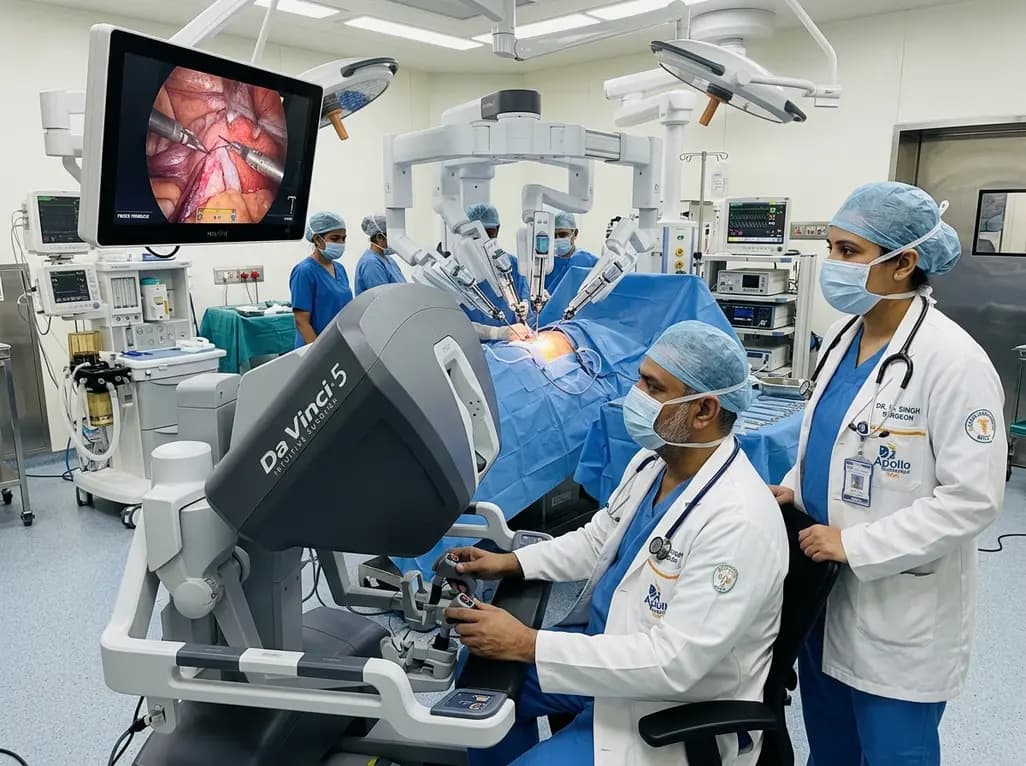
India expands its minimally invasive surgical landscape as Intuitive unveils its fifth-generation robotic platform. Equipped with real-time force feedback and immense computing performance, this innovation assists clinical specialists across urology, gynecology, and general surgery in optimizing operative care.
Today

Large-scale biobank research demonstrates that low-grade systemic inflammation quietly remodels ventricular architecture years before cardiovascular symptoms appear. Learn how emerging biomarkers like GlycA and targeted anti-inflammatory pathways could reshape preventive cardiovascular screening and clinical risk evaluation.
Today

Systematic review comparing labral repair and reconstruction in primary hip arthroscopy shows comparable short- to mid-term patient-reported outcomes, with lower THA conversion after repair but superior outcomes for reconstruction in patients aged 40 and older.
Yesterday
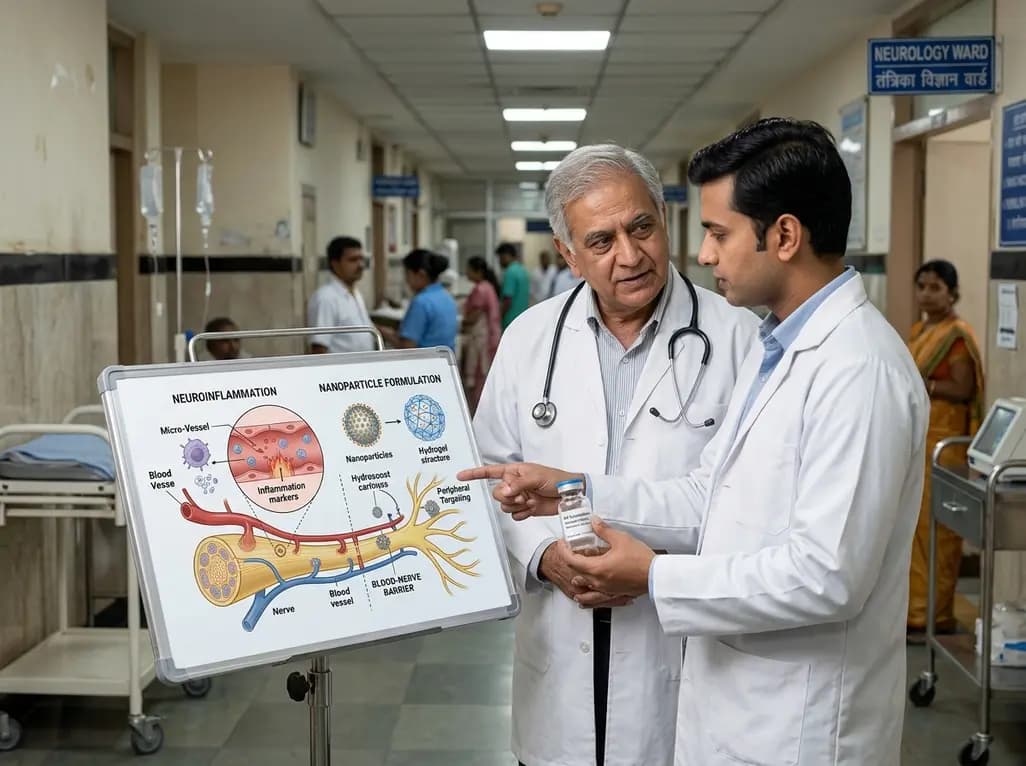
Diabetic peripheral neuropathy involves chronic neuroinflammation and blood-nerve barrier dysfunction. This review discusses advanced nanomedicine formulations, including nanoparticles and hydrogels, designed to overcome pharmacokinetic barriers and modulate the peripheral neuroimmune axis.
Today
