

Loading, please wait...
Loading, please wait...

Adolescent psychiatric morbidity presents an escalating public health challenge across primary care and pediatric settings globally. Consequently, education systems and healthcare authorities have invested heavily in universal awareness programs to identify early distress. However, public health researchers increasingly note that universal exposure rarely suffices when individualized clinical pathways remain inadequate. A large-scale national study now highlights the essential role of student engagement and perceived care quality. Specifically, the data indicate that school-based mental health services achieve their greatest efficacy only when students actively embrace help-seeking and perceive individual interventions as genuinely effective.
Historically, institutional frameworks have focused primarily on expanding universal mental health literacy. Therefore, schools frequently implement blanket workshops, classroom lectures, and basic psychological questionnaires. While these universal approaches build general awareness, they rarely address acute personal distress. Consequently, a pronounced disconnect emerges between broad awareness and confidential, tailored clinical care.
Moreover, students dealing with complex emotional distress require structured psychotherapy, prompt triage, and individualized guidance. When universal initiatives operate without accessible one-on-one services, vulnerable adolescents may identify their symptoms but discover no viable clinical outlet. Thus, researchers have sought to clarify how coverage interacts with individual help-seeking dynamics. Establishing this balance is especially vital in high-pressure academic settings where adolescent suicide and self-harm rates continue to prompt serious clinical concern.
To evaluate these dynamics, investigators conducted a massive cross-sectional investigation across 374 Chinese secondary high schools, capturing data from 84,868 adolescents. The average participant age was 15.90 years. The investigators rigorously assessed school-level contact coverage alongside students' willingness to seek formal psychological assistance and their perceived effectiveness of available services. Clinical endpoints included validated metrics for depression, anxiety, self-injury ideation, and self-injury behavior.
Interestingly, universal contact coverage alone correlated with reductions in depressive symptoms, anxiety scores, and self-injury thoughts. However, coverage by itself failed to produce a statistically significant decrease in overt self-injury behaviors. This pivotal negative finding suggests that passive participation in general programs cannot effectively deter dangerous, externalized behaviors without specialized clinical intervention.
The statistical models revealed that help-seeking willingness substantially moderated therapeutic outcomes. When students showed higher willingness to seek formal psychological assistance, the protective associations of universal coverage multiplied significantly. Specifically, higher willingness combined with broad coverage reduced self-injury thoughts and significantly decreased self-injury behaviors.
Furthermore, stratified analyses demonstrated that this moderating effect of willingness was notably stronger among female students. Girls frequently carry elevated baseline risks for internalizing disorders, including major depression and deliberate self-harm. Therefore, fostering an environment where young women feel completely safe to access formal support yields pronounced clinical dividends. Consequently, healthcare providers and school counselors must deliberately dismantle the pervasive social stigma that prevents adolescents from initiating psychological consultations.
Equally critical was the perceived effectiveness of the psychological care delivered on campus. When students viewed school-based services as genuinely helpful, skilled, and confidential, the positive benefits of high coverage expanded across every measured domain. Higher perceived effectiveness amplified reductions in depression, anxiety, self-injury thoughts, and actual self-injury behaviors.
In contrast, when students perceived counseling staff as unqualified or untrustworthy, universal programs lost their clinical potency. Substandard interventions can inadvertently foster therapeutic nihilism among struggling teenagers. Therefore, universal mental health promotion must never outpace service quality. Schools require licensed child psychiatrists, trained clinical psychologists, and robust confidentiality protocols to ensure that students view care as competent, empathetic, and truly effective.
These findings provide clear guidance for clinicians collaborating with community and school health initiatives. In low- and middle-income nations like India, programs such as the School Health and Wellness Programme prioritize adolescent wellness. However, healthcare planners must recognize that classroom education cannot stand alone. Primary care doctors, pediatricians, and psychiatrists should actively partner with educational institutions to establish direct referral pathways.
Additionally, clinicians must routinely assess perceived institutional trust when evaluating adolescent patients. Inquiring directly about an adolescent's comfort with school counselors can reveal hidden barriers to ongoing management. By investing in rigorous training for school mental health staff, healthcare systems ensure that universal screening reliably leads to effective, compassionate, and life-saving individualized therapy.
Universal coverage primarily provides general education and passive symptom screening. Consequently, it builds awareness without delivering intensive, individual psychological interventions. Deliberate self-harm reflects acute distress that requires specialized behavioral coping skills and therapeutic containment. Therefore, broad informational programs must connect directly with skilled clinicians to alter complex, habitual self-injury behaviors effectively.
High help-seeking willingness indicates that an adolescent overcomes social stigma and internal hesitation to request formal psychological care. Consequently, these motivated students engage more deeply in therapeutic alliances, disclose symptoms early, and practice assigned behavioral strategies. This proactive engagement converts general institutional resources into tangible protection against persistent anxiety, depression, and self-harm.
Healthcare providers can train school-based counselors in evidence-based modalities like cognitive behavioral therapy and crisis intervention. Furthermore, maintaining strict patient confidentiality and establishing comfortable consultation rooms builds essential adolescent trust. When clinicians ensure timely appointments and transparent, empathetic care, youth experience meaningful symptom relief and view institutional mental healthcare as dependable.
Disclaimer: This content is for informational and educational purposes only. It is not intended to be a substitute for professional medical advice, diagnosis, or treatment. Refer to the latest local and national guidelines for clinical practice.
References
Chen Q et al. Beyond Universal Coverage: How Help-Seeking Willingness and Perceived Effectiveness Moderate Mental Health Outcomes in Chinese School-Based Services. J Adolesc Health. 2026 Nov 27. doi: undefined. PMID: 43106218.
Patel V, Saxena S. Achieving universal health coverage for mental disorders. BMJ. 2019;366:l4516.
World Health Organization. WHO Guideline on School Health Services. Geneva: World Health Organization; 2021.

Read summarized clinical updates, watch expert medical content, and earn CME certifications right from your smartphone.
Open your smartphone camera to scan and install.





Universal awareness alone cannot resolve adolescent psychological distress. A nationwide study shows that school-based mental health services significantly curb depression, anxiety, and self-injury when paired with student willingness to seek help and high perceived quality of individual care.
Today
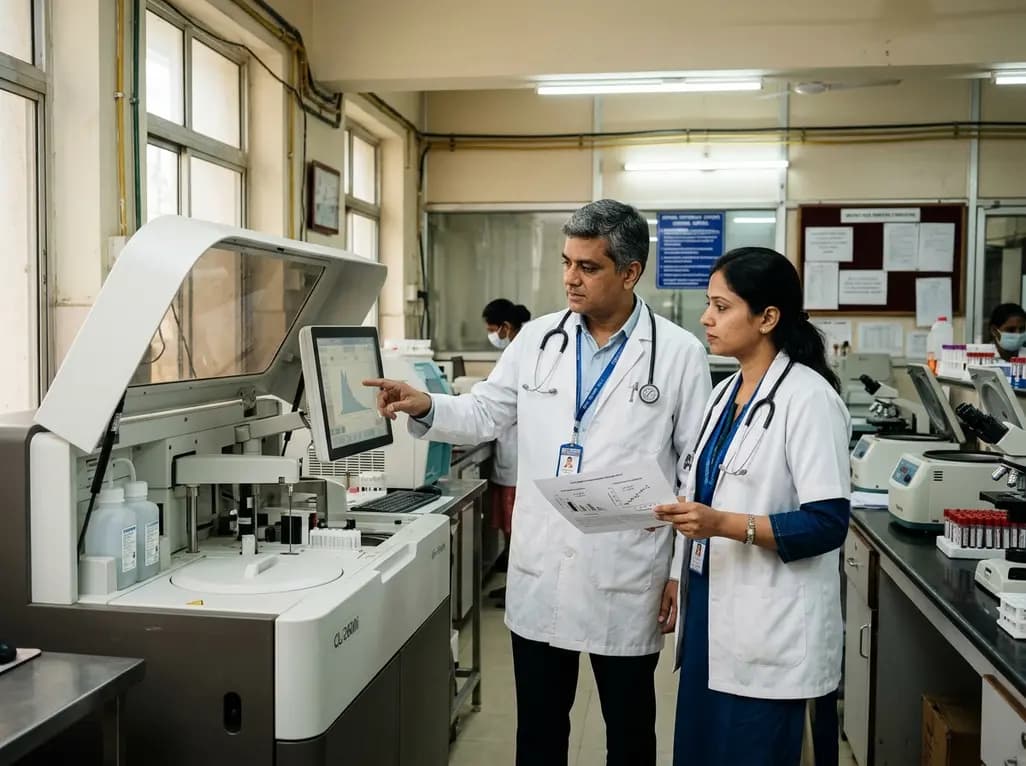
A multicenter study evaluated the CL-2600i immunochemistry analyzer across 640 serum samples, testing endocrinology, infectious disease serology, sepsis markers, and fertility panels. The system demonstrated high analytical trueness, repeatable results with CVs under 5%, and strong correlation with routine platforms.
Today

A recent survey reveals significant gaps in antenatal providers' adherence to pregnancy oral health guidelines despite positive attitudes. Integrating regular oral screenings, clinician education, and interprofessional dental referrals during prenatal care is crucial to prevent adverse pregnancy outcomes.
Today
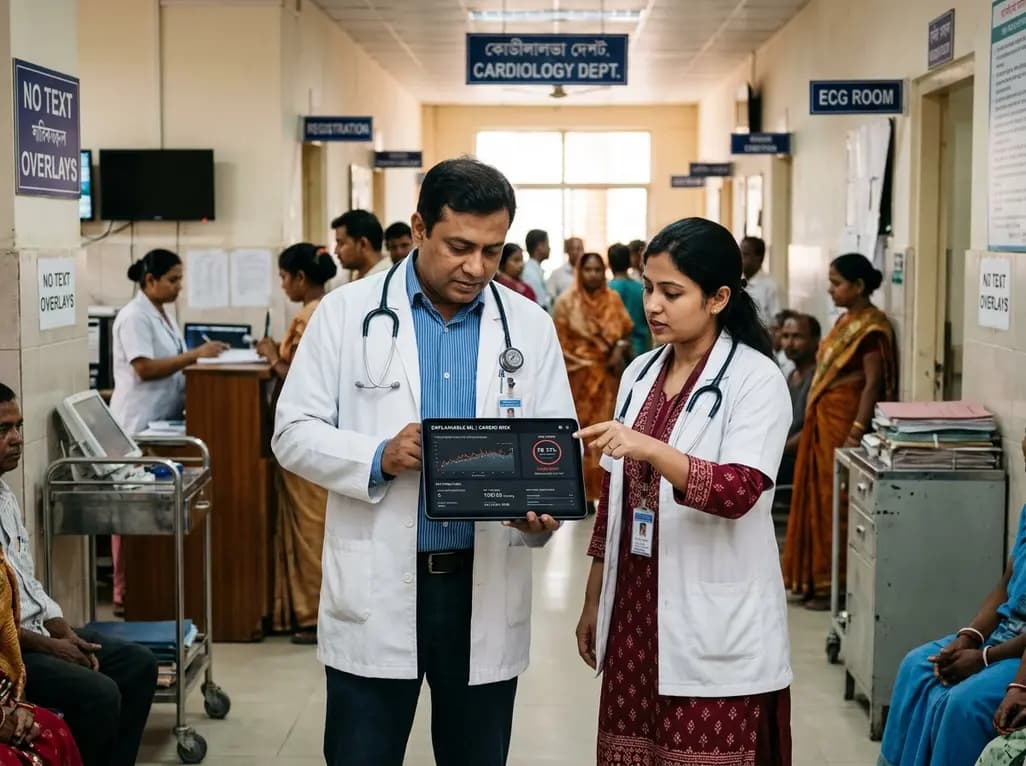
A cross-sectional study in Bangladesh demonstrates that an explainable stacking ensemble machine learning model achieves 98.37% accuracy in cardiovascular disease detection. Using local clinical and behavioral data, the model highlights cholesterol, rhythm abnormalities, and blood pressure as leading predictors.
Today
Laser-based powder bed fusion of Ti6Al4V enables custom orthopedic implants. Recent research reveals that heat treatment modulates ductility and wettability, while surface powder morphology drives mesenchymal cell attachment, highlighting crucial design factors for long-term osseointegration.
Today

Recent physiological findings demonstrate that myoglobin acts beyond oxygen transport, significantly regulating skeletal muscle glucose metabolism and mitochondrial bioenergetics. Understanding these intracellular metabolic shifts offers fresh insights into metabolic health and exercise physiology.
Yesterday
