.webp&w=384&q=75)

Loading, please wait...
Loading, please wait...
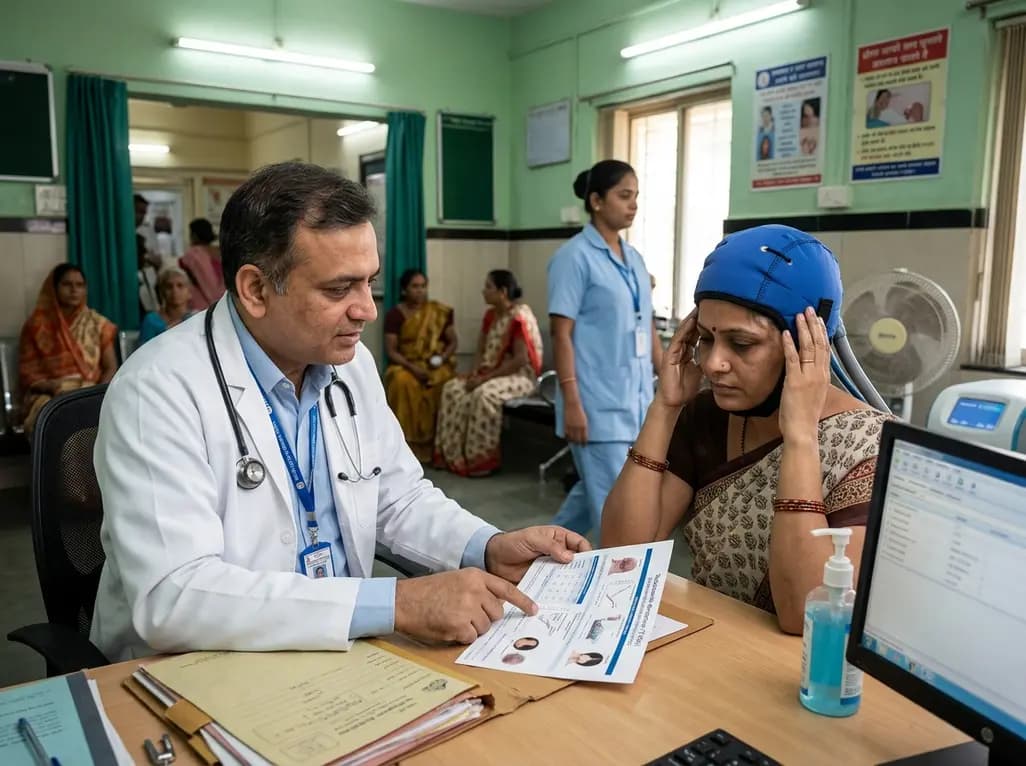
The clinical utility of scalp cooling efficacy remains a subject of intense investigation as novel antibody-drug conjugates (ADCs) redefine treatment standards. Trastuzumab deruxtecan (T-DXd) has significantly improved survival outcomes for patients with metastatic breast cancer (MBC). However, this therapy frequently causes alopecia, which is a distressing side effect for many. Consequently, a recent prospective Phase II trial at the Dana-Farber Cancer Institute evaluated whether the Paxman Scalp Cooling System could mitigate this hair loss. Unfortunately, the results suggest that traditional cooling methods may face unique challenges with ADC-based regimens.
The trial enrolled 40 evaluable patients with MBC who were starting treatment with T-DXd. Specifically, participants chose between a scalp cooling arm and a non-cooling control group. Researchers primarily measured the rate of grade 1 or higher alopecia. According to the results, 82.5% of all patients experienced significant hair loss. In particular, 90% of those in the cooling group developed alopecia compared to 75% in the control group. Because the P-value was 0.41, the difference between the two arms was not statistically significant. Therefore, the study failed to demonstrate scalp cooling efficacy for this specific population.
In addition to overall hair loss, researchers looked at grade 2 alopecia, which represents severe thinning. Notably, both groups showed identical grade 2 alopecia rates of 55%. Furthermore, severe hair loss was the leading cause for patients stopping the cooling treatment. Similarly, the median time to developing grade 2 alopecia was actually shorter in the cooling arm. As a result, these findings highlight the complexity of preventing hair loss during ADC therapy. Thus, clinicians must manage patient expectations regarding the use of cooling systems with T-DXd.
While scalp cooling is highly effective for many taxane-based regimens, its success varies significantly depending on the drug used. For newer antibody-drug conjugates like T-DXd, recent data suggests it may not provide the same level of protection.
The study found no statistically significant difference in hair loss rates between patients who used scalp cooling and those who did not while receiving T-DXd. Grade 2 alopecia rates were equal at 55% in both groups.
Disclaimer: This content is for informational and educational purposes only and does not constitute medical advice. Always seek the advice of a qualified healthcare provider regarding any medical condition. Refer to the latest local and national guidelines for clinical practice.
References
Salehi E et al. Scalp cooling outcomes in patients receiving trastuzumab deruxtecan for metastatic breast cancer. ESMO Open. 2026 Jun 08. doi: undefined. PMID: 42258966.
Rugo HS, et al. Association Between Use of a Scalp Cooling Device and Alopecia After Chemotherapy for Breast Cancer. JAMA. 2017;317(6):606-614.
Nangia J, et al. Scalp cooling alopecia prevention trial (SCALP) for patients with early-stage breast cancer. JAMA. 2017;317(6):596-605.

Read summarized clinical updates, watch expert medical content, and earn CME certifications right from your smartphone.
Open your smartphone camera to scan and install.





A Phase II trial finds scalp cooling ineffective at preventing alopecia in metastatic breast cancer patients receiving Trastuzumab deruxtecan....
4 months ago

As monsoon seasons elevate arboviral disease threats, Tamil Nadu has initiated an ICMR-monitored evaluation of the tetravalent dengue vaccine in Tenkasi district. Clinicians emphasize clinical monitoring, public prevention, and high-quality early pediatric care to reduce disease morbidity across endemic regions.
Today

Leucine Rich Bio has introduced South Asia's first comprehensive vaginal microbiome test, BugSpeaks. By profiling microbial dysbiosis, pathogens, and antimicrobial resistance, this next-generation diagnostic platform provides clinicians with deeper insights into recurrent infections, fertility, and reproductive health.
Today

Review how tailored exercise programs benefit frail older patients with heart failure. Explore pathophysiological mechanisms, individualized training prescriptions, and strategies to overcome adherence barriers in clinical practice.
Today

This comparative study evaluates posterior labral tears with and without glenohumeral instability, highlighting distinct demographic patterns, MRI underestimation in stable shoulders, and successful arthroscopic repair outcomes.
Today

A clinical study demonstrates that early intervention with tocilizumab, either as monotherapy or bridged with corticosteroids, achieves significant proptosis reduction and resolves active inflammation in treatment-naive thyroid eye disease.
Today
