.webp&w=384&q=75)

Loading, please wait...
Loading, please wait...
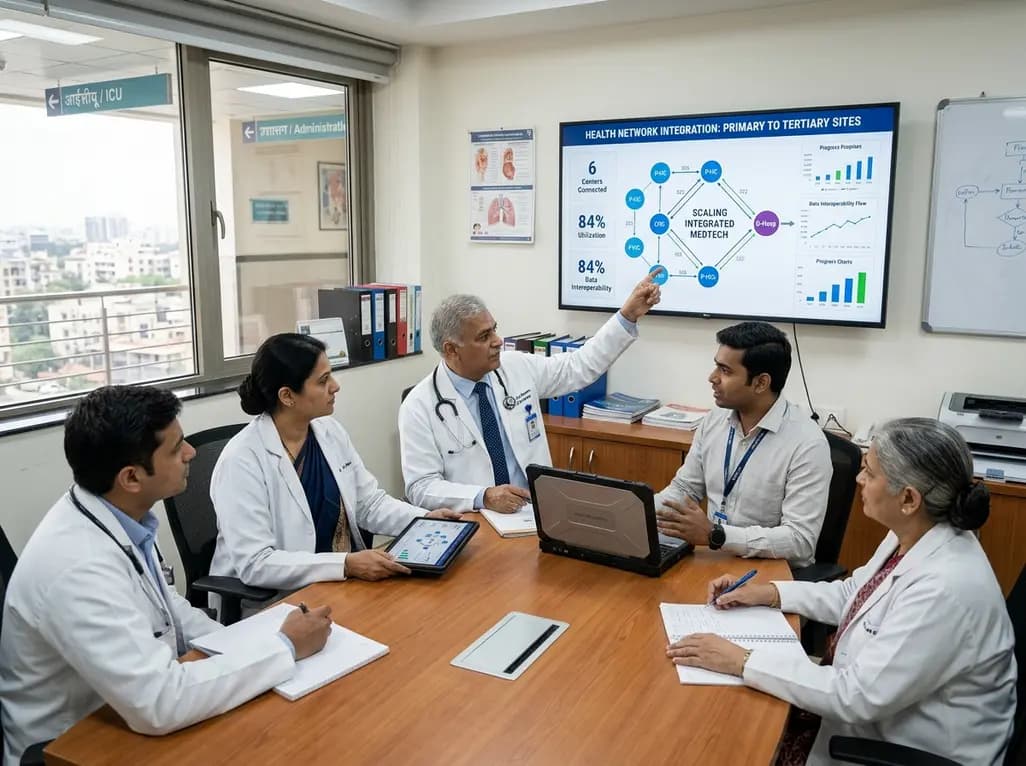
Modern healthcare facilities frequently encounter a paradox where pilot programs flourish in isolation but fail during enterprise expansion. Consequently, hospital administrators and clinicians now recognize that true transformation demands successful scaling MedTech adoption across routine practice. A breakthrough device or algorithm cannot help patients if it remains trapped within specialized pilot units. Instead, health systems must establish standardized operational pathways that translate technological promises into tangible clinical benefits. Therefore, healthcare leaders must evaluate technological value through sustained clinical outcomes, standardized workflows, and long-term institutional readiness.
For any novel technology to succeed across a multi-hospital health system, it must first demonstrate clear patient benefit. Clinical specialists rightfully caution against embracing tools solely because novel features generate excitement among industry stakeholders. Instead, adoption criteria must rest firmly upon measurable clinical evidence and proven therapeutic security. Clinicians require verifiable data demonstrating that new equipment enhances diagnostic accuracy or reduces intraoperative complication rates.
Consider the ongoing evolution of advanced surgical stapling devices in gastrointestinal and bariatric procedures. Initially, new stapling configurations required rigorous validation to prove that they minimized tissue trauma and reduced postoperative leak rates. Furthermore, these mechanical advancements successfully shortened the surgical learning curve for junior practitioners. When surgeons review tangible clinical data showing reduced morbidity, they naturally welcome the technology into their operating theatres.
However, clinical validation requires structured evaluation processes before network deployment begins. Departmental chairpersons must examine whether clinical trials reflect the heterogeneous patient demographics treated within everyday community wards. In addition, institutions should establish multidisciplinary technology assessment committees comprising surgeons, intensivists, and clinical pharmacologists. Consequently, these review teams can verify that incoming equipment provides meaningful diagnostic or curative improvements. When healthcare systems base procurement decisions on verifiable clinical evidence, they protect patient safety and foster lasting clinician trust.
Demonstrating clinical efficacy represents only the initial phase of institutional transformation. Many promising healthcare technologies stall when administrative teams attempt to scale them beyond initial test sites. Often, a passionate clinical champion achieves remarkable success in a single center of excellence. Unfortunately, duplicating that success across affiliate hospitals presents substantial operational friction, as regional facilities maintain distinct staffing models and procedural norms.
To bridge this implementation gap, healthcare organizations must cultivate an institutional culture that embraces adaptive operational workflows. Hospital administrators cannot expect frontline personnel to manage complex rollouts during hectic shifts without dedicated structural support. Therefore, progressive health networks create specialized transformation teams tasked with overseeing workflow integration, protocol alignment, and change management. Moreover, these dedicated units provide ongoing training for ward nurses, surgical technicians, and medical residents.
Comprehensive training programs directly alleviate the cognitive load imposed by unfamiliar diagnostic interfaces or mechanical equipment. In addition, hospital leaders must standardize operating room protocols to eliminate procedural discrepancies across different locations. When technical platforms seamlessly match established bedside routines, staff resistance diminishes rapidly. As a result, routine care delivery continues without unexpected disruptions or compromised patient safety standards. Ultimately, systematic workflow design ensures that technological interventions function as reliable clinical assets rather than cumbersome operational bottlenecks.
Traditional fiscal evaluation models often hinder the expansion of transformative clinical devices across health networks. Traditionally, financial controllers evaluate capital expenditures by calculating rapid return on investment over short accounting periods. However, high-impact medical innovations often deliver superior clinical value alongside prolonged financial payback horizons. Healthcare executives must look past immediate financial benchmarks to recognize broad systemic advantages.
For example, specialized bariatric instrumentation or robotic surgery platforms may show a modest direct capital return during initial rollout periods. Nevertheless, these systems generate profound downstream economic value by shortening patient length of stay and preventing costly surgical revisions. Hospital leaders must therefore analyze the total cost of care rather than procedure-specific equipment expenses. Furthermore, institutional viability frequently materializes over four to six years as clinical volume expands across diverse clinical departments.
Consequently, modern hospital executives are adopting a more balanced evaluation framework for capital allocation. Under this progressive model, administrators accept modest immediate margins if an intervention demonstrates undeniable improvements in surgical recovery and clinical safety. Moreover, enhanced therapeutic reliability builds public trust and elevates institutional reputation within competitive regional markets. This heightened community standing drives sustained patient referrals and bolsters long-term institutional stability. Therefore, patient-centered economic assessments protect hospitals from rejecting clinically superior technologies prematurely.
Advanced therapeutic interventions cannot remain confined exclusively to elite tertiary medical facilities located within major metropolitan regions. True healthcare advancement requires that populations living in tier-two and tier-three municipalities access equivalent standards of clinical excellence. However, expanding specialized clinical solutions to peripheral hospitals introduces logistical, educational, and infrastructural obstacles that demand collaborative solutions from multiple stakeholders.
To overcome these geographic disparities, healthcare networks must build standardized educational frameworks across their affiliate clinics. Senior consultants from central tertiary hubs can mentor regional clinical teams through remote proctoring and structured training rotations. In addition, medical device manufacturers must supply durable equipment supported by responsive technical servicing networks in smaller districts. Furthermore, public and private insurance payers should establish equitable reimbursement tariffs that reward high-quality clinical outcomes across all regions.
Consequently, standardized treatment protocols eliminate procedural variability between flagship urban hospitals and smaller community facilities. Patients who require specialized surgical interventions can then obtain trustworthy care without traveling excessive distances to major metropolitan centers. Moreover, localized access significantly mitigates household financial strain associated with patient transit, lodging, and prolonged family displacement. Ultimately, democratizing clinical technology elevates the baseline of national public health while ensuring equitable healthcare delivery for underserved regional populations.
Sustained clinical technological integration relies heavily on robust digital infrastructure and unified data ecosystems across modern hospital networks. Isolated software applications create fragmented care records that obscure critical clinical trends and patient histories. Therefore, medical devices, electronic health records, and laboratory platforms must communicate seamlessly using standardized interoperability frameworks to enable coordinated interdisciplinary care.
When diagnostic and therapeutic systems share clinical data in real time, attending physicians obtain a comprehensive patient profile. For instance, integrated telemetry devices alert clinicians to early signs of physiological decline before critical emergencies emerge. Furthermore, unified data ecosystems enable clinical teams to tailor operative plans and medication schedules precisely to each patient's profile. As a result, medical errors decrease while personalized disease management becomes an achievable operational standard across health systems.
Additionally, interoperable systems facilitate longitudinal data collection that informs health network quality improvement initiatives. Clinicians can study post-discharge outcomes across thousands of patients to refine operational protocols and surgical workflows. Moreover, seamless data connectivity allows multi-hospital organizations to evaluate new medical tools transparently based on aggregated therapeutic evidence. Thus, an interconnected digital infrastructure converts standalone clinical tools into an intelligent care environment that consistently improves patient outcomes.
Q1: What is the primary barrier to scaling MedTech adoption across multi-hospital networks?
The primary barrier involves operational workflow friction rather than technical inadequacy. Health systems often struggle because peripheral facilities lack standardized protocols, dedicated change management teams, and specialized technical training. Furthermore, healthcare teams face daily administrative burdens that limit time for learning complex interfaces. To achieve successful widespread adoption, hospital leadership must invest in structured workforce training, robust IT interoperability, and continuous clinician engagement rather than focusing solely on initial capital equipment procurement.
Q2: How should hospital leaders measure return on investment for high-impact technologies?
Hospital leadership should evaluate investment returns through total cost of care rather than simple procedural profit margins. Advanced devices may demonstrate modest upfront accounting returns while significantly decreasing complication rates, surgical revisions, and inpatient stay lengths. Furthermore, improved patient outcomes bolster community trust, driving sustained referral volumes over multi-year evaluation periods. Consequently, administrators must utilize broader value-based economic frameworks that account for patient safety, clinical efficacy, and long-term organizational reputation over extended horizons.
Q3: Why is workflow integration essential for surgical innovations such as stapling systems?
Surgical innovations directly alter operating room choreography, requiring complete harmony between operating surgeons, scrub nurses, and technical assistants. Advanced stapling platforms improve tissue security and reduce intraoperative bleed risks only when surgical staff understand proper tissue compression and reload selection. Consequently, standardized workflow integration ensures that every team member receives hands-on training and follows uniform operating protocols. This institutional alignment prevents technique-related complications, accelerates the procedural learning curve, and guarantees reproducible patient outcomes across all hospital sites.
Disclaimer: This content is for informational and educational purposes only. It does not constitute medical advice or replace professional judgment. Refer to the latest local and national guidelines for clinical practice.
References

Read summarized clinical updates, watch expert medical content, and earn CME certifications right from your smartphone.
Open your smartphone camera to scan and install.





Healthcare leaders are shifting focus from novel pilots to sustainable MedTech expansion. By prioritizing verified clinical utility, comprehensive staff training, digital interoperability, and long-term economic value over rapid ROI, hospital networks can bridge quality care gaps across primary and tertiary centers.
Today

A multicenter study validates dry chemical colorimetry on the VITROS 350 system for plasma ammonia detection, proving excellent precision, linearity, and cross-platform concordance.
Today

The government of Maharashtra is establishing a novel state-level Living Lab to elevate clinical outcomes, bridge public-private service gaps, and test real-world health interventions. By integrating digital innovations and frontline feedback, the platform fosters sustainable, equitable care models across communities.
Today
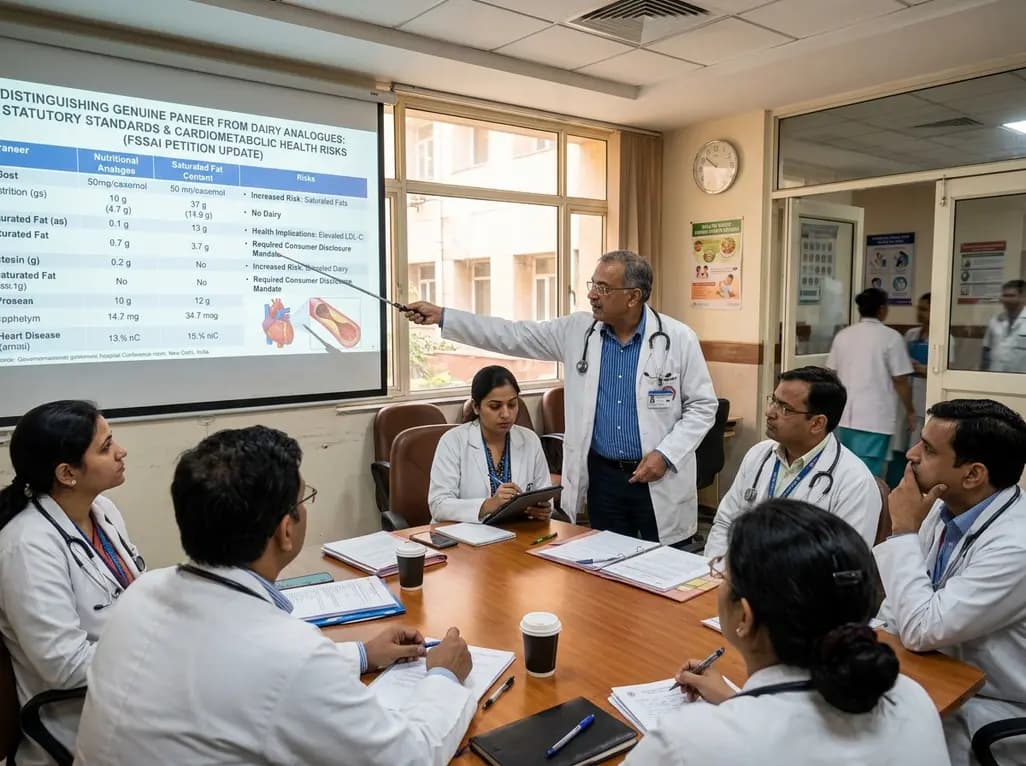
The Delhi High Court has directed the FSSAI and Centre to address petitions regarding dairy analogue products sold as genuine paneer. Learn about the statutory standards, nutritional differences, cardiometabolic health risks, and required consumer disclosure mandates in eateries across India.
Today

The state government is deploying helicopter emergency medical services across the Mumbai-Pune Expressway, Samruddhi Mahamarg, and Mumbai-Goa Highway. This initiative establishes unified standard operating procedures to enable rapid triage, advanced prehospital resuscitation, and seamless trauma care transfers.
Today
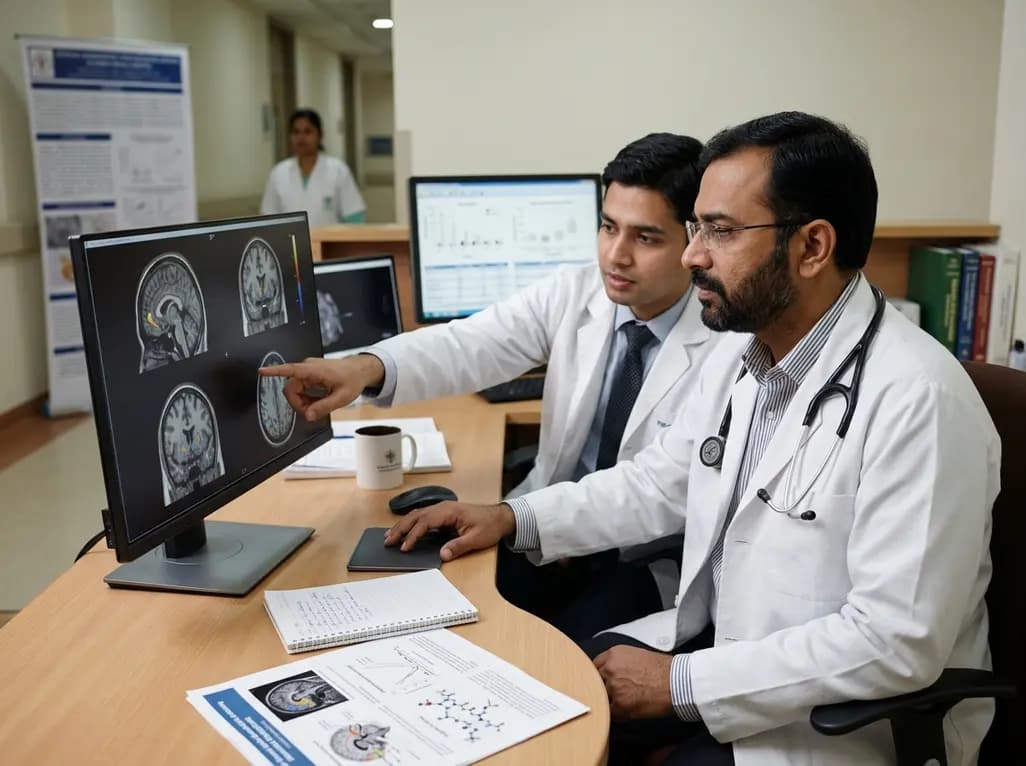
A systematic review of 66 preclinical studies reveals that GLP-1 mono-agonists modulate central reward processing. These findings demonstrate significant reductions in palatable food intake, substance self-administration, and compulsive behaviors, offering novel neurobiological targets for neuropsychiatry.
Today
