.webp&w=384&q=75)

Loading, please wait...
Loading, please wait...
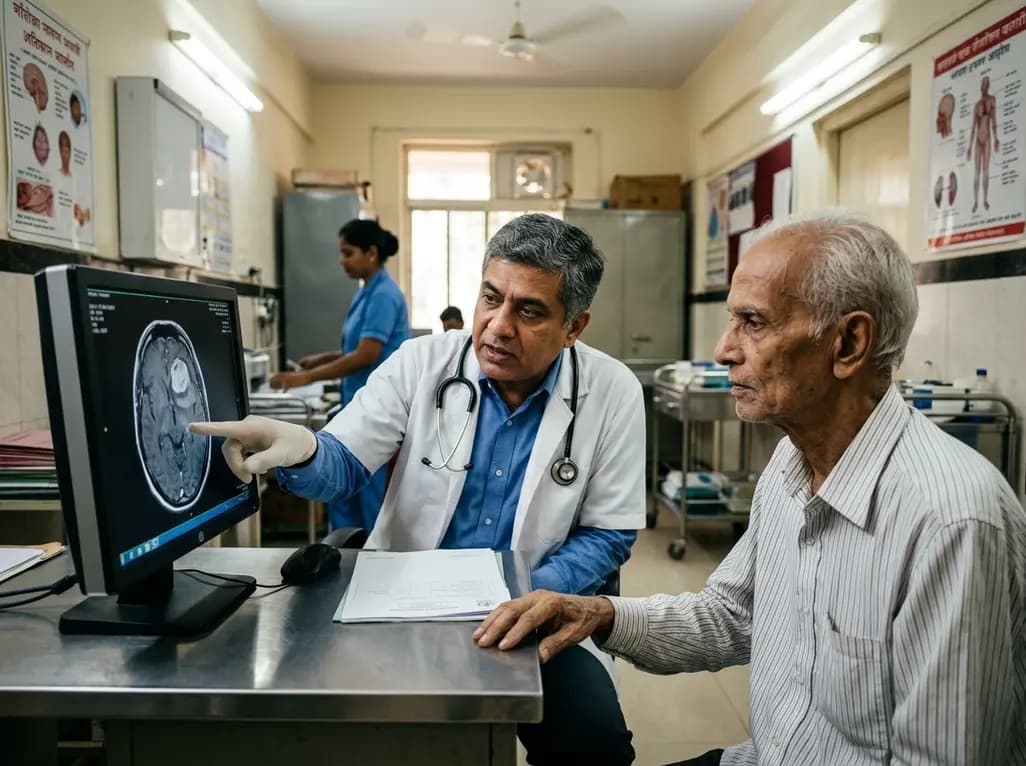
Preoperative risk assessment remains a vital component of modern neuro-oncology practice. Traditionally, neurosurgeons and neuro-anesthesiologists rely on isolated metrics, such as body mass index (BMI) or serum albumin, to evaluate baseline physiological reserve. However, these individual parameters frequently overlook complex metabolic alterations. In particular, sarcopenic obesity in neurosurgery represents a covert yet detrimental phenotype where excess adiposity masks significant skeletal muscle loss and systemic inflammation. Cachectic-malnourished patients also present substantial surgical challenges due to severe protein depletion and reduced physiological resilience.
When patients undergo major craniotomies for intracranial neoplasms, baseline nutritional impairment often compromises tissue repair, wound healing, and central nervous system recovery. Moreover, standard surgical risk tools frequently fail to capture how differing intracranial tumor histologies interact with nutritional depletion. A patient presenting with an indolent meningioma has fundamentally different biological and systemic stressors compared to one undergoing resection for high-grade glioma or metastatic disease. Consequently, clinicians require a deeper understanding of how composite nutritional phenotypes influence perioperative morbidity and mortality across specific tumor types. By moving beyond isolated laboratory values, surgical teams can better communicate risks, optimize perioperative resources, and personalize therapeutic decision-making.
To evaluate the clinical impact of combined nutritional markers, investigators conducted a large-scale retrospective cohort study using data from the American College of Surgeons National Surgical Quality Improvement Program (ACS-NSQIP) database spanning 2016 through 2023. The analysis examined 27,057 adult patients undergoing craniotomy for three primary histological categories: meningioma, malignant glioma, and brain metastases. Rather than evaluating BMI or albumin in isolation, the researchers created four discrete composite nutritional phenotypes.
Specifically, the investigators categorized patients into adequately nourished (normal BMI and normal albumin), obese-replete (elevated BMI and normal albumin), sarcopenic-obese (elevated BMI and hypoalbuminemia), and cachectic-malnourished (low BMI or normal BMI with hypoalbuminemia). The primary study endpoints included major 30-day postoperative morbidity, 30-day mortality, failure to rescue (FTR), and non-home discharge. To minimize baseline confounding across demographic and clinical variables, the investigators employed inverse probability of treatment weighting (IPTW). Furthermore, they conducted rigorous histology-stratified analyses and statistical interaction testing. This robust methodological approach allowed the researchers to isolate the true effect of nutritional phenotypes across diverse tumor biologies.
The study results revealed striking differences in postoperative outcomes across the defined nutritional categories. When compared against adequately nourished individuals, patients with sarcopenic-obese and cachectic-malnourished phenotypes experienced significantly higher rates of adverse events. Specifically, the IPTW-adjusted odds ratio for major 30-day morbidity was 1.47 in the sarcopenic-obese cohort and 1.60 in the cachectic-malnourished cohort. Similarly, 30-day mortality rose markedly, showing odds ratios of 2.28 and 1.96 for sarcopenic-obese and cachectic-malnourished patients, respectively.
In contrast, the obese-replete cohort demonstrated a distinct clinical trajectory. These patients experienced no significant increase in 30-day mortality (OR 1.06). Furthermore, obese-replete individuals exhibited a protective association against failure to rescue (OR 0.76), an effect that was especially pronounced within the brain metastasis subgroup (OR 0.58). This observation aligns with the well-documented obesity paradox in surgical literature, wherein preserved metabolic reserves provide a buffer against catastrophic postoperative complications. Conversely, when obesity coexists with low serum albumin—indicating sarcopenia and systemic inflammation—this protective buffer vanishes completely. Thus, elevated body mass without adequate protein status compounds surgical risk rather than mitigating it.
A key strength of this large-scale analysis lies in its histology-stratified findings, which demonstrated meaningful interaction effects between nutritional status and tumor pathology. The interaction tests were statistically significant for both 30-day mortality (p = 0.044) and non-home discharge (p = 0.009). This indicates that the prognostic weight of nutritional depletion varies considerably depending on the biological aggressiveness and baseline systemic burden of the underlying tumor.
Most notably, sarcopenic obesity conferred a 3.61-fold increase in 30-day mortality among patients undergoing resection for benign meningiomas. Because baseline mortality in meningioma surgery is typically low, the sudden presence of sarcopenic obesity creates an outsized relative impact on patient survival. In contrast, for patients with aggressive malignant gliomas or metastatic disease, high baseline tumor lethality and neurological disability somewhat attenuate the relative effect size of nutritional status alone. Nevertheless, cachectic and sarcopenic-obese patients with metastatic lesions still experienced substantially higher rates of non-home discharge and extended hospital stays. Therefore, surgical teams must interpret nutritional risk through the lens of tumor histology.
Although the composite nutritional phenotype successfully stratified patients into distinct clinical risk strata, it showed notable limitations regarding overall predictive discrimination. When researchers analyzed the receiver operating characteristic curves, the composite phenotype achieved an area under the curve (AUC) of 0.75 for 30-day mortality. In comparison, preoperative serum albumin alone achieved an AUC of 0.76. Thus, combining BMI with albumin did not enhance statistical discrimination beyond that of standard albumin measurement alone.
This finding carries vital practical importance for neurosurgical practice. While composite phenotyping provides valuable conceptual clarity regarding patient body composition, serum albumin remains an exceptionally powerful standalone predictor of surgical risk. Hypoalbuminemia reflects ongoing systemic inflammation, capillary leak, hepatic synthetic dysfunction, and physiological exhaustion. Consequently, neurosurgeons should not discard simple serum albumin testing in favor of more complicated multi-variable scoring systems. Instead, clinicians should use nutritional phenotypes primarily for risk communication, structured clinical discussions, and targeted prehabilitation hypotheses, rather than expecting superior mathematical risk prediction.
These findings offer several direct practice points for neurosurgical and perioperative teams globally, including healthcare settings across India where nutritional disparities and metabolic syndromes frequently coexist. In Indian tertiary care centers, clinicians routinely encounter patients presenting with hidden muscle wasting alongside normal or elevated body weight due to urban dietary transitions and physical inactivity.
First, clinicians must routinely obtain preoperative serum albumin levels before elective or urgent cranial surgery. Hypoalbuminemia should immediately trigger a comprehensive nutritional review and multidisciplinary discussion. Second, teams should implement rapid prehabilitation pathways when surgical timelines permit. For elective meningioma cases, optimizing glycemic control, delivering high-protein supplementation, and encouraging structured physiotherapy can potentially attenuate perioperative risk. Third, surgical teams must tailor discharge planning early in the hospital course. Sarcopenic and cachectic patients have a high likelihood of requiring institutional rehabilitation or extended nursing care. Finally, surgeons should utilize these phenotypic insights to facilitate transparent, histology-aware informed consent with patients and their families.
The sarcopenic-obese phenotype is characterized by an elevated body mass index combined with low serum albumin levels. In neurosurgery, this profile reflects covert skeletal muscle loss and chronic systemic inflammation masked by excess adipose tissue. Patients with this phenotype experience significantly higher rates of 30-day postoperative morbidity and mortality.
Meningioma resections generally carry a low baseline surgical mortality. When sarcopenic obesity is present, the severe underlying metabolic depletion, impaired tissue healing, and systemic inflammatory state create a substantial 3.61-fold increase in relative mortality. In contrast, higher baseline risks in malignant tumors somewhat dilute the relative effect size of nutritional impairment.
No, the composite nutritional phenotype does not exceed serum albumin alone in predictive discrimination. In the NSQIP analysis, the composite model achieved an AUC of 0.75 for 30-day mortality, whereas serum albumin alone achieved an AUC of 0.76. Consequently, albumin remains the primary, highly effective standalone predictive biomarker.
Disclaimer: This content is for informational and educational purposes only and should not be taken as medical advice. Clinical decisions should be tailored to individual patients based on complete clinical evaluation. Refer to the latest local and national guidelines for clinical practice.
References
1. Roach CS et al. Sarcopenic obesity and cachexia as nutritional risk phenotypes and histology-specific outcomes after intracranial tumor resection: a histology-stratified NSQIP analysis of 27,057 cases. Neurosurg Rev. 2026 Aug 18. doi: 10.1007/s10143-026-04450-3. PMID: 42611367.
2. Dasenbrock HH, Liu KX, Chavakula V, et al. Body habitus, serum albumin, and the outcomes after craniotomy for tumor: a National Surgical Quality Improvement Program analysis. Neurosurgery. 2017;80(2):252-261.
3. Donini LM, Busetto L, Bischoff SC, et al. Definition and diagnostic criteria for sarcopenic obesity: ESPEN and EASO Consensus Statement. Clin Nutr. 2022;41(4):990-1000.
4. Batsis JA, Villareal DT. Sarcopenic obesity in older adults: aetiology, epidemiology and treatment strategies. Nat Rev Endocrinol. 2018;14(9):513-537.

Read summarized clinical updates, watch expert medical content, and earn CME certifications right from your smartphone.
Open your smartphone camera to scan and install.





A study of 27,057 craniotomy cases reveals that sarcopenic obesity and cachexia significantly elevate 30-day morbidity and mortality, with a 3.61-fold mortality increase in meningioma patients, underscoring the vital role of preoperative nutritional assessment in neuro-oncology.
last month

With Delhi reporting nearly triple the vector-borne infections since August, healthcare practitioners face heightened diagnostic challenges. Timely differentiation between dengue and malaria, vigilant monitoring during the critical afebrile phase, and strict avoidance of NSAIDs remain vital for reducing morbidity.
Today

A scoping review reveals how pregnancy affects phonation through laryngeal edema and reduced phonation time rather than major acoustic pitch alterations. Learn how to identify, evaluate, and manage vocal symptoms in expectant mothers.
Today

According to WHO data, average lifespan reached 73.3 years in 2023, recovering from pandemic lows. However, healthy life expectancy lags at 62.8 years due to surging noncommunicable conditions like cardiovascular disease and dementia, demanding proactive primary screening and sustained chronic care.
Today
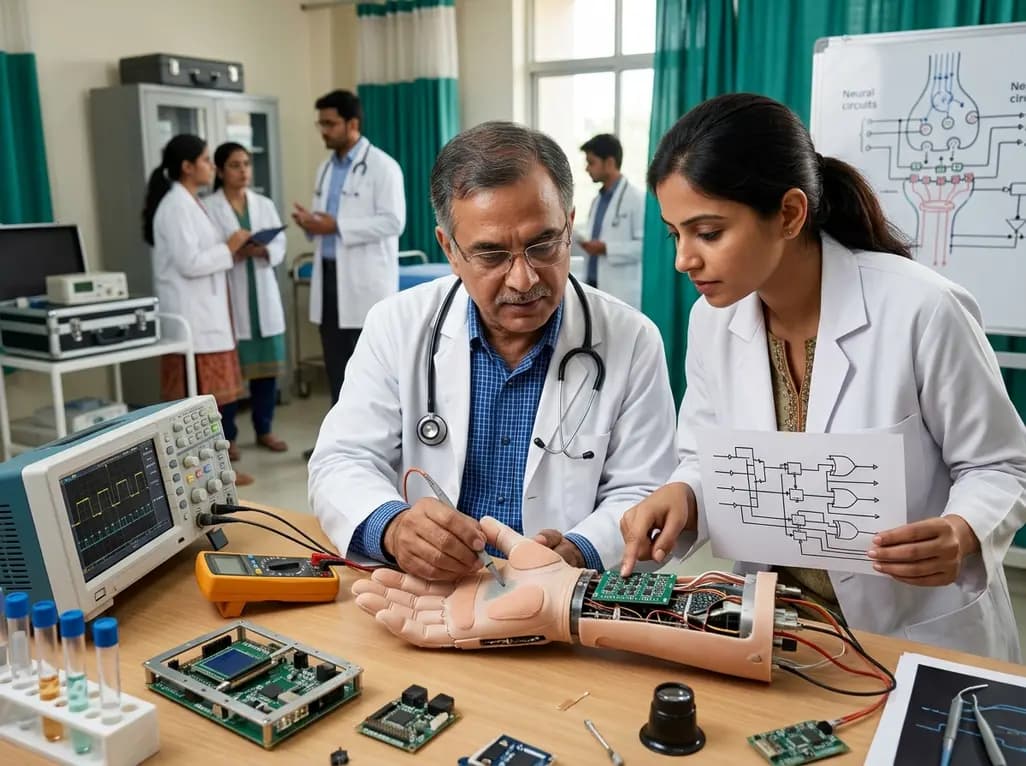
Researchers have engineered an artificial sensory-pain integrated receptor using a multi-threshold organic synaptic transistor. The system distinguishes benign touch from noxious stimuli, enabling safer, more responsive prosthetic limbs with built-in memory and simplified hardware architecture.
Today
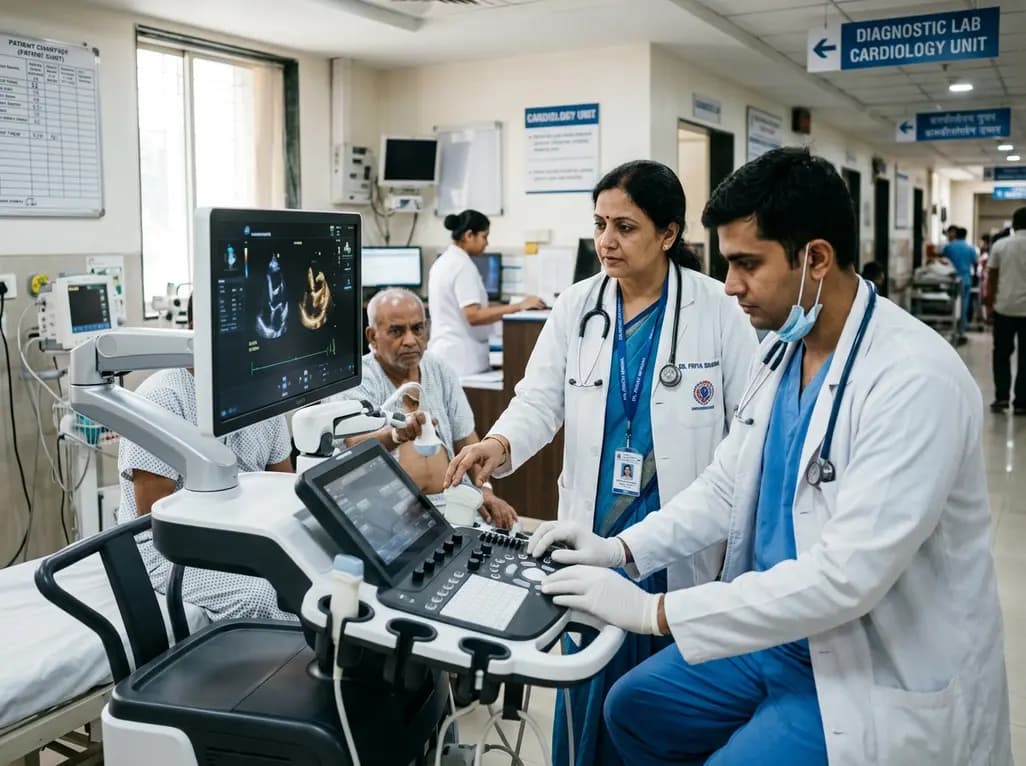
Medical robotics is transitioning beyond operative suites into diagnostics, cardiology, and endocrinology. Explore how innovations in tele-robotics, AI integration, and nanomedicine are overcoming geographical barriers and transforming precision healthcare delivery across India's evolving disease landscape.
Today
