.webp&w=384&q=75)

Loading, please wait...
Loading, please wait...
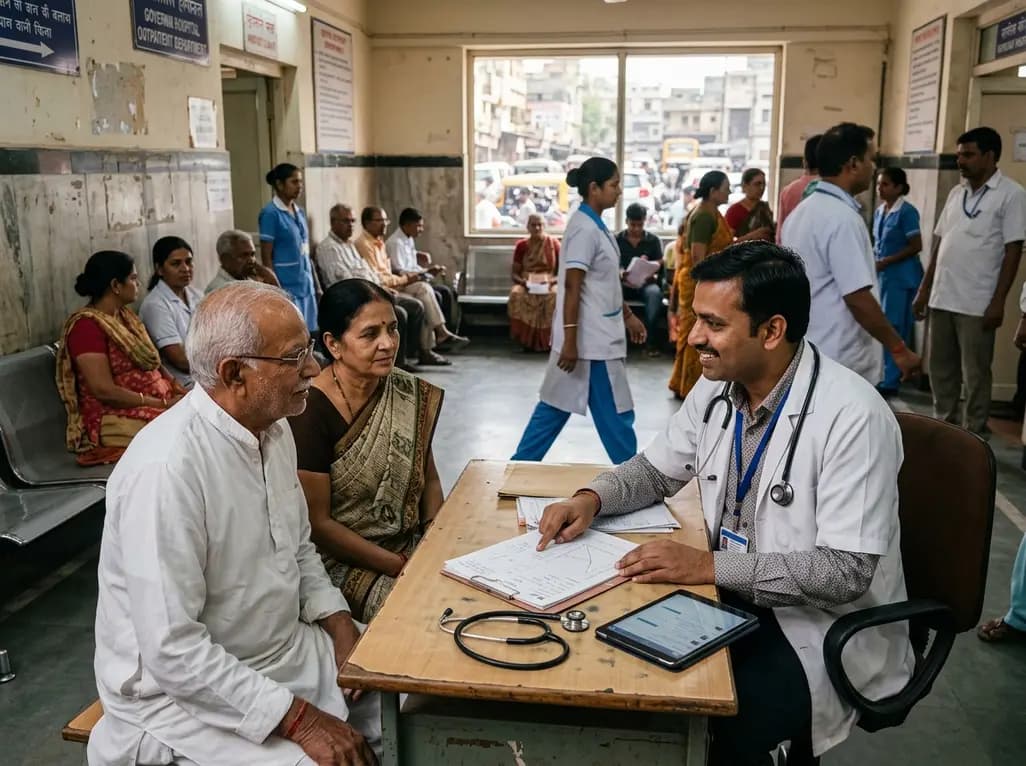
The World Health Organization recently reported that global life expectancy reached 73.3 years in 2023. Consequently, overall human longevity has nearly returned to the pre-pandemic benchmark of 73.4 years recorded in 2019. This rebound follows a severe drop to 71.5 years during 2021. However, healthy lifespan recovery lags behind, creating substantial new challenges for physicians worldwide.
The latest Global Health Estimates report demonstrates remarkable resilience across international health systems. Specifically, global life expectancy gained nearly two full years between 2021 and 2023, reversing devastating losses caused by Covid-19. During 2021, the coronavirus crisis plunged average lifespans downward across every populated continent. Fortunately, widespread immunization, targeted antiviral therapeutics, and accumulated clinical experience successfully lowered acute mortality rates. Thus, the direct burden of Covid-19 decreased dramatically by 2023. Covid-19 fell to the 14th leading cause of death worldwide, claiming approximately 900,000 lives. This statistic reflects a massive decline from 9.4 million deaths in 2021. Furthermore, mortality from HIV and AIDS decreased by 62 percent since 2000, dropping to the 22nd position globally. Low-income nations also achieved a historic public health milestone during this period. For the first time, communicable diseases caused fewer than half of all fatalities in low-income territories. Therefore, modern public health interventions have achieved extraordinary victories against acute infectious pathogens. Nevertheless, clinical leaders recognize that longer survival creates substantial secondary challenges for health systems. Accordingly, healthcare infrastructure must pivot quickly toward preventing long-term disability and managing complex degenerative conditions.
Although overall survival rates rebounded swiftly, healthy life expectancy recovered far more sluggishly across the globe. Specifically, healthy life expectancy reached only 62.8 years in 2023, remaining 0.4 years lower than in 2019. Consequently, global populations spend more absolute years living with progressive morbidity, physical limitations, and chronic disease. Public health officials emphasize that longevity gains lose value when debilitating conditions erode functional independence. In particular, noncommunicable diseases now account for eight of the top ten causes of death worldwide. Noncommunicable conditions represented 74 percent of all global fatalities in 2023, rising steeply from 58 percent in 2000. Furthermore, substantial disparities exist between distinct geographical regions. Between 2000 and 2023, the WHO Americas region recorded the steepest climb in mortality risk and healthy life years lost. In contrast, the Western Pacific region documented substantial declines in healthy life loss during the same timeframe. Consequently, healthcare providers must evaluate whether added years translate into preserved functional ability for aging individuals. Clinicians must actively monitor biological decline alongside routine vital parameters during standard geriatric examinations. Therefore, addressing chronic metabolic and degenerative risks earlier in clinical practice represents an urgent public health imperative.
Cardiovascular pathology remains the single most devastating threat to global adult health. In 2023, ischemic heart disease retained its position as the premier cause of mortality worldwide. Specifically, coronary artery disease claimed approximately 9.5 million lives, accounting for 16 percent of all global deaths. In comparison, ischemic heart disease claimed 3.0 million lives in 2000, demonstrating a catastrophic expansion over two decades. In addition, stroke and chronic obstructive pulmonary disease ranked as the second and third leading causes of mortality. Stroke caused roughly 11 percent of all deaths, while chronic obstructive pulmonary disease caused approximately 6 percent. Meanwhile, lower respiratory infections retained fourth place, acting as the deadliest communicable pathology globally. For physicians in South Asia and India, these epidemiological trends reinforce immediate clinical concerns. South Asian individuals inherently possess an elevated predisposition to premature coronary atherosclerosis and ischemic events. Furthermore, escalating urban air pollution substantially accelerates chronic obstructive pulmonary disease and vascular inflammation. Consequently, general practitioners and cardiologists must enforce strict dyslipidemia control, aggressive antihypertensive therapy, and targeted smoking cessation protocols during primary consultations. Proactive interventions offer the only viable defense against this massive cardiovascular surge.
Alongside cardiovascular disorders, neurodegenerative conditions and psychiatric illnesses represent rapidly escalating public health crises. According to WHO figures, Alzheimer disease and related dementias advanced to the fifth leading cause of death globally. Dementia claimed 2.1 million lives in 2023, reflecting a three-fold mortality expansion since the year 2000. This dramatic rise correlates closely with population aging and improved survival beyond acute medical episodes. Simultaneously, psychiatric morbidity rose precipitously across international populations following the pandemic. Specifically, health loss directly attributable to depressive and anxiety disorders climbed dramatically between 2019 and 2023. Together, anxiety and depression accounted for an estimated 110 million years of healthy life lost in 2023. Furthermore, drug use disorders showed troubling geographic increases, particularly across parts of the Americas. These neuropsychiatric conditions severely incapacitate individuals during productive adult years, creating enormous socioeconomic stress. Therefore, primary care clinicians must integrate systematic cognitive evaluations and mental health screenings into routine outpatient consultations. Early detection of mild cognitive impairment enables timely lifestyle interventions, caregiver education, and pharmacological mitigation. Consequently, modern clinical practice must treat neurological and mental wellness as indispensable components of healthy aging.
The epidemiological transitions outlined in the WHO report provide critical strategic direction for Indian healthcare professionals. India currently faces a dual disease burden, managing persistent communicable threats while enduring an accelerating noncommunicable crisis. Because global life expectancy has risen, Indian clinics increasingly encounter multimorbid, elderly patients who require integrated chronic disease management. Consequently, practitioners cannot rely on fragmented, episodic medical treatments to optimize patient health. Instead, general physicians, internists, and geriatricians must establish coordinated care pathways that emphasize primary prevention. First, clinics should implement opportunistic screening programs for hypertension, diabetes mellitus, and chronic kidney disease in all adults over thirty. Second, physicians must address modifiable dietary risks, including elevated sodium consumption and inadequate dietary fiber intake. Furthermore, clinicians must prioritize pulmonary rehabilitation and tobacco cessation strategies in regions with severe ambient air pollution. Community-based support structures also remain vital to assist family caregivers managing elderly relatives with advanced dementia. Ultimately, closing the ten-year gap between chronological longevity and healthy lifespan requires proactive, patient-centered clinical care. This proactive approach ensures patients thrive rather than merely survive across extended lifespans.
Q1: Why has healthy life expectancy recovered more slowly than overall life expectancy?
Healthy life expectancy reflects the total duration an individual lives completely free from serious disability and chronic illness. While modern acute medical treatments effectively prevent premature mortality, they frequently extend survival in patients living with established noncommunicable conditions. Consequently, conditions like ischemic heart disease, osteoarthritis, diabetes, and neurodegenerative disorders persist, prolonging periods of chronic impairment even as chronological survival expands.
Q2: What factors drove ischemic heart disease mortality from 3 million to 9.5 million deaths?
Several interrelated epidemiological factors fueled this dramatic surge between 2000 and 2023. Global population aging and population expansion naturally increased the baseline cohort at risk for vascular degeneration. Additionally, rapid urbanization, widespread sedentary behaviors, tobacco consumption, and unhealthy diets high in sodium accelerated atherosclerosis worldwide. Consequently, cardiovascular complications expanded rapidly across low- and middle-income regions lacking robust early screening infrastructure.
Q3: How should clinicians in India screen for emerging post-pandemic mental health conditions?
Primary care physicians should integrate brief, validated screening tools into routine consultations to detect psychiatric morbidity promptly. Specifically, implementing questionnaires like the Patient Health Questionnaire-9 for depression and the Generalized Anxiety Disorder-7 tool helps identify distress early. Furthermore, clinicians must evaluate sleep quality, occupational burnout, and somatic complaints, ensuring timely referral to psychiatric counseling, lifestyle modifications, or appropriate pharmacological management.
Disclaimer: This content is for informational and educational purposes only. It does not constitute medical advice or replace professional judgment. Refer to the latest local and national guidelines for clinical practice.
References

Read summarized clinical updates, watch expert medical content, and earn CME certifications right from your smartphone.
Open your smartphone camera to scan and install.





According to WHO data, average lifespan reached 73.3 years in 2023, recovering from pandemic lows. However, healthy life expectancy lags at 62.8 years due to surging noncommunicable conditions like cardiovascular disease and dementia, demanding proactive primary screening and sustained chronic care.
Today

A nationwide South Korean study shows underreporting of smoking among women dropped from 57.4% to 36.4% between 2008 and 2021. However, over one-third of female smokers still conceal their habit, highlighting the critical role of cotinine verification in clinical risk assessment.
Today

Medical robotics is transitioning beyond operative suites into diagnostics, cardiology, and endocrinology. Explore how innovations in tele-robotics, AI integration, and nanomedicine are overcoming geographical barriers and transforming precision healthcare delivery across India's evolving disease landscape.
Today

A new study evaluates the rheological stability of decellularized peripheral nerve matrix hydrogels under varied storage conditions. Findings show -80°C storage and freeze-drying preserve gelation kinetics and mechanical stiffness, offering key insights for shipping and translational clinical applications.
Today
A qualitative meta-synthesis highlights the complex interplay between gender dysphoria, minority stress, and eating disorders in transgender and gender-diverse individuals. Clinicians must recognize these distinct drivers to offer supportive, gender-affirming, and interdisciplinary eating disorder care.
Today
