.webp&w=384&q=75)

Loading, please wait...
Loading, please wait...
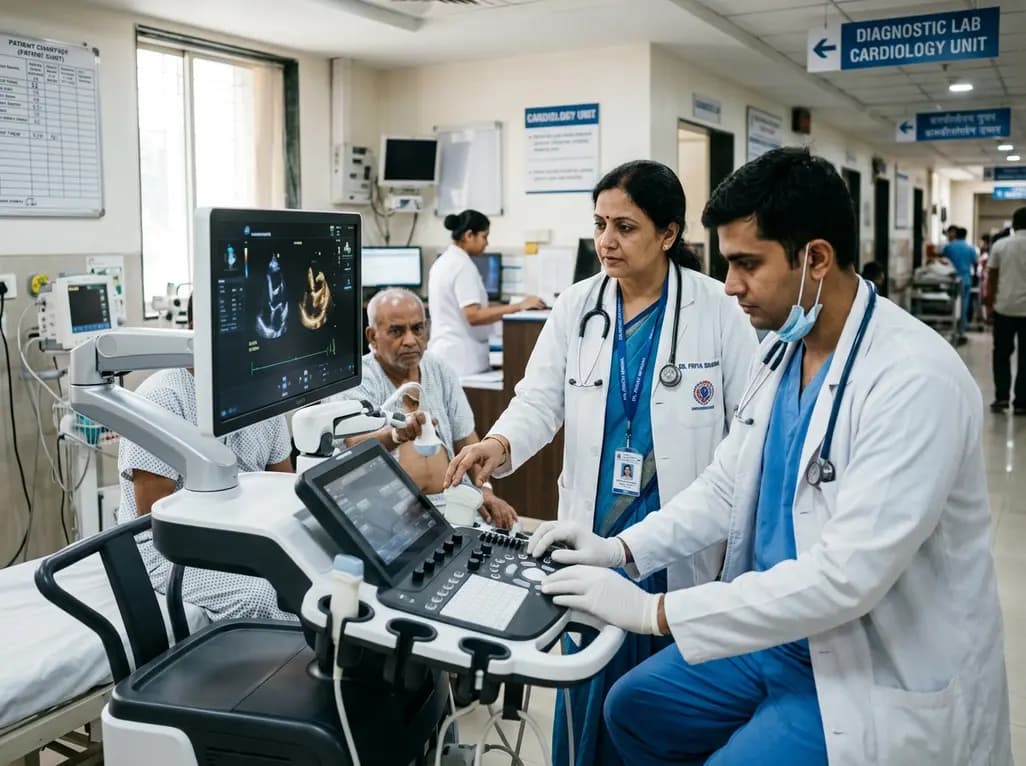
Modern healthcare systems are witnessing a rapid paradigm shift as technological advancements transform clinical practice. Historically, automated devices served primarily within operating theatres. They assisted surgeons during minimally invasive procedures. However, the scope of robotics in medicine is now expanding across numerous medical specialities. It encompasses diagnostics, remote therapeutics, and chronic disease management. Consequently, Indian healthcare providers are rethinking care delivery pathways. They aim to provide equitable, precision-oriented clinical interventions across diverse populations.
Surgical robots have achieved widespread clinical adoption over the past two decades. Surgeons routinely utilize these mechanical arms for complex urological, gynecological, and gastrointestinal interventions. However, clinical leaders now recognize that robotic technology offers capabilities far beyond laparoscopic manipulation. Specifically, robotic platforms are transitioning into diagnostic laboratories, outpatient clinics, and medical therapy suites.
Furthermore, medical specialities like cardiology and endocrinology are preparing to integrate robotic automation. In interventional cardiology, robotic navigation systems currently manipulate micro-catheters during percutaneous coronary interventions with sub-millimeter precision. Similarly, robotic systems assist endocrinologists in monitoring metabolic fluctuations and titrating complex medical regimens. Consequently, physicians achieve superior precision without enduring manual fatigue or occupational radiation exposure.
In addition, robotics reduces operator variability across diagnostic assessments. Clinicians often encounter inter-observer discrepancies in manual testing. Robotic platforms standardize sensor placement and mechanical movements, thereby eliminating erratic diagnostic variability. Therefore, clinical teams obtain consistent diagnostic metrics across multiple patient evaluations. Ultimately, medical robotics is shifting from an exclusive surgical aid into an indispensable clinical instrument for holistic patient care. This transition marks an exciting milestone in modern evidence-based medicine.
Geographical disparities frequently restrict patient access to advanced tertiary healthcare across India. Rural residents often travel hundreds of kilometers to obtain specialist consultations. However, tele-robotics offers a transformative solution to this chronic logistical dilemma. By decoupling physical presence from clinical expertise, tele-robotics allows specialists to evaluate remote patients seamlessly. Thus, the conventional paradigm reverses because the specialist reaches the patient virtually.
For example, Indian clinicians recently demonstrated tele-robotic ultrasonography linking New Delhi with the Maitri Station in Antarctica. Operating a robotic arm located 12,000 kilometers away, radiologists performed focused trauma and abdominal evaluations in real time. The system incorporated sensitive force-feedback mechanisms, ensuring patient safety during probe manipulation. Furthermore, satellite communication enabled low latency, allowing immediate image interpretation without diagnostic degradation.
Consequently, district hospitals can replicate this tele-diagnostic model across remote rural regions. Local health workers simply position the robotic interface, while distant experts conduct detailed examinations. Moreover, this capability drastically reduces unnecessary emergency transfers and delays in clinical triage. Therefore, tele-robotic diagnostics democratizes specialist clinical care, bridging the urban-rural healthcare divide effectively. Additionally, healthcare facilities optimize resource utilization while minimizing logistical expenses for underprivileged patients. As a result, critical clinical decisions occur promptly during golden-hour emergencies.
Modern healthcare is rapidly shifting towards personalized patient management. Consequently, clinicians must tailor therapeutic strategies to each individual's distinct biological characteristics. Precision medicine integrates genomic profiles, environmental exposures, dietary patterns, and lifestyle factors. However, analyzing these vast multi-dimensional datasets exceeds conventional human cognitive capacity. Artificial intelligence and robotics provide the analytical and operational power needed to execute precision healthcare.
For instance, national initiatives like the Genome India Programme have successfully sequenced 10,000 Indian genomes. Nevertheless, scaling genomic sequencing to serve a population of 1.4 billion requires extensive laboratory automation. High-throughput robotic workstations automate DNA extraction, library preparation, and high-density micro-pipetting. Therefore, laboratory teams eliminate human handling errors and accelerate turnaround times for complex molecular profiles.
Furthermore, machine learning algorithms analyze these massive genomic datasets to identify disease predispositions and drug responses. Clinicians then utilize these predictive insights to customize therapeutic regimens for oncological and metabolic conditions. In addition, robotic dispensers formulate personalized compound therapies based on algorithmically determined dosages. Ultimately, the synergistic integration of artificial intelligence and robotics establishes a reliable foundation for data-driven personalized care. Accordingly, physicians can prescribe targeted interventions with higher therapeutic efficacy and fewer adverse drug reactions. This technological convergence represents the next frontier in modern evidence-based clinical practice.
Pharmacological therapy often faces substantial hurdles, including poor bioavailability, systemic toxicity, and non-targeted tissue distribution. However, the convergence of nanomedicine and micro-robotics offers innovative pathways to resolve these challenges. Nanoscale carriers can encapsulate sensitive therapeutic peptides, shielding them from aggressive enzymatic degradation within the gastrointestinal tract. Consequently, pharmaceutical researchers are making remarkable progress in developing bioavailable oral insulin formulations for diabetic patients.
Furthermore, researchers are engineering bio-compatible micro-robots capable of actively navigating human microvasculature. These robotic nano-devices respond to external electromagnetic fields or local chemical gradients. Therefore, clinicians can guide them directly toward ischemic tissues, atherosclerotic plaques, or solid tumors. Once positioned at the target site, these smart carriers release concentrated therapeutic payloads directly into diseased cells.
Similarly, localized drug delivery minimizes systemic drug exposure, significantly curtailing severe adverse drug reactions. In addition, miniature robotic biosensors can continuously survey physiological markers within the interstitial fluid. These micro-devices immediately broadcast vital metabolic trends to attending physicians. Thus, clinicians detect pathological shifts before overt clinical symptoms emerge. Ultimately, micro-robotic drug delivery promises to revolutionize pharmacotherapy across endocrinology, oncology, and rheumatology. Moreover, ongoing clinical trials continue to validate the biological safety and pharmacokinetic profiles of these advanced nanoplatforms. Hence, targeted robotic pharmacotherapy will soon enhance outpatient chronic disease management protocols.
India currently confronts a unique epidemiological transition. Healthcare professionals simultaneously manage persistent infectious diseases alongside a surging burden of non-communicable lifestyle disorders. Moreover, chronic conditions like type 2 diabetes, coronary artery disease, and hypertension increasingly strike younger demographic cohorts. This complex disease profile places immense pressure on existing healthcare infrastructure and clinical workforces.
Fortunately, smart robotic systems provide scalable clinical solutions to address this mounting burden. In pathology laboratories, automated robotic analyzers process high volumes of infectious disease samples rapidly. Consequently, epidemiological surveillance teams identify localized infectious outbreaks with unprecedented speed. Simultaneously, robotic rehabilitation platforms assist stroke and spinal injury patients during prolonged neuro-rehabilitation sessions. Therefore, physiotherapists can deliver standardized therapeutic regimens while monitoring patient motor recovery objectively.
Additionally, robotic triage stations can screen high volumes of walk-in patients in crowded public outpatient departments. These automated stations accurately record vital signs, calculate cardiovascular risk scores, and flag urgent clinical anomalies. As a result, senior clinicians can focus their valuable time on high-acuity medical decision-making. Ultimately, integrating medical robotics across diagnostic, therapeutic, and preventive domains strengthens clinical workflows across Indian healthcare institutions. Furthermore, domestic production of medical robotic hardware will reduce institutional procurement costs substantially over the coming decade.
Q1: How does tele-robotic ultrasonography support remote patient diagnostics?
Tele-robotic ultrasonography enables an expert sonographer to manipulate a motorized probe positioned on a remote patient across thousands of kilometers. Furthermore, the robotic arm utilizes force-sensing safety mechanisms that prevent excessive pressure during tissue contact. High-speed network connectivity delivers real-time ultrasound imaging with minimal latency. Consequently, radiologists can perform critical emergency scans, assess acute abdominal pathology, and evaluate cardiac structures without requiring the patient to travel to distant tertiary healthcare centers.
Q2: In what ways will robotics assist non-surgical medical specialities?
Robotics assists non-surgical specialities by standardizing intricate diagnostic procedures and automating routine laboratory processes. In cardiology, robotic catheter systems guide micro-instruments through vascular pathways with high accuracy. Similarly, robotic systems in endocrinology streamline continuous metabolic tracking and automated medication administration. Additionally, automated robotic workstations handle genomic sequencing and high-throughput drug testing. Therefore, non-surgical clinicians achieve greater procedural precision, reduce diagnostic errors, and optimize personalized treatment protocols for complex chronic disorders.
Q3: How does the Genome India Programme integrate with medical robotics?
The Genome India Programme relies extensively on automated robotic workstations to execute large-scale population genetic sequencing efficiently. Furthermore, high-throughput robotic platforms perform repetitive laboratory tasks like DNA extraction, fluid pipetting, and library preparation without manual fatigue. This robotic automation eliminates specimen contamination and ensures analytical consistency across thousands of genetic samples. Consequently, researchers and clinicians obtain reliable genomic data, accelerating the development of population-specific precision therapies and early screening strategies for hereditary diseases.
Disclaimer: This content is for informational and educational purposes only. It does not constitute medical advice or replace professional judgment. Refer to the latest local and national guidelines for clinical practice.
References

Read summarized clinical updates, watch expert medical content, and earn CME certifications right from your smartphone.
Open your smartphone camera to scan and install.





Medical robotics is transitioning beyond operative suites into diagnostics, cardiology, and endocrinology. Explore how innovations in tele-robotics, AI integration, and nanomedicine are overcoming geographical barriers and transforming precision healthcare delivery across India's evolving disease landscape.
Today
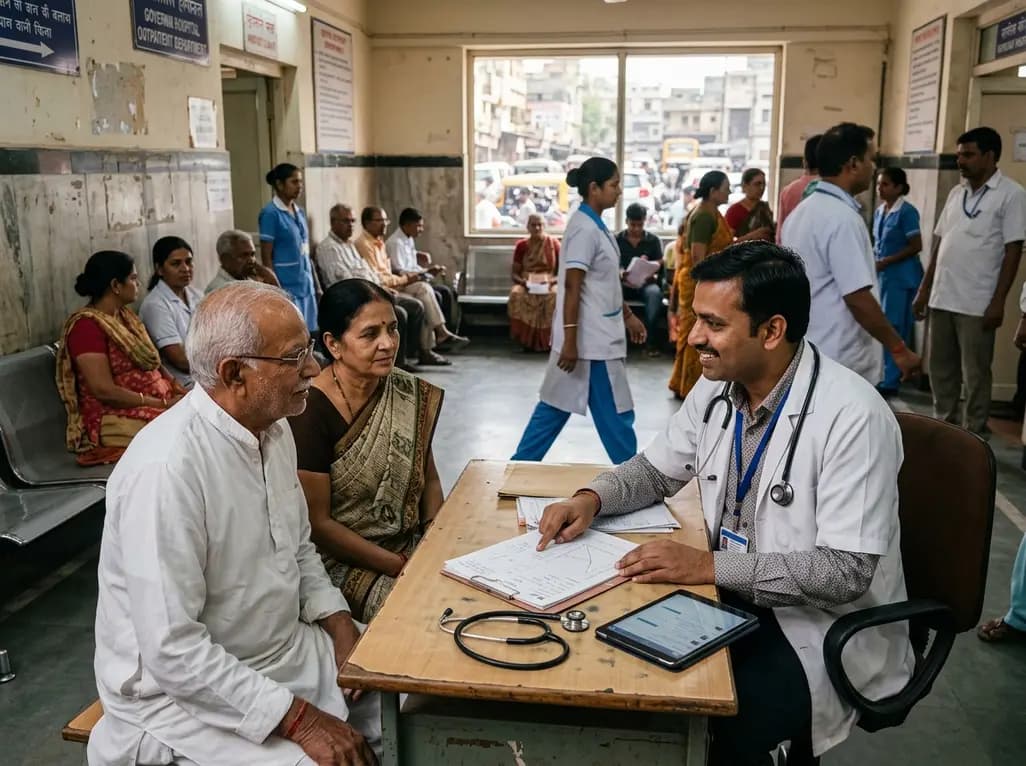
According to WHO data, average lifespan reached 73.3 years in 2023, recovering from pandemic lows. However, healthy life expectancy lags at 62.8 years due to surging noncommunicable conditions like cardiovascular disease and dementia, demanding proactive primary screening and sustained chronic care.
Today

A nationwide South Korean study shows underreporting of smoking among women dropped from 57.4% to 36.4% between 2008 and 2021. However, over one-third of female smokers still conceal their habit, highlighting the critical role of cotinine verification in clinical risk assessment.
Today
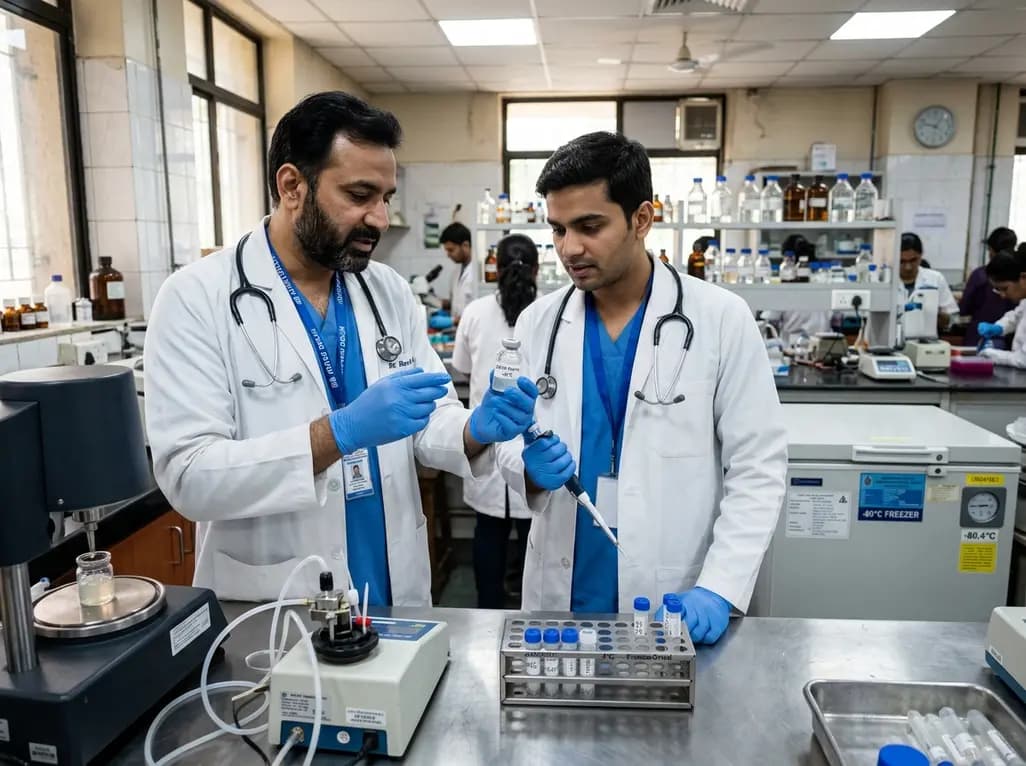
A new study evaluates the rheological stability of decellularized peripheral nerve matrix hydrogels under varied storage conditions. Findings show -80°C storage and freeze-drying preserve gelation kinetics and mechanical stiffness, offering key insights for shipping and translational clinical applications.
Today
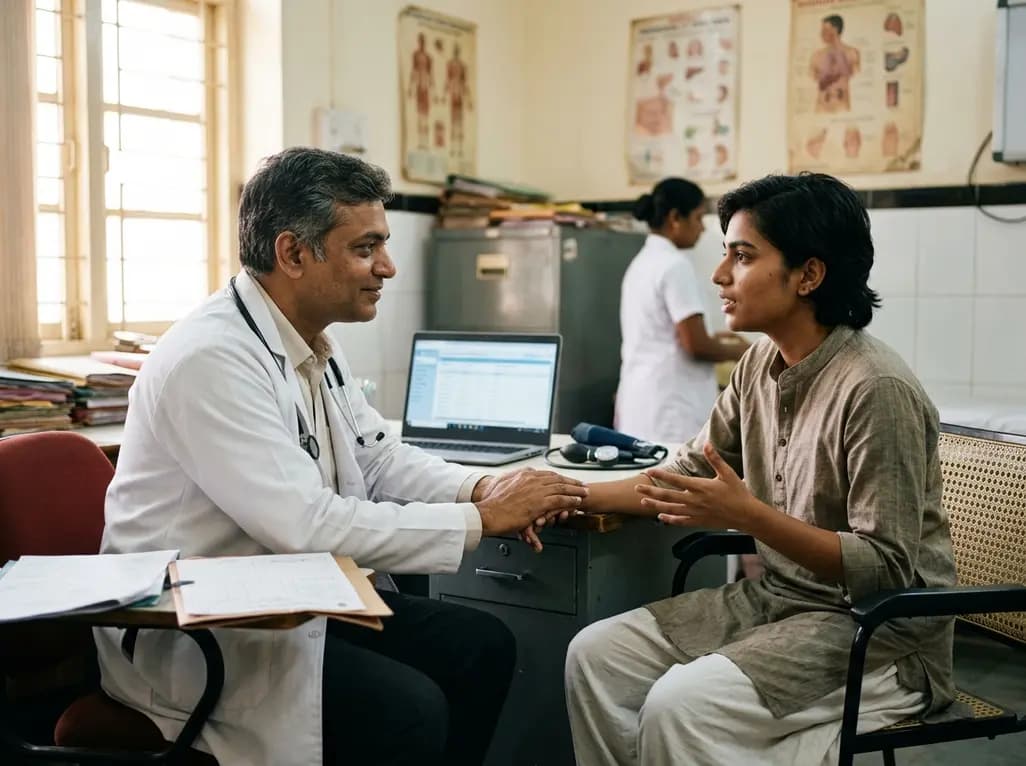
A qualitative meta-synthesis highlights the complex interplay between gender dysphoria, minority stress, and eating disorders in transgender and gender-diverse individuals. Clinicians must recognize these distinct drivers to offer supportive, gender-affirming, and interdisciplinary eating disorder care.
Today
