.webp&w=384&q=75)

Loading, please wait...
Loading, please wait...
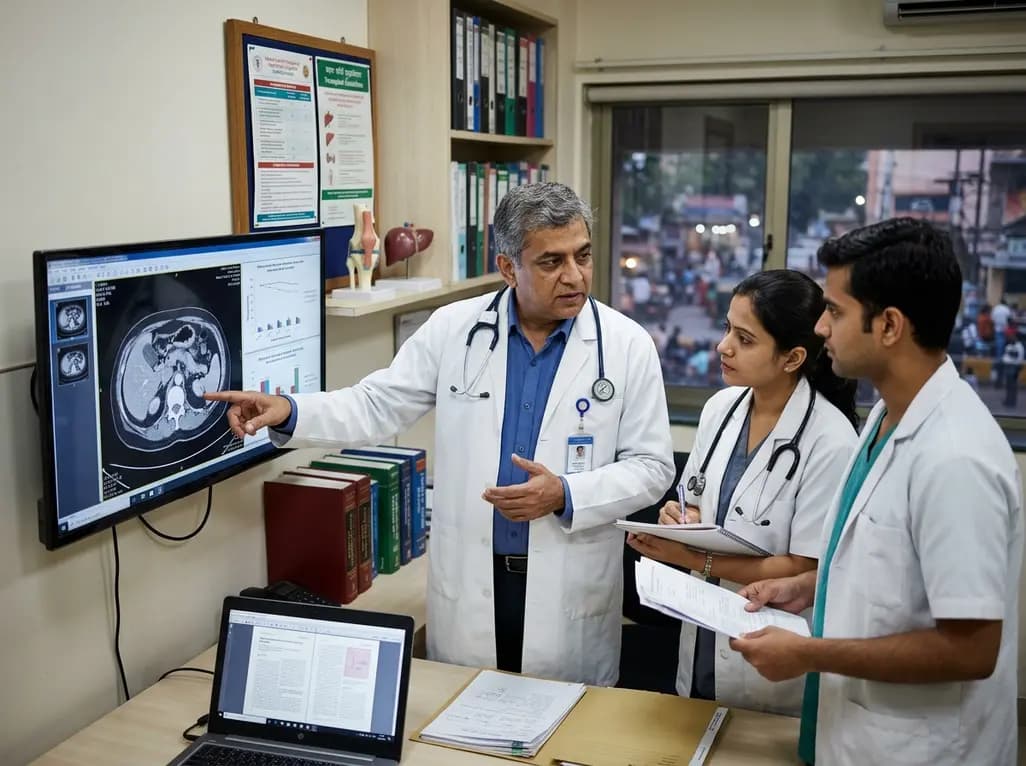
End-stage liver disease frequently leads to profound nutritional deterioration, metabolic derangements, and severe muscular atrophy. Consequently, evaluating sarcopenia in liver transplantation has emerged as an essential prognostic step that directly influences recipient recovery and surgical success. Sarcopenia represents a generalized skeletal muscle depletion characterized by progressive loss of muscle mass, quality, and physical function. In end-stage cirrhosis, this syndrome arises from complex pathophysiological mechanisms, including systemic inflammation, reduced hepatic glycogen storage, accelerated gluconeogenesis, portosystemic shunting, and hyperammonemia. Therefore, cirrhotic patients enter a state of chronic catabolism that rapidly depletes skeletal muscle reserves.
Recent clinical evidence from a single-center cohort study in Turkey highlights the substantial prevalence and deleterious impact of muscle wasting among adult living donor liver transplantation (LDLT) recipients. Specifically, researchers observed that sarcopenia was present in 55% of evaluated recipients prior to transplantation. Furthermore, this systemic deficit is not merely a reflection of advanced liver dysfunction; it represents an independent driver of adverse clinical trajectories. Traditional prognostic models, such as the Model for End-Stage Liver Disease (MELD) score, rely on biochemical parameters that often mask physical frailty and protein-calorie malnutrition. Consequently, incorporating objective muscle evaluations into routine pre-transplant workups provides clinicians with critical physiological insights that standard biochemical staging fails to capture.
Accurate quantification of skeletal muscle mass remains paramount for identifying vulnerable surgical candidates before living donor procedures. Clinicians routinely utilize preoperative abdominal computed tomography (CT) scans, which are standard components of the pre-transplant anatomical evaluation, to measure muscular cross-sectional areas. Specifically, imaging specialists evaluate the psoas muscle area (PMA) and calculate the psoas muscle index (PMI) normalized for recipient height at the level of the third or fourth lumbar vertebra. Because fluid overload, massive ascites, and peripheral edema frequently distort conventional anthropometric measures like body mass index (BMI), CT-based morphometric analysis provides an objective, volume-independent assessment of core muscle mass.
In the analyzed Turkish LDLT cohort, investigators categorized patients into sarcopenic and nonsarcopenic cohorts based on rigorous preoperative CT measurements. Moreover, this standardized radiological stratification enabled precise comparisons across demographic variables, underlying comorbidities, and operative metrics. Interestingly, psoas muscle measurements correlate robustly with generalized myofibrillar loss across the entire axial skeleton. Therefore, the utilization of existing diagnostic imaging eliminates additional radiation exposure or financial burdens while delivering vital diagnostic data. Transplant teams can seamlessly integrate these morphometric parameters into multidisciplinary protocols, ensuring rapid risk stratification during candidate selection and operative planning.
Sarcopenic recipients experience a substantially higher burden of adverse postoperative events following living donor liver transplantation. In the referenced cohort, major postoperative complications developed in 44% of sarcopenic recipients compared to only 14% of nonsarcopenic patients, demonstrating a statistically significant disparity. Furthermore, skeletal muscle functions as a major metabolic and immunological organ that regulates cytokine production, immune cell competence, and protein synthesis. When profound muscle wasting occurs, patients experience compromised cellular immunity, increased gut mucosal barrier permeability, and impaired physiological resilience against major surgical trauma.
Consequently, recipients with severe muscle depletion face an elevated risk of severe systemic bacteremia, surgical site infections, pulmonary complications, and prolonged mechanical ventilation. Additionally, living donor hepatectomy procedures require complex vascular and biliary reconstructions that demand optimal tissue healing and robust host defense mechanisms. Sarcopenic patients often suffer from delayed wound healing, higher incidences of biliary anastomotic leaks, and prolonged intensive care unit stays. Therefore, recognizing preoperative sarcopenia allows critical care specialists and surgical teams to anticipate postoperative complications proactively. Enhanced microbiological surveillance, targeted antimicrobial stewardship, and meticulous fluid management must be instituted early to mitigate morbidity in these high-risk transplant recipients.
The presence of preoperative sarcopenia profoundly impairs early post-transplant survival following living donor liver procedures. The Turkish single-center study demonstrated that 30-day and 3-month survival rates were significantly lower among sarcopenic recipients at 83%, whereas nonsarcopenic recipients achieved a 100% survival rate during the same interval. This striking early divergence underscores how acute perioperative physiological stress disproportionately affects patients with depleted metabolic and physical reserves. Although 1-year and overall survival rates showed narrower absolute differences, sarcopenic patients continuously demonstrated a persistent trend toward lower cumulative survival.
Furthermore, multivariate Cox regression analysis identified preoperative sarcopenia alongside systemic hypertension as significant independent predictors influencing overall recipient survival. In living donor transplantation, where graft size is carefully tailored and partial liver regeneration is crucial, the recipient's systemic metabolic state directly impacts initial graft function. Muscle wasting impairs ammonia clearance and exacerbates postoperative catabolic stress, thereby hindering early graft adaptation and systemic recovery. Consequently, mortality in liver transplant candidates is multifactorial, with muscular depletion serving as a pivotal biological determinant. Clinicians must recognize that surviving the immediate post-transplant window requires adequate physiological reserve, which sarcopenia severely compromises.
Given the profound risks associated with muscle wasting, aggressive multimodal prehabilitation represents a vital therapeutic window for transplant candidates. Hepatology societies emphasize structured nutritional interventions tailored to combat anabolic resistance and hyperammonemia in cirrhotic patients. Specifically, clinical protocols recommend a daily caloric intake of 35 to 40 kcal/kg and protein delivery of 1.2 to 1.5 g/kg of ideal body weight. Moreover, incorporating late-evening complex carbohydrate snacks prevents accelerated overnight starvation and suppresses muscle protein catabolism. Supplementation with branched-chain amino acids (BCAAs) further stimulates muscle protein synthesis and supports hepatic functional recovery.
Additionally, structured exercise regimens that combine moderate aerobic activity with progressive resistance training significantly enhance muscle strength and mass prior to surgery. Even in decompensated patients awaiting living donor transplantation, supervised physical therapy preserves functional independence and reduces the overall burden of frailty. Following surgery, early enteral nutrition and accelerated mobilization protocols in the intensive care unit prevent rapid post-transplant muscle loss. Therefore, multidisciplinary collaboration between transplant surgeons, hepatologists, clinical dietitians, and physiotherapists is imperative. By actively optimizing nutritional and physical status before and after surgery, transplant centers can significantly attenuate surgical risks and improve long-term clinical outcomes.
Preoperative sarcopenia is primarily diagnosed using non-contrast or contrast-enhanced abdominal computed tomography (CT) scans performed during routine transplant evaluations. Radiologists measure the total cross-sectional area of core skeletal muscles, such as the psoas or all abdominal wall muscles at the L3 vertebral level. These values are normalized for patient height to generate indices like the psoas muscle index (PMI), providing an objective measurement unaffected by ascites.
Skeletal muscle acts as an active metabolic and immunomodulatory organ responsible for glutamine storage and cytokine regulation. Severe muscle wasting induces immune system dysfunction, impairs lymphocyte proliferation, and disrupts mucosal barrier integrity. Consequently, sarcopenic recipients exhibit diminished physiological defenses against invasive pathogens, predisposing them to bacteremia, severe pneumonia, surgical site infections, and delayed wound healing during the critical post-transplant recovery phase.
Yes, targeted prehabilitation protocols can significantly slow muscle breakdown and improve functional capacity before surgery. Clinical strategies include prescribing high-protein diets (1.2–1.5 g/kg/day), utilizing branched-chain amino acid supplements, and implementing late-evening snacks to avoid prolonged catabolic fasting. When combined with supervised, tailored resistance exercises, these nutritional interventions optimize metabolic reserves, improve graft tolerance, and enhance early postoperative survival.
Disclaimer: This content is for informational and educational purposes only and does not constitute medical advice. While we strive to ensure that the information is accurate and up-to-date, it may not cover all possible clinical scenarios, indications, contraindications, drug interactions, or adverse effects. Healthcare professionals should use their independent clinical judgment and correlate findings with patient-specific factors before making any diagnostic or therapeutic decisions. Refer to the latest local and national guidelines for clinical practice.
References

Read summarized clinical updates, watch expert medical content, and earn CME certifications right from your smartphone.
Open your smartphone camera to scan and install.





A recent study highlights the critical impact of sarcopenia on living donor liver transplantation outcomes, revealing increased major complications and reduced short-term survival. Objective radiological screening and targeted prehabilitation are essential to improve recipient prognosis.
last month
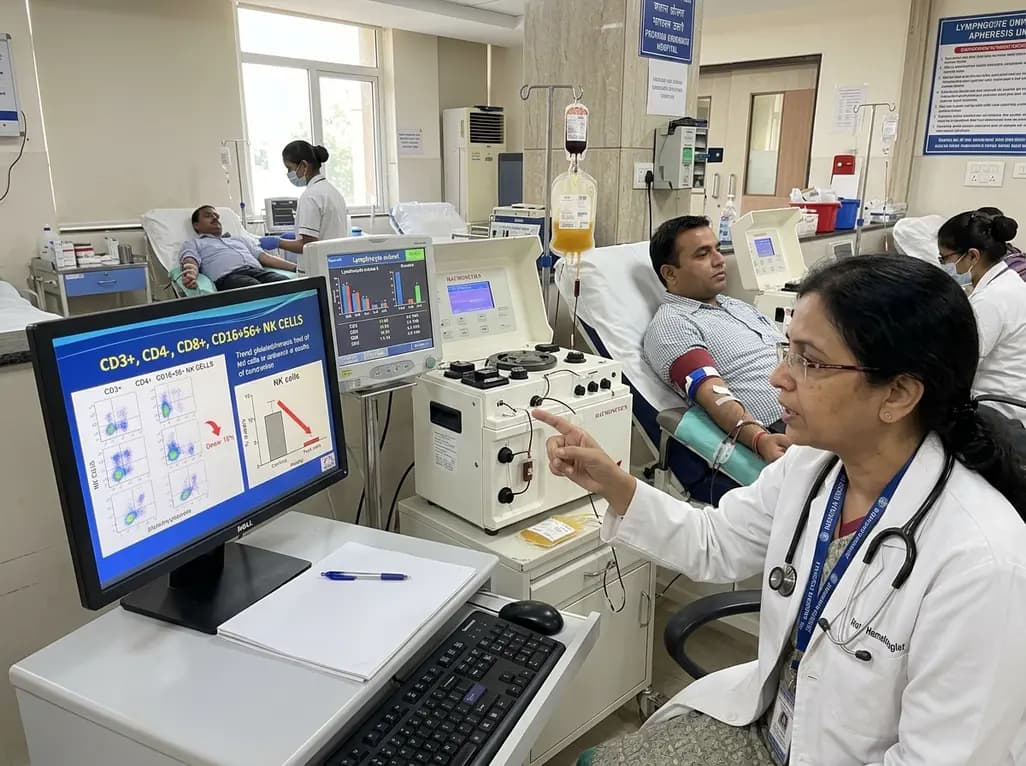
A landmark study assesses how frequent plateletpheresis alters peripheral immune profiles. Regular donors demonstrate notable reductions in circulating natural killer cells, emphasizing the critical need for routine lymphocyte subset surveillance in long-term blood donor safety programs.
Today
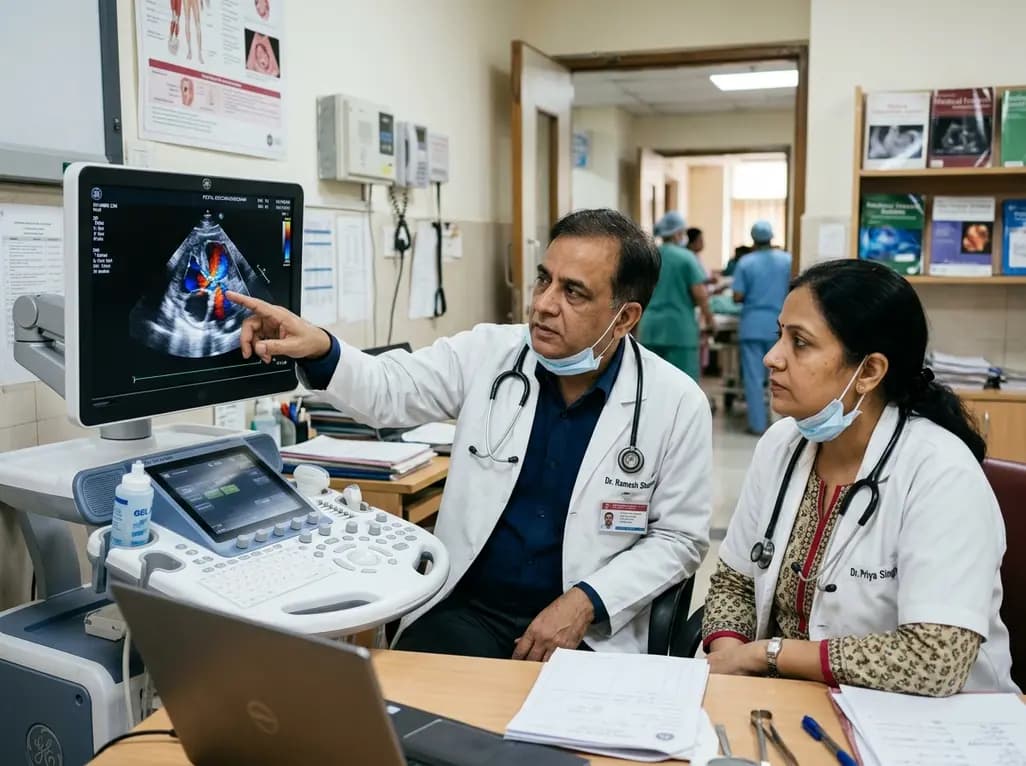
Fetal foramen ovale restriction typically emerges in the third trimester with right heart enlargement. Evidence demonstrates it does not independently mandate cesarean delivery, and over 93% of postnatal cardiac findings resolve spontaneously within one year, supporting conservative obstetric management.
Today
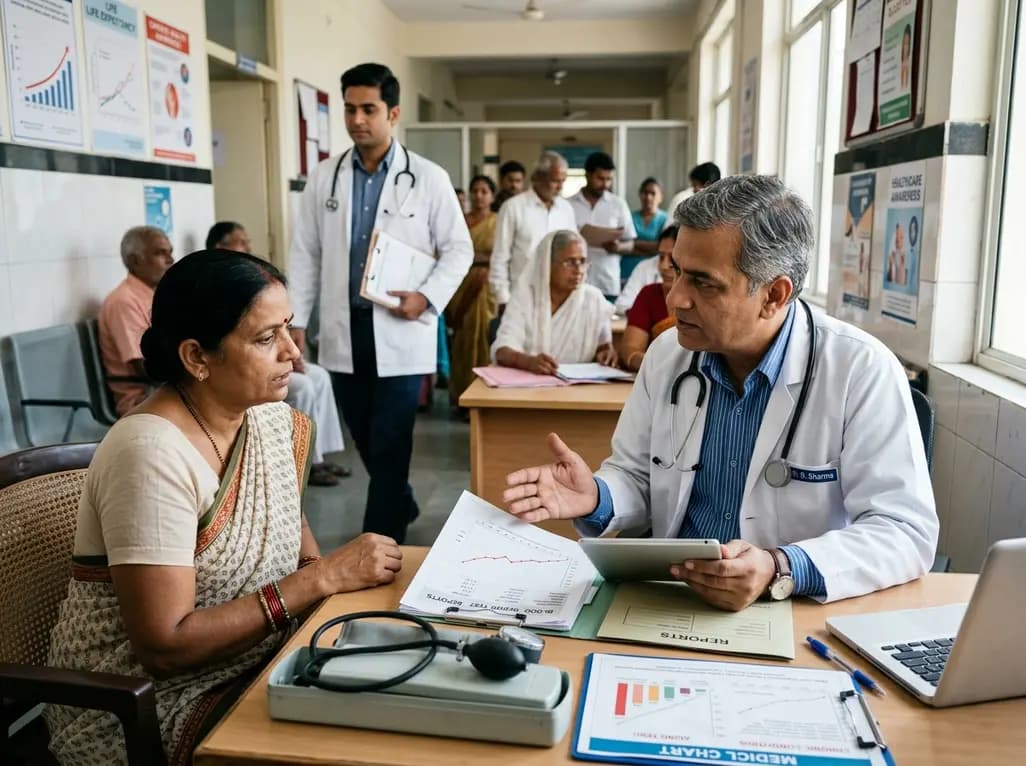
The latest WHO Global Health Estimates highlight India's life expectancy reaching 71 years alongside a healthy lifespan of 60.6 years. While longevity rebounds post-pandemic, non-communicable conditions now account for three-quarters of top mortalities, underscoring urgent clinical shifts in routine primary care.
Today
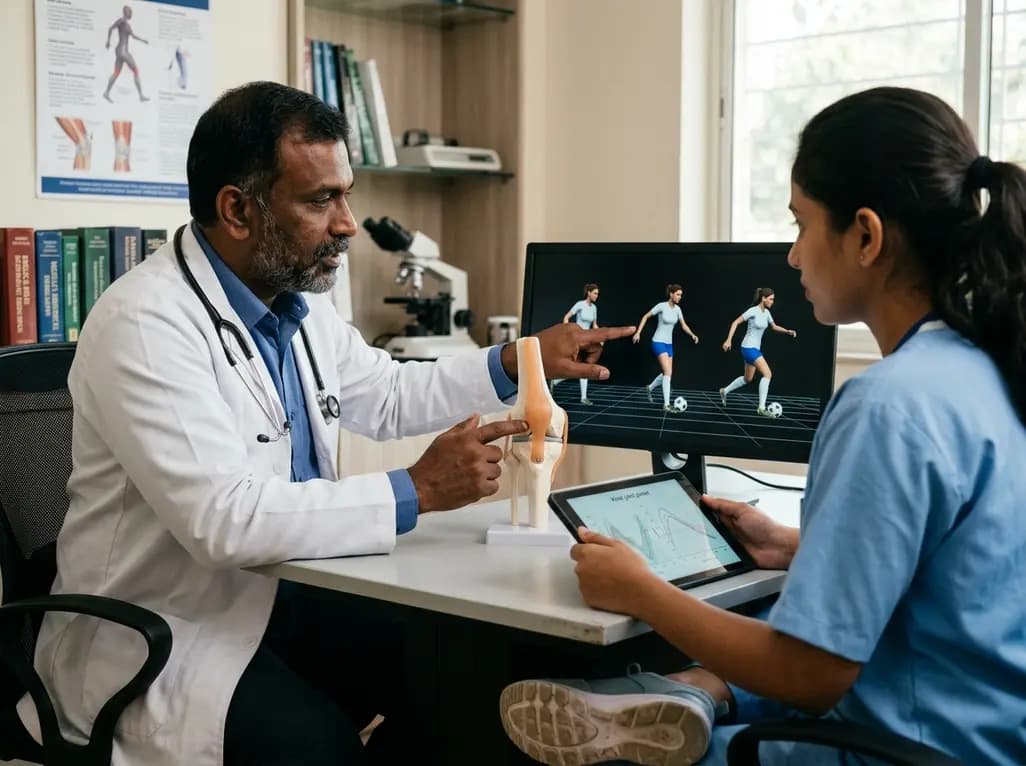
New biomechanical research reveals that foot-strike angle significantly influences knee energy absorption during cutting tasks in female soccer players. Understanding these kinematic patterns offers clinicians valuable pathways for targeted ACL injury prevention and athletic retraining.
Today
A comprehensive review analyzes periconceptional GLP-1 receptor agonist exposure, revealing reassuring data on congenital anomalies and adverse perinatal outcomes while emphasizing the need for cautious patient counseling.
Today
