.webp&w=384&q=75)

Loading, please wait...
Loading, please wait...

Epigenetics represents a fundamental mechanism where environmental factors influence chronic disease risk. Traditionally, researchers have relied on peripheral blood to measure DNA methylation. However, saliva DNA methylation biomarkers are emerging as a highly accessible and non-invasive alternative. This shift is particularly significant for longitudinal and population-based studies where frequent blood draws are impractical.
A recent scoping review evaluated fifteen studies to compare these two tissues. Most studies included adults and children, analyzing both epigenome-wide and specific loci. Interestingly, twelve studies directly compared blood and saliva, with ten reporting high correlations. Although methylation patterns are tissue-specific, many sites show similar levels across both sources. Therefore, saliva can serve as a reliable proxy for systemic epigenetic changes.
Studies show that saliva might even outperform blood in specific contexts. For example, saliva showed slightly higher average correlations with brain tissue methylation than blood did. Furthermore, small differences in DNA methylation can be reliably detected in adequately powered studies. While some exposure-specific differences exist between tissues, the baseline profiles remain remarkably consistent. Consequently, researchers can confidently utilize saliva in large-scale epigenetic research.
Saliva collection is exceptionally patient-friendly compared to venipuncture. This non-invasive nature makes it ideal for pediatric cohorts and repeated measurements over time. Moreover, it simplifies logistics in large-scale epidemiological studies. Nevertheless, clinicians and researchers must interpret new markers with caution. Validation in independent cohorts remains essential to ensure the clinical utility of these findings.
Yes, most studies indicate a high correlation between blood and saliva DNA methylation profiles. While some tissue-specific differences exist, saliva is a reliable alternative for many epigenetic markers.
Saliva collection is non-invasive and painless. Therefore, it increases participation rates and allows for easier longitudinal tracking in children compared to repeated blood sampling.
Research suggests that saliva DNA methylation can sometimes show a stronger correlation with brain tissue patterns than blood. This makes it a promising tool for psychiatric and neurological research.
Disclaimer: This content is for informational and educational purposes only. It does not constitute professional medical advice, diagnosis, or treatment. Always seek the advice of your physician or other qualified health provider with any questions you may have regarding a medical condition. Never disregard professional medical advice or delay in seeking it because of something you have read here. Refer to the latest local and national guidelines for clinical practice.
References

Read summarized clinical updates, watch expert medical content, and earn CME certifications right from your smartphone.
Open your smartphone camera to scan and install.





A scoping review confirms that saliva is a promising and reliable alternative to blood for measuring DNA methylation in clinical and population-based studie...
6 months ago
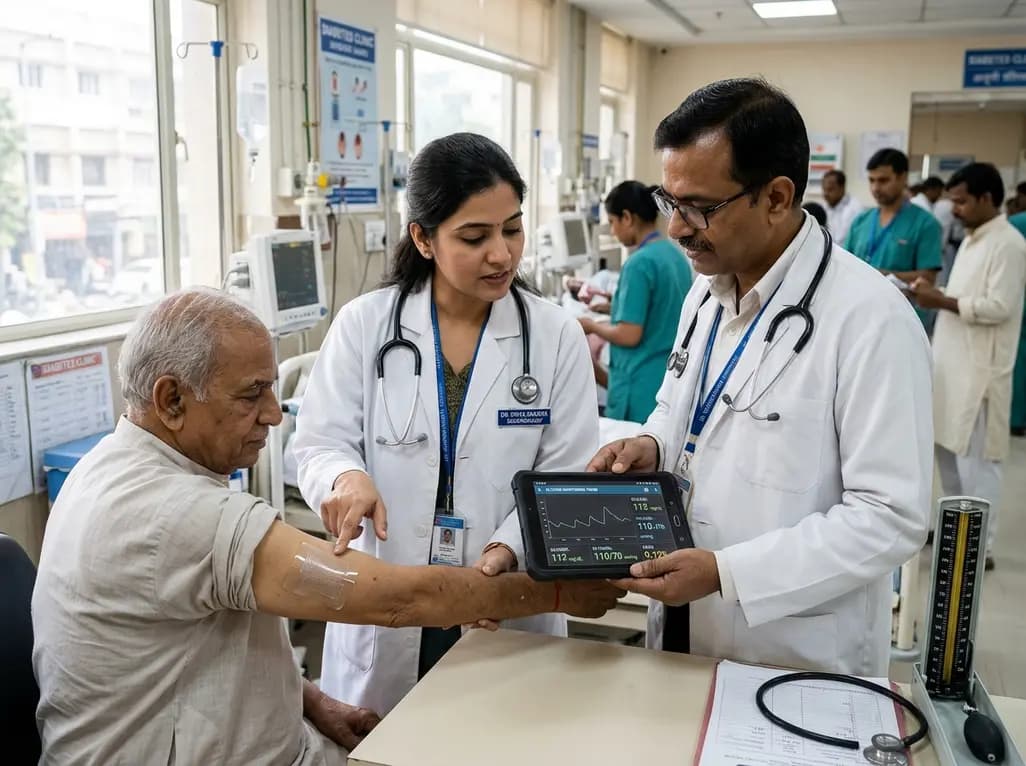
A breakthrough ultrathin multimodal sensor decouples physical hemodynamic monitoring from disposable electrochemical calibration, achieving long-term wearable glucose prediction with 81.36% accuracy and a 9.12% MARD. This offers a robust, drift-free solution for outpatient metabolic surveillance.
Today

Demanding exhaustive hormonal profiling can inadvertently discourage clinical studies involving females. Methodological standards must align with the specific scientific question to expand, not restrict, equitable evidence for women.
Today

Co-administering antiseizure medications and DOACs frequently causes pharmacokinetic interactions, subtherapeutic drug levels, and thromboembolic failures. This review highlights enzyme induction risks, unpredictable outcomes with levetiracetam, and the vital role of therapeutic drug monitoring.
Today
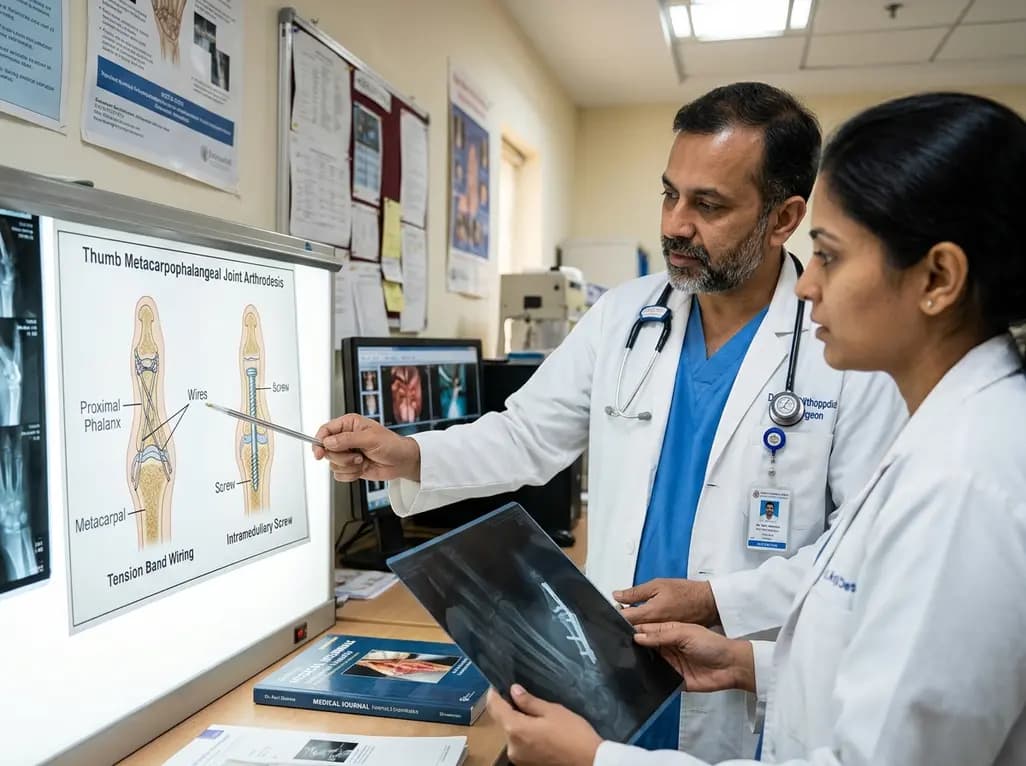
A comparative review of tension band wiring and intramedullary screw fixation in thumb metacarpophalangeal arthrodesis, evaluating union rates, hardware complications, and clinical outcomes.
Today

Following regulatory scrutiny from FSSAI regarding promotional representations and lean muscle preservation claims, Dr. Reddy's Laboratories and Nestlé Health Science are currently reviewing the branding and marketing strategy for their joint nutritional supplement Celevida GLP+.
Today
