.webp&w=384&q=75)

Loading, please wait...
Loading, please wait...

Safe AI in healthcare took center stage at the India AI Impact Summit 2026. Union Health Minister J P Nadda launched two landmark initiatives: SAHI and BODH. These programs aim to create a secure digital health ecosystem. Consequently, India is moving toward ethical and evidence-based AI deployment. Furthermore, the government focuses on protecting citizen data through consent-based frameworks. This approach builds on the digital foundations laid over the last decade. Specifically, the National Health Policy of 2017 envisions a comprehensive and inclusive digital health structure.
The Secure AI for Health Initiative (SAHI) serves as a vital governance framework. It provides a policy compass for the responsible use of technology in medicine. Moreover, SAHI ensures that AI tools remain ethical, transparent, and accountable. This initiative guides both Union and state governments in their digital journeys. It helps them integrate AI while keeping public interest paramount. Consequently, clinicians can eventually trust the digital tools they use for patient care. In addition, the framework promotes a structured environment for innovation to flourish securely.
The BODH platform provides a structured mechanism for testing AI solutions. Academia and the government collaborated to build this benchmarking tool for the nation. Specifically, it validates AI models against real-world parameters before they reach the clinical stage. This process ensures high performance and reliability. In addition, AI-driven tools can significantly accelerate drug discovery in the pharmaceutical sector. Thus, India aims to build a globally competitive health-AI ecosystem grounded in trust. This commitment strengthens the delivery of affordable healthcare across the country.
Q1: What is the primary purpose of the SAHI initiative?
SAHI provides a structured governance framework to ensure the ethical, transparent, and people-centric use of artificial intelligence within the Indian healthcare sector.
Q2: How does BODH help healthcare providers and developers?
BODH acts as an open data platform for benchmarking. It allows for the rigorous testing and validation of AI tools against real-world data before they are deployed at scale.
Q3: How do these initiatives impact the pharmaceutical industry?
These AI-driven tools can shorten research timelines and enhance clinical-trial precision. Consequently, they make drug discovery processes more cost-effective and efficient.
Disclaimer: This content is for informational and educational purposes only. It does not constitute medical advice or replace professional judgment. Refer to the latest local and national guidelines for clinical practice.
References

Read summarized clinical updates, watch expert medical content, and earn CME certifications right from your smartphone.
Open your smartphone camera to scan and install.





Union Health Minister J P Nadda launches SAHI and BODH initiatives to establish a safe, ethical, and evidence-based AI ecosystem in India’s health sector....
8 months ago
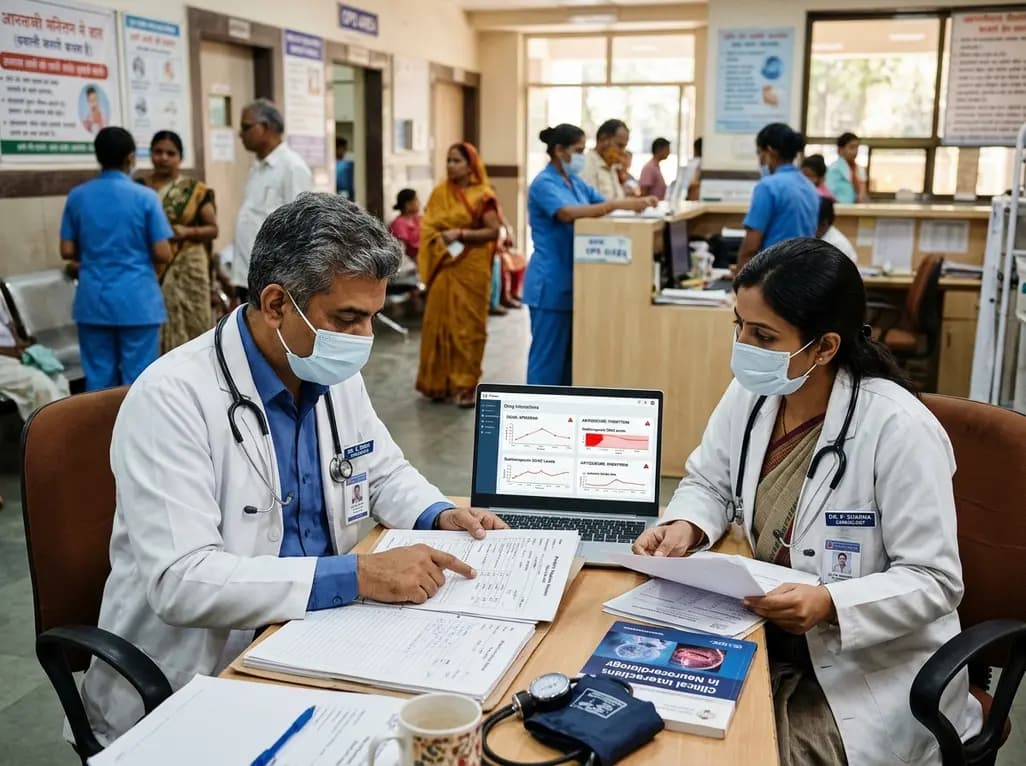
Co-administering antiseizure medications and DOACs frequently causes pharmacokinetic interactions, subtherapeutic drug levels, and thromboembolic failures. This review highlights enzyme induction risks, unpredictable outcomes with levetiracetam, and the vital role of therapeutic drug monitoring.
Today
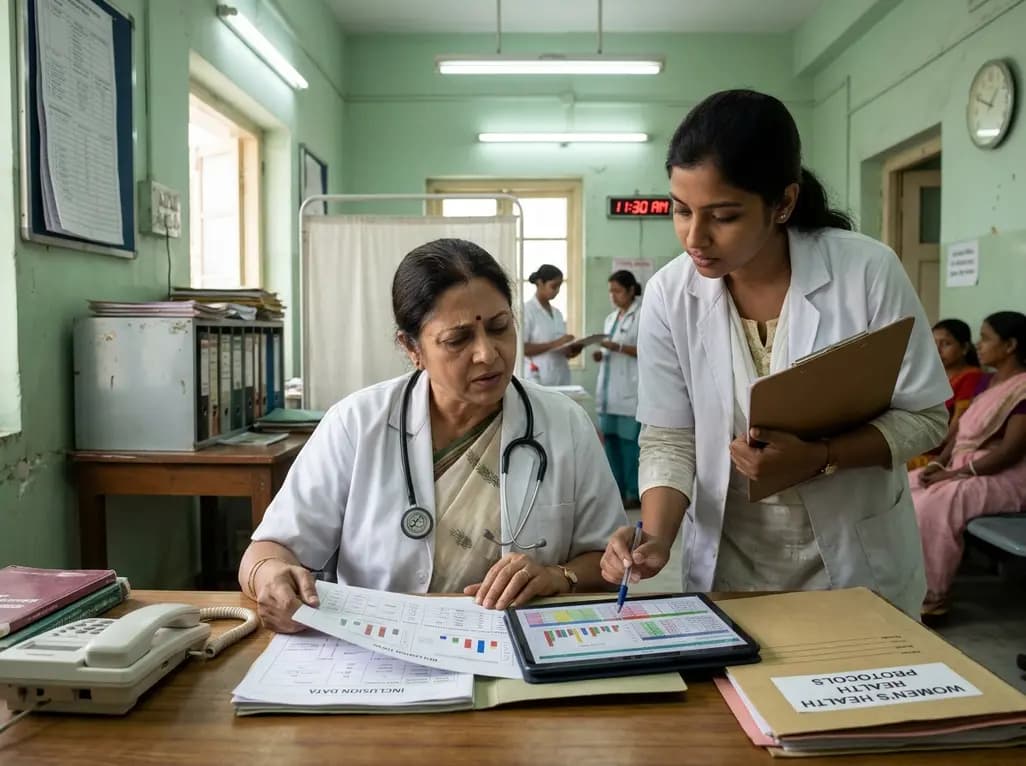
Demanding exhaustive hormonal profiling can inadvertently discourage clinical studies involving females. Methodological standards must align with the specific scientific question to expand, not restrict, equitable evidence for women.
Today

An elderly man with partially repaired Tetralogy of Fallot presented with STEMI caused by coronary embolism rather than atherosclerosis. Successful treatment with sustained mechanical aspiration thrombectomy underscores the vital need for high clinical vigilance in adult congenital heart disease.
Today

A comparative review of tension band wiring and intramedullary screw fixation in thumb metacarpophalangeal arthrodesis, evaluating union rates, hardware complications, and clinical outcomes.
Today

Following regulatory scrutiny from FSSAI regarding promotional representations and lean muscle preservation claims, Dr. Reddy's Laboratories and Nestlé Health Science are currently reviewing the branding and marketing strategy for their joint nutritional supplement Celevida GLP+.
Today
