.webp&w=384&q=75)

Loading, please wait...
Loading, please wait...

In May 2026, Russian Health Minister Mikhail Murashko announced that scientists have developed a new Ebola vaccine. Consequently, this candidate vaccine is attracting global attention as a potential shield against emerging viral threats. Specifically, researchers suggest that the formulation may provide vital protection against the rare Bundibugyo ebolavirus strain. However, clinical trials and international approvals are still pending for this new medical candidate.
Recently, the World Health Organization declared a Public Health Emergency of International Concern. This declaration followed severe outbreaks in the Democratic Republic of the Congo and Uganda. Moreover, the Africa CDC declared the situation a continental security emergency. At present, the rare Bundibugyo strain is driving these rapidly spreading infections. Therefore, public health agencies are rushing to strengthen border surveillance. Meanwhile, neighboring countries like South Sudan face high risks of disease transmission.
Currently, health authorities have not approved any vaccine specifically for the Bundibugyo strain. Existing licensed vaccines primarily target the Zaire strain. Fortunately, the genetic similarity between the new vaccine strain and the Bundibugyo variant is about 60 to 70 percent. Based on this similarity, scientists believe the Russian candidate might offer cross-protection. Additionally, Russian experts are deploying diagnostic tests to help contain the African outbreak. Nevertheless, extensive clinical trials remain necessary to confirm its safety and efficacy.
Unquestionably, managing travel screening is a critical first step in preventing global spread. For instance, the Indian government recently implemented strict screening protocols at points of entry. This proactive action occurred after health authorities evaluated a symptomatic traveler in Bengaluru. Thankfully, the patient subsequently tested negative for the disease. Ultimately, global collaboration is essential to distribute active preventive tools.
Q1: Is there an approved vaccine specifically for the Bundibugyo strain of Ebola?
Currently, health authorities have not approved any vaccine specifically for the Bundibugyo strain. Existing licensed vaccines primarily target the Zaire strain. However, the new Russian candidate could offer a vital breakthrough once clinical trials confirm its efficacy.
Q2: Why is the Bundibugyo Ebola outbreak a global concern?
Specifically, the Bundibugyo strain carries a high mortality rate and lacks approved treatments, making its spread dangerous. Consequently, the World Health Organization declared it a Public Health Emergency of International Concern to encourage rapid global containment efforts.
Disclaimer: This content is for informational and educational purposes only. It does not constitute medical advice or replace professional judgment. Refer to the latest local and national guidelines for clinical practice.
References

Read summarized clinical updates, watch expert medical content, and earn CME certifications right from your smartphone.
Open your smartphone camera to scan and install.





Russian scientists have developed a candidate vaccine targeting a new Ebola strain, potentially offering protection against the rare Bundibugyo virus....
4 months ago

Following regulatory scrutiny from FSSAI regarding promotional representations and lean muscle preservation claims, Dr. Reddy's Laboratories and Nestlé Health Science are currently reviewing the branding and marketing strategy for their joint nutritional supplement Celevida GLP+.
Today
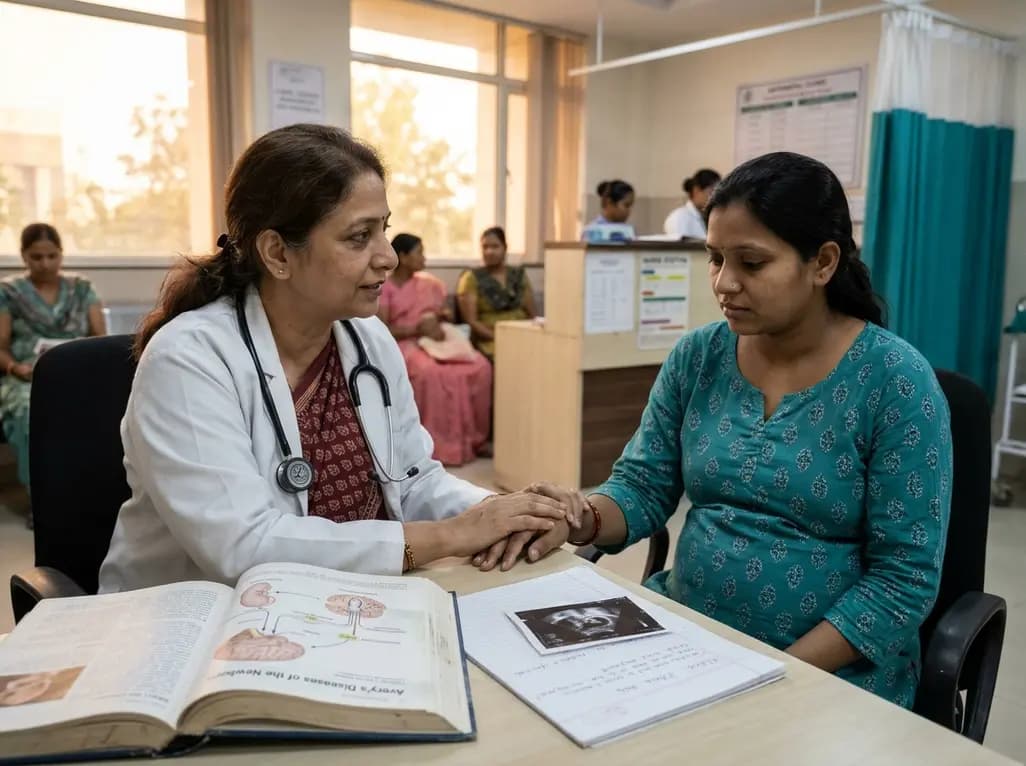
A comprehensive scoping review synthesises evidence linking prenatal maternal mental health to long-term offspring neurodevelopment, evaluating neuroendocrine, inflammatory, and epigenetic pathways while highlighting clinical screening and future research priorities.
Today

The Directorate General of Health Services directs Indian states to halt the hazardous reuse and reprocessing of single-use medical devices. Discover regulatory implications under the Drugs and Cosmetics Act, critical infection risks, legal liabilities, and operational changes required across clinical specialties.
Today
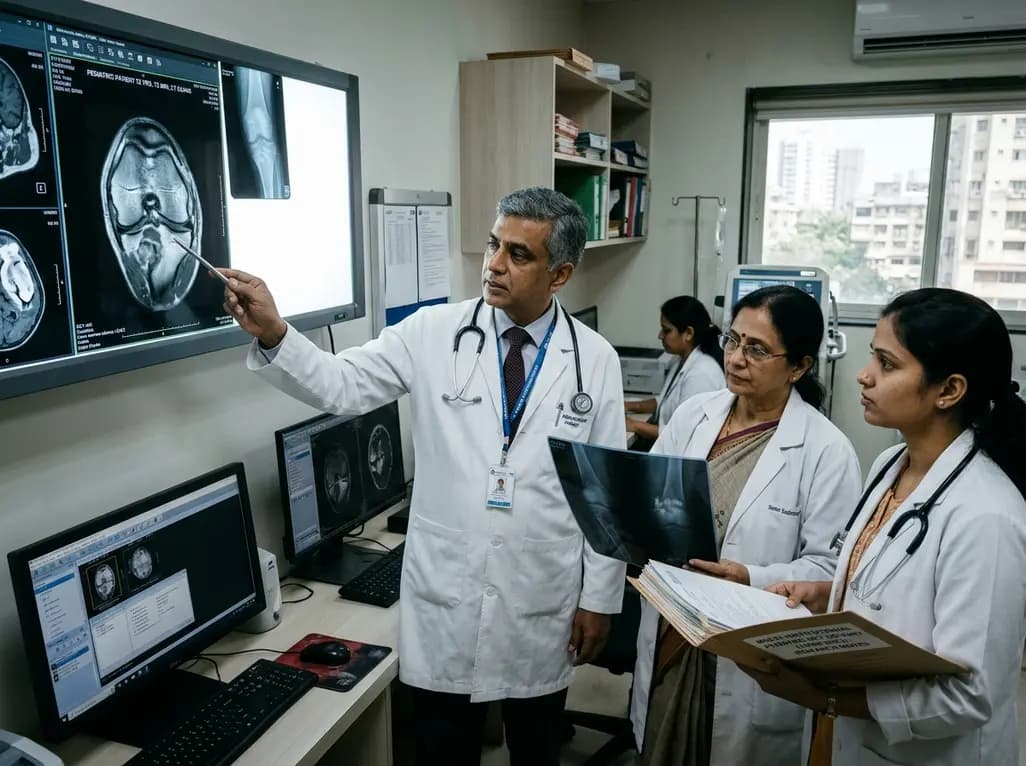
A 25-year multi-institutional cohort reveals high recurrence rates in pediatric giant cell tumor of bone, particularly in patients with open physes and bone marrow edema on preoperative MRI. Early surveillance and careful balance between growth plate preservation and tumor clearance are essential.
Today

India is advancing preventive healthcare by integrating genomics, artificial intelligence, and quantum technologies. With the SANGAM programme sequencing one million Indian genomes, clinicians can unlock personalized therapies, detect cardiometabolic risks early, and curb the burden of diabetes and heart disease.
Today
