.webp&w=384&q=75)

Loading, please wait...
Loading, please wait...

A recent study highlights the significant rotavirus vaccine impact on public health. Researchers documented a 43% reduction in rotavirus-associated hospitalizations among children under 5 in Uganda. This decline follows the introduction of the monovalent rotavirus vaccine, Rotarix. Importantly, the benefits appeared consistently each year across all surveillance sites. This progress underscores the critical role of immunization in reducing severe diarrheal disease in low-resource settings.
The study found that the reduction in hospitalizations was most prominent among infants. This finding aligns with global data suggesting that early vaccination provides the strongest protection during the most vulnerable months of life. Furthermore, continued monitoring is essential because vaccine formulations often change to address circulating strains. Consequently, healthcare providers must remain vigilant about long-term efficacy and potential shifts in viral genotypes. Moreover, tracking these changes ensures that immunization strategies remain effective against evolving pathogens.
For clinicians in India, these findings reinforce the value of the Universal Immunization Program. India previously faced a high burden of rotavirus-related morbidity. However, the introduction of indigenous vaccines like Rotavac has led to similar positive outcomes. Specifically, these vaccines have significantly lowered the rates of severe dehydration and emergency visits. Therefore, emphasizing complete vaccination schedules remains a priority for pediatricians to sustain these public health gains. Similarly, educating parents about the benefits of the full dose series is vital for community immunity.
While the initial results are promising, the study warrants continued observation. Variations in vaccine effectiveness can occur due to factors like malnutrition or co-infections. Additionally, the emergence of heterotypic strains may necessitate periodic updates to immunization strategies. In conclusion, strong surveillance networks are vital to track the evolving landscape of diarrheal diseases globally. By maintaining robust data collection, health systems can better prepare for future challenges in infectious disease management.
Recent data indicates that the vaccine reduces rotavirus-associated hospitalizations by approximately 43% to 55%. This reduction is particularly significant among infants, who are at the highest risk of severe dehydration and related complications.
Yes, consistent declines in diarrheal hospitalizations have been documented in Africa, Asia, and Latin America. However, factors such as nutrition, sanitation, and local viral strains can influence the overall vaccine effectiveness in specific populations.
Disclaimer: This content is for informational and educational purposes only and does not constitute medical advice or a professional recommendation. The information provided should not be used for diagnosing or treating a health problem or disease. Clinicians should always exercise their unique clinical judgment and consider individual patient factors. Refer to the latest local and national guidelines for clinical practice.
References
Nalunkuma C et al. Impact of Rotavirus Vaccine on Rotavirus Diarrhea-Associated Hospitalizations Among Children Under 5 Years of Age in Uganda. J Pediatric Infect Dis Soc. 2026 May 21. doi: undefined. PMID: 42166185.
Sukumaran TU et al. Potential impact of rotavirus vaccination on reduction of childhood diarrheal disease in India. Journal of Family Medicine and Primary Care. 2024;13(5):1820-1825.
Shah MP et al. Impact of rotavirus vaccine introduction on rotavirus hospitalizations among children under 5 years of age — World Health Organization African Region, 2008–2018. Clinical Infectious Diseases. 2021;73(Suppl 2):S105-S112.

Read summarized clinical updates, watch expert medical content, and earn CME certifications right from your smartphone.
Open your smartphone camera to scan and install.





A Ugandan study reveals a 43% reduction in rotavirus hospitalizations among children under 5 following the introduction of the Rotarix vaccine....
5 months ago
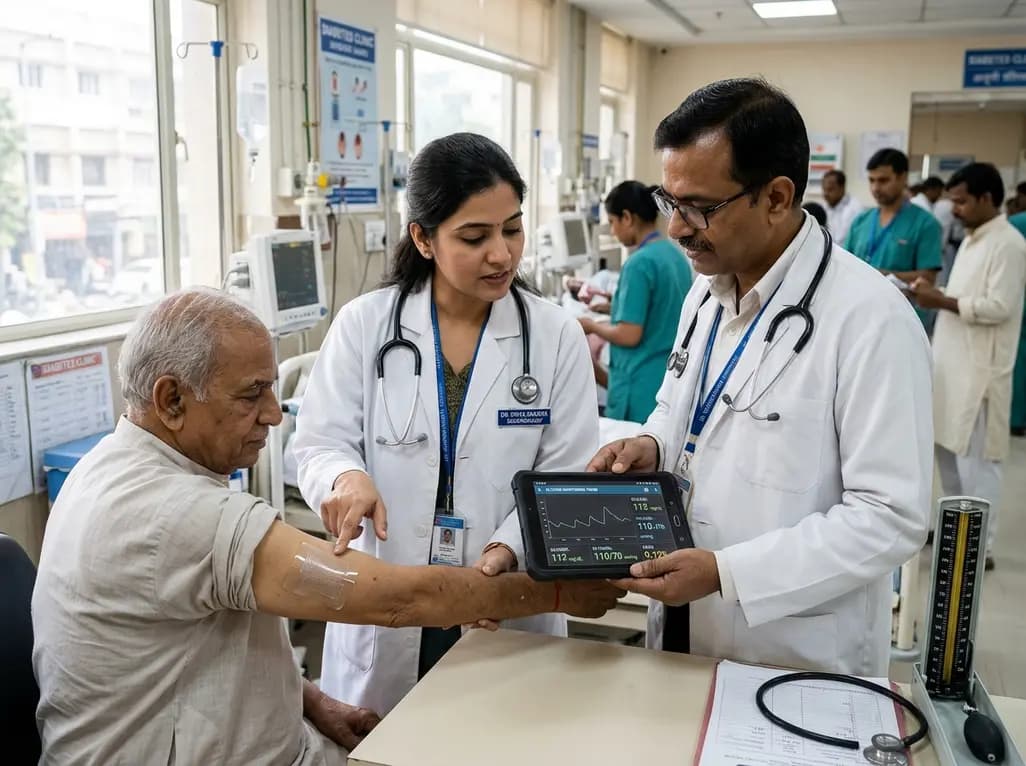
A breakthrough ultrathin multimodal sensor decouples physical hemodynamic monitoring from disposable electrochemical calibration, achieving long-term wearable glucose prediction with 81.36% accuracy and a 9.12% MARD. This offers a robust, drift-free solution for outpatient metabolic surveillance.
Today
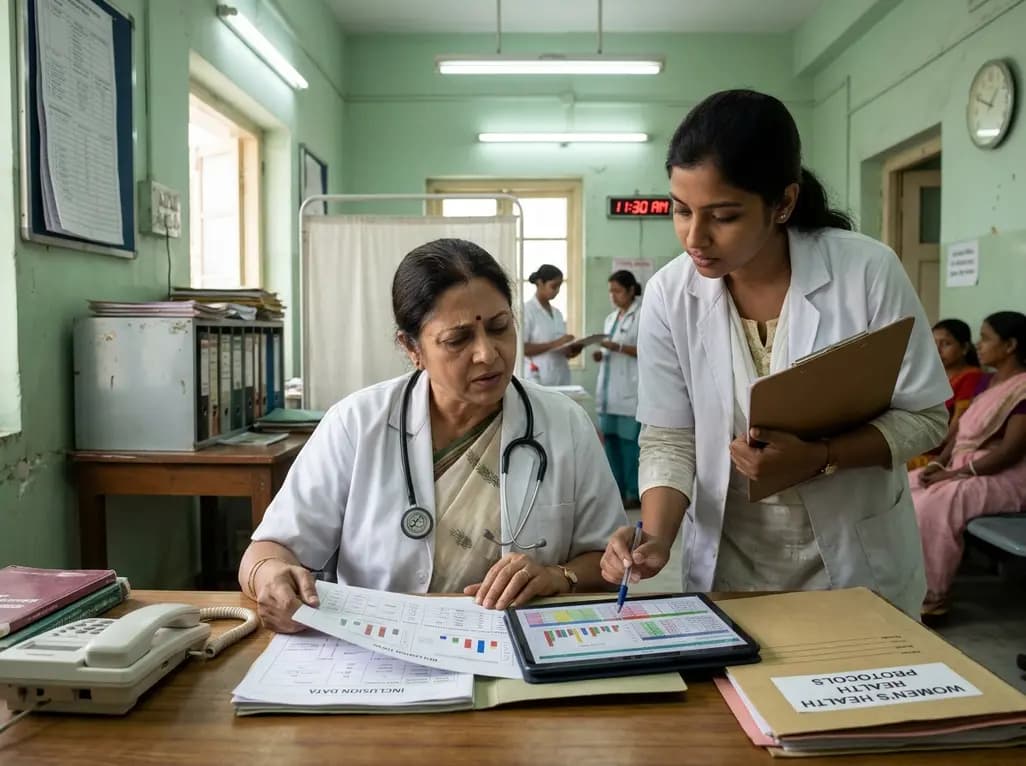
Demanding exhaustive hormonal profiling can inadvertently discourage clinical studies involving females. Methodological standards must align with the specific scientific question to expand, not restrict, equitable evidence for women.
Today
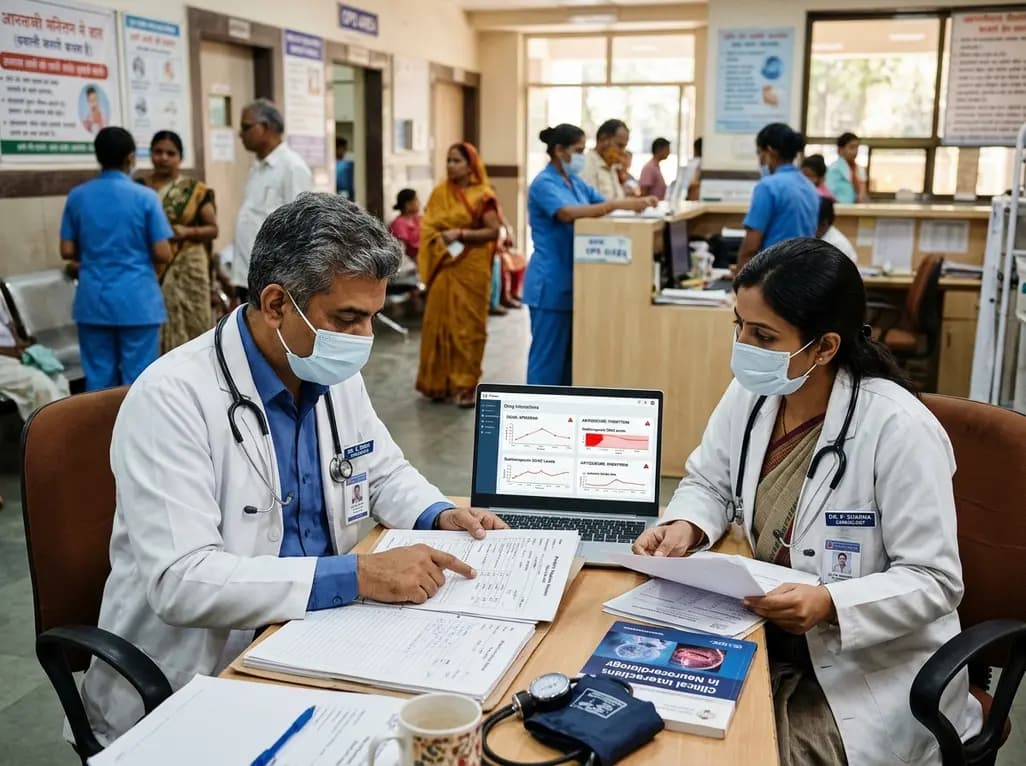
Co-administering antiseizure medications and DOACs frequently causes pharmacokinetic interactions, subtherapeutic drug levels, and thromboembolic failures. This review highlights enzyme induction risks, unpredictable outcomes with levetiracetam, and the vital role of therapeutic drug monitoring.
Today

A comparative review of tension band wiring and intramedullary screw fixation in thumb metacarpophalangeal arthrodesis, evaluating union rates, hardware complications, and clinical outcomes.
Today
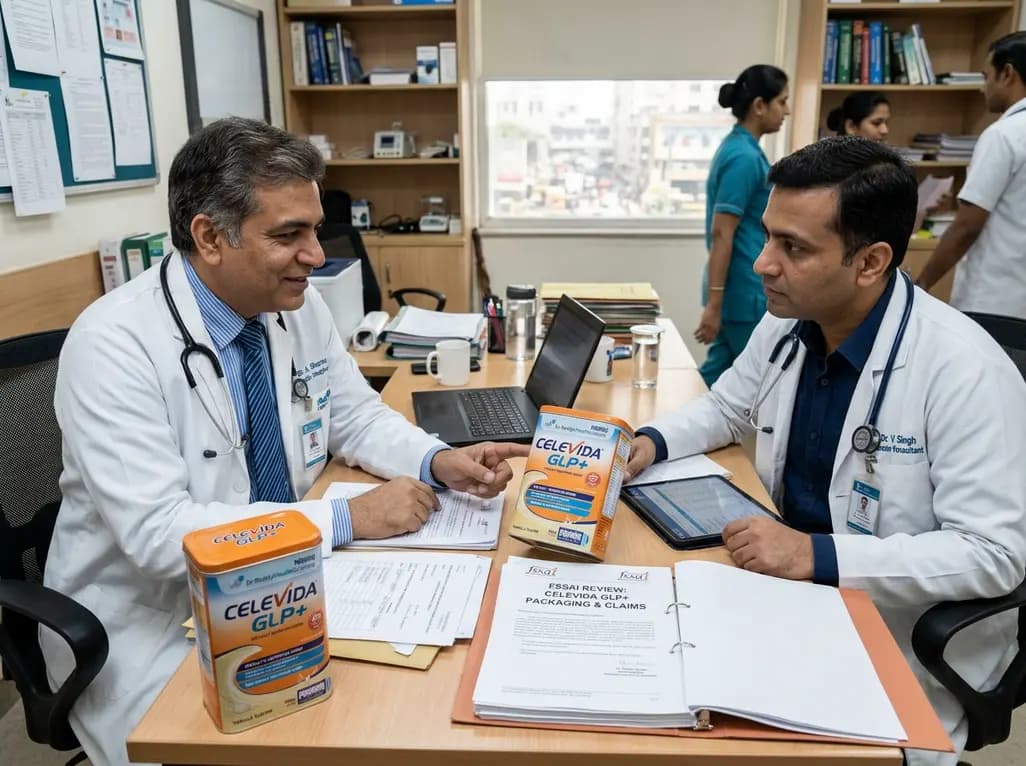
Following regulatory scrutiny from FSSAI regarding promotional representations and lean muscle preservation claims, Dr. Reddy's Laboratories and Nestlé Health Science are currently reviewing the branding and marketing strategy for their joint nutritional supplement Celevida GLP+.
Today
