.webp&w=384&q=75)

Loading, please wait...
Loading, please wait...

Minimally invasive spine surgery continues to advance rapidly with the combination of endoscopy and robotic guidance. For surgeons addressing lumbar degenerative diseases, robot-assisted UBE-LIF represents an exciting technological evolution. This novel hybrid approach pairs the direct visualization of biportal endoscopy with the computerized guidance of robotic navigation. Consequently, clinicians are eager to understand how this technique performs against conventional fluoroscopy-guided instrumentation. A recent clinical study provides valuable data on this comparison.
Over the past decade, spinal surgeons have progressively embraced unilateral biportal endoscopy to treat spinal stenosis and lumbar instability. The technique utilizes two independent percutaneous portals, separating the optical visualization channel from the working surgical instruments. Therefore, operators achieve continuous saline irrigation and high-definition visualization of the neural structures while sparing the posterior musculature. Despite these notable visualization benefits, conventional endoscopic fusion historically relied on repetitive free-hand fluoroscopy for percutaneous pedicle screw insertion. Repeated C-arm imaging inherently increases cumulative radiation exposure for both the surgical team and the patient. Furthermore, free-hand cannulation poses technical challenges in patients with altered anatomical landmarks, severe degenerative scoliosis, or obesity. To address these limitations, innovators integrated robotic guidance systems into the endoscopic workflow. Robotic arms execute pre-planned trajectories with sub-millimeter mechanical accuracy. Consequently, surgeons can align pedicle screw paths without relying on extensive continuous fluoroscopic adjustments. This integration bridges the precision of computer-assisted navigation with the tissue-sparing benefits of endoscopic decompression.
To evaluate these competing strategies, researchers conducted a retrospective analysis comparing robot-assisted procedures against free-hand fluoroscopy guidance. The study evaluated 93 consecutive patients presenting with symptomatic lumbar degenerative diseases who underwent unilateral biportal endoscopic lumbar interbody fusion. Among these cohorts, 45 individuals underwent robotic navigation, whereas 48 individuals received traditional fluoroscopy guidance. Interestingly, the surgical data revealed no statistically significant differences in operative duration between the two cohorts. Many surgeons initially assumed that robotic calibration, patient registration, and system positioning would lengthen total operating room time. However, the streamlined execution of screw placement offset the initial setup duration. Additionally, intraoperative blood loss remained virtually identical between the cohorts, reflecting the continuous hemostatic control provided by biportal irrigation. Radiation exposure parameters also showed no significant divergence between the established cohorts. Most importantly, both cohorts achieved robust interbody fusion during postoperative follow-up assessments. These empirical findings demonstrate that adopting robotic assistance maintains excellent foundational surgical benchmarks while preserving procedural efficiency.
Although intraoperative parameters showed remarkable parity, postoperative recovery trajectories revealed a clear distinction. Patients in the robotic cohort experienced a significantly shorter hospital stay than those in the fluoroscopy-guided cohort. Specifically, the robot-assisted group averaged 6.8 days of inpatient hospitalization compared to 7.5 days in the conventional cohort. This statistically significant reduction highlights superior early mobilization and accelerated functional convalescence. Both cohorts demonstrated robust symptomatic improvements from baseline. Visual analogue scale pain scores and Oswestry disability index scores decreased dramatically at all documented postoperative intervals. Nevertheless, patients undergoing robotic instrumentation consistently reported less acute mechanical pain during early ambulation. Because robotic trajectories optimize implant pathing without repeated tissue manipulation, local soft tissue disruption remains minimal. Consequently, patients mobilize earlier, require fewer parenteral analgesics, and achieve discharge criteria more rapidly. This expedited recovery alleviates institutional bed pressure and lowers downstream healthcare expenditures.
Accurate pedicle screw placement remains a cornerstone of successful lumbar interbody fusion. In free-hand fluoroscopy-guided techniques, surgeons repeatedly check orthogonal views, which can still result in subtle cortical perforations or cranial facet joint violation. Conversely, robotic guidance relies on fine stereotactic planning, allowing the surgeon to execute precise entry points and trajectories. Robotic systems lock the drill sleeve along an ideal trajectory, effectively eliminating human tremor and mechanical skiving on sloped pedicle surfaces. Consequently, robotic guidance significantly reduces inadvertent cranial facet joint violations. Preserving the adjacent facet capsule is critical, as facet violation represents a primary mechanical driver of premature adjacent segment disease. Moreover, avoiding cortical perforations protects nearby nerve roots and vascular structures from catastrophic injury. While skilled endoscopic surgeons achieve high accuracy under standard fluoroscopy, robotic assistance provides reproducible precision regardless of operator fatigue. Thus, robotic guidance establishes a dependable safety envelope during percutaneous screw instrumentation.
The fusion of robotic guidance with unilateral biportal endoscopy represents a compelling paradigm shift in modern spine centers. For hospitals and surgical teams, the learning curve associated with both biportal endoscopy and robotic docking demands dedicated simulation and team training. However, once surgical teams master the system workflow, the clinical reproducibility delivers tangible benefits. Spine surgeons can tackle complex spinal deformities, high-grade slips, and narrow pedicles with heightened confidence. In addition, the reduction in patient hospital stays provides an economic incentive that can help offset robotic capital equipment costs. As healthcare systems place greater emphasis on outpatient or short-stay spine surgery, hybrid robotic-endoscopic protocols will likely expand rapidly. Surgeons should nevertheless maintain rigorous clinical judgment and remain proficient in manual rescue techniques should technological navigation fail. Ultimately, this hybrid technique exemplifies how synergistic technologies can refine minimally invasive spine surgery, elevating procedural safety without compromising long-term fusion efficacy.
Robot-assisted UBE-LIF combines high-definition biportal endoscopic visualization with computer-guided robotic navigation. Consequently, this hybrid technique provides superior pedicle screw placement precision and minimizes adjacent facet joint violations. Furthermore, patients experience significantly shorter hospital stays and smoother early postoperative mobilization compared to traditional fluoroscopy-guided techniques. These collective advantages reduce overall surgical morbidity while maintaining excellent interbody fusion rates and long-term functional recovery.
Clinical evidence demonstrates that robot-assisted biportal fusion does not significantly increase overall operative duration compared to conventional fluoroscopy. Although robotic equipment docking, software registration, and anatomical calibration require initial operative setup time, the mechanical execution of screw insertion proceeds much faster. Consequently, the rapid and predictable robotic cannulation effectively offsets the preliminary calibration phase, resulting in comparable total operating times across both techniques.
Robotic navigation utilizes three-dimensional preoperative trajectory planning to establish ideal pedicle entry points and angles. During surgery, the rigid robotic arm firmly guides instrumentation along this exact path, preventing drill slippage on cortical surfaces. Therefore, the trajectory completely avoids the cranial facet joint capsule. In contrast, free-hand fluoroscopic cannulation carries a higher risk of inadvertent facet violation, which can accelerate adjacent segment degeneration.
Disclaimer: This content is for informational and educational purposes only and is not intended to serve as medical advice, clinical guidance, or a substitute for professional healthcare judgment. Treatment decisions should always be made by qualified healthcare professionals based on individual patient circumstances and prevailing clinical standards. Refer to the latest local and national guidelines for clinical practice.
References

Read summarized clinical updates, watch expert medical content, and earn CME certifications right from your smartphone.
Open your smartphone camera to scan and install.





A comparative study evaluates robot-assisted versus free-hand fluoroscopy-guided unilateral biportal endoscopic lumbar interbody fusion (UBE-LIF), revealing comparable fusion rates, blood loss, and operative time, alongside a significantly reduced hospital stay for patients undergoing robotic procedures.
Today

Agitation complicates neurorehabilitation and challenges clinical staff. A structured quality improvement initiative demonstrates that validated scales, clinical decision trees, and multidisciplinary education significantly enhance provider confidence and optimize patient safety during inpatient recovery.
Today
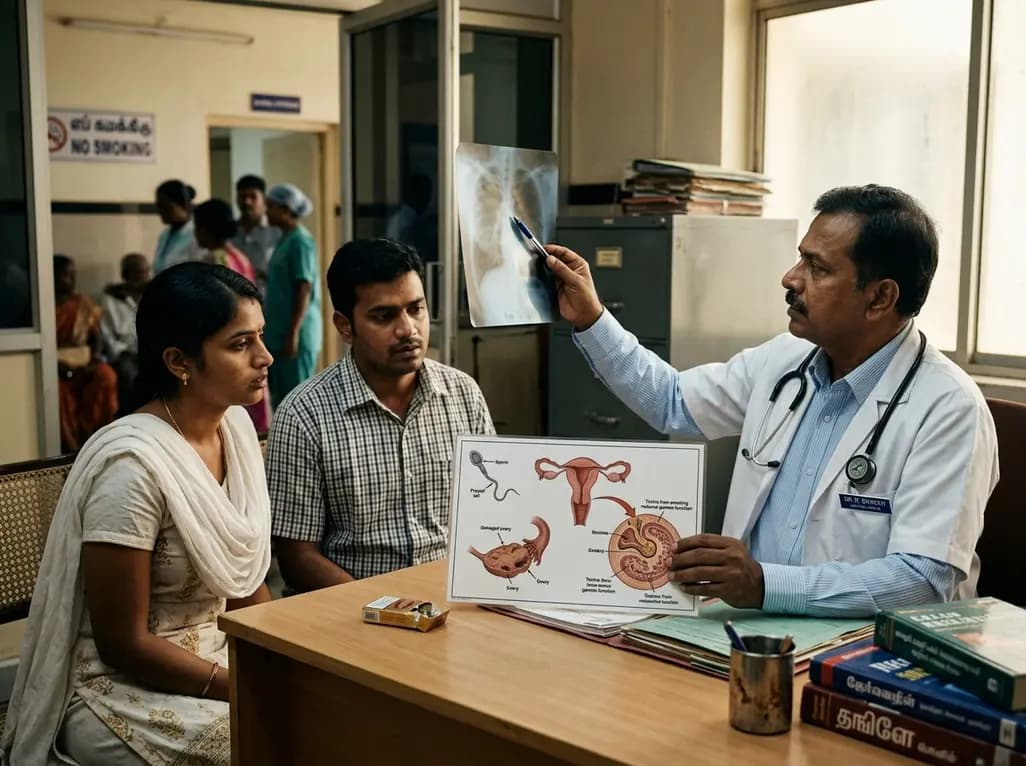
A global knowledge summary from the World Health Organization warns that tobacco smoking significantly increases infertility risks in women and causes substantial sperm and erectile dysfunction in men. Fortunately, quitting smoking substantially lowers these risks, providing clear reproductive benefits.
Today
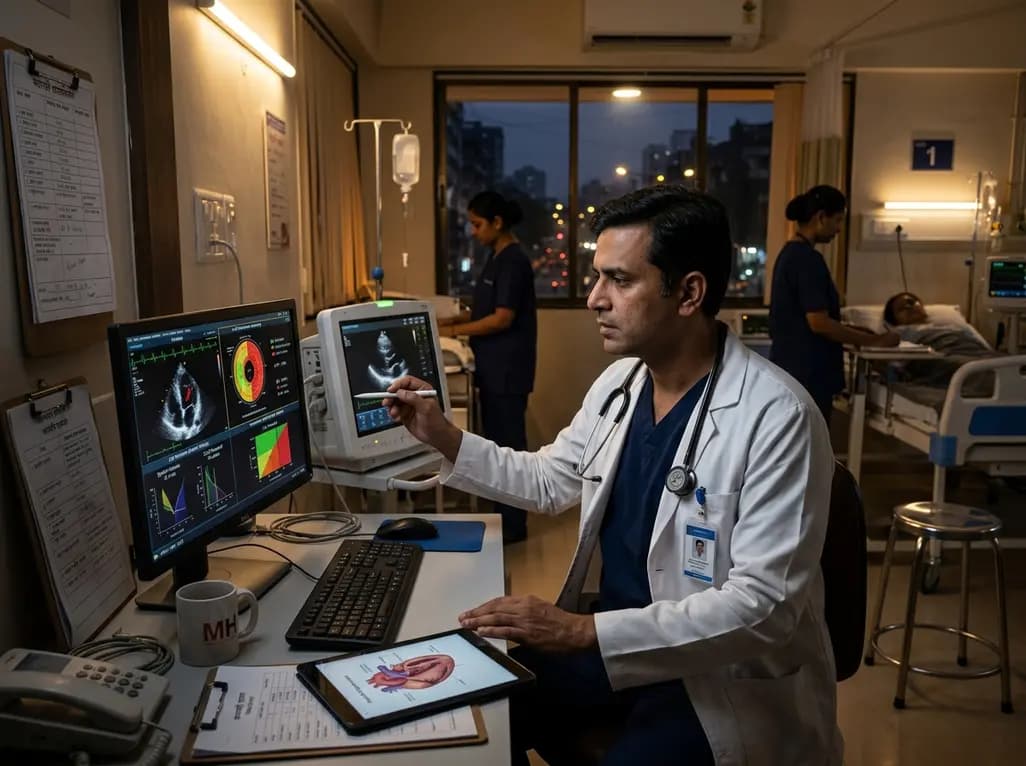
Emerging evidence shows that even dim night-time light exposure alters cardiac geometry and weakens contractility. In a landmark cohort study, nocturnal light above 3 lux triggered concentric left ventricular hypertrophy and subclinical dysfunction, highlighting nocturnal illumination as a modifiable cardiac risk factor.
Today
Cervi-AI achieves expert-level agreement in evaluating cervical spinal stenosis and spinal cord compression on MRI, while its automated imaging metrics reliably predict anterior versus posterior surgical approaches in multilevel degenerative cervical myelopathy.
Today
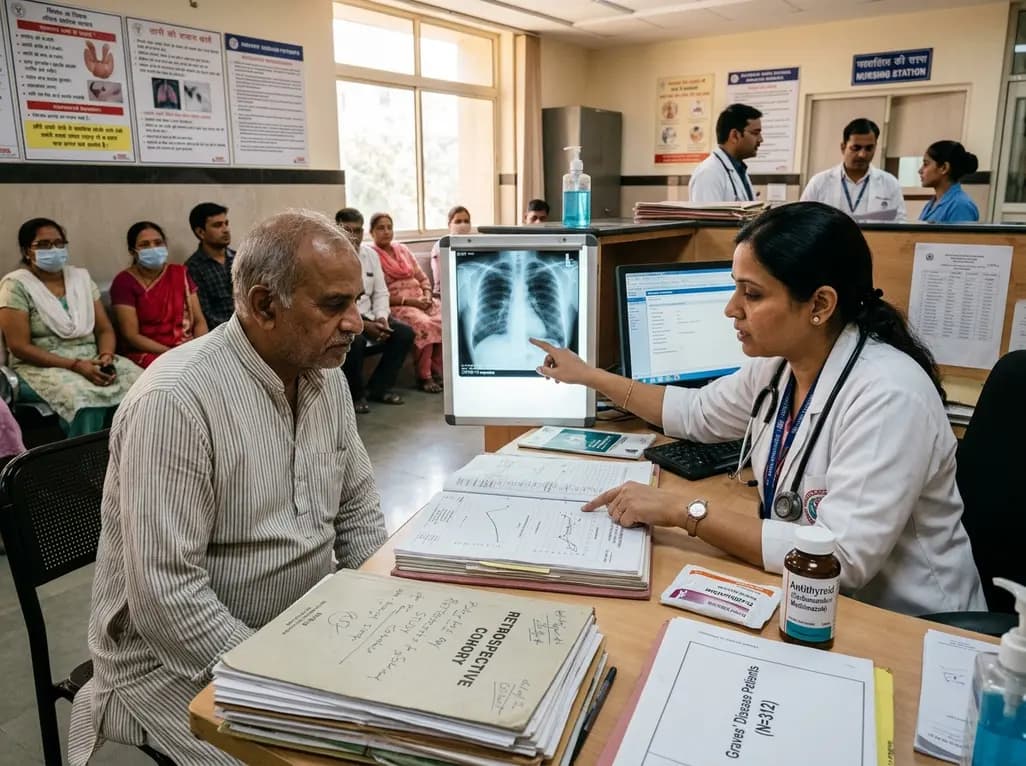
A retrospective cohort study evaluates the short- and long-term impacts of SARS-CoV-2 infection on patients with Graves' disease receiving antithyroid drug therapy, highlighting thyroid status destabilization, clinical symptom exacerbations, and post-viral sequelae.
Today
