.webp&w=384&q=75)

Loading, please wait...
Loading, please wait...
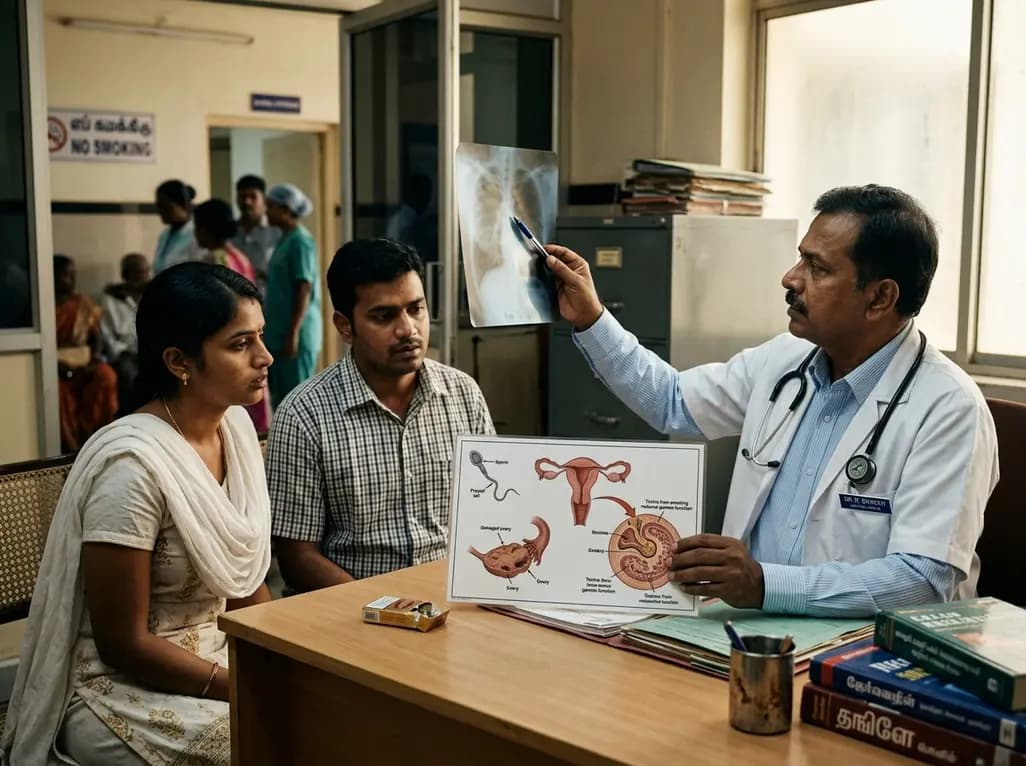
Globally, approximately one in six individuals of reproductive age experiences difficulty conceiving. Recent evidence indicates a powerful connection between smoking and infertility across diverse populations. The World Health Organization recently issued a comprehensive knowledge summary that emphasizes the severe biological toll of tobacco use on reproductive potential in both women and men.
Extensive clinical research demonstrates that tobacco smoke exerts detrimental effects on female reproductive organs. In a systematic review spanning studies from 2000 to 2026, researchers found that women who currently smoke face a 40 percent higher risk of infertility than non-smokers. Furthermore, tobacco toxins accelerate follicular depletion and impair natural ovarian reserve. Consequently, women who smoke regularly often experience earlier onset of menopause.
Additionally, nicotine and toxic combustion metabolites disrupt normal endocrine signaling along the hypothalamic-pituitary-ovarian axis. This disruption interferes with regular ovulation and hampers luteal phase progesterone production. Moreover, toxic compounds compromise the tubal microenvironment by paralyzing ciliary motility within the fallopian tubes. Therefore, fertilized ova encounter physical transport delays, which substantially elevates the risk of ectopic implantation. Fortunately, the epidemiological data also deliver an encouraging message. Specifically, women who cease smoking experience a 25 percent reduction in infertility risk compared to those who continue to smoke. This distinct benefit underscores the remarkable regenerative capacity of the reproductive tract once toxic exposures stop. Thus, primary care physicians must actively counsel prospective mothers on tobacco cessation before conception attempts begin.
Historically, public health dialogues frequently framed reproductive struggles primarily as female concerns. However, modern clinical evidence reveals that male factors contribute to nearly half of all infertility cases. The recent review evaluated 44 rigorous studies covering more than 60,000 men. Consequently, investigators confirmed strong associations between cigarette smoking and male reproductive dysfunction.
Specifically, male smokers exhibit profound abnormalities across multiple semen parameters. Tobacco smoke contains thousands of chemical compounds, including heavy metals like cadmium and lead, which penetrate the blood-testis barrier. Therefore, toxic exposure triggers systemic oxidative stress, directly damaging sperm DNA integrity and accelerating germ cell apoptosis. Clinicians routinely observe diminished total sperm counts, impaired forward motility, and abnormal morphological shapes among regular smokers. Furthermore, tobacco consumption severely disrupts peripheral vascular hemodynamics and endothelial nitric oxide production. As a result, male smokers experience significantly higher frequencies of erectile dysfunction and ejaculation disorders. In addition, severe cases present with azoospermia, completely precluding unassisted conception. Ultimately, these clinical insights demand that reproductive specialists evaluate paternal tobacco use just as thoroughly as maternal factors during initial fertility consultations.
Couples often turn to assisted reproductive technology when natural conception fails. Nevertheless, smoking substantially undermines the likelihood of success during advanced fertility interventions. The World Health Organization highlighted evidence synthesizing 21 independent clinical investigations. These studies linked ongoing cigarette consumption directly to fewer clinical pregnancies and live births following assisted reproduction.
In fact, certain clinical trials suggest that tobacco use cuts successful in-vitro fertilisation outcomes roughly in half. Toxic chemicals compromise oocyte quality, yielding fewer mature eggs during ovarian stimulation protocols. Consequently, embryologists observe lower fertilization rates and suboptimal blastocyst development in laboratories. Moreover, chronic smoke exposure compromises endometrial receptivity by reducing uterine perfusion and altering decidual gene expression. Therefore, even chromosomally normal embryos face impaired implantation conditions within the uterine cavity. Patients also experience significantly higher miscarriage rates following successful embryo transfers when either partner smokes. In addition, smokers frequently require higher doses of gonadotropins during stimulation cycles, thereby increasing both financial and physical burdens on couples. Accordingly, fertility clinics should implement mandatory cessation verification before initiating expensive assisted reproductive procedures to optimize clinical outcomes.
Importantly, an individual does not need to smoke cigarettes directly to suffer serious reproductive consequences. Passive inhalation of second-hand tobacco smoke introduces identical noxious compounds into non-smokers. The World Health Organization highlighted that passive smoke exposure significantly increases the risk of female infertility. Furthermore, passive inhalation reduces fecundability, diminishing the statistical probability of conceiving during any single menstrual cycle.
Sidestream smoke from burning cigarette tips actually contains higher concentrations of certain carcinogens than mainstream smoke. Consequently, non-smoking partners who share domestic spaces or workplaces with active smokers inhale substantial amounts of benzene, formaldehyde, and carbon monoxide. These airborne toxins readily cross biological membranes and circulate systemically. As a result, passive exposure generates systemic inflammatory cascades and induces persistent oxidative stress in reproductive tissues. Moreover, clinical studies confirm that women exposed to persistent passive smoke display cotinine levels comparable to light active smokers. This systemic contamination disrupts luteal function and harms follicular vascularization. Therefore, clinical guidelines must expand screening protocols to encompass household smoking behaviors. Healthcare professionals should actively educate entire family units regarding passive smoke hazards to protect prospective parents from preventable environmental reproductive toxicity.
Addressing tobacco dependence requires structured, evidence-based intervention across all healthcare settings. Given the urgent reproductive timelines of infertile couples, clinicians cannot treat smoking cessation as a secondary objective. Instead, medical providers must weave brief cessation advice systematically into routine primary care and specialist evaluations. The World Health Organization strongly urges healthcare practitioners to assess tobacco use at every patient encounter.
Specifically, providers should utilize the established 5A framework: Ask, Advise, Assess, Assist, and Arrange. When clinicians deliver clear, non-judgmental counsel linking tobacco cessation directly to improved reproductive outcomes, patient motivation rises substantially. Furthermore, medical teams must clarify emerging risks regarding novel nicotine products. Although conventional combustible cigarettes boast the most extensive clinical data, products such as e-cigarettes, waterpipes, and smokeless tobacco also pose tangible hazards to germ cells and vascular health. Therefore, clinicians must guide patients away from substituting combustible tobacco with unregulated electronic nicotine delivery systems. Instead, healthcare teams should offer validated behavioral counseling alongside safe cessation modalities where clinically appropriate. Ultimately, proactive smoking cessation counseling represents a highly cost-effective medical strategy that fundamentally protects both prospective parents and future generations.
Q1: How quickly does fertility improve after a woman stops smoking?
Reproductive benefits begin rapidly after tobacco cessation. When a woman quits smoking, cellular oxygenation and vascular perfusion normalize within days. Over several weeks, systemic oxidative stress diminishes and ovarian hormone regulation stabilizes. Epidemiological studies demonstrate that former smokers experience a twenty-five percent lower risk of infertility compared to continuing smokers. Consequently, quitting even a few months before conception substantially restores natural reproductive potential and protects fetal development.
Q2: Does smoking tobacco permanently damage male sperm production?
Fortunately, tobacco-induced damage to sperm is largely reversible because men generate fresh spermatozoa every seventy-four days. Chronic smoking impairs sperm motility, alters normal morphology, and damages sperm DNA through oxidative stress. However, when a man ceases smoking completely, newly developing germ cells mature in a toxin-free environment. Consequently, sperm parameters and erectile function show measurable improvements within three months, significantly boosting overall couple fecundity.
Q3: Are e-cigarettes and vape devices safer for couples trying to conceive?
Current scientific evidence indicates that e-cigarettes are not completely safe for reproductive health. Although vapor products lack combustible tar, they still deliver concentrated nicotine and hazardous flavoring compounds. Nicotine constricts uterine and testicular blood vessels, impairing microcirculation and elevating cellular oxidative stress. Preliminary studies correlate e-cigarette usage with reduced monthly conception rates. Therefore, medical experts advise couples planning a pregnancy to avoid all nicotine products entirely.
Disclaimer: This content is for informational and educational purposes only. It does not constitute medical advice or replace professional judgment. Refer to the latest local and national guidelines for clinical practice.
References

Read summarized clinical updates, watch expert medical content, and earn CME certifications right from your smartphone.
Open your smartphone camera to scan and install.





A global knowledge summary from the World Health Organization warns that tobacco smoking significantly increases infertility risks in women and causes substantial sperm and erectile dysfunction in men. Fortunately, quitting smoking substantially lowers these risks, providing clear reproductive benefits.
Today

Agitation complicates neurorehabilitation and challenges clinical staff. A structured quality improvement initiative demonstrates that validated scales, clinical decision trees, and multidisciplinary education significantly enhance provider confidence and optimize patient safety during inpatient recovery.
Today

Emerging evidence shows that even dim night-time light exposure alters cardiac geometry and weakens contractility. In a landmark cohort study, nocturnal light above 3 lux triggered concentric left ventricular hypertrophy and subclinical dysfunction, highlighting nocturnal illumination as a modifiable cardiac risk factor.
Today
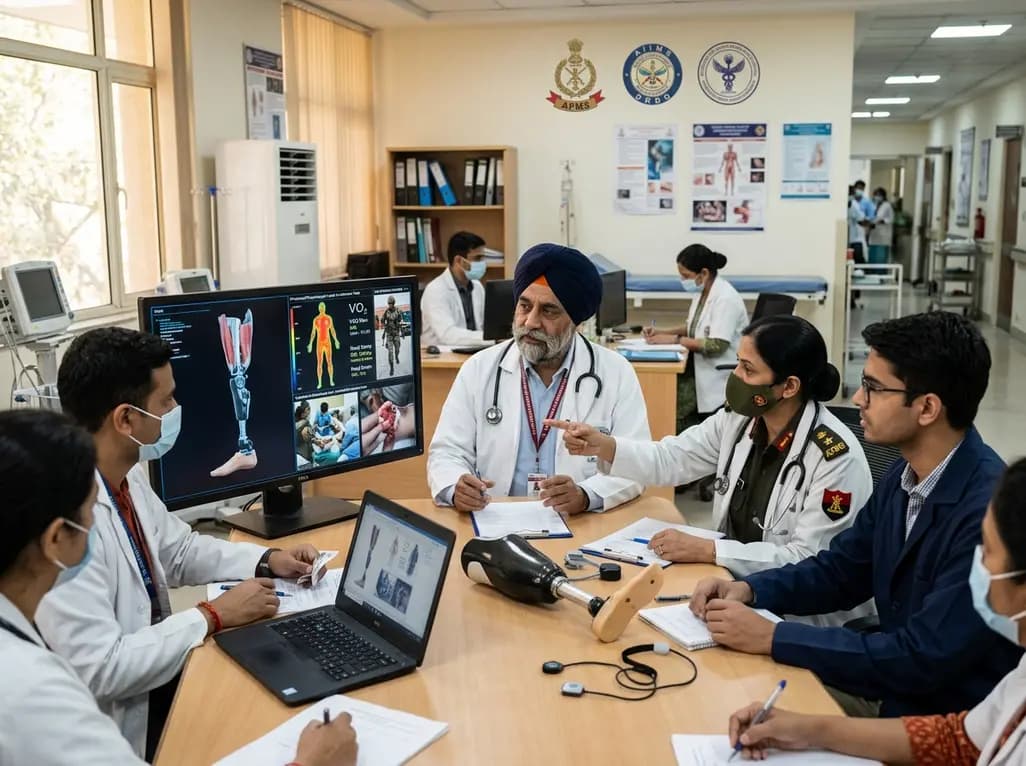
India's premier scientific bodies have joined the Armed Forces Medical Services to solve unique physiological and operational challenges faced by soldiers. The national collaboration covers combat casualty care, artificial intelligence diagnostics, bionic prosthetics, and extreme-environment physiological resilience.
Yesterday

A retrospective cohort study evaluates the short- and long-term impacts of SARS-CoV-2 infection on patients with Graves' disease receiving antithyroid drug therapy, highlighting thyroid status destabilization, clinical symptom exacerbations, and post-viral sequelae.
Today
