

Loading, please wait...
Loading, please wait...
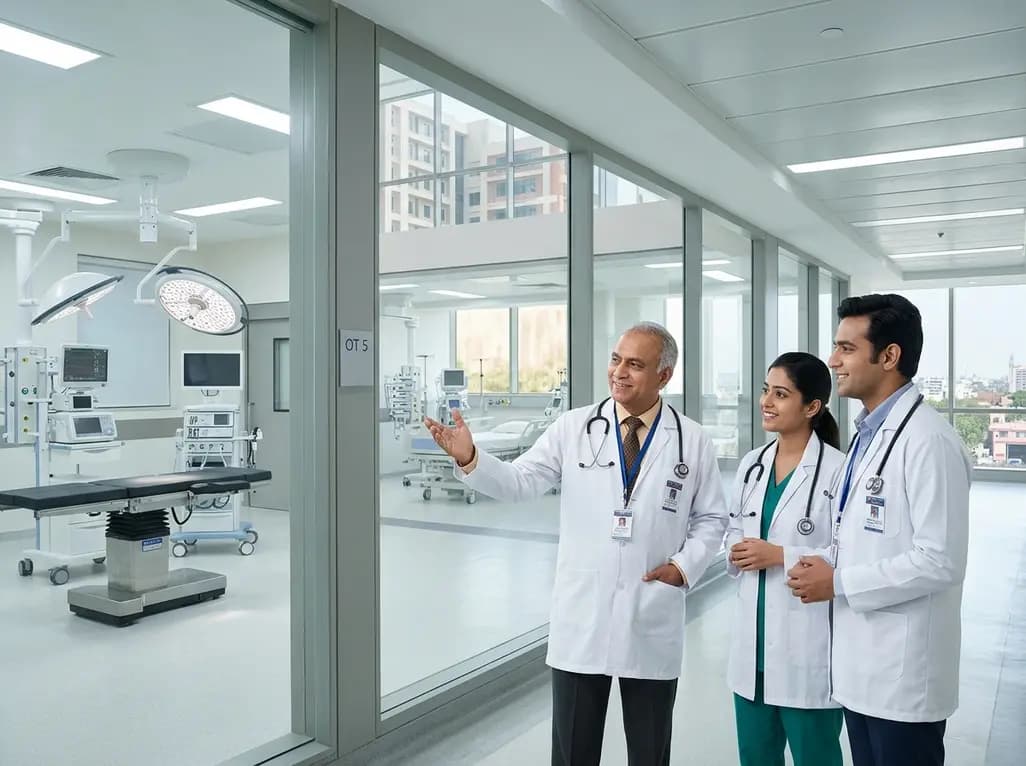
In a major infrastructural advancement for public health, Dr. Ram Manohar Lohia Hospital has achieved a pivotal operational milestone. Specifically, the Delhi Fire Service recently granted formal safety clearance to the new RML super speciality block. This approval officially removes the final regulatory impediment holding back the multi-crore tertiary care complex. Consequently, clinicians and administrators can now expedite commissioning procedures across all medical wings. The eleven-storey facility represents an investment of 482 crore rupees by the Central government. Furthermore, this expansion directly responds to escalating clinical demands across Northern India. Patients seeking specialized interventions will soon access expanded clinical services under one roof.
Public healthcare delivery in the national capital faces unrelenting clinical pressure daily. Consequently, the operationalization of the RML super speciality block serves as a cornerstone for institutional capacity expansion. The newly approved structure increases the total hospital bed inventory from 1,538 to 2,204 beds. Thus, this single facility introduces 666 additional beds dedicated to complex clinical disciplines. Tertiary care teams frequently manage severe multi-organ failure and complicated comorbidities requiring extended hospitalization. Therefore, dedicated super speciality inpatient accommodation directly addresses severe bed shortages.
Moreover, the modern architectural design reflects international benchmarks for patient safety and infection control. Healthcare providers often encounter cross-contamination challenges in overcrowded wards. In response, modern isolation rooms and optimized ventilation systems will improve overall clinical safety. Additionally, streamlined administrative zoning will facilitate prompt patient transfers between outpatients and diagnostic suites. Union health authorities recently underscored the necessity of patient-centric care during high-level strategic reviews. Accordingly, this facility demonstrates how public capital expenditure can modernize patient dignity and clinical efficiency.
Ultimately, clinical teams will deliver world-class medical therapy within an accessible governmental framework. As a result, underserved communities will receive equitable access to cutting-edge medical technologies without crippling personal out-of-pocket expenses.
Critical care management demands sophisticated continuous physiological monitoring and immediate intervention protocols. Fortunately, the new facility substantially fortifies acute care capacity by dedicating 99 intensive care beds. In addition, the structure integrates 196 high dependency unit beds to facilitate step-down therapy. Such specialized beds ensure seamless care continuity for fragile postoperative patients. Historically, clinical specialists across Delhi have struggled with intensive care triage bottlenecks during seasonal epidemic surges. Therefore, this acute bed expansion significantly alleviates intense strain on regional resuscitation teams.
Furthermore, medical intensivists will utilize state-of-the-art bedside invasive monitoring and modern automated ventilators. These critical resources assist clinicians in delivering lung-protective ventilation and advanced hemodiafiltration. Simultaneously, central nursing stations provide constant telemetry surveillance across each high dependency bay. As a result, critical care teams can swiftly identify hemodynamic deterioration before irreversible organ collapse occurs. Moreover, dedicated pharmaceutical cleanrooms and point-of-care laboratory stations sit in close physical proximity to the beds. Consequently, attending physicians receive diagnostic results rapidly, enabling prompt therapeutic modifications. This comprehensive infrastructural configuration elevates clinical outcomes for critically ill patients across the capital.
Surgical precision hinges on immaculate theatre architecture, laminar airflow systems, and high-definition visualization technology. For this reason, the facility incorporates 18 modular operation theatres equipped with advanced ergonomic surgical towers. Surgeons can routinely perform intricate laparoscopic, robotic, and microsurgical procedures with elevated operative safety. In particular, the hospital plans comprehensive clinical programs in gastrointestinal surgery, oncosurgery, and hepatology. Furthermore, the infrastructure specifically supports deceased and living-donor liver transplantation protocols. Performing successful solid organ transplants requires sterile operative environments and immediate access to auxiliary support.
Additionally, three high-tech catheterisation laboratories complement the surgical suites. Interventional cardiologists and endovascular specialists can thus perform complex structural heart repairs and emergency coronary angioplasties around the clock. Importantly, hybrid operational layouts permit multidisciplinary teams to pivot between percutaneous interventions and open cardiovascular repairs seamlessly. As a result, procedural morbidity decreases significantly during complicated cardiovascular emergencies. Meanwhile, specialized postoperative surgical recovery areas will accelerate early ambulation and reduce nosocomial infections. Hence, surgical departments can rapidly scale surgical output while maintaining superior safety standards.
Comprehensive oncological care necessitates an integrated multidisciplinary paradigm combining surgery, chemotherapy, and precision radiotherapy. To fulfill this critical need, the institution acquired two high-energy medical linear accelerators. These advanced radiation platforms deliver image-guided radiotherapy and stereotactic body radiation therapy with millimeter precision. Consequently, clinical oncologists can target deep-seated malignant neoplasms while sparing contiguous healthy anatomical structures. Furthermore, the facility houses an advanced nuclear medicine department equipped with high-resolution PET scan systems. Such molecular imaging allows nuclear medicine physicians to localize occult malignancies and evaluate metabolic responses accurately.
In addition, dedicated medical oncology daycare suites will facilitate modern outpatient systemic therapy regimens. Specialized infusion chairs and dedicated oncology nursing officers ensure safe cytotoxic administration and rapid extravasation management. Meanwhile, clinical hematologists will treat complex hematological disorders, including aggressive lymphomas and multiple myeloma. Thus, patients avoid fragmented treatment pathways by accessing diagnostics, chemotherapy, and radiotherapy under a unified clinical roof. Ultimately, this comprehensive oncology wing bridges severe therapeutic deficits currently burdening regional public cancer institutes. Undoubtedly, this centralized cancer infrastructure will dramatically improve long-term progression-free survival for hundreds of vulnerable patients annually.
Hospital safety regulations demand stringent compliance to safeguard vulnerable, non-ambulatory patient cohorts during emergency situations. Notably, the Delhi Fire Service issued the formal clearance after verifying rigorous life-safety standards. The building complies with Rule 33 of the Delhi Fire Service Rules of 2010. Furthermore, the operational certificate remains valid for three years under institutional occupancy class classifications. Securing this regulatory certificate guarantees that comprehensive active and passive fire protection systems function reliably. For example, the eleven-storey structure features pressurized fire exit staircases, automated sprinkler networks, and intelligent smoke detection sensors.
Additionally, clinical staff members must participate in scheduled disaster drills and evacuation protocol training. High-dependency wards and surgical suites present unique evacuation challenges due to life-support dependence. Therefore, compartmentalized fire zones allow horizontal evacuation, protecting immobile patients without interrupting critical mechanical ventilation. Moreover, dedicated heavy-duty electrical substations and automated fire dampers prevent toxic gas migration across vertical ventilation shafts. As a result, hospital engineers have established a robust physical envelope against catastrophic fire incidents. This thorough compliance process reflects institutional commitment to absolute patient protection and occupational safety.
Public tertiary medical centers in New Delhi historically grapple with overwhelming outpatient registrations and prolonged elective surgical delays. For instance, surgical candidates diagnosed with gastrointestinal malignancies often wait weeks for operative theatre availability. Consequently, clinical progression during these prolonged waiting intervals frequently worsens patient prognoses. The commissioning of this 666-bed expansion directly addresses these systemic backlogs. By doubling operative theatre capacity and critical care beds, surgical departments can shorten elective waiting lists considerably. Moreover, clinical specialists can promptly schedule routine hepatobiliary and oncologic surgeries without unnecessary procedural postponement.
Similarly, the availability of dual linear accelerators and in-house PET scanning resolves massive radiation scheduling delays. Patients will no longer experience weeks of postponement before initiating curative radiation therapy regimens. Furthermore, expanded outpatient consultation rooms will streamline inter-departmental referrals across medical and surgical super specialties. Attending physicians can therefore coordinate comprehensive multi-modality tumor boards with minimal friction. Ultimately, shortening patient waiting intervals enhances clinical outcomes and minimizes overall psychological distress for patient families. The broader regional health network will experience positive collateral relief as tertiary referrals distribute more efficiently.
Q1: What specific clinical super specialties will operate in the new RML Hospital block?
The new super speciality facility will offer advanced clinical care across oncology, oncosurgery, hepatology, and gastrointestinal surgery. In addition, the centre houses a dedicated liver transplantation program alongside comprehensive interventional cardiology services. Clinicians will also leverage three advanced catheterisation laboratories and an extensive nuclear medicine department. Consequently, the wing establishes an integrated tertiary platform, allowing clinicians to manage complex multi-organ pathologies under a single administrative and clinical framework.
Q2: How does the new facility expand critical care and operative capacity at RML Hospital?
The eleven-storey block incorporates 18 modern modular operation theatres and three state-of-the-art catheterisation laboratories. Furthermore, acute care capacity expands through 99 dedicated intensive care beds and 196 high dependency unit beds. Overall, the project increases total hospital bed strength from 1,538 to 2,204 beds. Thus, these extensive facilities resolve severe triage bottlenecks, accelerate elective surgical scheduling, and ensure immediate critical resuscitation for deteriorating emergency and postoperative surgical patients.
Q3: Why was the fire safety clearance a crucial regulatory hurdle for operationalization?
Obtaining statutory fire clearance under the Delhi Fire Service Rules represents a mandatory legal prerequisite before admitting patients. Specifically, healthcare buildings house non-ambulatory, vulnerable populations requiring specialized compartmentalization and active smoke management systems. Securing this three-year No Objection Certificate confirms complete institutional compliance with emergency egress, sprinkler networks, and pressurized fire staircases. Therefore, receiving this regulatory approval clears the path for licensing authorities to initiate full clinical commissioning without safety compromises.
Disclaimer: This content is for informational and educational purposes only. It does not constitute medical advice or replace professional judgment. Refer to the latest local and national guidelines for clinical practice.
References

Read summarized clinical updates, watch expert medical content, and earn CME certifications right from your smartphone.
Open your smartphone camera to scan and install.





The operational clearance of the new 11-storey wing at RML Hospital significantly scales tertiary public healthcare in New Delhi. With 18 modern operation theatres, nearly 100 intensive care beds, advanced linear accelerators, and dedicated organ transplant units, the facility addresses critical patient access gaps.
Today
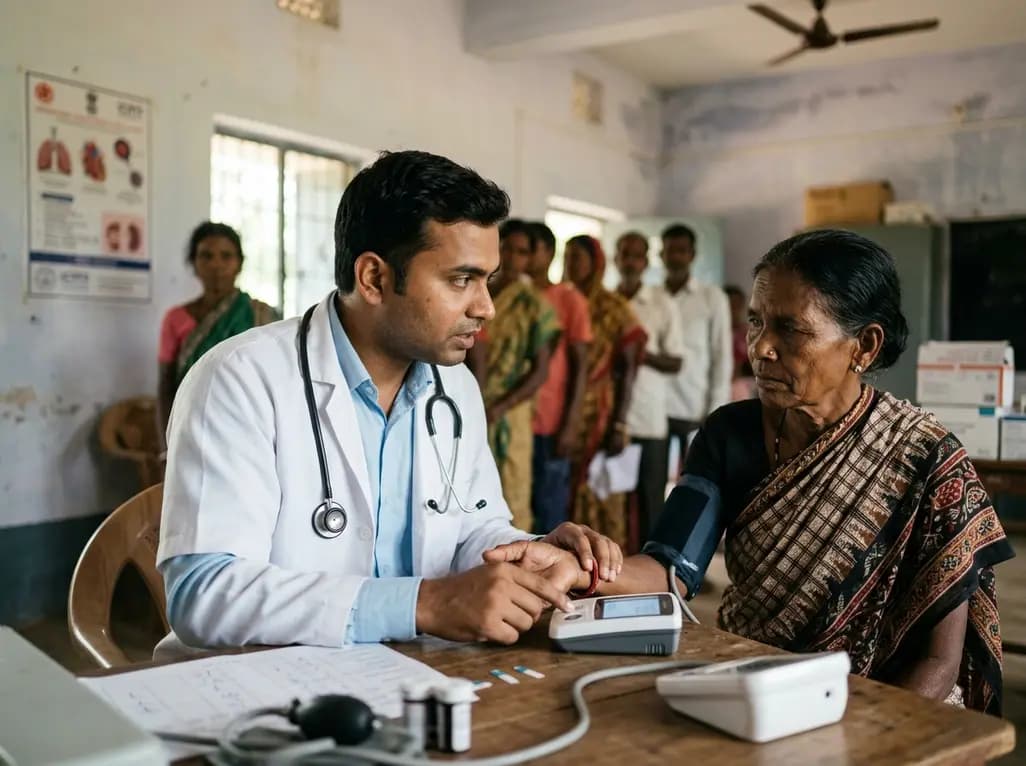
An ICMR study reveals that nearly 25% of tribal adults in Odisha suffer from renal decline. Driven by untreated hypertension, diabetes, and lifestyle risks, this hidden burden highlights the critical need for point-of-care diagnostics, proactive screening, and targeted non-communicable disease interventions.
Today

A study in Ultrasound in Obstetrics & Gynecology shows that quantitative vascularization of the anterior fornix/cervix with transvaginal ultrasound reliably identifies placenta accreta spectrum and predicts severe intraoperative hemorrhage, offering vital objective risk stratification.
Today
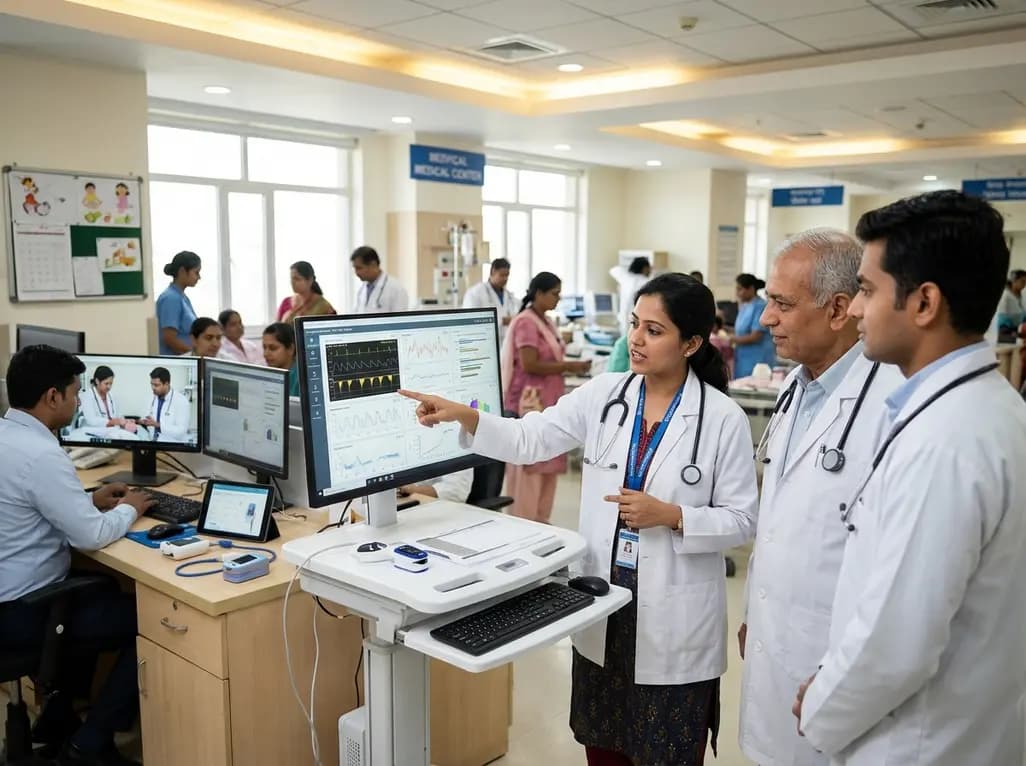
A landmark study details how an enterprise pediatric remote patient management model expanded from a single cardiology pilot to 16 diverse specialty programs by combining centralized digital operations with specialty clinical leadership.
Yesterday
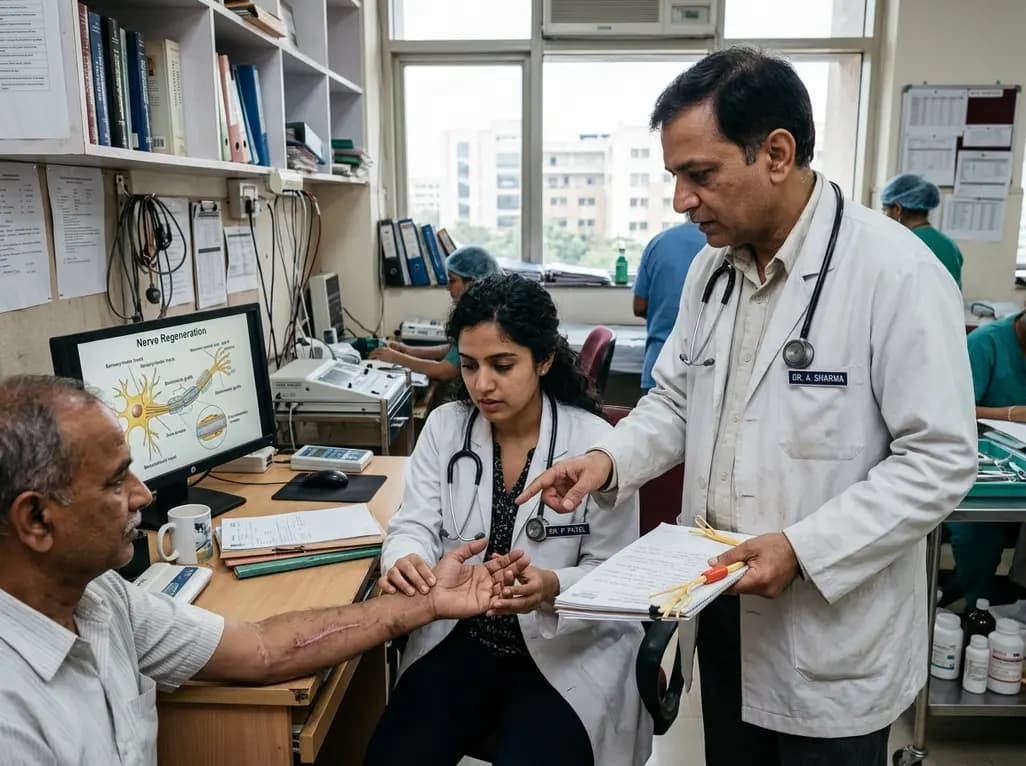
Peripheral nerve injuries present clinical challenges due to regenerative mismatches between sensory and motor neurons. This review explores cutting-edge tissue-engineered nerve grafts designed as central-peripheral signal relays to overcome denervation atrophy and restore functional motor-sensory recovery.
Today
Protein O-GlcNAcylation couples cellular nutrient status to vital neuronal functions. This review explores how disrupted O-GlcNAc cycling drives both neurodevelopmental delays and neurodegenerative cascades, positioning metabolic post-translational modifications as therapeutic targets in clinical neurology.
Today
