

Loading, please wait...
Loading, please wait...
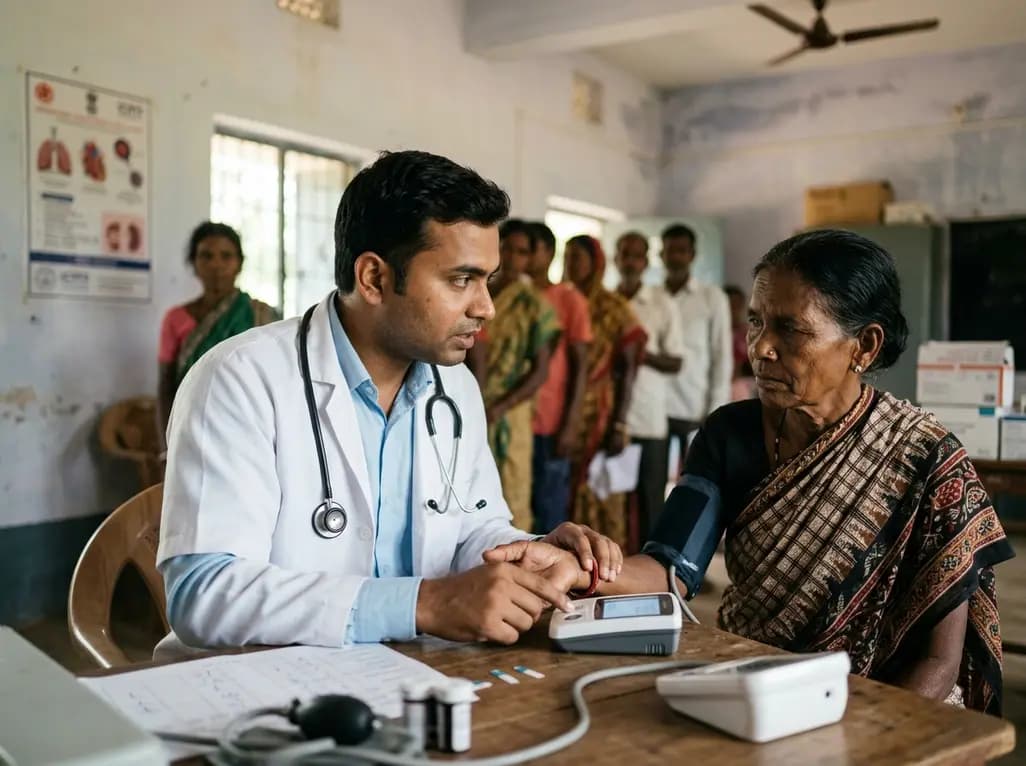
Impaired kidney function represents an escalating yet under-recognized health crisis among indigenous populations in eastern India. A recent landmark study led by the ICMR-National Institute of Health Research in Bhubaneswar evaluated 19,703 adults across 53 tribal communities. Consequently, researchers discovered a profound burden of silent renal decline. Most patients remain asymptomatic until end-stage nephropathy develops. Therefore, healthcare providers must urgently re-evaluate clinical screening approaches.
The cross-sectional investigation utilized comprehensive data from the Odisha Tribal Family Health Survey conducted during 2022 and 2023. Investigators calculated glomerular filtration rates using standardized serum creatinine measurements and the validated CKD-EPI equation. Strikingly, 24.8% of evaluated tribal adults presented with impaired kidney function. Within this cohort, 16.6% demonstrated mild renal impairment, while 6.4% exhibited moderate dysfunction. Furthermore, 1.5% suffered from severe impairment, and 0.3% reached established kidney failure. These epidemiological data confirm that nearly one in four indigenous adults lives with compromised renal physiology. Importantly, disease prevalence rose dramatically across successive age categories. Among younger adults aged 18 to 30 years, only 5.6% showed compromised clearance. In contrast, the prevalence escalated to 79.4% among individuals older than 70 years. Additionally, male participants exhibited higher rates of renal decline compared to female counterparts across identical age bands. These robust findings indicate that advancing age constitutes a primary risk factor for nephron loss. However, the distinct presence of disease in young adults highlights earlier pathological triggers. Thus, unaddressed environmental and metabolic insults damage renal parenchyma long before symptoms manifest. Early detection helps protect vulnerable populations from rapid deterioration. Consequently, clinicians must maintain vigilant surveillance for early nephropathy across all tribal adult demographics.
Cardiovascular and metabolic comorbidities play a decisive role in accelerating microvascular renal damage within tribal communities. Notably, the study revealed that uncontrolled hypertension and persistent diabetes mellitus correlated most strongly with reduced clearance. Sustained systemic hypertension drives glomerular sclerosis through persistent intraglomerular capillary hypertension and wall stiffening. Similarly, chronic hyperglycemia triggers advanced glycation end-products and oxidative cellular injury within the delicate nephrons. In addition, rural indigenous patients frequently lack routine access to baseline cardiometabolic screening. Therefore, elevated blood pressure often remains undiagnosed and untreated for many consecutive years. This persistent clinical delay creates a compounding pathological insult on functioning nephrons. The investigation also observed that individuals with low body mass index experienced elevated vulnerability. Consequently, chronic undernutrition appears to synergize with metabolic stress, exacerbating tubular damage. Routine urinalysis for microalbuminuria provides an invaluable early warning sign before serum creatinine rises. Thus, combining blood pressure monitoring with spot urine checks forms a vital frontline defense. When clinicians evaluate indigenous adults, they must prioritize simultaneous cardiovascular and glycemic assessment. Furthermore, initiating renin-angiotensin system blockers early reduces proteinuria and preserves filtration. Moreover, achieving strict blood pressure targets delays dialysis. Primary care physicians should therefore emphasize comprehensive metabolic surveillance during every tribal clinical visit.
Beyond direct physiological drivers, structural and behavioural determinants significantly amplify nephropathy rates across tribal districts. Researchers identified chronic tobacco consumption and regular alcohol use as major modifiable contributors. Nicotine induces renal vasoconstriction, endothelial dysfunction, and accelerated glomerular injury. Meanwhile, heavy alcohol consumption promotes persistent dehydration, electrolyte shifts, and arterial hypertension. Furthermore, the analysis highlighted poor dietary diversity and entrenched poverty as crucial background variables. Monotonous diets deficient in essential micronutrients exacerbate systemic oxidative stress and metabolic dysregulation. In contrast, balanced nutrition supports vascular integrity and slows down progressive organ deterioration. Lower formal education also emerged as an independent predictor of advanced kidney impairment. Limited literacy frequently restricts health awareness and impedes strict medication adherence. Consequently, patients often seek healthcare only when symptoms of severe uremia become unbearable. For instance, fluid retention, intractable nausea, and severe dyspnea indicate advanced nephron loss. Hence, public health strategies must move beyond clinical prescriptions to address community-level disparities. Health education delivered in native tribal dialects can bridge this communication gap effectively. Accordingly, grassroot interventions can empower marginalized families to adopt protective lifestyle choices. Therefore, holistic lifestyle counseling and community-based de-addiction programs must form integral components of rural preventive nephrology.
To address logistical challenges in remote tribal hamlets, the research team pioneered advanced predictive computational tools. Specifically, they constructed deep neural networks and extreme gradient boosting algorithms using routine demographic parameters. These machine learning models accurately identified high-risk individuals without requiring immediate invasive laboratory diagnostics. In particular, Shapley Additive explanations highlighted age, hypertension, diabetes, tobacco use, and dietary diversity as decisive predictive features. The deep neural network achieved an impressive predictive accuracy of seventy-eight percent. Furthermore, the model demonstrated excellent recall when researchers adjusted classification decision thresholds. Therefore, public health workers can utilize digital risk scores to prioritize patients for physical laboratory testing. Remote forest settlements often feature rugged terrains and absent transport infrastructure. Consequently, blanket biochemical testing for entire populations remains economically and logistically unfeasible. Predictive algorithms enable healthcare workers to stratify high-risk adults efficiently. Community health officers can then deploy mobile diagnostic resources directly to identified high-risk households. Moreover, integrating machine learning tools into tablet computers empowers field staff during routine health visits. Thus, modern computational technology transforms traditional outreach into data-driven preventative medicine. Ultimately, this precision public health framework maximizes resource allocation across vulnerable regions. As a result, clinical teams can detect silent kidney damage before irreversible nephron destruction occurs.
Symptom-based medicine frequently fails in renal care because early stages of kidney damage remain silent. Consequently, late-stage presentations with severe anemia, fluid overload, and uremia overwhelm secondary hospitals in Odisha. To overcome this limitation, ICMR-NIHR developed an innovative point-of-care diagnostic device. This portable tool quantifies serum creatinine and blood urea levels from a simple finger-prick blood sample. The device currently undergoes rigorous clinical field validation across diverse primary healthcare settings. Once cleared, local accredited social health activists can operate the device directly within patient households. Therefore, door-to-door testing will eliminate the need for costly travel to distant tertiary medical centres. Furthermore, health authorities must integrate renal screening into existing non-communicable disease control programs. Frontline health and wellness centres require reliable supplies of renin-angiotensin system inhibitors and nephroprotective therapeutics. Clinicians must also provide structured training for rural medical officers on chronic kidney management. Additionally, establishing clear referral protocols ensures seamless transition to nephrology specialists when required. When primary health teams identify mild impairment early, simple dietary adjustments and blood pressure control halt disease progression. In contrast, neglected renal impairment inevitably advances to costly and fatal end-stage renal failure. Hence, proactive decentralized surveillance offers the only sustainable solution for indigenous communities.
Q1: What did the ICMR study reveal regarding kidney health in Odisha's tribal communities?
The ICMR study revealed that nearly 24.8% of tribal adults in Odisha suffer from impaired kidney function. Mild impairment affected 16.6% of participants, while 6.4% exhibited moderate impairment. Additionally, 1.5% presented with severe damage, and 0.3% had kidney failure. Furthermore, the condition escalated with age, reaching nearly 80% in adults over 70. Consequently, this study demonstrates an urgent need for proactive screening.
Q2: Which primary risk factors accelerate renal decline among indigenous adults in India?
Uncontrolled hypertension and diabetes mellitus represent the most decisive clinical drivers of renal decline in indigenous adults. Furthermore, behavioral determinants heavily exacerbate this disease burden. Researchers identified regular tobacco use, alcohol consumption, low dietary diversity, and lower formal education as significant contributors. Additionally, undernutrition compounds nephron vulnerability. Therefore, primary care clinicians must aggressively target these modifiable factors through early cardiometabolic interventions and lifestyle counseling.
Q3: How can point-of-care testing and machine learning improve rural kidney care delivery?
Machine learning models utilize routine demographic data to identify high-risk individuals without immediate laboratory access. Consequently, health workers can triage remote populations before deploying biochemical resources. Meanwhile, validated point-of-care diagnostic devices measure urea and creatinine via a simple finger-prick. Frontline health workers can deploy these portable tools directly to households. Therefore, integrating predictive algorithms with bedside testing bypasses rural transport barriers effectively.
Disclaimer: This content is for informational and educational purposes only. It does not constitute medical advice or replace professional judgment. Refer to the latest local and national guidelines for clinical practice.
References

Read summarized clinical updates, watch expert medical content, and earn CME certifications right from your smartphone.
Open your smartphone camera to scan and install.





An ICMR study reveals that nearly 25% of tribal adults in Odisha suffer from renal decline. Driven by untreated hypertension, diabetes, and lifestyle risks, this hidden burden highlights the critical need for point-of-care diagnostics, proactive screening, and targeted non-communicable disease interventions.
Today
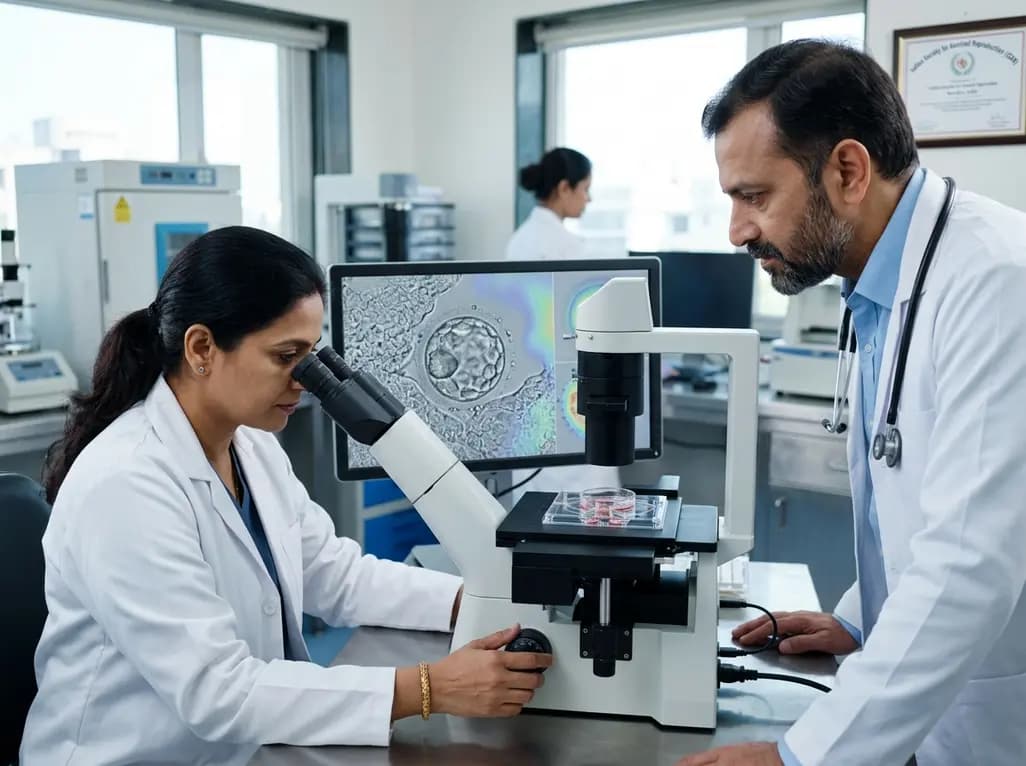
Recent research reveals distinct protein secretion profiles and morphometric shifts between euploid and aneuploid human blastocysts cultured in an advanced 3D endometrial platform, opening new avenues for non-invasive embryo assessment.
Today
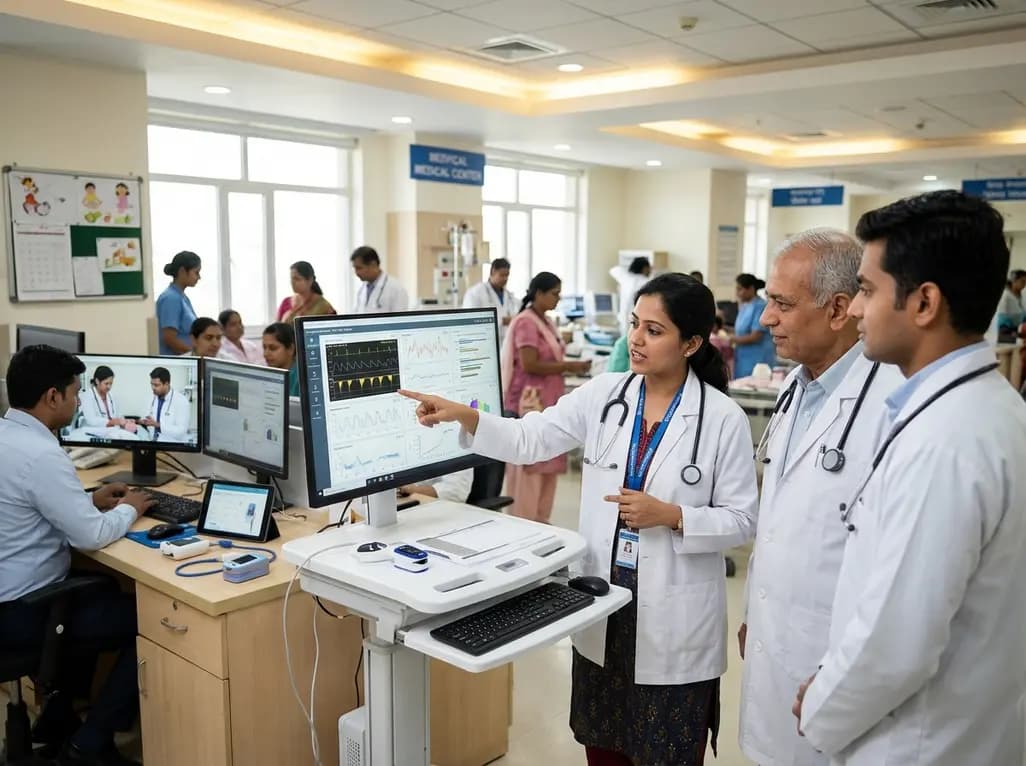
A landmark study details how an enterprise pediatric remote patient management model expanded from a single cardiology pilot to 16 diverse specialty programs by combining centralized digital operations with specialty clinical leadership.
Yesterday
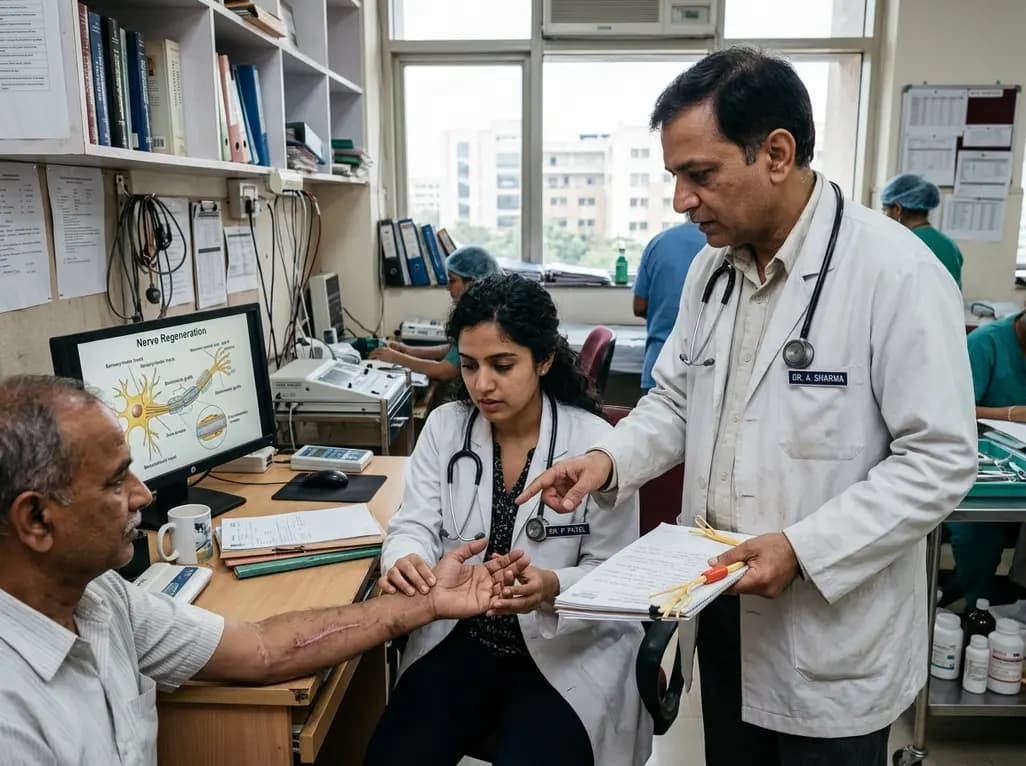
Peripheral nerve injuries present clinical challenges due to regenerative mismatches between sensory and motor neurons. This review explores cutting-edge tissue-engineered nerve grafts designed as central-peripheral signal relays to overcome denervation atrophy and restore functional motor-sensory recovery.
Today

Protein O-GlcNAcylation couples cellular nutrient status to vital neuronal functions. This review explores how disrupted O-GlcNAc cycling drives both neurodevelopmental delays and neurodegenerative cascades, positioning metabolic post-translational modifications as therapeutic targets in clinical neurology.
Today
