

Loading, please wait...
Loading, please wait...

The clinical recognition of RLIM neurodevelopmental disorders represents an important advance in pediatric neurology and medical genetics. Specifically, pathogenic hemizygous variants in the RLIM gene, also known as RNF12, cause Tønne-Kalscheuer syndrome (TOKAS). This rare X-linked recessive disorder primarily affects males, producing marked intellectual disability, global developmental delays, and multisystem anomalies. Furthermore, female carriers generally remain unaffected or display very mild features because skewed X-chromosome inactivation protects normal cellular function. Consequently, clinicians frequently encounter diagnostic challenges when evaluating syndromic male infants who present with unexplained congenital anomalies. In addition, biochemical investigations demonstrate that RLIM encodes an essential RING-type E3 ubiquitin ligase. This specialized enzyme regulates critical ubiquitin-dependent signaling pathways throughout mammalian embryogenesis. Therefore, when pathogenic mutations disrupt RLIM catalytic activity, embryonic organogenesis and neural development suffer profound impairment. Moreover, prompt identification allows families to obtain precise genetic counseling and access proactive developmental interventions. Pediatric specialists must maintain high clinical suspicion when evaluating boys with unexplained syndromic delays.
Tønne-Kalscheuer syndrome manifests through a broad spectrum of neurological and structural anomalies. Most affected males exhibit severe cognitive deficits, motor delays, and profound speech impairment. Additionally, behavioral disturbances such as hyperactivity and autistic features frequently appear as children grow. Craniofacial dysmorphisms also provide strong diagnostic clues for astute clinicians. Specifically, patients often display brachycephaly, prominent foreheads, low-set ears, depressed nasal bridges, and thin upper lips. Furthermore, congenital diaphragmatic hernia represents a severe and potentially life-threatening complication in newborns. Because diaphragmatic defects trigger secondary pulmonary hypoplasia, neonatologists must deliver immediate respiratory stabilization and surgical intervention. Urogenital anomalies also occur across affected cohorts, including cryptorchidism, micropenis, hypospadias, and ambiguous genitalia. In contrast, heterozygous female carriers rarely exhibit severe structural defects. However, some carrier females experience reproductive challenges, including subfertility or premature ovarian failure. Skeletal anomalies like scoliosis, pectus excavatum, and joint contractures also manifest periodically. Consequently, comprehensive physical examinations across every physiological system remain vital for establishing an accurate clinical baseline.
The molecular genetics of RLIM illustrate how developmental pathways depend on precise protein dosage. While hemizygous missense variants cause loss-of-function TOKAS phenotypes, chromosomal duplications at the Xq13.2-q13.3 locus cause Chromosome Xq13 duplication syndrome. Remarkably, affected males with microduplications display intellectual disability, behavioral anomalies, and facial dysmorphisms that closely mirror TOKAS features. This striking convergence confirms that both insufficient and excessive RLIM activity derail identical neurodevelopmental processes. Therefore, maintaining tightly calibrated RLIM levels is essential for normal central nervous system architecture. Furthermore, female carriers of Xq13 duplications generally demonstrate normal intelligence. This clinical preservation occurs because preferential inactivation of the duplicated X chromosome prevents pathological protein overexpression. Nevertheless, subtle neurocognitive variations may occasionally arise in female carriers. Routine chromosomal microarray testing reliably detects these genomic copy-number variations in modern genetics clinics. In addition, comparative genomic hybridization helps delineate duplication boundaries and adjacent genes. Understanding this dosage sensitivity helps clinicians evaluate borderline genetic findings. Consequently, accurate copy-number interpretation prevents diagnostic delays in pediatric neurogenetics.
At the biochemical level, RLIM operates as a key catalytic E3 ubiquitin ligase. Specifically, the enzyme attaches ubiquitin chains to target proteins, directing them toward proteasomal degradation or altering their subcellular localization. One major physiological substrate is LIM domain-binding protein 1 (LDB1), a core transcriptional co-regulator. By controlling LDB1 turnover, RLIM guides gene expression networks that govern neuronal differentiation and motor pathway assembly. Additionally, RLIM degrades the pluripotency transcription factor REX1, an action required for initiation of random X-chromosome inactivation. Pathogenic missense mutations typically cluster within the catalytic C-terminal RING domain or conserved basic regulatory motifs. Consequently, these structural substitutions abolish ubiquitin ligase activity and disrupt essential interactions with E2 ubiquitin-conjugating enzymes. Mutated RLIM fails to ubiquitylate substrate proteins, causing their abnormal intracellular accumulation. Furthermore, modern proteomic studies identify additional disease-relevant targets, including epigenetic regulators like histone deacetylases and chromatin remodeling complexes. Therefore, loss of RLIM function induces extensive downstream transcriptional dysregulation across developing neural tissues. Deciphering these complex molecular mechanisms will guide future target identification for therapeutic development.
Accurate diagnosis of RLIM-associated conditions demands integrated clinical evaluation and advanced genomic sequencing. Initially, clinicians should perform meticulous phenotyping, documenting developmental milestones, craniofacial characteristics, and structural birth anomalies. When a male infant presents with developmental delay, congenital diaphragmatic hernia, and genital malformations, physicians must suspect TOKAS. Chromosomal microarray analysis serves as an initial test to identify microduplications involving Xq13. However, microarray platforms cannot detect point mutations. Therefore, comprehensive whole-exome sequencing or multi-gene intellectual disability panels provide the highest diagnostic yield. After identifying an RLIM variant, laboratories must perform parental Sanger sequencing to establish inheritance patterns. Furthermore, analyzing maternal X-inactivation status helps clinicians determine variant pathogenicity. Management currently relies on supportive care and coordinated multispecialty interventions. Pediatric surgeons must promptly repair congenital diaphragmatic hernias during the neonatal period. Additionally, pediatric neurologists should monitor electroencephalograms to manage emergent seizures effectively. Physical, occupational, and speech therapists must implement customized early intervention programs to maximize neurocognitive potential. Finally, medical geneticists must deliver empathetic counseling regarding reproductive recurrence risks for carrier mothers.
Tønne-Kalscheuer syndrome results from hemizygous loss-of-function missense mutations within the RLIM gene on the X chromosome. In contrast, Chromosome Xq13 duplication syndrome stems from copy-number gains involving the same genomic region. Despite opposing genetic mechanisms, both conditions produce remarkably overlapping clinical phenotypes, including intellectual disability, facial dysmorphism, and behavioral difficulties. This phenotypic similarity demonstrates that developing human neural tissues require tightly regulated RLIM protein dosage for proper cellular differentiation and brain function.
Female carriers possess two X chromosomes, allowing preferential inactivation of the mutant allele in most somatic cells. This physiological process, known as highly skewed X-chromosome inactivation, ensures that the normal RLIM allele on the active X chromosome directs physiological protein synthesis. Consequently, female carriers typically maintain sufficient E3 ubiquitin ligase activity to avoid neurodevelopmental deficits. However, some female carriers may experience subtle endocrine issues, subfertility, or premature ovarian insufficiency during their reproductive years.
Whole-exome sequencing and targeted multi-gene panels for intellectual disability offer the highest diagnostic sensitivity for TOKAS. These sequencing platforms effectively capture hemizygous missense variants across the RLIM coding regions that routine karyotyping or standard chromosomal microarrays miss entirely. Furthermore, clinicians should order chromosomal microarray analysis whenever they suspect structural microduplications at the Xq13 locus. Combining next-generation sequencing with maternal segregation testing confirms variant pathogenicity and clarifies inheritance risks for future family planning.
Disclaimer: This content is for informational and educational purposes only... Refer to the latest local and national guidelines for clinical practice.
References

Read summarized clinical updates, watch expert medical content, and earn CME certifications right from your smartphone.
Open your smartphone camera to scan and install.





This clinical review explores RLIM neurodevelopmental disorders, focusing on Tønne-Kalscheuer syndrome and Xq13 duplication syndrome. It details the molecular role of RLIM E3 ubiquitin ligase, dosage sensitivity, phenotypic spectrum, diagnostic evaluation, and multidisciplinary management.
Today
Recent rapid autopsy cohorts and tissue biopsy studies reveal that tissue immune cell phenotypes differ substantially from peripheral blood. These findings uncover how viral reservoirs persist in sanctuary anatomical sites, providing critical clues for developing targeted HIV eradication strategies.
Today

A KGMU study reveals over half of women with breast abnormalities fail to undergo diagnostic confirmation, leading to advanced-stage detection. Discover the socio-cultural barriers, clinical risks of incomplete resection, and community-level solutions needed to bridge the critical screening-to-diagnosis gap in India.
Yesterday
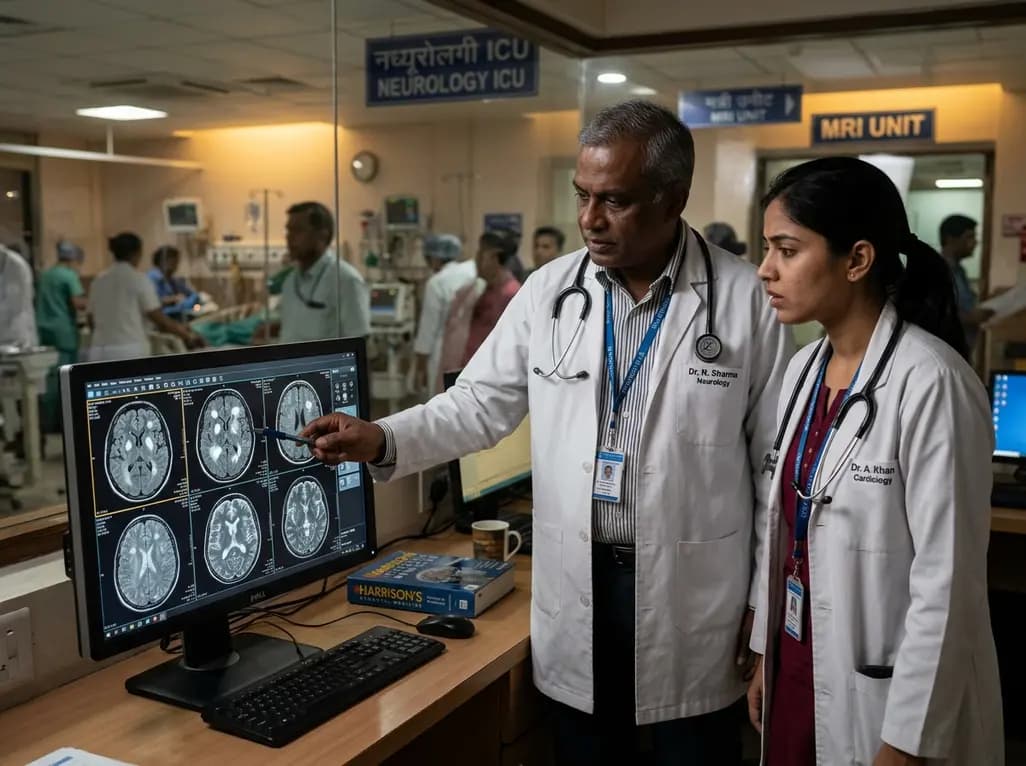
Recent findings from the VESUVE study demonstrate that brain MRI detects intracranial lesions in over 76% of patients with infective endocarditis. Acute ischemic stroke and subarachnoid hemorrhage independently elevate six-month mortality, underscoring the critical prognostic utility of neuroimaging.
Today
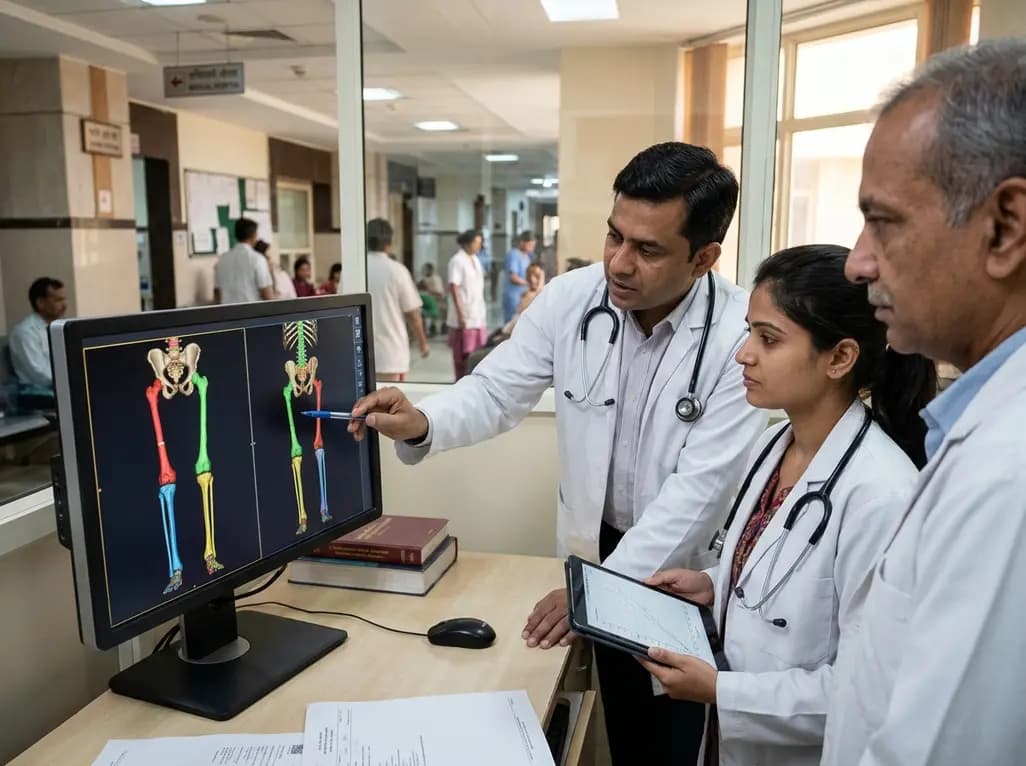
Modern 3D anthropometry reveals that pediatric leg growth ceases years before spinal elongation, exposing the clinical illusion of the classical Anderson-Green model. Learn how segmental growth dissociation improves surgical timing for epiphysiodesis in adolescent leg length discrepancy.
Today

A meta-analysis of 18 studies reveals that bariatric surgery does not significantly alter circulating homocysteine levels, regardless of follow-up duration. Clinicians must maintain vigilance over post-surgical micronutrient supplementation to prevent hyperhomocysteinemia.
Today
