

Loading, please wait...
Loading, please wait...

Clinical management of human immunodeficiency virus has advanced remarkably with modern antiretroviral therapy. However, achieving a sterile cure remains elusive because latent viral reservoirs persist within sequestered anatomical sites. Recent postmortem and surgical biopsy investigations highlight the critical role of tissue immune cell phenotypes in viral persistence. Although clinicians routinely measure circulating CD4+ counts in clinical practice, blood reflects only a tiny fraction of the global lymphoid landscape. Therefore, studying tissue microenvironments has become essential to decipher HIV biology.
Historically, clinicians and researchers relied on peripheral blood mononuclear cells to evaluate immune health in people living with HIV. Nevertheless, over ninety-eight percent of the body's lymphocytes reside inside deep tissues. These anatomical compartments include lymph nodes, gut-associated lymphoid tissue, the spleen, and the central nervous system. Recent rapid autopsy protocols now enable scientists to harvest these inaccessible organs within hours of death. Consequently, these systematic tissue evaluations demonstrate that circulating cells do not mirror cellular behavior in deep tissue niches. In tissue compartments, CD4+ T cells frequently exhibit memory phenotypes with distinct activation markers. Furthermore, tissue-resident memory T cells express high levels of CD69 and CD103, which prevent their recirculation into the bloodstream. These phenotypic adaptations create localized microenvironments that favor viral integration and cellular survival. Thus, assessing blood alone provides an incomplete and potentially misleading depiction of host immunity. By characterizing localized cellular dynamics, researchers can better understand how viral sanctuaries withstand systemic therapeutic regimens. These discoveries emphasize why peripheral viral suppression does not always correlate with tissue-level viral eradication.
Antiretroviral therapy stops active viral replication, yet it cannot eliminate the transcriptionally silent proviral genome. Latent HIV reservoirs primarily hide within specific subpopulations of resting memory CD4+ T cells. Specifically, tissue follicular helper T cells located in lymphoid germinal centers represent a primary sanctuary for persistent proviruses. Because cytotoxic CD8+ T cells cannot easily access B cell follicles, infected follicular helper cells escape immune-mediated clearance. In addition, myeloid lineage cells, including tissue-resident macrophages and microglia, contribute to viral persistence across diverse anatomical sites. Macrophages in the gut mucosa, liver, and alveolar spaces demonstrate remarkable resistance to cytopathic effects. Consequently, these long-lived cells harbor intact viral particles for prolonged periods. Cellular longevity and non-dividing status shield these reservoirs from standard antiretroviral agents that target active viral cycles. Moreover, regional epigenetic regulation maintains proviral latency while suppressing viral antigen presentation. Therefore, identifying the exact surface markers of these reservoir cells remains paramount for designing latency-reversing agents. Understanding these tissue dynamics will guide clinicians toward interventions that purge hidden viral reservoirs.
Host immune defenses require potent cytotoxic activity to identify and destroy virus-infected cells. CD8+ cytotoxic T lymphocytes and natural killer cells serve as the primary effectors against HIV replication. However, tissue immune cell phenotypes among cytotoxic effectors differ drastically from circulating effector subsets. Within lymphoid follicles, CD8+ T cells often lack CXCR5 expression, which prevents them from entering germinal centers. As a result, follicular reservoirs remain shielded from direct contact-dependent cytotoxic lysis. Furthermore, chronic exposure to low-level viral antigens in tissues induces functional exhaustion in local CD8+ T cells. Exhausted cytotoxic lymphocytes progressively upregulate inhibitory immune checkpoint receptors, including PD-1, LAG-3, and TIGIT. Similarly, natural killer cells within mucosal surfaces exhibit altered activating receptor profiles and reduced cytokine production. Consequently, local effector mechanisms fail to clear infected cells even when viral latency is partially disrupted. To overcome these anatomical and functional barriers, novel immunotherapies must enhance cytotoxic homing into lymphoid niches. Combining immune checkpoint blockade with engineered effector cells may restore effective immunosurveillance within sanctuary sites.
Investigating intact human tissues during active clinical life presents substantial ethical and technical challenges. Routine clinical biopsies provide tiny samples from superficial lymph nodes or gastrointestinal mucosa, leaving deeper viscera unexamined. To overcome this limitation, rapid autopsy research programs have revolutionized translational HIV medicine. Through altruistic organ donation programs like the Last Gift study, teams harvest multiorgan specimens within hours postmortem. Consequently, pathologists can isolate viable lymphocytes and intact nucleic acids from the brain, spleen, cardiopulmonary system, and bone marrow. These postmortem analyses confirm that genetically intact HIV sequences persist throughout deep parenchymal tissues despite suppressive therapy. Moreover, phylogenetic sequencing reveals dynamic viral dispersal pathways between anatomical compartments and circulating blood. Blood acts as a conduit, yet deep tissues serve as persistent reservoirs and source hubs during viral rebound. Thus, postmortem protocols have bridged fundamental knowledge gaps that living biopsy studies could never address. These findings provide researchers with an invaluable anatomical roadmap for evaluating novel curative strategies and targeted therapeutics.
These emerging tissue-level insights carry profound implications for physicians managing HIV infection in clinical practice. First, clinicians must recognize that peripheral viral suppression does not indicate complete immune normalization. Low-grade chronic inflammation frequently persists within tissues, driving accelerated cardiovascular, renal, and neurocognitive comorbidities. Second, cure strategies such as shock and kill or block and lock require effective penetration into tissue sanctuaries. If latency-reversing drugs cannot reach deep lymphoid follicles, reservoir elimination will fail. Third, therapeutic vaccines and chimeric antigen receptor T cells must be engineered with specific tissue-homing chemokine receptors. For instance, expressing CXCR5 on therapeutic T cells allows direct entry into infected B cell follicles. Additionally, antiretroviral drug distribution varies across tissue microenvironments, creating anatomical pharmacology gradients. Subtherapeutic drug levels in specific organs can foster low-level viral persistence or drug resistance. Ultimately, integrating tissue biology into drug development will accelerate the transition from lifelong suppression to an authentic cure. Clinicians in high-burden settings should follow these scientific breakthroughs closely as curative trials advance.
Peripheral blood contains only about two percent of the total lymphocyte pool in humans. In contrast, tissue-resident lymphocytes express specific retention markers, such as CD69 and CD103, which keep them anchored in parenchymal environments. Furthermore, tissue immune cells adapt their metabolic and functional profiles to local microenvironmental signals, displaying unique activation states and viral susceptibility patterns that standard blood panels fail to capture.
Lymphoid follicles, particularly germinal centers, harbor CD4+ T follicular helper cells that serve as prime targets for persistent HIV infection. Importantly, conventional CD8+ cytotoxic T cells usually lack the chemokine receptor CXCR5, which prevents them from entering these specialized B-cell zones. Consequently, infected follicular cells remain physically shielded from cytotoxic elimination, allowing replication-competent provirus to persist despite suppressive antiretroviral therapy.
Rapid autopsy protocols allow investigators to collect intact tissues from dozens of anatomical sites within hours of death. This immediate retrieval preserves cellular viability, RNA integrity, and tissue architecture across deep organs that are inaccessible during life. Therefore, scientists can systematically map latent proviral reservoirs, characterize local immune cell phenotypes, and evaluate tissue drug penetration to guide targeted curative therapeutics.
Disclaimer: This content is for informational and educational purposes only and should not be construed as professional medical advice. Always consult current clinical literature and official management guidelines. Refer to the latest local and national guidelines for clinical practice.
References

Read summarized clinical updates, watch expert medical content, and earn CME certifications right from your smartphone.
Open your smartphone camera to scan and install.





Recent rapid autopsy cohorts and tissue biopsy studies reveal that tissue immune cell phenotypes differ substantially from peripheral blood. These findings uncover how viral reservoirs persist in sanctuary anatomical sites, providing critical clues for developing targeted HIV eradication strategies.
Today
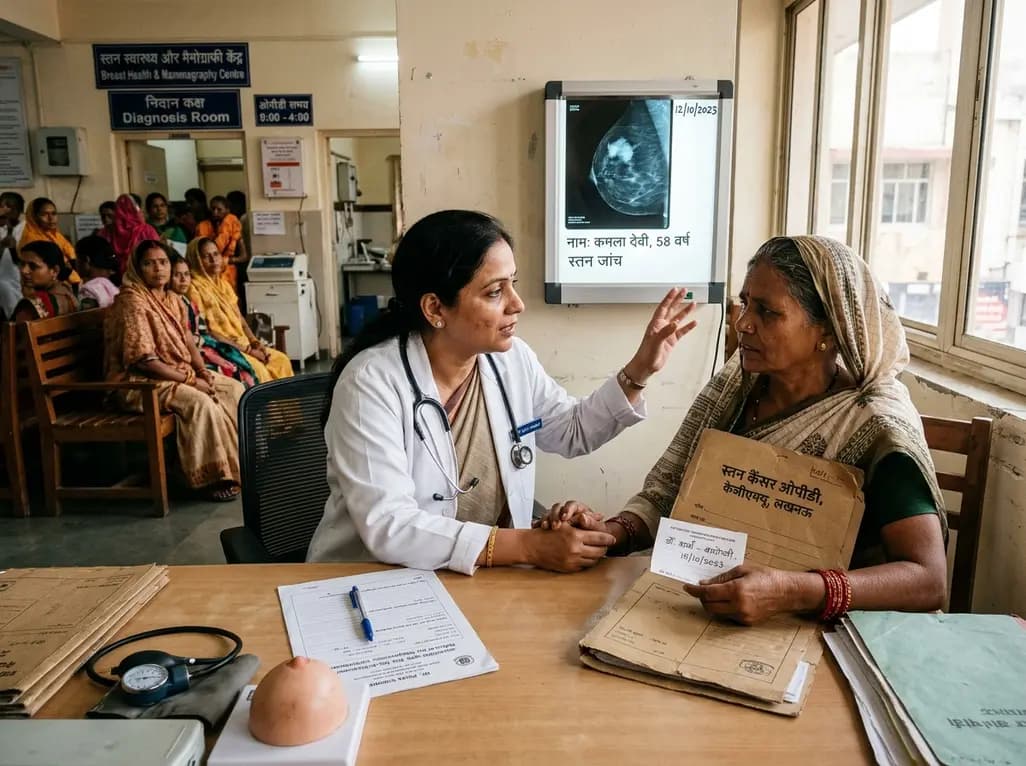
A KGMU study reveals over half of women with breast abnormalities fail to undergo diagnostic confirmation, leading to advanced-stage detection. Discover the socio-cultural barriers, clinical risks of incomplete resection, and community-level solutions needed to bridge the critical screening-to-diagnosis gap in India.
Yesterday
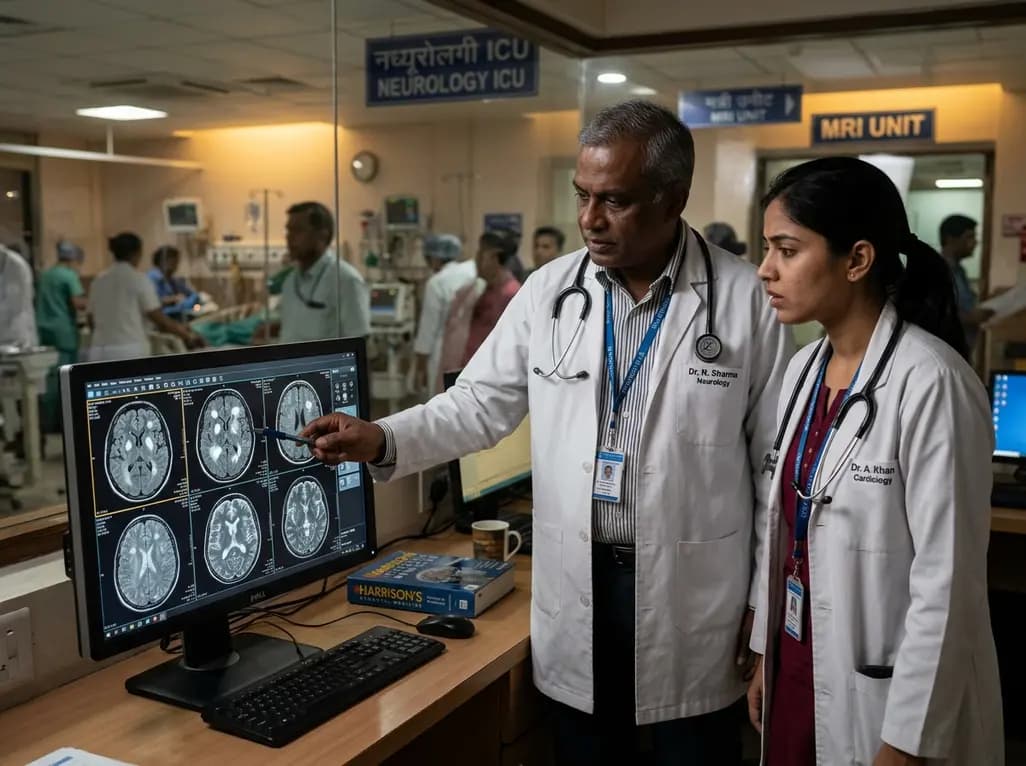
Recent findings from the VESUVE study demonstrate that brain MRI detects intracranial lesions in over 76% of patients with infective endocarditis. Acute ischemic stroke and subarachnoid hemorrhage independently elevate six-month mortality, underscoring the critical prognostic utility of neuroimaging.
Today
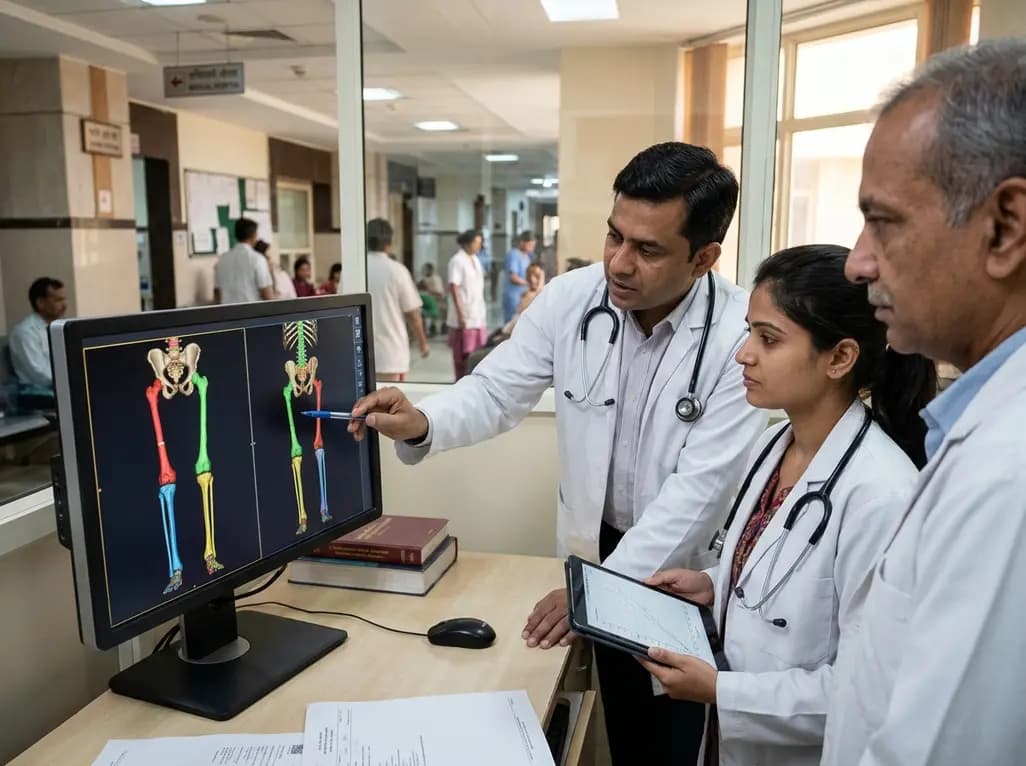
Modern 3D anthropometry reveals that pediatric leg growth ceases years before spinal elongation, exposing the clinical illusion of the classical Anderson-Green model. Learn how segmental growth dissociation improves surgical timing for epiphysiodesis in adolescent leg length discrepancy.
Today

A meta-analysis of 18 studies reveals that bariatric surgery does not significantly alter circulating homocysteine levels, regardless of follow-up duration. Clinicians must maintain vigilance over post-surgical micronutrient supplementation to prevent hyperhomocysteinemia.
Today
