.webp&w=384&q=75)

Loading, please wait...
Loading, please wait...
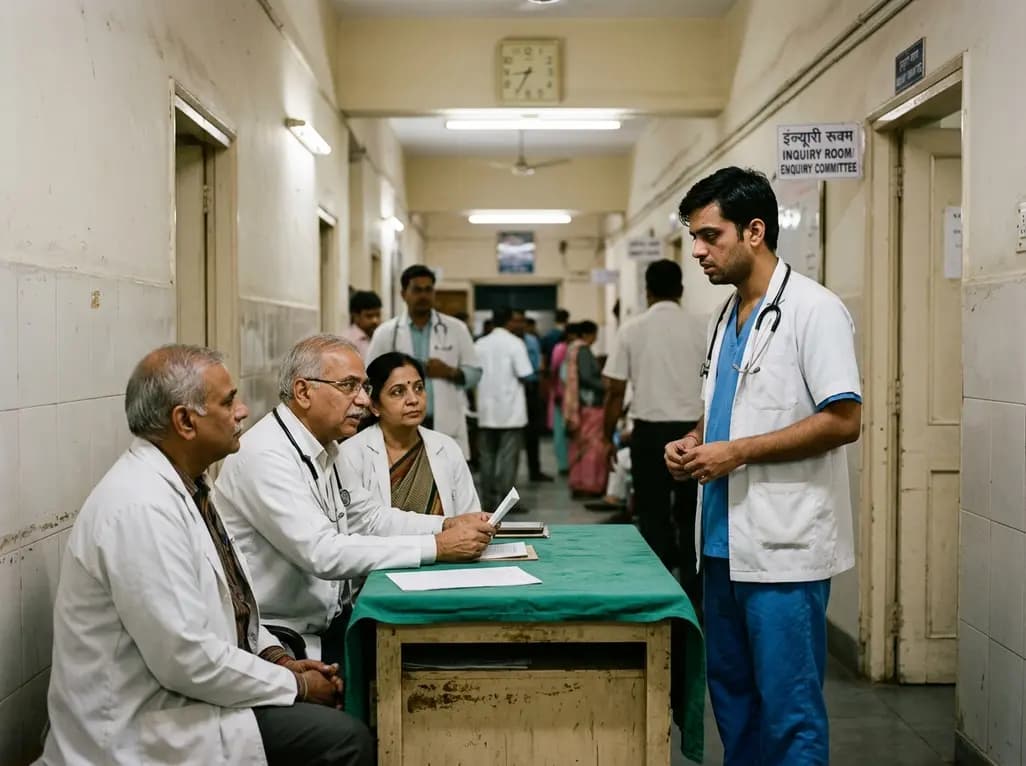
Recent events in premier training institutions have placed the spotlight back on resident doctor harassment across Indian hospitals. The National Medical Commission recently intervened after an alarming incident at MGM Medical College and MY Hospital in Indore. Specifically, a first-year postgraduate resident in Obstetrics and Gynaecology required intensive care following an alleged suicide attempt. Consequently, the national regulator demanded an immediate, para-wise explanation from institutional authorities to address systemic toxicity and protect young physicians.
The formal complaint submitted by the resident's family highlighted continuous psychological distress inside the clinical department. According to the report, senior residents and faculty subjected the trainee to public humiliation over minor clinical oversights. Furthermore, the complaint alleged persistent academic threats and forced assignment of non-academic chores. Consequently, these overwhelming pressures drove the young resident to attempt self-harm through an insulin overdose.
In response, the medical regulator issued an urgent directive mandating an institutional inquiry within twenty-four hours. The regulatory authority directed college administrators to examine every allegation leveled against specific senior residents and departmental faculty. Additionally, the college leadership must furnish verified written responses from all implicated parties. Crucially, the directive mandates strict safeguards to ensure the affected resident does not face academic victimization or administrative retaliation. Medical educators emphasize that academic hierarchy must never shield abusive behavior or systemic coercion within teaching hospitals. Therefore, local authorities must conduct an impartial inquiry without departmental interference. Transparent accountability remains essential to restore trust among junior doctors across the country.
A critical element of the Indore investigation concerns severe discrepancies between official rosters and actual working hours. The resident's family alleged that she routinely worked fourteen to fifteen hours each day without rest. Conversely, the official departmental roster recorded shifts of approximately twelve hours. This significant difference illustrates a widespread problem in post-graduate clinical training across India.
To establish the facts, the regulatory commission demanded all objective attendance documentation from the hospital administration. Specifically, officials must submit biometric logs, duty schedules, handover registers, and historical leave applications. Furthermore, investigators ordered the secure preservation of electronic communications, including departmental messaging threads and institutional emails. Medical administrators frequently mask excessive duty hours behind informal arrangements or unofficial clinical handovers. Therefore, external scrutiny of digital logs provides an indispensable method to uncover systemic labor violations. When residency programs push trainees beyond physiological limits, clinical judgment suffers and psychological burnout accelerates dramatically. Consequently, strict roster regulation protects both resident well-being and clinical patient safety.
The commission reiterated that medical colleges must rigorously enforce existing statutory anti-ragging frameworks. Under national regulations, ragging encompasses psychological harassment, verbal abuse, intimidation, and forced non-academic labor. Therefore, institutional heads must maintain active Anti-Ragging Committees and dedicated rapid-response squads. In the Indore incident, the regulator demanded complete operational details regarding these mandatory internal oversight bodies.
Moreover, the regulatory directive ordered confidential interactions with other postgraduate residents in the department. Investigators aim to determine whether intimidation, coercion, or systemic abuse represents an entrenched departmental pattern. Regulatory frameworks explicitly prohibit retaliatory actions against trainees who voice legitimate grievances. Additionally, institutions must preserve all physical and digital evidence to prevent departmental tampering. When colleges fail to uphold these protective standards, the regulator can impose severe disciplinary sanctions. These statutory penalties include financial fines, reduced student intake, or withdrawal of course recognition. Consequently, academic institutions bear a binding legal duty to cultivate safe and supportive clinical training environments.
The tragedy in Indore reflects a broader crisis thoroughly documented in national medical education research. In 2024, the National Task Force on Mental Health and Well-being surveyed thousands of medical scholars. Alarmingly, the task force reported that 26.7 percent of postgraduate respondents faced direct harassment from senior trainees. Furthermore, clinical environments often intensify psychological isolation among first-year residents through punitive administrative cultures.
In addition, the comprehensive survey revealed high baseline rates of diagnosed mental health disorders among medical scholars. Many trainees reported anxiety, severe depressive symptoms, and persistent suicidal ideation during residency. Despite these concerning figures, junior doctors rarely access psychological counseling due to pervasive professional stigma. Trainees frequently fear that disclosing mental health struggles will trigger academic penalties or social ostracism. Therefore, medical colleges must normalize psychological assistance through institutional wellness centers and confidential helplines. Peer support systems and structured faculty mentorship programs provide crucial buffers against occupational stress. Consequently, addressing resident physician distress requires dismantling entrenched cultures of silence across medical institutions.
Medical institutions must shift from reactive crisis responses to proactive preventative governance. To achieve this, academic hospitals must establish independent mental health cells separate from clinical hierarchies. Such independent bodies allow trainees to seek confidential counseling without fear of departmental disclosure. Furthermore, clinical departments must implement humane work shifts that respect biological sleep requirements and basic personal dignity.
Additionally, department chairs must conduct regular workload audits and enforce transparent duty rosters without exception. Senior consultants should foster supportive pedagogical relationships rather than relying on punitive corrections during clinical rounds. Moreover, institutions should organize periodic orientation workshops on interpersonal communication and positive conflict management. Faculty members require specialized training to recognize early clinical signs of severe depression and acute crisis. When teaching hospitals prioritize trainee welfare, patient care standards improve correspondingly across all inpatient wards. Ultimately, safe residency programs create resilient, empathetic clinicians who can sustain lifelong careers in medicine. Therefore, healthcare leadership must treat resident well-being as a fundamental component of patient safety.
Q1: What specific regulatory actions did the NMC take in the Indore college case?
The NMC demanded an immediate para-wise explanation within twenty-four hours from college administrators. Specifically, the commission requested biometric attendance records, duty rosters, handover registers, and all departmental communications. Furthermore, the regulator ordered confidential interviews with other residents to evaluate broader departmental culture. Crucially, the commission mandated strict administrative protections to shield the complainant from any retaliatory actions or academic disadvantages during the ongoing inquiry.
Q2: How does the NMC define ragging and harassment among postgraduate medical residents?
Under statutory regulations, the NMC defines ragging as any spoken or written conduct that causes psychological distress, humiliation, or physical harm. This broad legal definition encompasses public scolding, coercion, academic intimidation, and forced assignment of non-academic tasks. Furthermore, creating an atmosphere of fear or imposing unreasonable clinical demands violates these anti-ragging rules. Consequently, institutions must treat departmental harassment with the same strict disciplinary mechanisms applied to undergraduate abuse.
Q3: What structural mental health support must medical colleges provide to junior doctors?
Medical colleges must establish dedicated Mental Health and Wellbeing Committees operating independently from academic departments. Additionally, institutions must provide round-the-clock confidential counseling services, peer support groups, and accessible psychological helplines. Colleges should also enforce humane working rosters, monitor clinical burnout, and grant mandatory leave without academic penalties. Ultimately, faculty members must undergo crisis gatekeeper training to detect early warning signs of severe depression among junior residents.
Disclaimer: This content is for informational and educational purposes only. It does not constitute medical advice or replace professional judgment. Refer to the latest local and national guidelines for clinical practice.
References

Read summarized clinical updates, watch expert medical content, and earn CME certifications right from your smartphone.
Open your smartphone camera to scan and install.





The National Medical Commission has intervened following allegations of mental harassment, severe duty hours, and intimidation of a junior postgraduate resident in Indore. The regulator mandated an immediate institutional inquiry, biometric verification, and strict protection against retaliatory academic actions.
Today
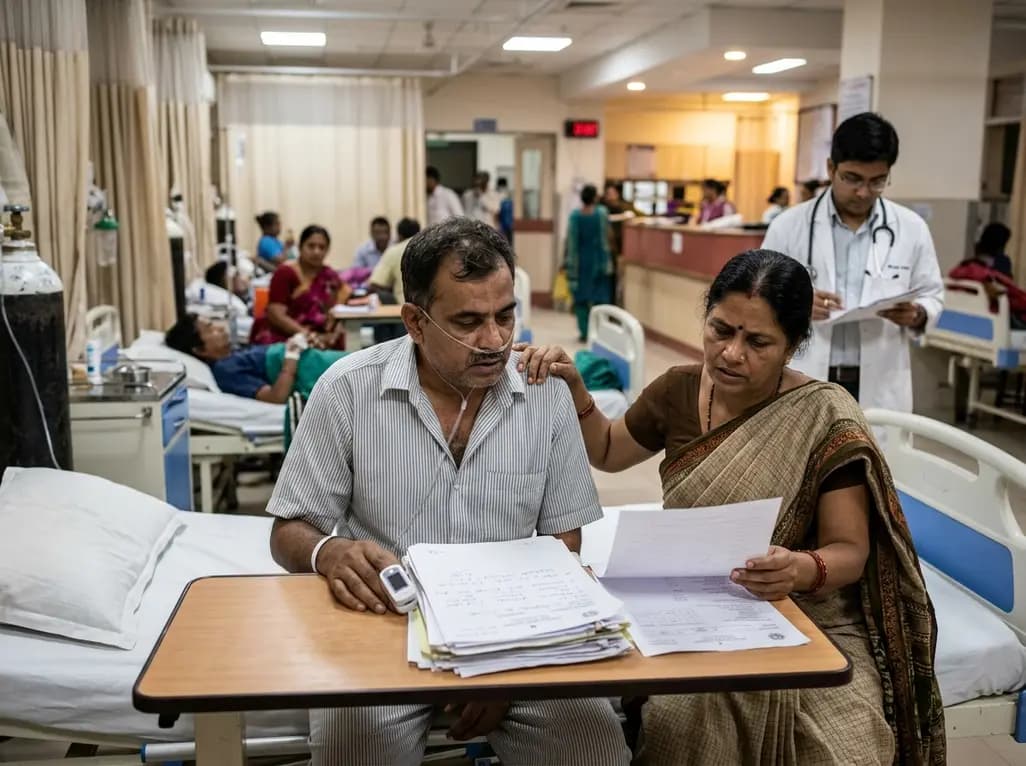
Hospitalization for severe viral lower respiratory tract disease causes lasting physical, psychological, and productivity burdens for patients and their caregivers. Real-world multinational data reveal major gaps in discharge planning, emphasizing the urgent need for structured transitional pulmonary care.
Today
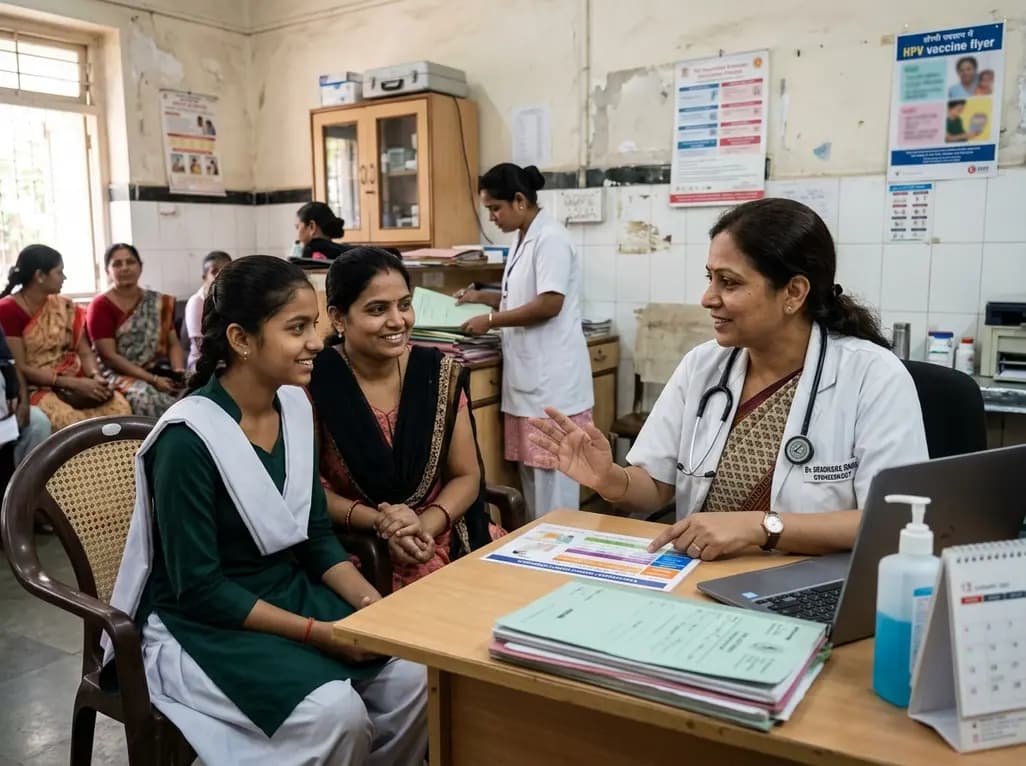
New evidence from Karolinska Institutet shows women vaccinated against HPV prior to conception have significantly lower rates of preterm birth and major perinatal complications. Clinicians in India can leverage these findings to strengthen adolescent immunisation and reproductive health advocacy.
Today
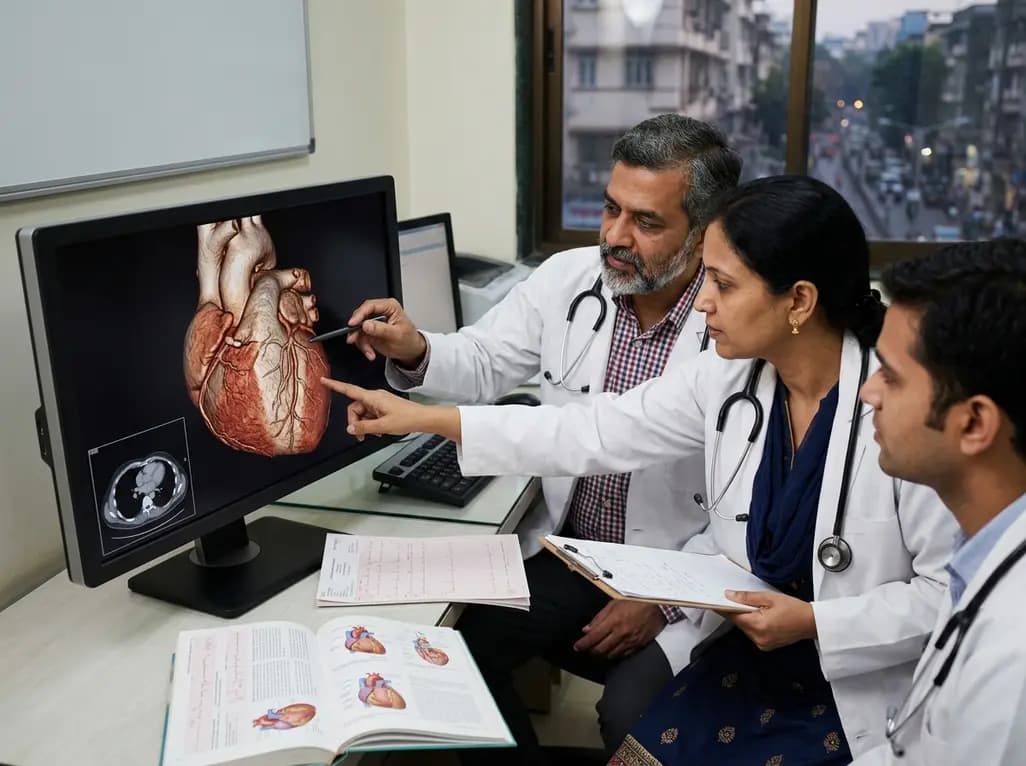
Cinematic rendering utilizes advanced global illumination to transform coronary CT angiography datasets. This imaging technique provides lifelike depth perception, helping cardiologists and surgeons precisely evaluate anomalous coronary artery origins, high-risk interarterial courses, and post-surgical anatomy.
Today
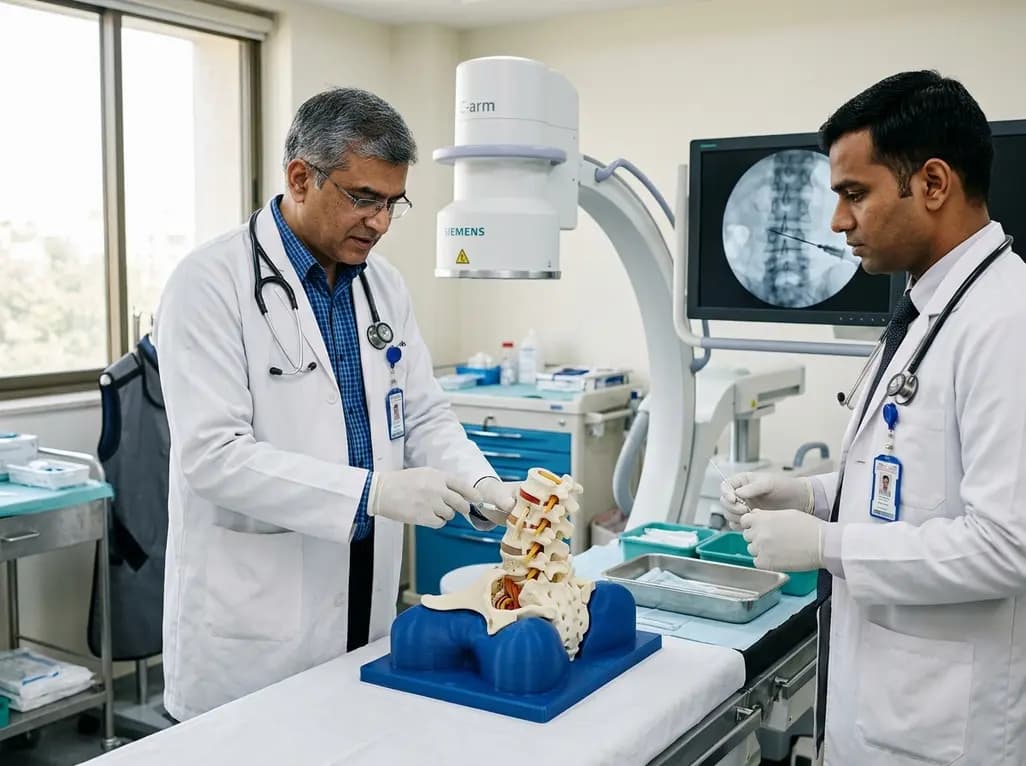
A novel 3D-printed lumbar spine simulator with tunable radiopacity provides realistic tactile and radiographic feedback for fluoroscopy-guided intervertebral disc puncture training, offering a low-cost, ethical alternative to cadaver models.
Today

A breakthrough study reveals that loss of SELENOT in hypothalamic POMC neurons triggers premature cellular senescence, ATF6α stress activation, and ER calcium depletion, linking neuroendocrine decay to metabolic disease.
Today
