.webp&w=384&q=75)

Loading, please wait...
Loading, please wait...
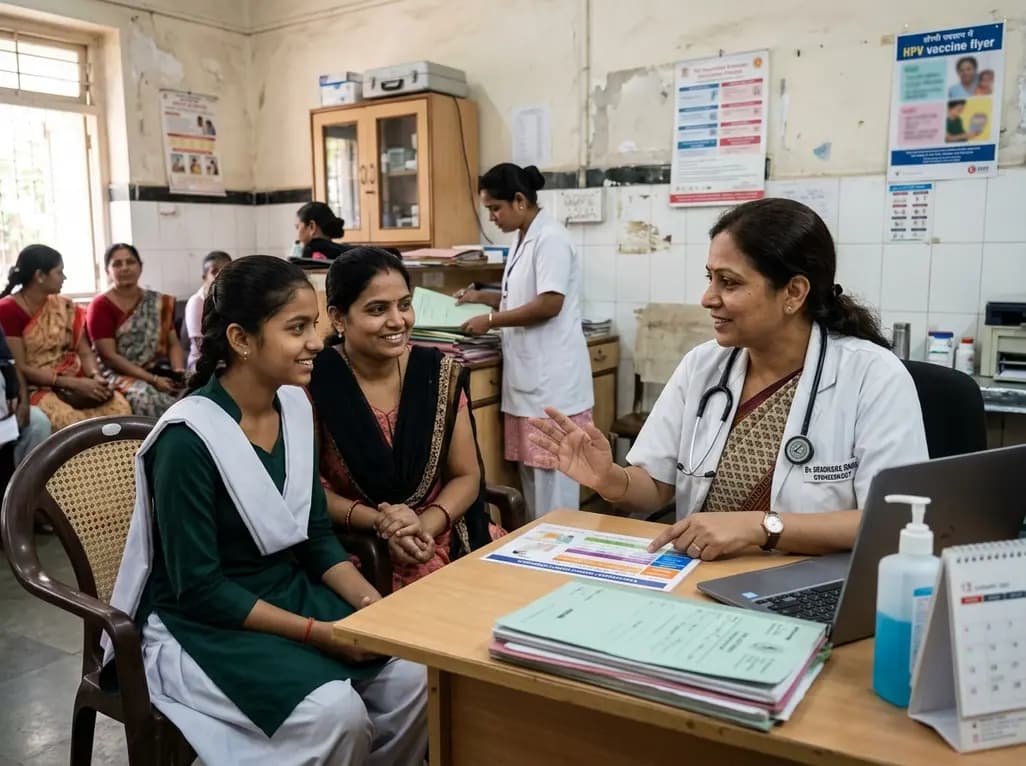
Groundbreaking clinical evidence demonstrates that human papillomavirus vaccination confers protective advantages extending far beyond oncological prevention. A nationwide Swedish study published in The BMJ confirms that favorable HPV vaccine pregnancy outcomes include significantly reduced rates of preterm birth and major obstetric complications. Consequently, this large-scale epidemiological inquiry provides reassuring data for prospective mothers and reproductive healthcare specialists worldwide. For decades, clinicians valued the vaccine primarily for preventing cervical intraepithelial neoplasia and invasive cervical carcinoma. However, contemporary research reveals that pre-pregnancy immunisation also shields the maternal-fetal interface from infectious morbidity. Furthermore, these findings offer powerful clinical arguments to overcome vaccine hesitancy in routine healthcare settings.
Researchers from the prestigious Karolinska Institutet analyzed population-wide Swedish health registers between 2006 and 2023. Specifically, the investigative team evaluated 624,713 first-time singleton pregnancies among women aged 16 to 35 years. Within this comprehensive cohort, 92,620 women had received at least one dose of the quadrivalent HPV vaccine prior to conception. The authors carefully examined critical perinatal endpoints, including spontaneous preterm birth, very preterm delivery between 28 and 31 weeks, and preterm premature rupture of membranes.
Additionally, the investigators evaluated rates of infants born small for gestational age, stillbirth, and early neonatal mortality. The final statistical model demonstrated that vaccinated women experienced an overall five percent reduction in preterm deliveries. Even more remarkably, immunised mothers showed a fifteen percent lower risk of very preterm birth compared to unvaccinated peers. Furthermore, the scientists applied rigorous matching for maternal age, conception year, and socioeconomic status to eliminate selection bias. Although residual confounding cannot be completely discounted in observational cohorts, these findings remain exceptionally robust across diverse demographic subsets. Therefore, the data establish a clear inverse correlation between prior vaccination and severe obstetric complications.
Understanding the pathological connection between viral exposure and premature birth clarifies why immunisation provides maternal protection. Persistent high-risk HPV infection frequently alters the delicate local immune homeostasis within the human female genital tract. Consequently, the pathogen triggers chronic low-grade inflammation across cervical and vaginal mucosal layers. This ongoing inflammatory state accelerates cervical ripening and disrupts the protective endocervical mucus plug. As a result, ascending polymicrobial pathogens can penetrate the uterine cavity more readily, precipitating intrauterine infection and chorioamnionitis.
Moreover, persistent infection frequently causes high-grade cervical dysplasia that requires excisional surgical interventions. Procedures such as the loop electrosurgical excision procedure or cold knife conisation remove significant structural cervical stroma. Consequently, these surgical interventions compromise cervical mechanical integrity and predispose patients to mid-trimester cervical insufficiency. By preventing initial viral infection, the quadrivalent vaccine directly prevents the downstream cellular lesions requiring tissue excision. In addition, experimental studies indicate that high-risk viral proteins can infect trophoblast cells directly, inducing placental cell apoptosis and placental malfunction. Thus, prophylactic immunisation protects both cervical structural biomechanics and trophoblast viability throughout gestation.
The Swedish epidemiological analysis revealed a notable gradient concerning the age at vaccine administration. Specifically, young women immunised before 17 years of age enjoyed substantially greater protection against adverse pregnancy complications. In contrast, participants vaccinated at older chronological ages demonstrated more modest reductions in obstetric risk. This observable divergence reflects the fundamental biology of sexual transmission and viral natural history. Because adolescent immunisation typically occurs prior to sexual debut, recipients develop robust neutralizing titers before any initial viral exposure.
Furthermore, younger immune systems generally mount superior, longer-lasting neutralizing antibody concentrations in response to virus-like particle antigens. When vaccination occurs after sexual debut, preexisting unrecognised infections may already have colonised the cervical transformation zone. Therefore, therapeutic clearance does not occur, and subtle inflammatory alterations may persist indefinitely. Clinicians must consequently emphasise timely administration in adolescent cohorts to maximize lifelong protection. In routine clinical encounters, healthcare providers can cite these reproductive benefits to encourage hesitant parents. Ultimately, completing the vaccine series early optimizes both future oncological protection and downstream perinatal outcomes. Hence, health authorities recommend targeting girls aged nine to fourteen years before potential microbial exposure begins.
The protective signals observed in Scandinavia do not exist in isolation. In 2025, a comprehensive British cohort study from Aberdeen evaluated 9,200 pregnant women between 2006 and 2020. That study confirmed that immunised women experienced significant reductions in preterm prelabour rupture of membranes. Furthermore, British researchers identified marked decreases in maternal pre-eclampsia and antepartum haemorrhage among vaccinated mothers. Although that cohort did not observe a statistically significant change in overall spontaneous preterm deliveries, the reduction in vascular and membrane complications aligns with Scandinavian findings.
Similarly, the Swedish register study evaluated secondary perinatal markers of placental insufficiency and fetal compromise. Vaccinated cohorts demonstrated lower adjusted odds of delivering small-for-gestational-age infants. Furthermore, instances of stillbirth and early neonatal death trended lower among vaccinated cohorts, reinforcing maternal safety profiles. In addition, global safety registries continuously confirm that inadvertently administering vaccines during early conception produces no teratogenic or embryotoxic harm. Together, these convergent observational findings from the United Kingdom and Sweden paint a cohesive clinical picture. They confirm that pre-pregnancy vaccination mitigates diverse microvascular and infectious insults during gestation. Consequently, obstetricians can reassure prospective mothers that immunisation proactively supports both maternal wellbeing and fetal development.
These findings hold profound relevance for the healthcare landscape across India. India bears a massive burden of preterm births globally, contributing substantially to neonatal morbidity, neurodevelopmental deficits, and infant mortality. Concurrently, cervical cancer remains the second most frequent malignancy among Indian women. The Federation of Obstetric and Gynaecological Societies of India strongly advocates for widespread HPV immunisation among young girls. However, cultural hesitation and misconceptions regarding reproductive effects historically slowed vaccine uptake across both urban and rural demographics.
Now, medical practitioners possess robust evidence demonstrating that vaccination actively safeguards future obstetrical outcomes rather than impairing fertility. General practitioners, obstetricians, and pediatricians should proactively integrate these talking points into routine premarital, adolescent, and preconception counseling. Highlighting that early immunisation reduces risks of preterm delivery and premature membrane rupture can reassure skeptical families. Moreover, the recent introduction of affordable domestic quadrivalent vaccines significantly lowers financial barriers to broad community coverage. By promoting timely immunisation in adolescents aged 9 to 14 years, clinicians protect young girls against devastating cancers while simultaneously securing healthier future pregnancies. Therefore, Indian physicians should champion universal HPV vaccination as an essential pillar of preventative reproductive healthcare.
Q1: Does receiving the HPV vaccine before pregnancy directly reduce preterm birth rates?
Recent nationwide registry data from Sweden indicate that women receiving the quadrivalent HPV vaccine before pregnancy experience approximately five percent lower odds of overall preterm birth. Furthermore, immunised women exhibit a fifteen percent reduction in very preterm delivery. The biological mechanism involves preventing chronic cervical inflammation and avoiding excisional surgical procedures for dysplasia. Consequently, pre-pregnancy immunisation preserves cervical structural integrity and lowers the likelihood of premature spontaneous labor.
Q2: Why does earlier HPV vaccination provide stronger protection against pregnancy complications?
Administering the vaccine prior to sexual debut ensures robust immunity before any exposure to oncogenic viral strains occurs. Furthermore, adolescent immune systems generate higher, more durable neutralizing antibody concentrations compared to older individuals. Vaccinating later in life often means preexisting cervical infections remain present, perpetuating subclinical mucosal inflammation and tissue damage. Therefore, early vaccination completely prevents viral colonization, shielding the cervical canal and supporting optimal placentation during subsequent adult pregnancies.
Q3: Is the HPV vaccine safe if inadvertently administered around the time of conception?
Extensive global surveillance and observational studies demonstrate that inadvertent HPV vaccination around conception does not increase adverse fetal outcomes. Specifically, large registry analyses show no elevated risk of congenital malformations, spontaneous miscarriages, or stillbirths following unintended peri-conceptional exposure. Although clinical guidelines generally advise postponing remaining doses until after delivery once pregnancy is confirmed, inadvertent administration does not warrant termination or invasive diagnostic interventions because published evidence confirms reassuring maternal-fetal safety.
Disclaimer: This content is for informational and educational purposes only. It does not constitute medical advice or replace professional judgment. Refer to the latest local and national guidelines for clinical practice.
References

Read summarized clinical updates, watch expert medical content, and earn CME certifications right from your smartphone.
Open your smartphone camera to scan and install.





New evidence from Karolinska Institutet shows women vaccinated against HPV prior to conception have significantly lower rates of preterm birth and major perinatal complications. Clinicians in India can leverage these findings to strengthen adolescent immunisation and reproductive health advocacy.
Today
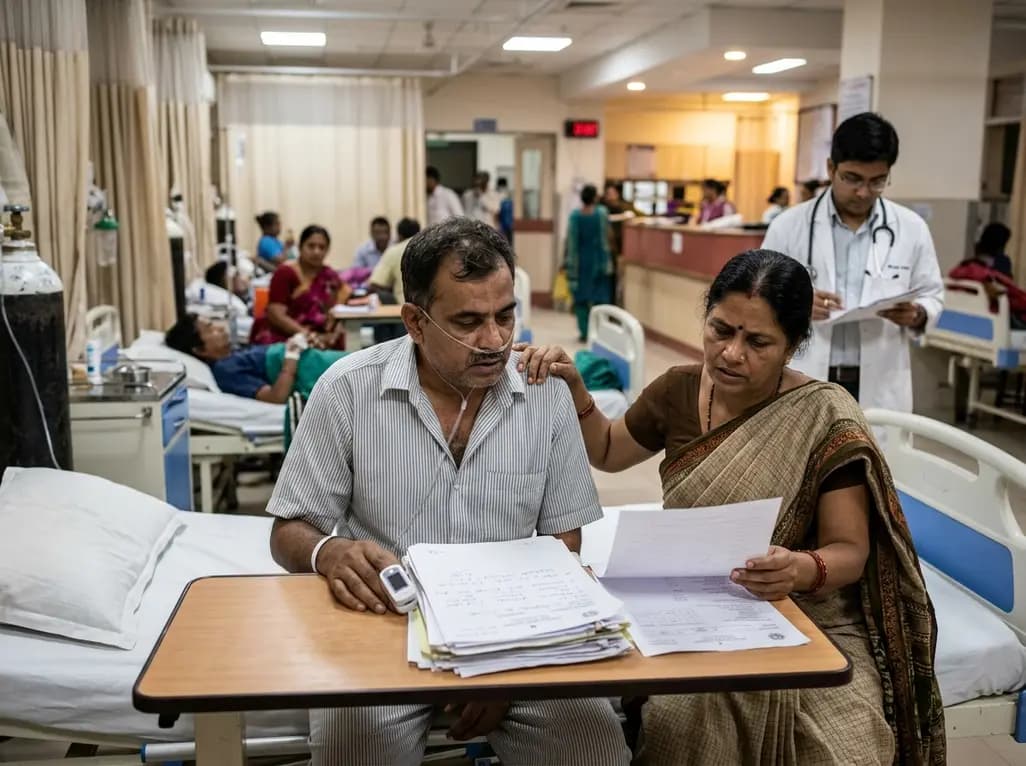
Hospitalization for severe viral lower respiratory tract disease causes lasting physical, psychological, and productivity burdens for patients and their caregivers. Real-world multinational data reveal major gaps in discharge planning, emphasizing the urgent need for structured transitional pulmonary care.
Today
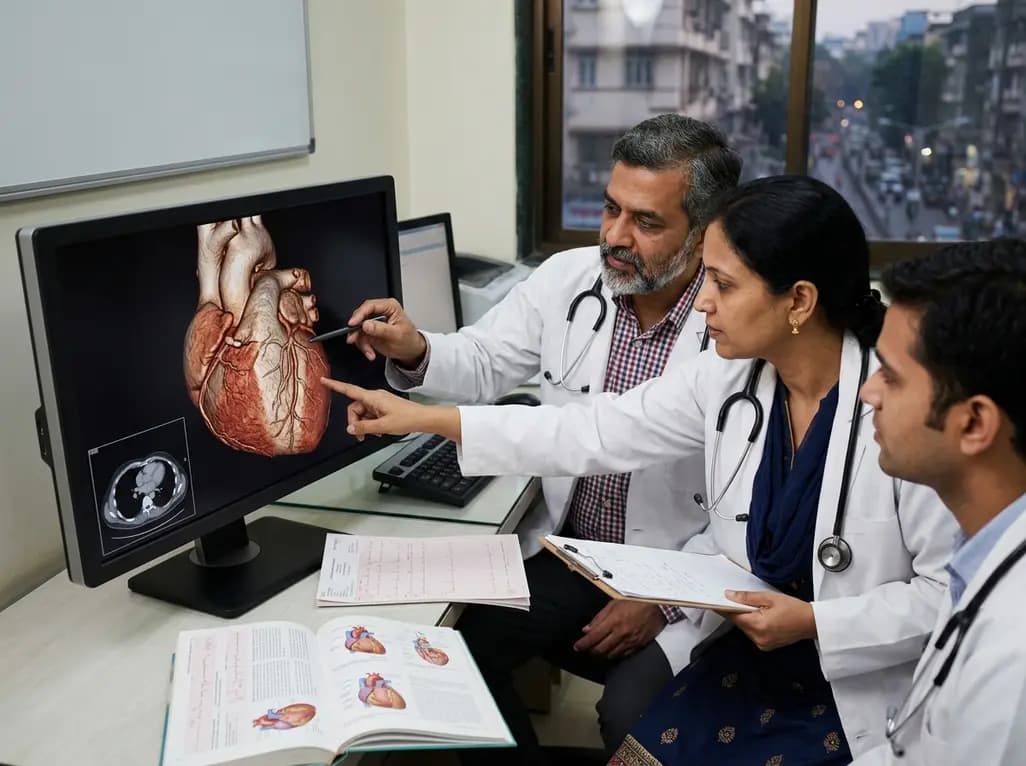
Cinematic rendering utilizes advanced global illumination to transform coronary CT angiography datasets. This imaging technique provides lifelike depth perception, helping cardiologists and surgeons precisely evaluate anomalous coronary artery origins, high-risk interarterial courses, and post-surgical anatomy.
Today
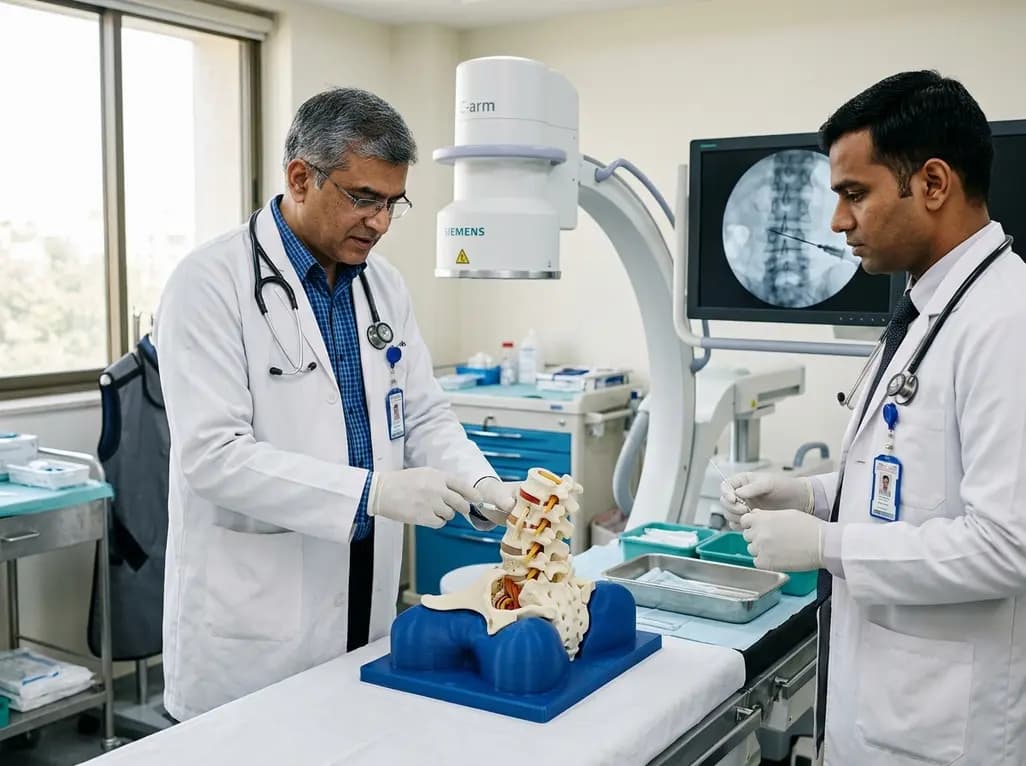
A novel 3D-printed lumbar spine simulator with tunable radiopacity provides realistic tactile and radiographic feedback for fluoroscopy-guided intervertebral disc puncture training, offering a low-cost, ethical alternative to cadaver models.
Today

A breakthrough study reveals that loss of SELENOT in hypothalamic POMC neurons triggers premature cellular senescence, ATF6α stress activation, and ER calcium depletion, linking neuroendocrine decay to metabolic disease.
Today
