.webp&w=384&q=75)

Loading, please wait...
Loading, please wait...
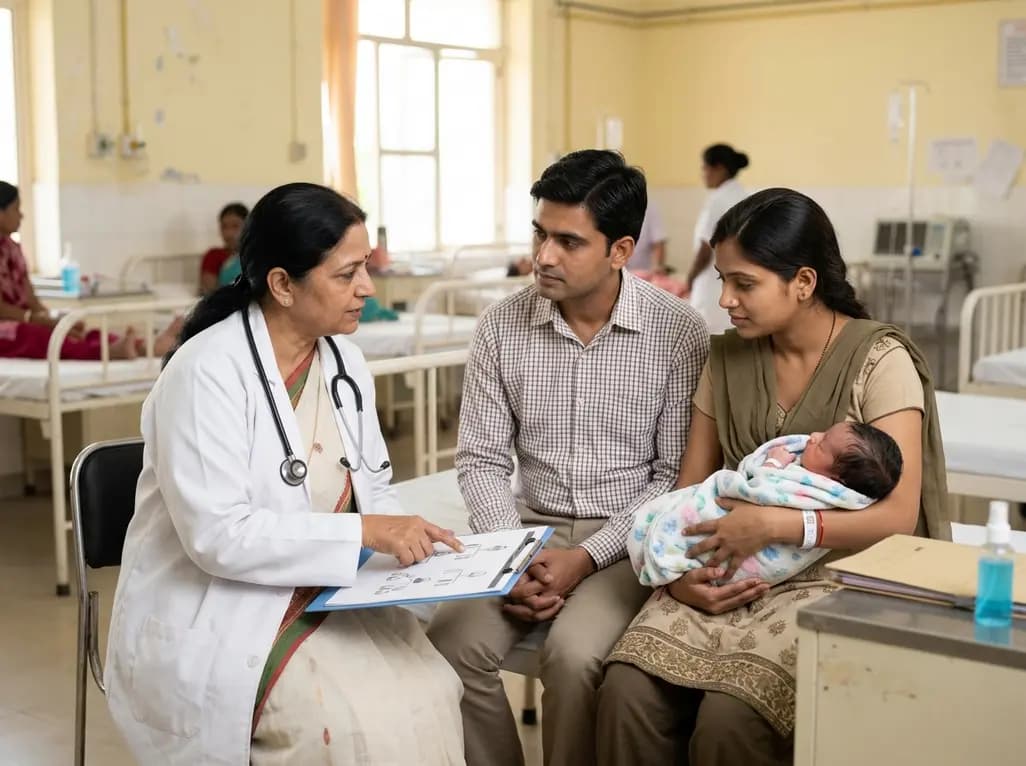
Reproductive carrier screening is transforming prenatal care by identifying risks for severe genetic disorders before birth. A recent study highlights the effectiveness of this screening in detecting early actionable metabolic conditions (EAMCs). These conditions are often severe, yet they benefit significantly from early medical interventions. Because routine newborn screening panels do not universally cover these disorders, prenatal detection offers a critical advantage for clinical preparedness.
The study analyzed over 54,000 individuals using two different carrier panels. Researchers identified a high carrier frequency for metabolic conditions using both the 113-gene and 275-gene sets. For example, the 275-gene panel revealed that one in four individuals carries at least one actionable variant. Consequently, the theoretical affected pregnancy rate was calculated to be approximately 0.08%. Furthermore, the most common conditions found were phenylketonuria and congenital adrenal hyperplasia. Utilizing reproductive carrier screening allows clinicians to anticipate these cases and initiate treatment immediately after delivery.
Detecting EAMCs prenatally allows for a tailored delivery plan and immediate postnatal management. Conditions such as Wilson disease and medium-chain acyl-CoA dehydrogenase deficiency require prompt attention to avoid long-term complications. Therefore, expanded panels provide a more comprehensive safety net than traditional screening methods. Additionally, these results help families make informed decisions about their reproductive health and future care strategies.
EAMCs are genetic disorders that are severe but treatable if caught early. Early interventions, such as specialized diets or medications, can significantly improve clinical outcomes and reduce morbidity.
This screening identifies if parents carry genes for these conditions before or during pregnancy. This knowledge enables healthcare providers to prepare for immediate intervention the moment the baby is born.
Disclaimer: This content is for informational and educational purposes only. It does not constitute medical advice, diagnosis, or treatment. Always seek the advice of your physician or other qualified health provider with any questions you may have regarding a medical condition. Refer to the latest local and national guidelines for clinical practice.
References
1. Parobek CM et al. Reproductive Carrier Screening Detects Early Actionable Metabolic Conditions. Genet Med. 2026 Jun 16. doi: undefined. PMID: 42299740.
2. Puri RD et al. Carrier Screening for Genetic Disorders: Recommendations by the Society for Indian Academy of Medical Genetics. J Fetal Med. 2024.
3. Monaghan KG et al. Expanded carrier screening in reproductive medicine—points to consider: a joint statement of the American College of Medical Genetics and Genomics and the American College of Obstetricians and Gynecologists. Genet Med. 2021.

Read summarized clinical updates, watch expert medical content, and earn CME certifications right from your smartphone.
Open your smartphone camera to scan and install.





A groundbreaking study demonstrates that reproductive carrier screening (RCS) detects early actionable metabolic conditions (EAMCs) with high frequency. Prenatal identification of disorders like PKU and CAH facilitates immediate medical intervention, significantly reducing potential morbidity in affected infants.
4 months ago

As monsoon seasons elevate arboviral disease threats, Tamil Nadu has initiated an ICMR-monitored evaluation of the tetravalent dengue vaccine in Tenkasi district. Clinicians emphasize clinical monitoring, public prevention, and high-quality early pediatric care to reduce disease morbidity across endemic regions.
Today

Leucine Rich Bio has introduced South Asia's first comprehensive vaginal microbiome test, BugSpeaks. By profiling microbial dysbiosis, pathogens, and antimicrobial resistance, this next-generation diagnostic platform provides clinicians with deeper insights into recurrent infections, fertility, and reproductive health.
Today

Review how tailored exercise programs benefit frail older patients with heart failure. Explore pathophysiological mechanisms, individualized training prescriptions, and strategies to overcome adherence barriers in clinical practice.
Today

This comparative study evaluates posterior labral tears with and without glenohumeral instability, highlighting distinct demographic patterns, MRI underestimation in stable shoulders, and successful arthroscopic repair outcomes.
Today

A clinical study demonstrates that early intervention with tocilizumab, either as monotherapy or bridged with corticosteroids, achieves significant proptosis reduction and resolves active inflammation in treatment-naive thyroid eye disease.
Today
