

Loading, please wait...
Loading, please wait...

Managing progressive malignant brain tumors remains one of the most formidable dilemmas in contemporary neuro-oncology. Therefore, clinicians frequently evaluate reirradiation for recurrent glioblastoma when surgical and systemic choices become constrained. Glioblastoma recurrence occurs almost universally despite aggressive upfront trimodality therapy. Because standard salvage options yield modest survival benefits, radiation oncologists must identify robust selection biomarkers. Recent clinical research indicates that baseline residual tumor burden dramatically governs patient outcomes, emphasizing the necessity of precise volumetric assessment before initiating second-course radiotherapy.
Historically, recurrent high-grade gliomas offered few viable therapeutic paths after first-line progression. Clinicians frequently hesitated to deliver repeated courses of radiation due to concerns regarding cumulative neurotoxicity and radiation necrosis. However, modern radiation delivery platforms have fundamentally altered this risk-benefit equation. Conformal radiotherapy, stereotactic radiosurgery, and intensity-modulated radiotherapy now enable the delivery of tumoricidal doses while sparing critical neural structures.
Consequently, reirradiation for recurrent glioblastoma has emerged as a feasible salvage therapy for selected cohorts. Multiple retrospective series show that second-course radiation can successfully arrest local progression and alleviate neurologic deficits. Nevertheless, patient outcomes vary substantially across clinical centers. While some individuals achieve sustained disease control lasting over a year, others experience rapid disease progression within months. Thus, identifying definitive prognostic criteria remains essential to optimize patient selection and prevent ineffective treatments.
To clarify optimal candidate selection, researchers at the University of Erlangen-Nuremberg conducted a comprehensive retrospective study of 71 patients with recurrent CNS WHO grade 4, IDH-wildtype glioblastoma. All enrolled individuals underwent salvage reirradiation between January 2009 and June 2019. Most patients received conventionally fractionated regimens, predominantly 45 Gy delivered in 1.8 Gy daily fractions. Additionally, clinicians prescribed concurrent chemotherapy for the majority of participants, pairing radiation with temozolomide in 49.3% or lomustine in 12.7% of cases.
Remarkably, 94.4% of patients completed their planned radiation treatment course without dose-limiting acute toxicity. After a lengthy median follow-up period of 73.8 months, investigators observed a median overall survival of 9.6 months from the initiation of re-treatment. Concurrently, the median progression-free survival reached 5.3 months based on RANO criteria. These figures demonstrate that repeated fractionated radiation achieves tangible disease stabilization with manageable side effects in properly chosen individuals.
The most compelling insight from the Erlangen analysis centers on pre-treatment disease burden. Investigators deployed a deep learning auto-segmentation algorithm coupled with expert neuro-radiological review to quantify contrast-enhancing tissue volumes on T1-weighted magnetic resonance imaging. Multivariate proportional hazards modeling demonstrated that pre-reirradiation contrast-enhancing residual tumor volume independently predicted overall survival. Specifically, each additional cubic centimeter of residual tumor conferred an incremental 4.0% increase in mortality hazard.
Consequently, patients harboring bulkier contrast-enhancing lesions fared significantly worse than candidates with minimal residual disease following repeat resection. This finding underscores a fundamental radiobiological reality: larger tumor burdens contain higher numbers of radioresistant clonogens and hypoxic microenvironments. Therefore, relying solely on broad clinical markers like performance score or age overlooks critical volumetric determinants. Automated volumetric tools can eliminate inter-observer variability, providing oncologists with objective metrics during multidisciplinary board reviews.
Because residual tumor burden directly dictates reirradiation efficacy, multidisciplinary coordination before radiation planning becomes vital. When feasible, neurosurgical debulking prior to re-radiotherapy can downstage tumor volume and enhance local radiotherapeutic efficacy. Maximal safe surgical cytoreduction reduces mass effect and removes necrotic, hypoxic tissue cores. Thus, subsequent radiation fields can encompass smaller target margins, minimizing collateral brain parenchyma exposure.
Moreover, combining second-line systemic agents with reirradiation represents another crucial strategic consideration. In the Erlangen study, the addition of alkylating agents like temozolomide or lomustine did not compromise treatment completion rates. Instead, concurrent chemotherapy produced manageable hematologic toxicities while offering synergistic cytotoxic effects. However, clinicians must carefully weigh previous bone marrow suppression and performance status when selecting concurrent regimens. Individualized sequencing ensures patients withstand therapy without compromising overall quality of life.
Adopting advanced volumetric segmentation into routine clinical practice can refine treatment algorithms for recurrent glioma. In resource-variable environments, including community oncology centers, measuring lesion diameter alone often misrepresents irregular, invasive glioblastoma geometry. Consequently, automated three-dimensional segmentation software provides accurate, reproducible tumor quantification that clinicians can readily implement.
Furthermore, establishing volumetric thresholds empowers clinical teams to make balanced recommendations. Patients exhibiting minimal residual disease after secondary craniotomy represent ideal candidates for definitive, normofractionated reirradiation. Conversely, patients presenting with extensive, multifocal contrast enhancement may benefit more from hypofractionated palliative schemas or clinical trial enrollment. By incorporating quantitative tumor volumetrics alongside molecular status, neuro-oncologists can tailor interventions to prolong survival while preserving neurocognitive function.
Clinicians most frequently administer conventionally fractionated reirradiation using 45 Gy in 1.8 Gy fractions. Alternatively, selected institutions utilize hypofractionated stereotactic radiotherapy regimens ranging between 25 Gy and 35 Gy delivered across five to ten fractions, depending heavily on previous radiation fields, normal tissue tolerances, and overall lesion geometry.
Residual tumor volume directly correlates with overall survival outcomes. Clinical data indicate that each additional cubic centimeter of contrast-enhancing tumor at the start of re-treatment increases the relative risk of death by approximately 4%. Consequently, smaller initial tumor volumes strongly predict superior local control and prolonged survival.
Yes, many patients safely receive concurrent chemotherapy alongside reirradiation. Clinicians commonly combine radiation with alkylating agents such as temozolomide or lomustine, or anti-angiogenic therapies like bevacizumab. However, oncologists must continuously monitor hematologic parameters and performance scores to prevent treatment-limiting systemic toxicities during intensive salvage therapy.
Disclaimer: This content is for informational and educational purposes only and does not constitute medical advice, diagnosis, or treatment. Healthcare professionals should exercise their independent clinical judgment. Refer to the latest local and national guidelines for clinical practice.
References
Mansoorian S et al. Reirradiation for recurrent glioblastoma: the significance of the residual tumor volume. J Neurooncol. 2025 Aug. doi: 10.1007/s11060-025-05042-9. PMID: 40310485.
Kickingereder P et al. Automated quantitative tumour response assessment of MRI in neuro-oncology with artificial neural networks: A multicentre, retrospective study. Lancet Oncol. 2019;20(5):728-740.
Scoccianti S et al. Re-irradiation for recurrent glioblastoma: A systematic review and practice guideline from the Italian Association of Radiation Oncology (AIRO). Radiother Oncol. 2018;128(2):204-218.

Read summarized clinical updates, watch expert medical content, and earn CME certifications right from your smartphone.
Open your smartphone camera to scan and install.





A study on recurrent glioblastoma reveals that residual contrast-enhancing tumor volume before reirradiation significantly dictates overall survival. Discover key findings on deep learning auto-segmentation, systemic therapy combinations, and patient selection to optimize neuro-oncology salvage strategies.
Today
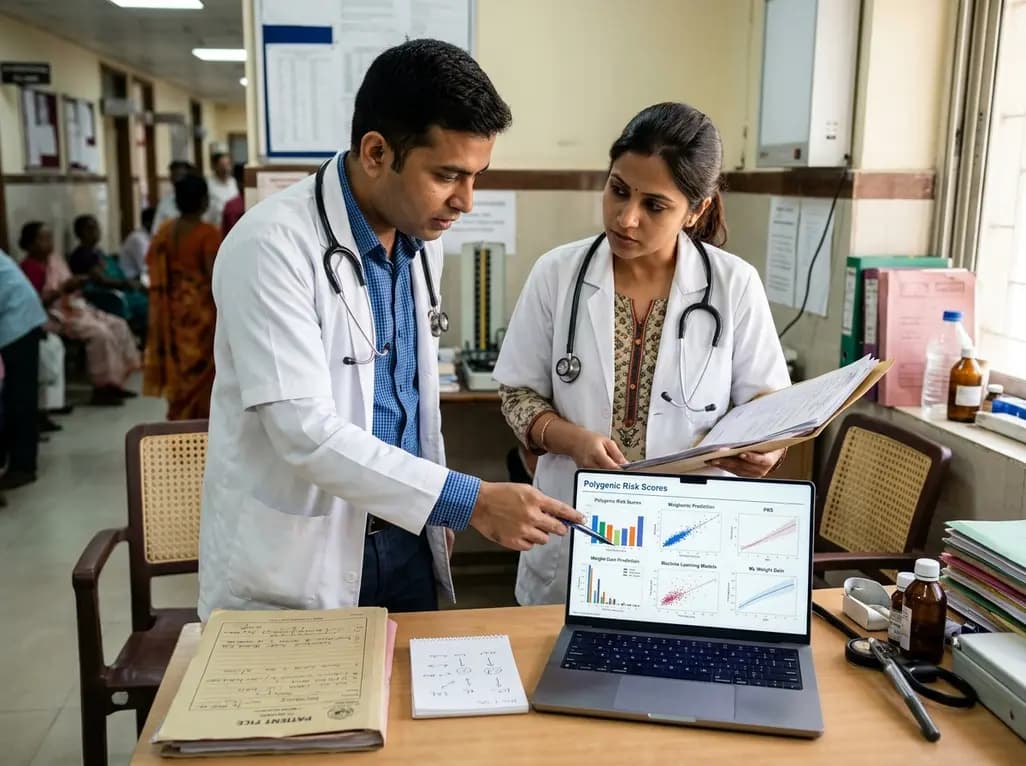
An observational study from the NIH All of Us Research Program reveals that adding a multi-ancestry polygenic risk score to machine learning models provides only modest improvements in predicting adult weight gain, underscoring the enduring significance of routine clinical and lifestyle factors.
Today

A study in JAMIA Open shows lightweight open-source reasoning LLMs achieve up to 95% sensitivity and accelerate evidence synthesis screening by nearly twentyfold, presenting a cost-effective, scalable AI solution for biomedical research and systematic reviews.
Today
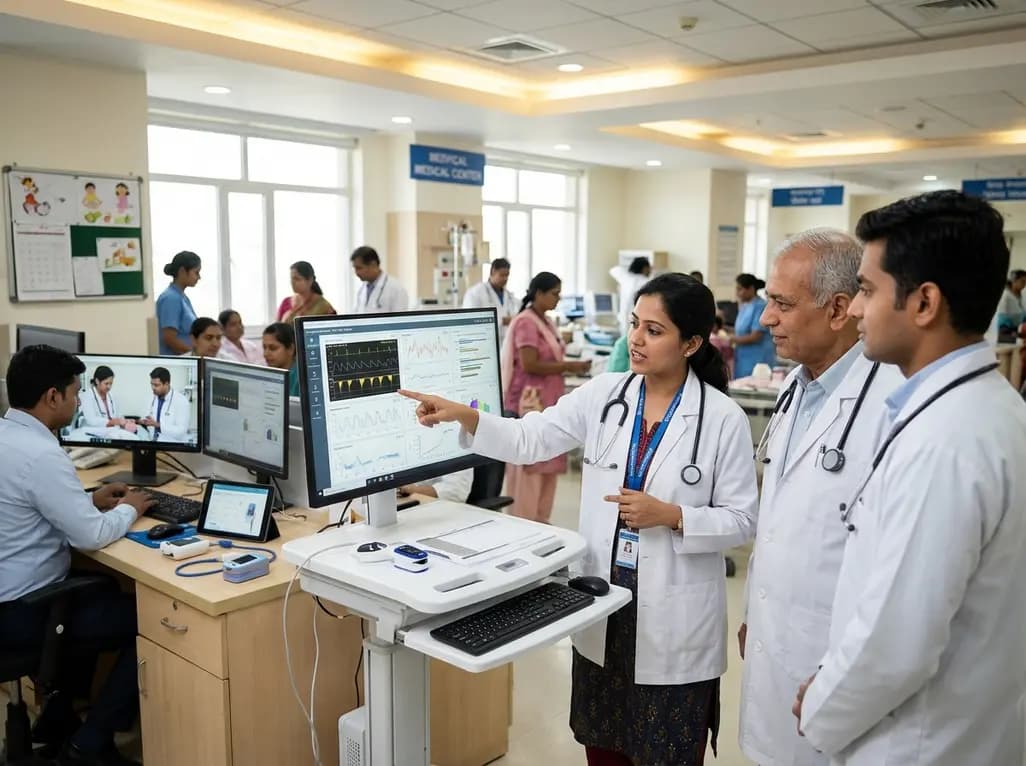
A landmark study details how an enterprise pediatric remote patient management model expanded from a single cardiology pilot to 16 diverse specialty programs by combining centralized digital operations with specialty clinical leadership.
Yesterday
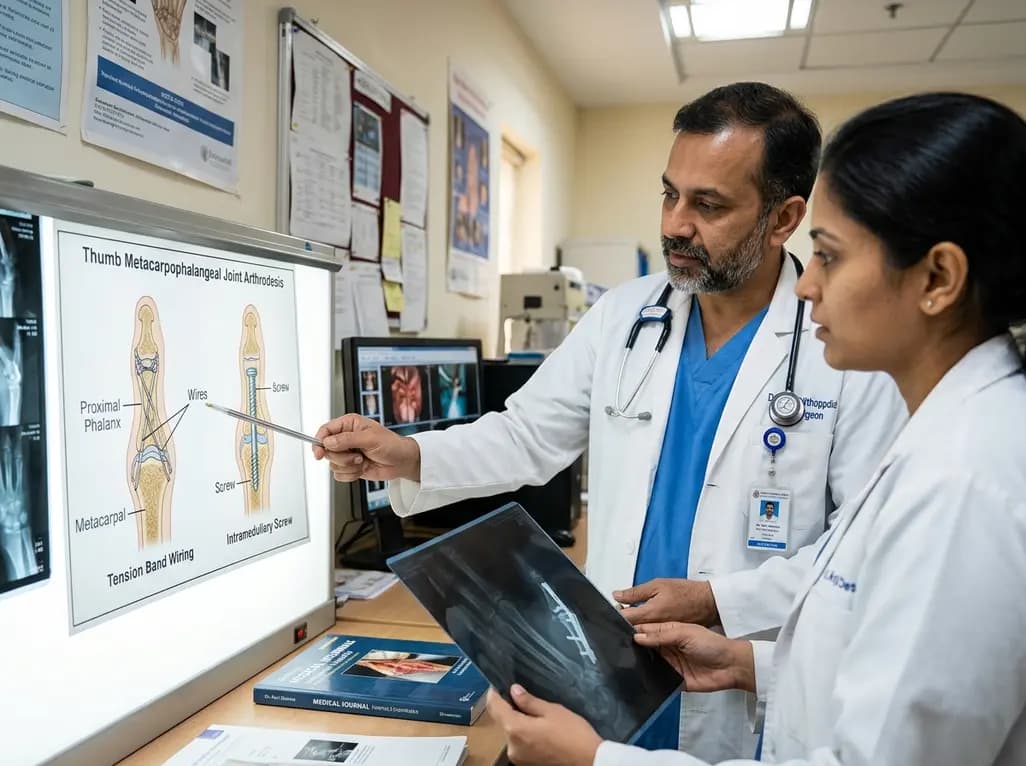
A comparative review of tension band wiring and intramedullary screw fixation in thumb metacarpophalangeal arthrodesis, evaluating union rates, hardware complications, and clinical outcomes.
Yesterday
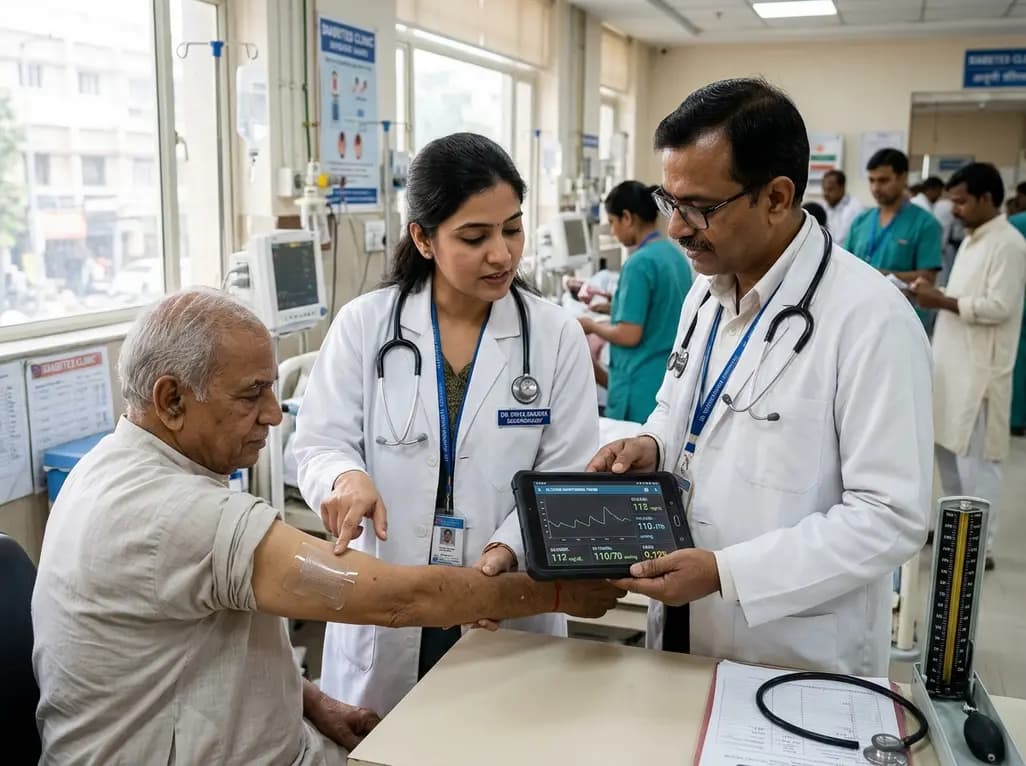
A breakthrough ultrathin multimodal sensor decouples physical hemodynamic monitoring from disposable electrochemical calibration, achieving long-term wearable glucose prediction with 81.36% accuracy and a 9.12% MARD. This offers a robust, drift-free solution for outpatient metabolic surveillance.
Yesterday
