.webp&w=384&q=75)

Loading, please wait...
Loading, please wait...
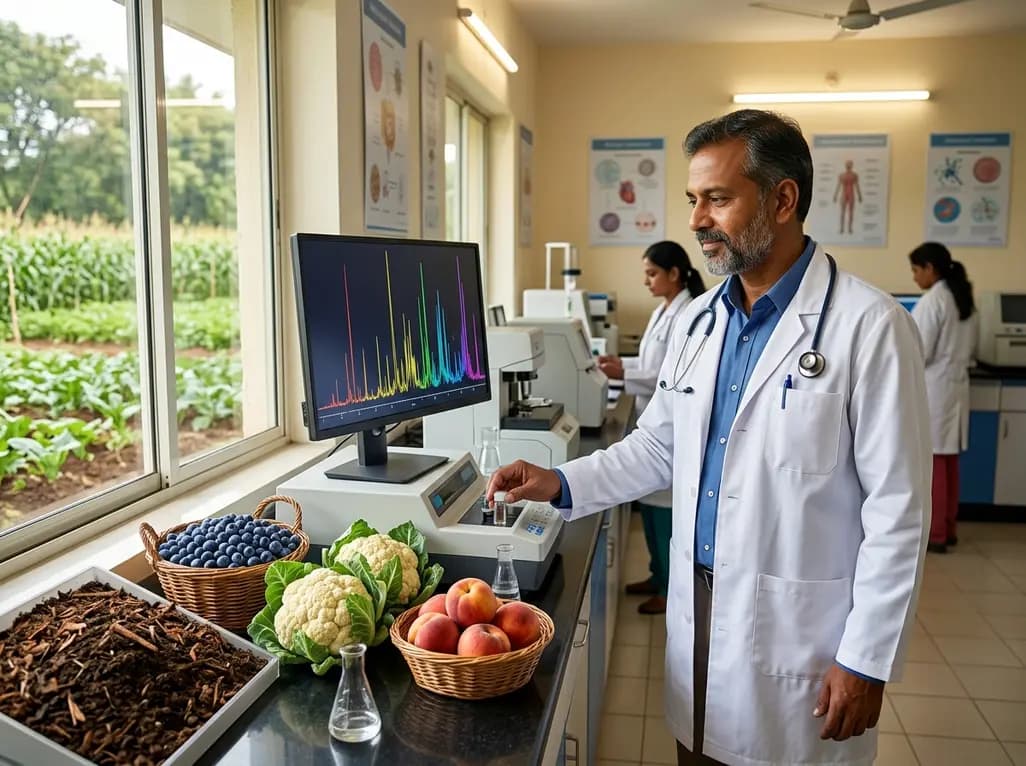
Agricultural practices are currently undergoing a paradigm shift as the global scientific community recognizes the limitations of intensive conventional farming. While industrial agriculture succeeded in maximizing caloric output, it often did so at the expense of soil health and nutrient density. Consequently, regenerative agricultural practices benefits are now being explored with greater rigor to understand how they modulate the metabolic and functional properties of crops. This approach moves beyond organic standards by focusing on soil restoration, biodiversity, and ecosystem resilience. Recent clinical interest has spiked because the chemical composition of the food we consume is directly influenced by the environment in which it grows. For medical practitioners, understanding this link is vital, as diet remains the cornerstone of chronic disease management. Research now suggests that the transition to regenerative systems can lead to a more complex and beneficial metabolic profile in common fruits and vegetables. These changes are not merely aesthetic; they involve significant shifts in bioactive compounds that interact with human physiological pathways. As clinicians in India navigate the complexities of lifestyle-related illnesses, the provenance and production method of food emerge as critical variables in nutritional therapy and preventive medicine.
To quantify the differences between conventional and regenerative systems, researchers are increasingly turning to advanced analytical tools like H-Nuclear Magnetic Resonance (NMR) based metabolomics. This technology allows for a high-throughput, non-destructive analysis of the entire metabolic profile of a plant extract. Unlike traditional methods that measure a few specific vitamins, NMR provides a comprehensive snapshot of carbohydrates, amino acids, organic acids, and phenolic-related compounds. Multivariate analysis, specifically Partial Least Squares-Discriminant Analysis (PLS-DA), allows scientists to clearly distinguish between crops grown under different systems. Furthermore, these metabolic fingerprints reveal how plants respond to their environment at a molecular level. In regenerative systems, the lack of synthetic fertilizers and pesticides often induces a natural stress response in plants. This response encourages the synthesis of secondary metabolites, such as polyphenols and flavonoids, which serve as the plant's defense mechanism. For humans, these same compounds often act as powerful antioxidants and anti-inflammatory agents. Therefore, the use of metabolomics provides a robust scientific framework to validate the superior nutritional quality of regeneratively grown produce, offering a level of detail that was previously unattainable through standard nutritional labeling.
Recent comparative studies have highlighted that the impact of regenerative systems is highly matrix-dependent, meaning different crops respond in unique ways. In a landmark study, cauliflower exhibited the most pronounced metabolic modulation when grown under regenerative conditions. The extracts showed significant shifts in primary and secondary metabolites, suggesting a heightened biosynthetic activity. Peaches also demonstrated notable changes, particularly in the concentration of organic acids and amino acids that contribute to both flavor and nutritional value. In contrast, blueberries showed more selective changes, though still distinct from their conventionally grown counterparts. These metabolic shifts are important because they directly influence the functional biological activity of the fruit or vegetable. For example, the presence of specific phenolic compounds in regenerative samples is often linked to better shelf life and resistance to pests. Moreover, these differences suggest that regenerative agricultural practices benefits include a more robust and diverse chemical makeup. For the end consumer, this translates to a richer intake of micronutrients and bioactive molecules. Doctors should note that these findings emphasize the importance of food quality over mere quantity, as even small changes in metabolite concentrations can have cumulative effects on health.
The true value of metabolomic profiling is realized when it is combined with functional biological assays. Research has shown that extracts from regeneratively grown peaches can significantly enhance fibroblast migration, which is a key component of wound healing and tissue repair. In the case of cauliflower, regenerative practices have been linked to increased cytoprotective and detoxifying responses. These responses are crucial for protecting cells from oxidative damage and assisting the liver in processing environmental toxins. Furthermore, blueberry samples obtained from regenerative systems have demonstrated enhanced antiangiogenic activity. This is particularly relevant in the context of oncology and ophthalmology, where the inhibition of abnormal blood vessel growth is a primary therapeutic goal. These functional outcomes suggest that the way we grow our food can turn a simple snack into a delivery vehicle for potent bioactives. Instead of relying solely on isolated supplements, patients may derive greater benefits from the synergistic effects of compounds found in whole foods grown in healthy soil. This holistic view of nutrition aligns with the evolving understanding of the gut microbiome and its role in systemic health, reinforcing the idea that the soil microbiome and human health are inextricably linked.
The clinical implications of improved crop metabolomics are vast, particularly regarding the prevention and management of non-communicable diseases (NCDs). By increasing the concentration of anti-inflammatory and antioxidant compounds, regenerative agriculture provides a dietary strategy to combat the chronic low-grade inflammation that underpins metabolic syndrome, diabetes, and cardiovascular disease. Regenerative agricultural practices benefits extend to the reduction of pesticide residues, which are known endocrine disruptors. In a country like India, where the burden of NCDs is rising rapidly, the adoption of nutrient-dense food systems is a public health necessity. Furthermore, the enhanced detoxifying properties of crops like cauliflower could mitigate the effects of environmental pollutants that are prevalent in many urban areas. Clinicians can advocate for these food choices as part of a comprehensive lifestyle intervention. While conventional produce is still better than processed alternatives, the data suggests that regenerative produce offers a "bio-active edge" that may improve patient outcomes over the long term. This evidence-based approach to food selection allows doctors to provide more nuanced dietary advice, moving beyond basic food groups to consider the ecological health of the source.
Integrating the concepts of regenerative agriculture into clinical practice requires a shift in how we approach nutritional history-taking. Doctors should encourage patients to seek out local, seasonal, and regeneratively grown produce whenever possible. In the Indian context, this often aligns with traditional or natural farming methods like Zero Budget Natural Farming (ZBNF). Moreover, practitioners should stay informed about the emerging field of agricultural medicine, which bridges the gap between soil science and human physiology. As more studies utilize NMR-based metabolomics, we will likely see a standardized "nutrient density index" that could help guide clinical recommendations. Furthermore, future research is needed to track the long-term health outcomes of populations consuming predominantly regeneratively grown diets. For now, the evidence clearly shows that these practices produce foods with superior functional properties. By supporting these systems, clinicians not only advocate for the health of their patients but also for the long-term sustainability of the food supply. Consequently, the medical community has a unique opportunity to lead the conversation on food quality, emphasizing that the health of the soil is the literal foundation of the health of the human body.
While both systems avoid synthetic chemicals, regenerative agriculture focuses specifically on restoring soil health and increasing biodiversity. It employs techniques like no-till farming, cover cropping, and integrated livestock management to sequester carbon and rebuild the soil microbiome. This holistic approach often results in a more complex metabolic profile in crops compared to standard organic methods, which might still rely on intensive tillage or biological pesticides that do not necessarily improve soil vitality.
NMR-based metabolomics allows for the simultaneous detection and quantification of hundreds of different metabolites within a single sample. Unlike traditional nutritional analysis, which may only look at a handful of vitamins or minerals, NMR provides a comprehensive view of the plant's entire chemical landscape. This enables researchers to identify subtle differences in bioactives and organic acids that contribute to the food's therapeutic potential and overall functional health benefits for the consumer.
Antiangiogenic activity refers to the ability to inhibit the formation of new blood vessels that tumors require to grow and spread. While consuming regenerative blueberries is not a replacement for medical treatment, the higher concentration of specific phenolics and anthocyanins found in these samples may contribute to a protective dietary environment. Including such nutrient-dense, functionally active foods in a balanced diet is a recommended strategy for reducing the overall risk of various chronic conditions, including some cancers.
Disclaimer: This content is for informational and educational purposes only. It is not intended as medical advice or to replace the consultation of a qualified healthcare professional. Readers should not disregard professional medical advice or delay seeking it because of something they have read here. Refer to the latest local and national guidelines for clinical practice.
References
Tristán AI et al. Comparative NMR-Based Metabolomic and Functional Assessment of Fruit and Vegetable Extracts under Regenerative Agricultural Practices. J Agric Food Chem. 2026 Jul 03. doi: 10.1021/acs.jafc.6c01741. PMID: 42397678.
Montgomery DR, Biklé A. Soil health and nutrient density: preliminary comparison of regenerative and conventional farming. PeerJ. 2022;10:e12848. doi: 10.7717/peerj.12848.
Farschtschi S et al. The successful use of -omic technologies to achieve the 'One Health' concept in meat producing animals. Meat Sci. 2022;193:108945. doi: 10.1016/j.meatsci.2022.108945.

Read summarized clinical updates, watch expert medical content, and earn CME certifications right from your smartphone.
Open your smartphone camera to scan and install.





New research using H NMR-based metabolomics reveals that regenerative agricultural practices significantly alter the metabolic and functional properties of crops like blueberries, cauliflower, and peaches, offering enhanced cytoprotective and antiangiogenic benefits for human health.
3 months ago
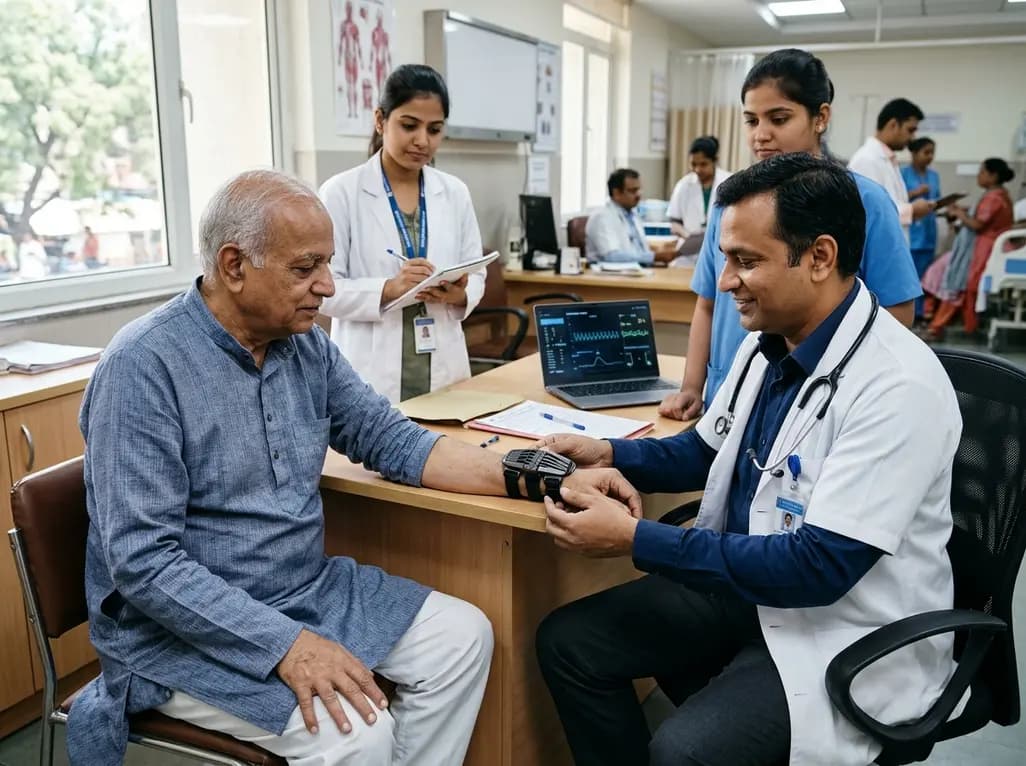
The TREM-AB open-label pilot study evaluated a wearable passive nonlinear vibration absorber for essential tremor. The Nonlinear Energy Sink bracelet reduced clinical Fahn-Tolosa-Marin tremor scores by 32.1% and electrophysiological tremor power by 49.2% with no adverse effects reported.
Today

A population-based study of 20,928 children reveals that small vulnerable newborns face sex-divergent mental capital outcomes at ages 6-7: term SGA girls show higher behavioral difficulties and lower resilience, while preterm non-SGA boys experience increased behavioral problems.
Today
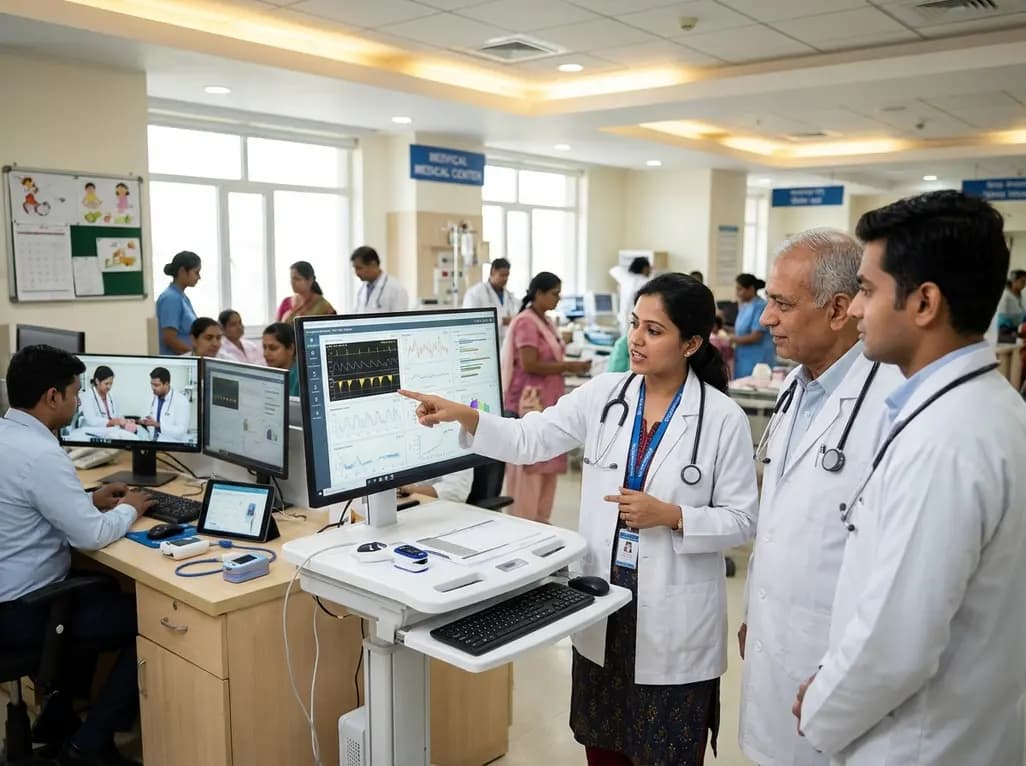
A landmark study details how an enterprise pediatric remote patient management model expanded from a single cardiology pilot to 16 diverse specialty programs by combining centralized digital operations with specialty clinical leadership.
Today

A comparative review of tension band wiring and intramedullary screw fixation in thumb metacarpophalangeal arthrodesis, evaluating union rates, hardware complications, and clinical outcomes.
Today
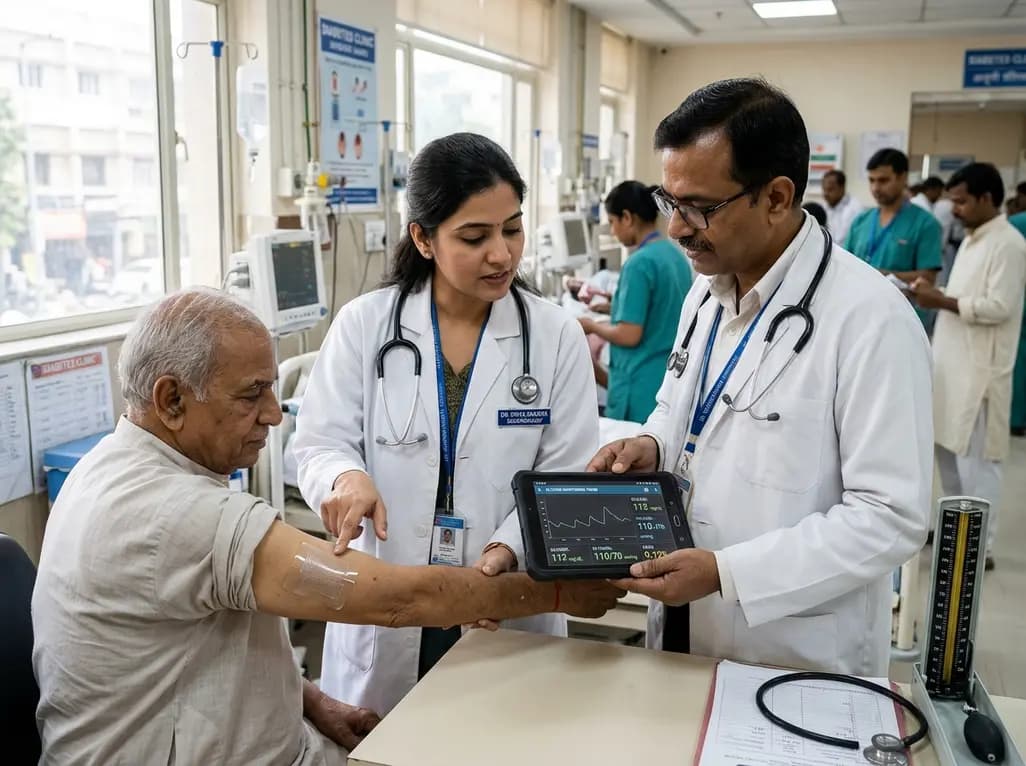
A breakthrough ultrathin multimodal sensor decouples physical hemodynamic monitoring from disposable electrochemical calibration, achieving long-term wearable glucose prediction with 81.36% accuracy and a 9.12% MARD. This offers a robust, drift-free solution for outpatient metabolic surveillance.
Today
