.webp&w=384&q=75)

Loading, please wait...
Loading, please wait...
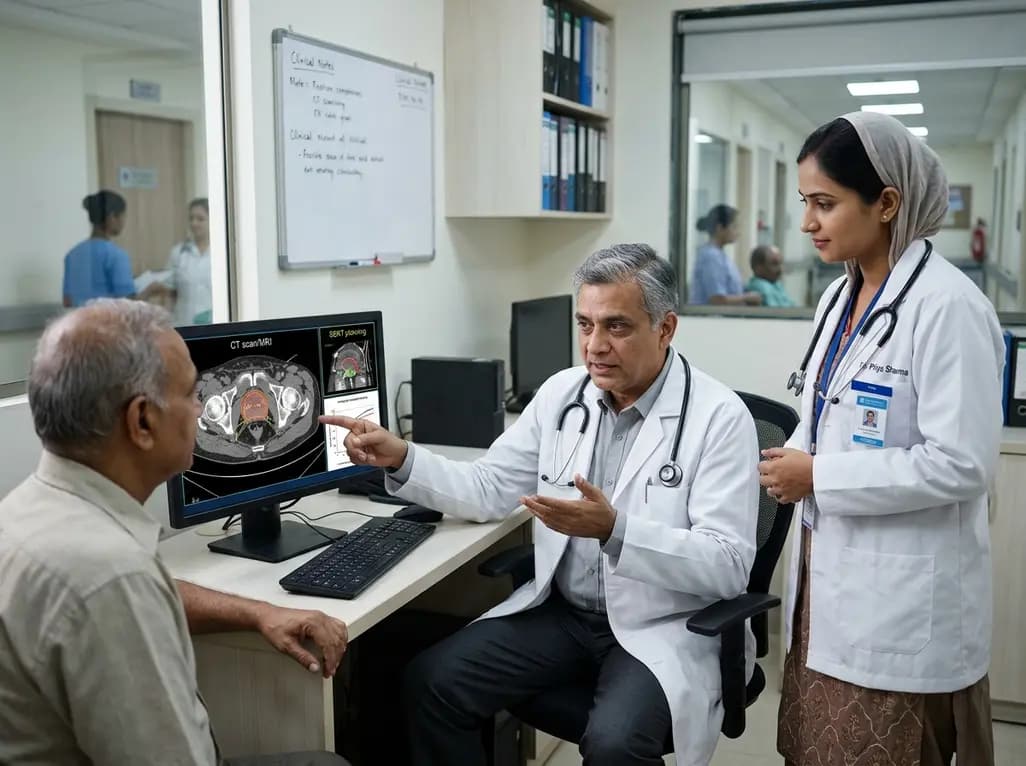
Managing localized malignancy requires a precise balance between effective tumor eradication and the preservation of patient survivorship. For clinicians managing localized prostate malignancy, achieving rapid erectile function recovery represents a pivotal milestone in long-term survivorship and overall quality of life. Standard management for unfavorable intermediate-risk prostate cancer historically pairs external beam radiotherapy with short-course androgen deprivation therapy. However, conventional injectable hormonal therapies frequently leave patients with persistent hypogonadism, prolonged fatigue, and severe sexual dysfunction long after treatment cessation. Consequently, innovative protocols are essential to optimize functional preservation without compromising therapeutic efficacy.
Unfavorable intermediate-risk prostate cancer presents distinct clinical challenges that demand intensified multi-modality intervention. Clinicians typically define this disease category by specific adverse features, including a primary Gleason pattern 4, a high percentage of positive biopsy cores, or multiple intermediate-risk factors. Because localized progression and metastatic dissemination remain tangible threats, standard clinical guidelines recommend adding four to six months of androgen deprivation therapy to definitive radiation.
Although concurrent androgen deprivation therapy demonstrably improves biochemical control and overall survival, the collateral physiological consequences are significant. Injectable gonadotropin-releasing hormone agonists initially provoke a transient testosterone flare before achieving castration. More importantly, these depot formulations exhibit unpredictable pharmacokinetics upon completion. Many men experience suppressed serum testosterone levels for several months or even years beyond the intended therapeutic window. Consequently, prolonged hypogonadism impairs vascular endothelial function, reduces pelvic muscular tone, and exacerbates persistent erectile dysfunction. Therefore, oncologists and urologists actively seek novel strategies that eliminate protracted hormonal suppression while maintaining stringent biochemical control.
Relugolix represents a meaningful pharmacological advancement as a potent, orally administered gonadotropin-releasing hormone receptor antagonist. Unlike traditional peptide agonists that rely on receptor downregulation after an initial surge of luteinizing hormone, relugolix competitively and reversibly binds to pituitary GnRH receptors. This mechanism produces rapid, profound suppression of serum testosterone within days of initiation, effectively eliminating the clinical risks associated with hormonal flare.
Furthermore, the oral formulation provides superior pharmacokinetic control compared to long-acting depot injections. Because relugolix possesses a short half-life, discontinuation leads to prompt pituitary recovery and rapid normalization of endogenous androgen production. In landmark prospective clinical evaluations, a substantial majority of patients treated with relugolix demonstrated return of normal testosterone levels within 90 days following therapy cessation. In contrast, patients receiving traditional luteinizing hormone-releasing hormone agonists often showed delayed recovery over extended intervals. Consequently, the distinct pharmacokinetic profile of relugolix establishes a promising therapeutic platform for preserving erectile physiology and minimizing systemic morbidity in patients undergoing definitive radiotherapy.
In parallel with pharmacological advancements, radiation oncology has evolved dramatically through stereotactic body radiotherapy. Conventional external beam radiation historically required seven to eight weeks of daily treatment fractions. In contrast, modern stereotactic body radiotherapy delivers ultra-hypofractionated, ablative radiation doses in only five treatment sessions. This compressed timeline significantly alleviates the treatment burden for active patients while exploiting the low alpha-beta ratio of prostate adenocarcinoma cells.
The REDI-CaP trial incorporates robotic stereotactic body radiotherapy using the CyberKnife platform to deliver 36.25 Gray in five fractions during the fourth month of androgen deprivation therapy. Real-time motion tracking and sub-millimeter precision enable steep dose gradients around the prostate gland. Consequently, clinicians can deliver tumoricidal doses while sparing critical adjacent neurovascular structures, the penile bulb, the bladder, and the rectum. By limiting collateral radiation scatter to the cavernous nerves and pudendal vasculature, robotic stereotactic body radiotherapy directly supports anatomical preservation. Thus, combining precise spatial targeting with transient hormonal therapy creates an optimal therapeutic environment for functional preservation.
The REDI-CaP trial is a prospective, single-arm, single-center Phase II clinical investigation designed to evaluate patient-reported sexual outcomes and therapeutic efficacy. The protocol enrolls 55 patients with unfavorable intermediate-risk prostate cancer, anticipating a modest attrition rate to secure 50 fully evaluable participants for final statistical analysis. Participants receive oral relugolix at a standard dose of 120 mg daily for a total duration of six months, integrating robotic stereotactic body radiotherapy in month four.
The primary trial endpoint focuses on measurable erectile function recovery assessed at six months following the cessation of relugolix. Investigators define successful recovery as achieving an International Index of Erectile Function-5 score of at least 17, or demonstrating a clinically meaningful increase of five or more points above baseline values. Additionally, secondary endpoints evaluate biochemical progression-free survival, acute and late genitourinary and gastrointestinal toxicities, systemic safety profiles, and validated quality-of-life parameters. By conducting rigorous longitudinal assessments under Good Clinical Practice guidelines, the study aims to establish whether targeted radiation and oral GnRH antagonism can effectively protect sexual health without sacrificing oncological safety.
Sustained sexual well-being plays a vital role in psychological health, self-esteem, and relationship satisfaction following cancer care. Historically, many prostate cancer survivors experience unaddressed sexual dysfunction that leads to emotional distress and social withdrawal. By prioritizing sexual health recovery as a primary endpoint, the REDI-CaP trial aligns closely with contemporary survivorship paradigms in modern oncology.
Moreover, rapid hormonal recovery confers comprehensive physiological benefits that extend far beyond sexual health. Prolonged chemical castration frequently induces loss of lean muscle mass, metabolic dysregulation, fatigue, bone mineral loss, and cardiovascular strain. Because relugolix allows prompt resumption of normal endocrine balance, patients can regain physical stamina and metabolic equilibrium much faster than those receiving depot injections. Furthermore, the abbreviated five-fraction radiation schedule substantially reduces logistical disruption and indirect financial burdens. Therefore, integrating modern oral antagonists with ultra-hypofractionated radiation offers a holistic management approach that respects long-term vitality while providing decisive therapeutic intervention.
The innovative structure of the REDI-CaP study highlights a broader trend toward personalized, toxicity-sparing strategies in urological oncology. As diagnostic tools such as prostate-specific membrane antigen positron emission tomography and genomic classifiers continue to refine risk stratification, clinicians can better select candidates for tailored treatment regimens. Short-course oral therapy allows immediate intervention while offering flexible management if unexpected side effects arise.
While definitive clinical results will confirm whether the protocol meets its target recovery rate of 70%, the trial establishes an essential precedent for multi-disciplinary clinical trial design. Medical oncologists, urologists, and radiation therapists must collaborate closely to ensure seamless transitions between systemic therapy and focal radiation. Clinicians should consistently engage patients in shared decision-making regarding baseline sexual function, individual lifestyle priorities, and realistic recovery expectations. Ultimately, the combination of targeted oral pharmacology and robotic radiation exemplifies the next generation of prostate cancer management, where curing disease and preserving survivorship stand as equal clinical objectives.
Relugolix is a reversible, oral GnRH receptor antagonist that exhibits a very short biological half-life. Once a patient completes the prescribed medication course, pituitary gonadotropin release resumes rapidly. Consequently, endogenous testosterone production recovers within a few months, whereas traditional long-acting depot injections continuously release hormones from tissue depots and cause protracted hypogonadism, delayed vascular healing, and prolonged sexual dysfunction.
The REDI-CaP protocol delivers stereotactic body radiotherapy using the CyberKnife robotic radiosurgery system. Patients receive a total radiation dose of 36.25 Gray delivered in five precise fractions during the fourth month of systemic relugolix treatment. Real-time tumor tracking minimizes collateral exposure to the neurovascular bundles, penile bulb, bladder, and rectum, effectively preserving surrounding healthy anatomy.
Investigators assess recovery using the validated International Index of Erectile Function-5 questionnaire six months after hormonal therapy cessation. The study protocol defines successful individual recovery as either achieving an IIEF-5 score of 17 or higher (indicating mild or absent dysfunction) or gaining a net improvement of at least five points over the patient's pre-treatment baseline score.
Disclaimer: This content is for informational and educational purposes only. It is not intended to replace professional medical advice, diagnosis, or treatment. Always seek the advice of your physician or other qualified health provider with any questions you may have regarding a medical condition. Refer to the latest local and national guidelines for clinical practice.
References

Read summarized clinical updates, watch expert medical content, and earn CME certifications right from your smartphone.
Open your smartphone camera to scan and install.





The REDI-CaP trial investigates whether combining oral relugolix with CyberKnife stereotactic body radiotherapy improves erectile function recovery and quality of life in unfavorable intermediate-risk prostate cancer while maintaining robust oncological control.
last month
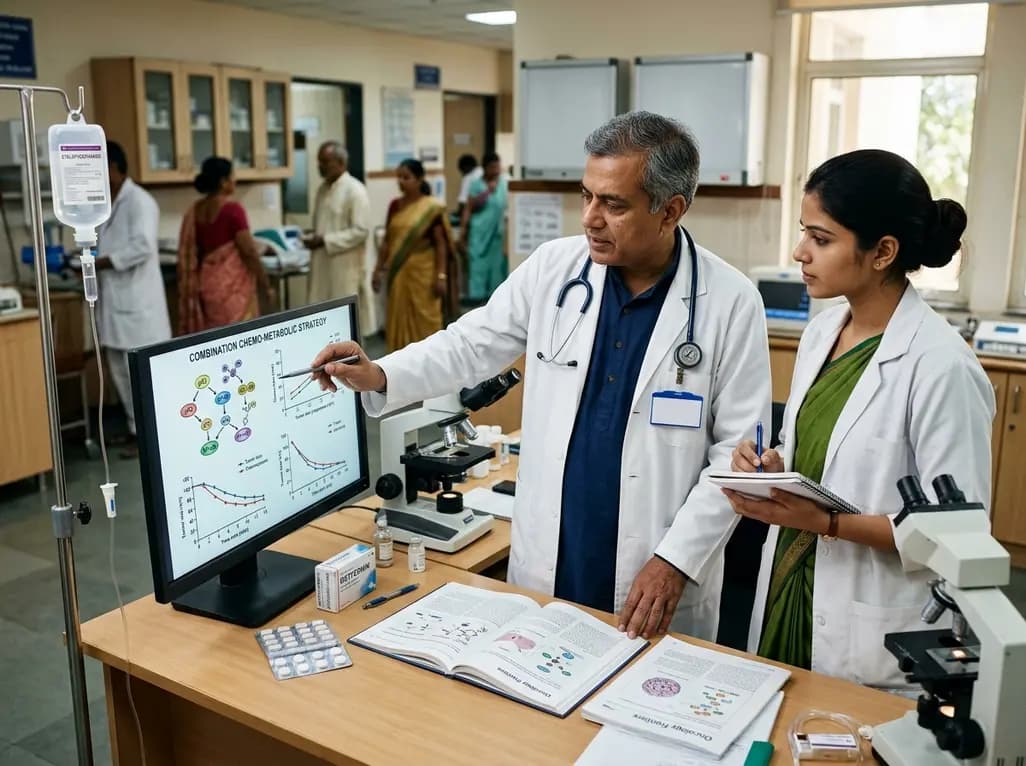
Preclinical evidence highlights how combining metronomic cyclophosphamide and metformin suppresses tumor progression by modulating NF-κB and p53 pathways while boosting antitumor immunity. This low-toxicity chemo-metabolic approach presents compelling opportunities for resource-conscious oncology care.
Today
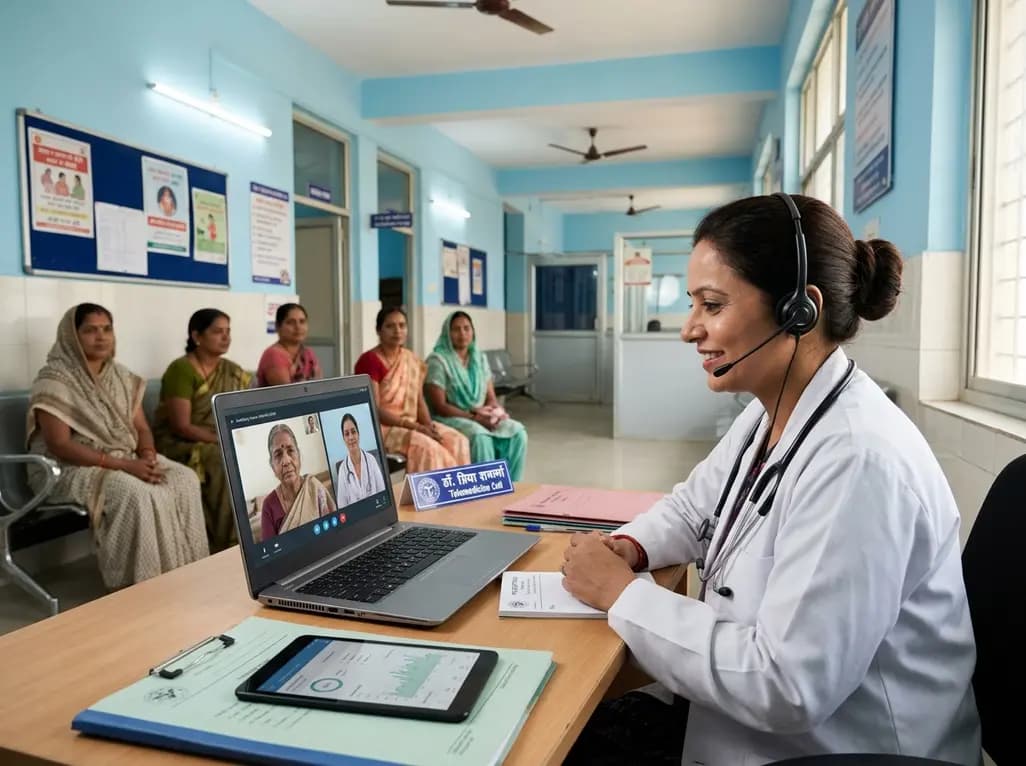
India's national digital health service achieved a historic milestone of fifty crore virtual consultations. Notably, female patients account for over fifty-seven percent of utilisation, demonstrating improved healthcare accessibility for remote communities, chronic disease management, and primary triage.
Today
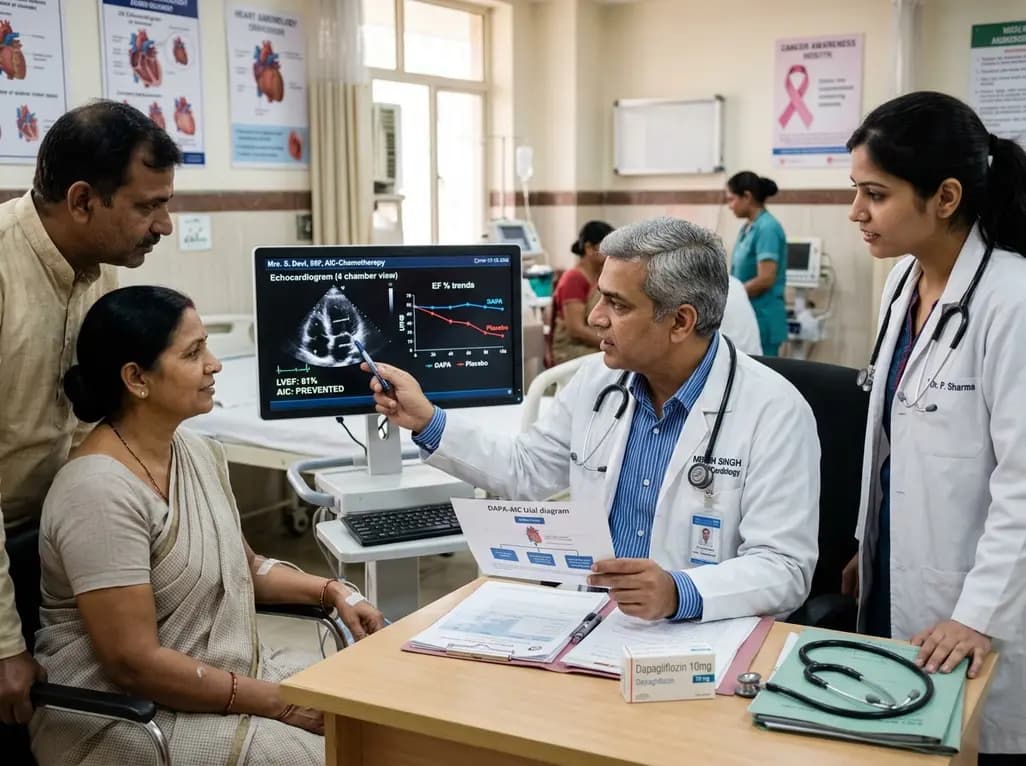
The phase II DAPA-AIC trial demonstrates that dapagliflozin 10 mg daily significantly preserves left ventricular ejection fraction compared to placebo over four months in adults undergoing anthracycline chemotherapy, highlighting a potential preventive strategy in cardio-oncology.
Today

A scoping review reveals severe gaps in long-term assistive technology provision following humanitarian emergencies. Addressing post-disaster rehabilitation requires systematic follow-up, workforce training, and integration into national health systems to sustain mobility and recovery.
Today

An interim propensity score-matched study comparing SASI vs OAGB demonstrates equivalent short- and mid-term outcomes. Both bariatric procedures achieved substantial excess weight loss and 100% medication-free blood glucose control at 18 months, underscoring the metabolic efficacy of both techniques.
Today
