.webp&w=384&q=75)

Loading, please wait...
Loading, please wait...
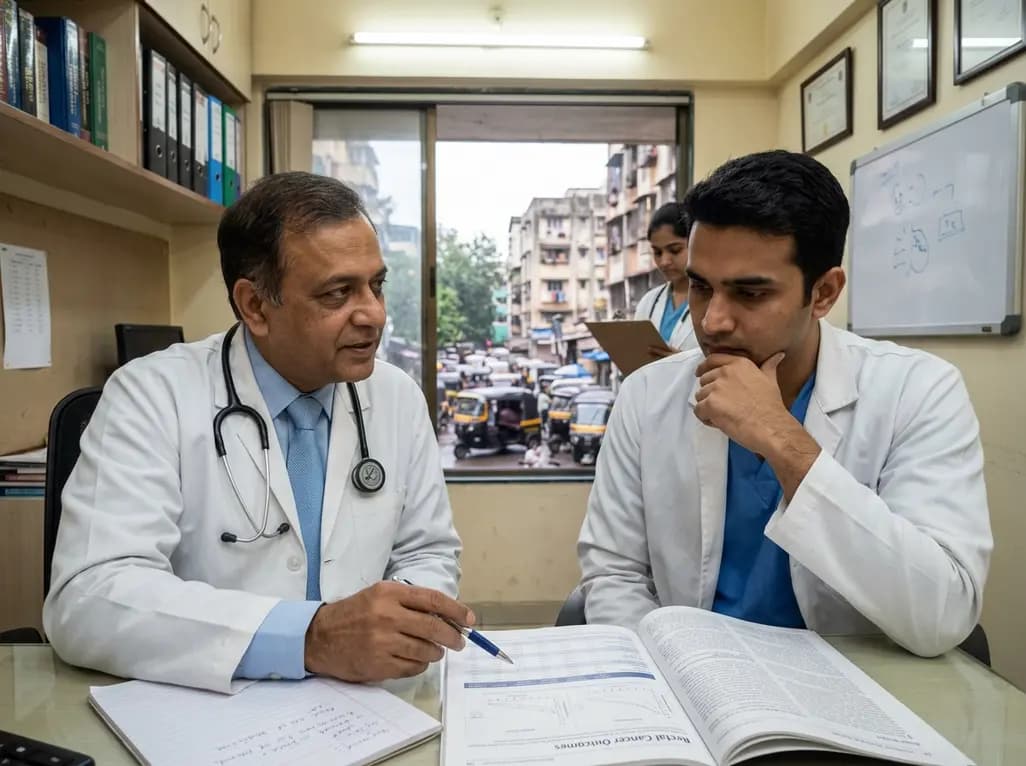
Clinicians evaluating locally advanced rectal malignancies increasingly weigh the benefits of rectal cancer organ preservation against the proven oncological security of standard radical surgery. Neoadjuvant chemoradiotherapy often produces significant tumour regression, prompting many multidisciplinary teams to adopt non-operative management. However, robust long-term benchmarks established by radical resection remain indispensable for objectively appraising organ-sparing pathways. A multicentre study by Broughton and colleagues provides critical context by analysing long-term oncological outcomes following neoadjuvant therapy and radical excision.
Over the past two decades, total mesorectal excision has remained the cornerstone of curative therapy for rectal cancer. Specifically, sharp mesorectal dissection ensures complete primary tumour removal along with intact surrounding mesorectal lymph nodes. In this multicentre Australian cohort involving 573 patients, long-course neoadjuvant chemoradiotherapy followed by radical resection yielded impressive survival metrics. Overall survival reached 85.7% at five years, while cancer-specific survival reached 89.3%. In addition, the five-year disease-free survival rate stood at 76.7%. Local pelvic control proved exceptionally durable, exhibiting a five-year cumulative local recurrence incidence of merely 3.4%. Furthermore, surgeons achieved negative circumferential resection margins in 96.9% of cases, leaving only 3.1% with positive margins. Consequently, these robust data demonstrate why total mesorectal excision serves as the definitive reference standard. Any alternative organ-sparing protocol must match these exceptional local control benchmarks. Therefore, oncologists must counsel patients that non-operative strategies depart from a surgical standard with proven curative reliability.
Accurate staging dictates both therapeutic sequencing and long-term surveillance intensity. Importantly, the study revealed that baseline clinical stage before neoadjuvant therapy did not correlate with long-term oncological outcomes. Instead, pathological staging following resection provided superior prognostic value. Patients achieving a pathological complete response represented 21.8% of the surgical cohort. Consequently, these complete responders experienced outstanding survival outcomes and minimal recurrence risks. Conversely, patients with persistent nodal disease or advanced residual primary tumours faced substantially higher risks of treatment failure. This marked discrepancy highlights an enduring diagnostic dilemma in rectal cancer management. Contemporary imaging modalities frequently misjudge post-radiation scar tissue. As a result, clinical complete response does not always mirror true pathological clearance. Clinicians often encounter microscopic disease within the rectal wall despite endoscopic mucosal healing. Therefore, omitting surgical resection based solely on clinical appearance carries an inherent risk of residual disease. Multidisciplinary teams must recognise that pathological staging remains the most reliable prognostic instrument.
Histopathological tumour regression grading offers objective insight into radiation-induced cell kill. The study stratified oncological outcomes across American Joint Committee on Cancer tumour regression grades, revealing profound differences in patient trajectories. For instance, individuals exhibiting a complete pathological response (TRG 0) achieved an outstanding five-year disease-free survival of 92.2%. In sharp contrast, patients with poor tumour response (TRG 3) recorded a five-year disease-free survival of only 62.9%. Moreover, metastatic recurrence closely tracked these pathological regression categories. Patients with complete response experienced a five-year cumulative metastatic recurrence of only 3.9%. However, patients demonstrating minimal tumour regression suffered a 24.9% rate of distant metastasis. These findings underline that primary tumor biology governs systemic recurrence risks. Furthermore, local tumour persistence frequently signals micrometastatic dissemination. As a result, treatment teams cannot consider local response in isolation from systemic risk. Radical excision eliminates residual primary clones that could seed distant organs. Thus, tumour regression grade remains an indispensable readout for post-treatment planning.
Although radical surgery secures exceptional oncological control, total mesorectal excision involves non-trivial morbidity. In this regional cohort, anastomotic leaks occurred in 10.8% of patients who received primary reconstruction. In addition, surgeons constructed an intended permanent stoma in 31.9% of all patients. Beyond stoma creation, low anterior resection often induces bowel, sexual, and urinary dysfunction. Because of these functional drawbacks, rectal cancer organ preservation has gained widespread international interest. Patients eagerly seek strategies that avoid permanent ostomies and preserve native sphincter function. Nevertheless, selecting appropriate candidates demands extreme caution. The non-operative approach requires strict endoluminal and radiologic surveillance to detect early local regrowth. If clinicians adopt organ preservation inappropriately, patients may miss the window for curative intervention. Total mesorectal excision definitively resolves the primary lesion and provides thorough nodal staging. Therefore, surgical teams must conduct transparent, balanced discussions with prospective candidates. They should weigh the physical burdens of major surgery against the oncological uncertainties of avoiding resection.
The debate between watch-and-wait approaches and radical resection holds substantial relevance for oncologists practicing in India. Across Indian cancer centres, colorectal cancer diagnoses among younger adults have risen noticeably. Many young patients strongly prioritise sphincter preservation to maintain social functioning, professional employment, and quality of life. However, implementing non-operative management safely requires rigid surveillance protocols. These protocols mandate frequent high-resolution pelvic magnetic resonance imaging, digital examinations, and flexible sigmoidoscopy every few months. In many Indian clinical settings, ensuring uniform compliance over five years proves challenging. Specifically, financial constraints, geographic disparities, and loss to follow-up threaten patient safety in decentralized regions. If an unnoticed local regrowth progresses, delayed salvage surgery carries substantial surgical morbidity and diminished curative potential. Conversely, total mesorectal excision delivers durable local control with a proven 3.4% local recurrence rate. Consequently, Indian surgeons should reserve non-operative approaches for highly compliant individuals treated within specialized multidisciplinary units. For the broader patient population, radical excision remains the safest, most dependable treatment strategy.
Tumour regression grade measures residual cancer cells after neoadjuvant therapy and directly reflects treatment responsiveness. As demonstrated by recent research, complete regression correlates with outstanding disease-free survival and minimal metastatic spread. Conversely, poor regression indicates aggressive biology and high systemic failure risk. In organ preservation pathways, regression helps stratify recurrence risk, guiding whether clinicians can safely defer radical surgery or must promptly recommend standard mesorectal resection.
A clinical complete response occurs when endoscopy and imaging reveal no residual mucosal tumor. However, pathological complete response requires the microscopic absence of all malignant cells within the rectal wall and regional lymph nodes. Modern imaging modalities cannot reliably differentiate fibrous scar tissue from microscopic cancer nests. Consequently, up to twenty percent of patients showing clinical complete response still harbour residual occult adenocarcinoma upon surgical excision.
Patients who select non-operative management must commit to intensive, lifelong multidisciplinary surveillance. Typically, this protocol requires clinical assessments, digital rectal examinations, and flexible sigmoidoscopies every three to four months during the first two years. Furthermore, patients need high-resolution pelvic magnetic resonance imaging every six months alongside periodic systemic computed tomography scans. Missing these scheduled evaluations risks undetected local regrowth, which can compromise overall curative potential.
Disclaimer: This content is for informational and educational purposes only and should not be construed as medical advice. Always consult a qualified healthcare professional before making clinical decisions. Refer to the latest local and national guidelines for clinical practice.
References

Read summarized clinical updates, watch expert medical content, and earn CME certifications right from your smartphone.
Open your smartphone camera to scan and install.





A multicentre cohort confirms that neoadjuvant chemoradiotherapy followed by total mesorectal excision achieves a 5-year OS of 85.7% and local recurrence of 3.4%, offering an oncological benchmark when considering rectal cancer organ preservation.
Today
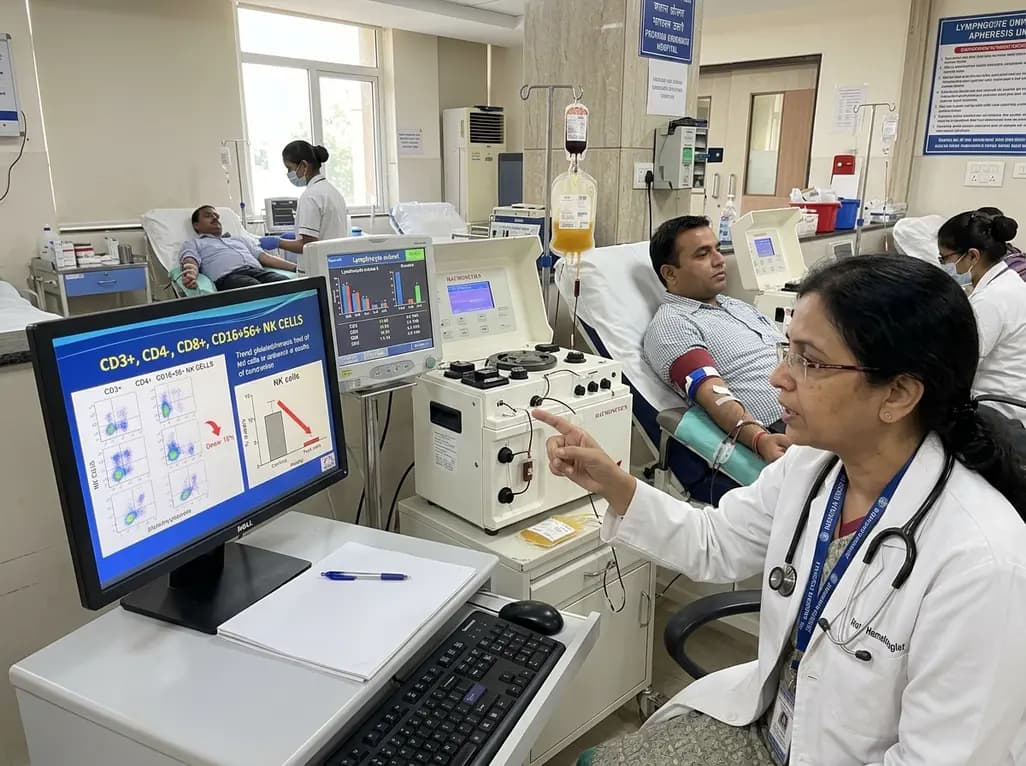
A landmark study assesses how frequent plateletpheresis alters peripheral immune profiles. Regular donors demonstrate notable reductions in circulating natural killer cells, emphasizing the critical need for routine lymphocyte subset surveillance in long-term blood donor safety programs.
Today
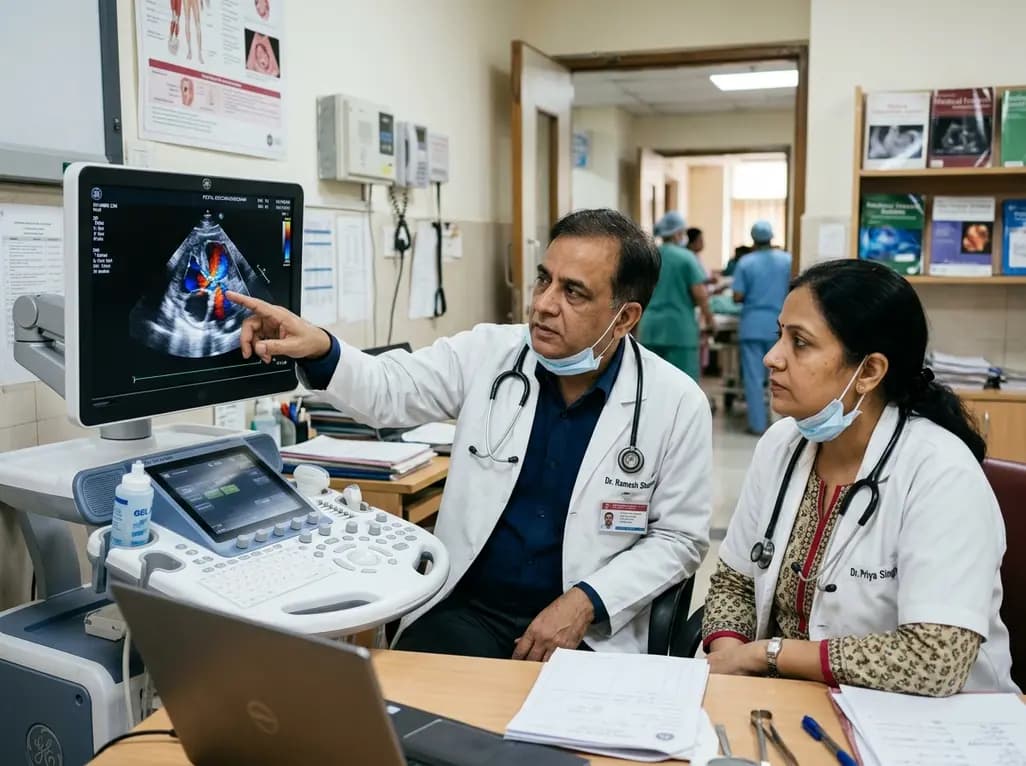
Fetal foramen ovale restriction typically emerges in the third trimester with right heart enlargement. Evidence demonstrates it does not independently mandate cesarean delivery, and over 93% of postnatal cardiac findings resolve spontaneously within one year, supporting conservative obstetric management.
Today
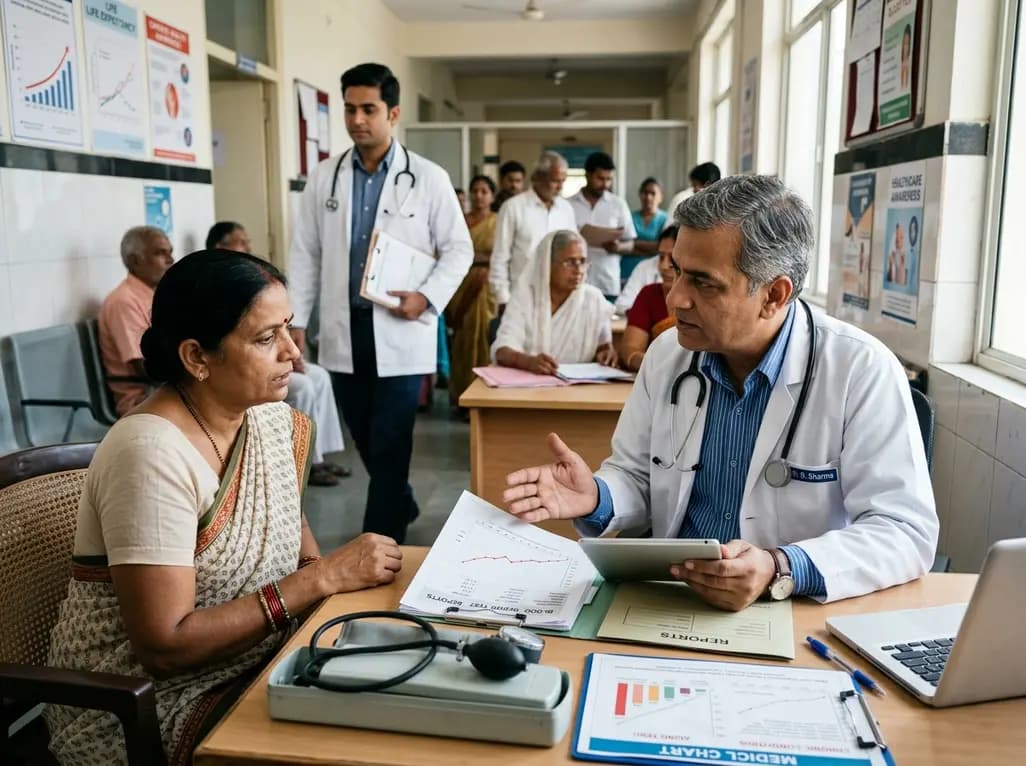
The latest WHO Global Health Estimates highlight India's life expectancy reaching 71 years alongside a healthy lifespan of 60.6 years. While longevity rebounds post-pandemic, non-communicable conditions now account for three-quarters of top mortalities, underscoring urgent clinical shifts in routine primary care.
Today

New biomechanical research reveals that foot-strike angle significantly influences knee energy absorption during cutting tasks in female soccer players. Understanding these kinematic patterns offers clinicians valuable pathways for targeted ACL injury prevention and athletic retraining.
Today
A comprehensive review analyzes periconceptional GLP-1 receptor agonist exposure, revealing reassuring data on congenital anomalies and adverse perinatal outcomes while emphasizing the need for cautious patient counseling.
Today
