.webp&w=384&q=75)

Loading, please wait...
Loading, please wait...
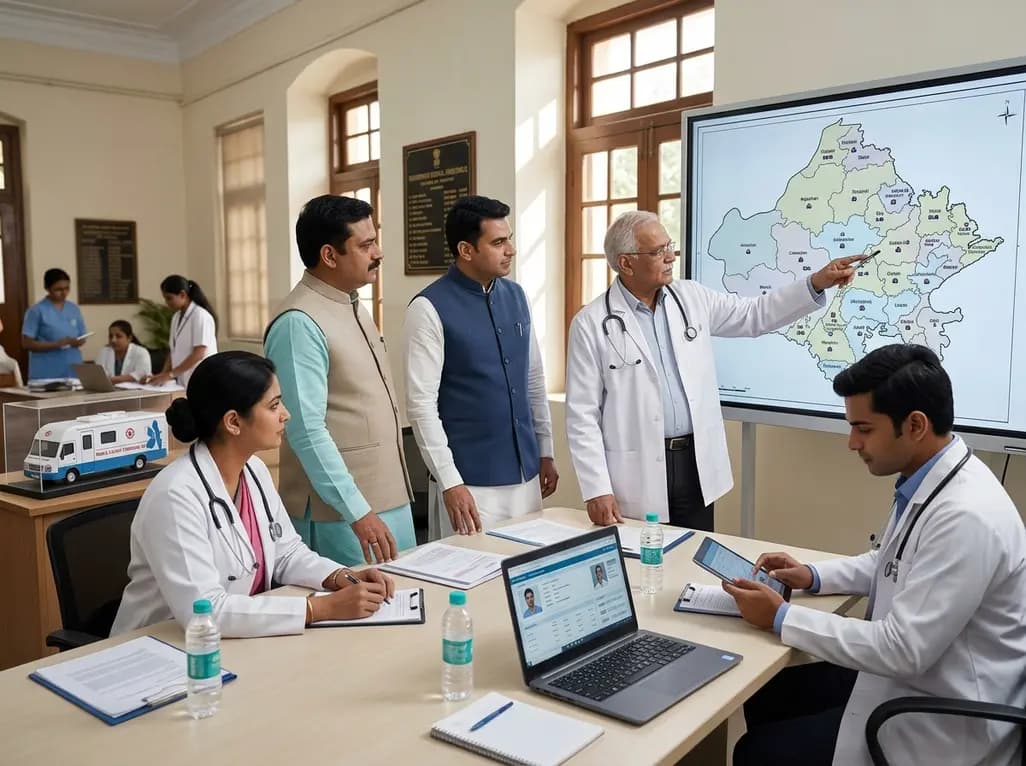
The Rajasthan State Health Department has taken a major step to transform oncology services statewide. Consequently, officials are setting up a dedicated central Cancer Cell at the Health Directorate in Jaipur. This unit aims to streamline early detection, patient referrals, and follow-up care. Furthermore, it will actively monitor epidemiologic trends and bridge operational gaps. Strengthening cancer screening and treatment remains a key goal of this initiative. By establishing coordination across districts, healthcare authorities hope to reduce diagnostic delays significantly. Therefore, this administrative shift promises to make oncology care more accessible and efficient for all patients.
The newly established central Cancer Cell will function as the primary monitoring hub for oncology initiatives across all districts. Specifically, the department designed this unit to track emerging cancer trends throughout Rajasthan. Additionally, the unit will coordinate directly with district health authorities to streamline patient navigation. In rural areas, patients often encounter severe delays when transitioning from screening to diagnostic confirmation. Consequently, the central unit will identify bottlenecks and implement targeted clinical solutions. Furthermore, officials will monitor resource allocation to ensure diagnostic services remain available in regional centers. Importantly, this centralized oversight enables state leaders to evaluate program efficacy in real time. As a result, administrators can adapt policies quickly based on empirical data. Thus, the coordination unit promises to improve clinical outcomes by eliminating administrative obstacles.
Moreover, the central team will supervise care pathways across primary and tertiary centers. Therefore, clinicians across districts can deliver consistent care following standardized protocols. Consequently, patients in distant towns will experience seamless care continuity, matching standards found in major urban institutions.
Mobile health units play an indispensable role in expanding diagnostic access to underserved rural populations. Therefore, the Health Directorate will directly monitor the deployment of cancer screening vans. Consequently, state officials will ensure these vehicles reach remote communities efficiently. Furthermore, local health authorities must publicize every mobile screening camp at least ten days in advance. In addition, District Chief Medical Officers must create monthly calendars detailing upcoming camp dates and locations. Specifically, these plans will raise public awareness and increase community participation significantly. As a result, more individuals will undergo routine evaluations before advanced symptoms manifest. Early detection directly correlates with lower mortality rates and reduced therapeutic complexity. Moreover, structured outreach ensures vulnerable populations receive timely clinical evaluations without facing exorbitant travel burdens.
Additionally, district teams will organize educational workshops during these screening camps. Thus, community members can learn about common oncologic warning signs. Consequently, public engagement will increase, driving higher participation in routine preventive health programs.
Alongside structural administration, the health department has introduced revised clinical treatment guidelines. Notably, these updated protocols aim to simplify therapeutic processes and make oncologic care patient-centric. In the past, complex referral networks often confused patients, leading to treatment dropouts. Consequently, the new framework establishes transparent referral pathways from primary health centers to specialized institutions. Furthermore, standardized treatment algorithms reduce unnecessary administrative steps and prevent delayed medical decisions. Therefore, clinicians can initiate timely interventions, improving patient survival rates. Moreover, updated guidelines emphasize holistic patient support, incorporating nutritional guidance and counseling into routine protocols. As a result, individuals undergoing oncologic therapies receive comprehensive care throughout recovery.
Additionally, state authorities are training local medical officers to implement these standardized pathways effectively. Consequently, district doctors can manage minor side effects locally while communicating seamlessly with regional oncology specialists. Thus, patients experience fewer disruptions during active treatment phases.
To alleviate logistical burdens placed on rural families, Rajasthan is expanding its digital healthcare infrastructure significantly. Specifically, starting in August, cancer patients can receive specialist medical oncology consultations through telemedicine at district medical colleges. Consequently, expert medical advice from the SMS Medical Board in Jaipur will reach patients locally. In many instances, families spent substantial financial resources traveling repeatedly to Jaipur for routine specialist opinions. However, this digital link allows district doctors to consult directly with senior oncologists remotely. As a result, patients can receive expert clinical guidance and follow-up plans close to home. Furthermore, this initiative preserves specialized hospital beds in Jaipur for critical surgical procedures. Therefore, telemedicine effectively democratizes access to subspecialty oncology care across the entire state.
Moreover, digital medical records will be integrated into the telemedicine platform. Thus, specialists can review diagnostic images instantaneously during virtual consultations. Consequently, diagnostic turnaround times will decrease, accelerating targeted therapies.
Regional health disparities present a major challenge to effective oncology delivery across India. Consequently, centralizing administrative oversight while decentralizing specialist care serves as a powerful strategic solution. Specifically, linking district medical colleges with state-level centers of excellence strengthens rural health infrastructure. Furthermore, local medical staff gain valuable professional exposure through continuous tele-consultations with senior oncologists. As a result, the clinical capacity of district hospitals expands naturally over time. Additionally, reducing patient travel demands minimizes financial stress on economically disadvantaged families. Often, indirect expenses force vulnerable patients to abandon necessary care. Therefore, bringing expert consultations to district facilities preserves treatment continuity and improves survival rates. Ultimately, this reform model provides a valuable blueprint for decentralizing complex medical services effectively.
Moreover, continuous monitoring by the Cancer Cell will prevent equipment downtime in district centers. Thus, diagnostic tools like mammograms will operate reliably across rural health centers. Consequently, equitable access to quality care will become a reality for all residents.
Q1: What is the primary role of the newly established Cancer Cell in Rajasthan?
The central Cancer Cell functions as a central coordination and monitoring unit within the Health Directorate. Specifically, it tracks statewide cancer trends, streamlines patient referrals, and ensures effective deployment of mobile screening vans. Furthermore, the cell identifies clinical bottlenecks between initial screening and definitive treatment. Consequently, it enables district health authorities to improve care continuity, reduce diagnostic delays, and deliver standardized oncology services efficiently to patients across all regions.
Q2: How will telemedicine benefit cancer patients residing in remote districts?
Telemedicine facilities at district medical colleges will connect local patients directly with medical oncology specialists from the SMS Medical Board in Jaipur. Consequently, patients can receive expert clinical opinions, treatment reviews, and follow-up recommendations locally. This digital approach significantly reduces the need for frequent, expensive travel to Jaipur. Therefore, families save substantial money and time while maintaining uninterrupted access to specialized subspecialty oncologic consultations close to their homes.
Q3: How are mobile cancer screening camps being managed under the new state directives?
Under the revised directives, district chief medical and health officers must prepare detailed monthly calendars for mobile screening camps. Additionally, officials must publicize every screening camp at least ten days in advance to maximize community participation. Furthermore, the central Cancer Cell actively monitors mobile screening vans to ensure they reach underserved rural areas effectively. As a result, early detection rates improve significantly across remote communities.
Disclaimer: This content is for informational and educational purposes only. It does not constitute medical advice or replace professional judgment. Refer to the latest local and national guidelines for clinical practice.
References

Read summarized clinical updates, watch expert medical content, and earn CME certifications right from your smartphone.
Open your smartphone camera to scan and install.





Rajasthan's health department is establishing a dedicated Cancer Cell at the Health Directorate to oversee cancer screening and treatment across districts. The initiative integrates mobile screening vans, advance public scheduling, updated clinical guidelines, and SMS Medical Board telemedicine support.
2 months ago
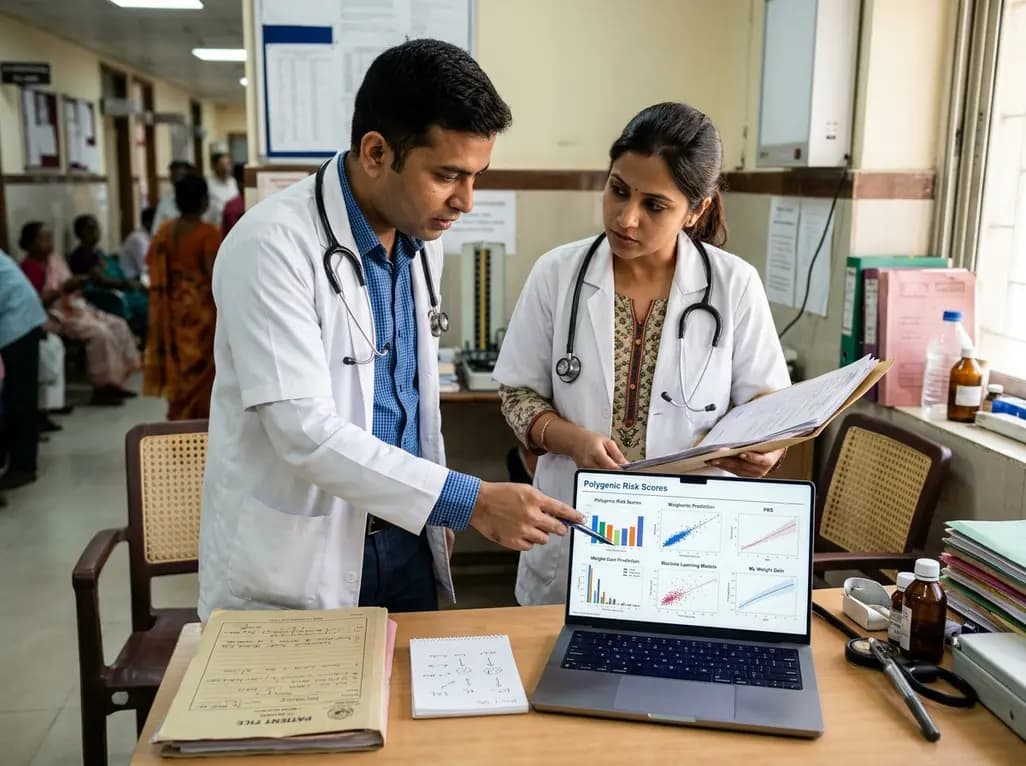
An observational study from the NIH All of Us Research Program reveals that adding a multi-ancestry polygenic risk score to machine learning models provides only modest improvements in predicting adult weight gain, underscoring the enduring significance of routine clinical and lifestyle factors.
Today
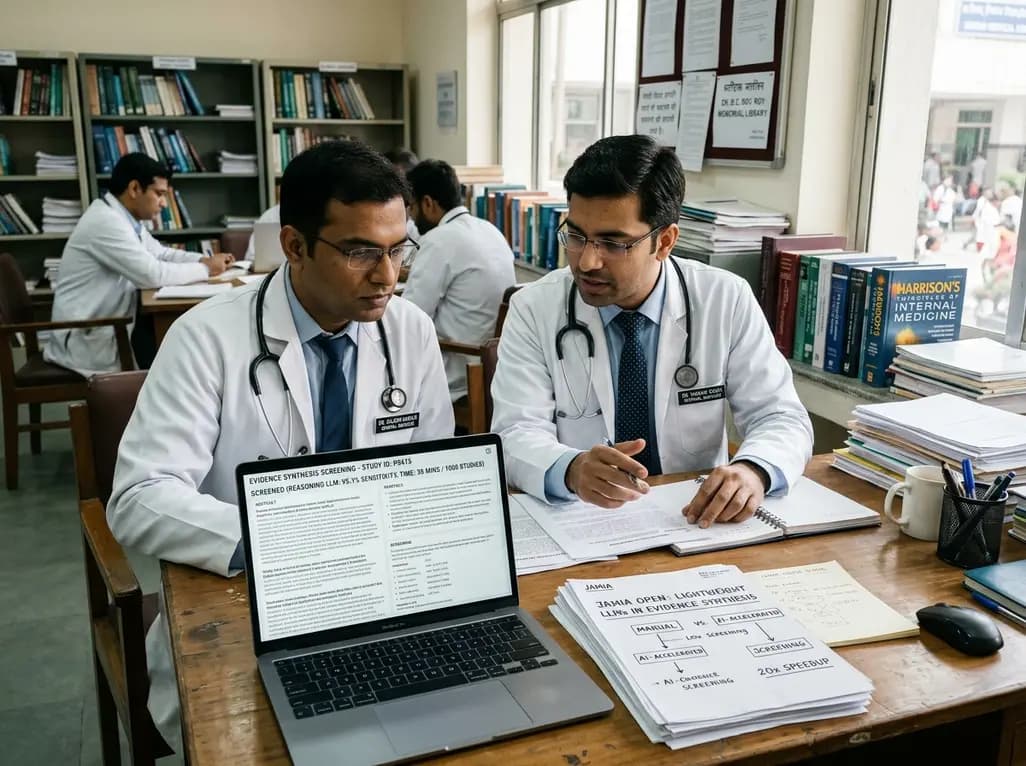
A study in JAMIA Open shows lightweight open-source reasoning LLMs achieve up to 95% sensitivity and accelerate evidence synthesis screening by nearly twentyfold, presenting a cost-effective, scalable AI solution for biomedical research and systematic reviews.
Today
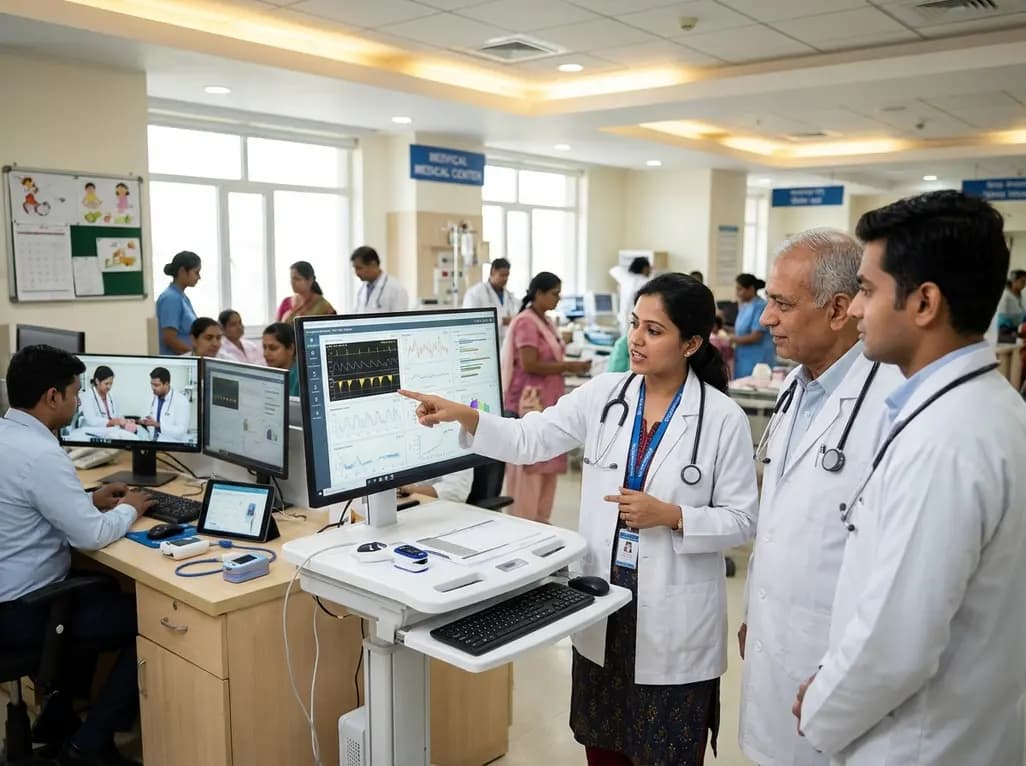
A landmark study details how an enterprise pediatric remote patient management model expanded from a single cardiology pilot to 16 diverse specialty programs by combining centralized digital operations with specialty clinical leadership.
Today
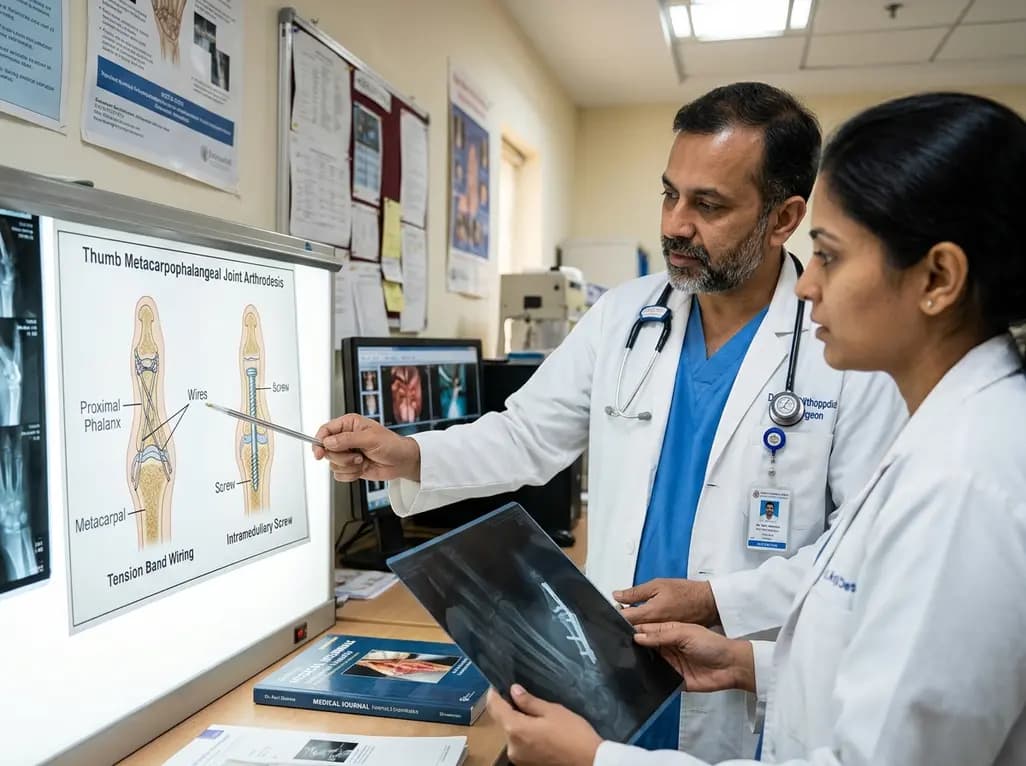
A comparative review of tension band wiring and intramedullary screw fixation in thumb metacarpophalangeal arthrodesis, evaluating union rates, hardware complications, and clinical outcomes.
Yesterday
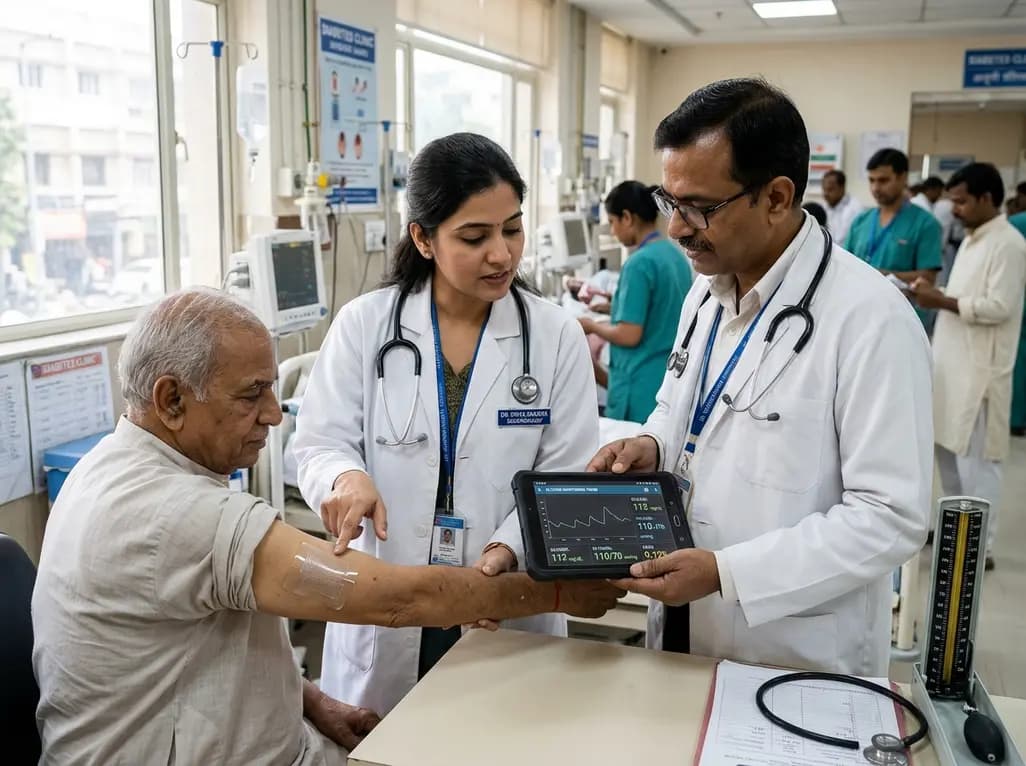
A breakthrough ultrathin multimodal sensor decouples physical hemodynamic monitoring from disposable electrochemical calibration, achieving long-term wearable glucose prediction with 81.36% accuracy and a 9.12% MARD. This offers a robust, drift-free solution for outpatient metabolic surveillance.
Yesterday
