.webp&w=384&q=75)

Loading, please wait...
Loading, please wait...
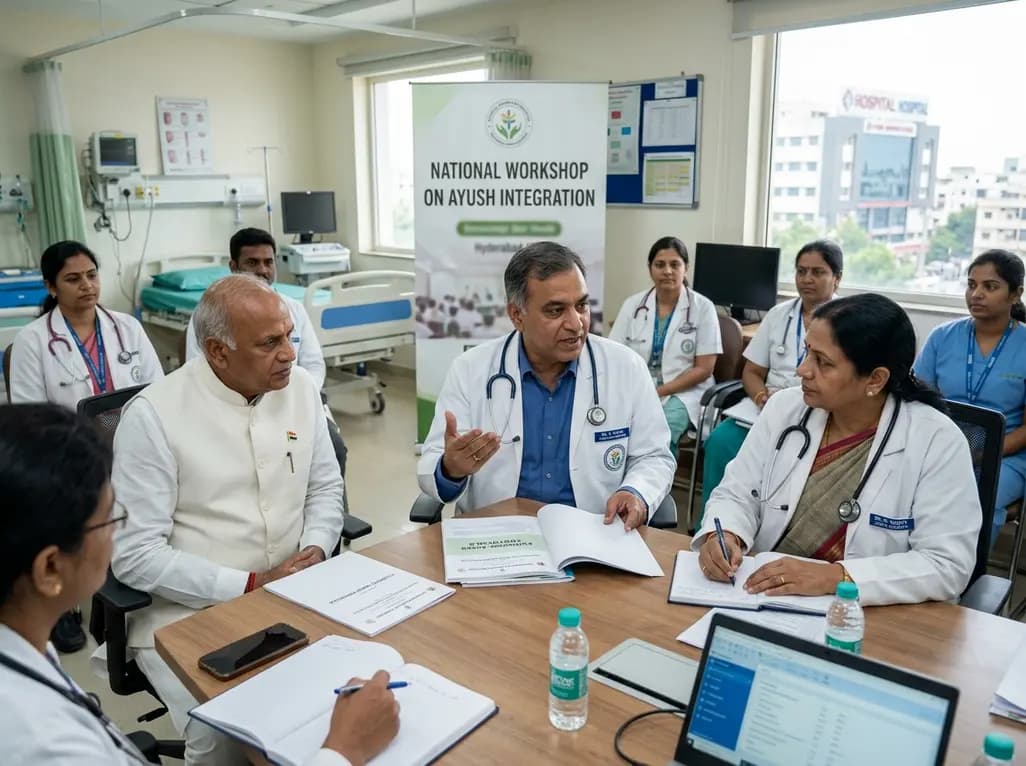
At a landmark national workshop in Hyderabad, Union Minister Prataprao Jadhav urged all States and Union Territories to deliver quality Ayush services that remain accessible and people-centric. NITI Aayog organized the high-level meeting at Kanha Shanti Vanam to build a resilient healthcare ecosystem. Furthermore, senior leaders emphasized that traditional systems must evolve to address modern epidemiological challenges. Clinicians across India increasingly recognize the value of integrating traditional modalities into routine primary care. Consequently, this policy initiative marks a decisive transition toward structured, multidisciplinary patient management. In addition, healthcare administrators must align public infrastructure with emerging community health requirements.
During the Hyderabad convention, central leadership highlighted the necessity of uniform healthcare standards across regional administrative boundaries. Prataprao Jadhav emphasized that public health facilities must prioritize accessible, patient-centered care. Therefore, state administrations must allocate sufficient resources to upgrade rural dispensaries and urban wellness centers. Additionally, health departments must bridge regional disparities to guarantee equitable clinical access. Traditional medicine systems, including Ayurveda, Yoga, Unani, Siddha, and Homeopathy, provide valuable preventive strategies for chronic metabolic and noncommunicable disorders. However, clinicians require standardized operational guidelines to maintain therapeutic consistency across diverse clinical settings.
Furthermore, healthcare authorities must actively supervise practitioner credentialing and dispensary drug inventories. When public institutions maintain rigorous benchmarks, patient trust increases substantially across both rural and urban areas. Moreover, expanding these therapeutic systems relieves excessive pressure on tertiary allopathic hospitals. Consequently, coordinated policy execution ensures that underserved communities receive holistic, high-standard clinical care. Structured governance frameworks also encourage private sector collaboration to expand preventive outreach. Ultimately, national health authorities aim to establish a dependable healthcare model that serves every demographic group efficiently.
Integrative healthcare demands robust scientific validation alongside rapid digital transformation. Speaking at the workshop, Member (Health) of NITI Aayog Prof. Dr. M. Srinivas underscored the necessity of technology-driven clinical models. Therefore, healthcare systems must incorporate standardized electronic health records and digital diagnostic tools into traditional clinics. Additionally, digital documentation creates reliable real-world evidence for traditional clinical interventions. Modern medical practitioners rightly demand verifiable clinical efficacy and stringent safety profiles before recommending complementary therapies. Consequently, research institutions must publish rigorous clinical trials that evaluate pharmacological interactions and therapeutic outcomes.
Furthermore, national digital frameworks like the Ayush Grid enable seamless data sharing among primary, secondary, and tertiary centers. Health authorities also plan to align traditional health terminologies with international diagnostic classifications. As a result, interdisciplinary teams can track patient progress across different medical streams without informational ambiguity. Moreover, technology acts as a vital bridge between traditional therapeutic wisdom and modern clinical protocols. Secure digital health platforms simultaneously protect patient confidentiality while enabling collaborative clinical research. Ultimately, evidence-based integration fosters mutual respect between allopathic physicians and traditional medicine specialists.
Vaidya Rajesh Kotecha, Secretary of the Ministry of Ayush, highlighted that successful implementation relies entirely on grassroots administrative execution. Therefore, state governments and Union Territories serve as the frontline operational engines for healthcare transformation. Additionally, central schemes like the National Ayush Mission provide dedicated financial grants to support provincial healthcare infrastructure. However, local health departments must actively recruit qualified personnel and maintain seamless supply chains for medicinal products. Furthermore, primary health centers must foster active cooperation between allopathic medical officers and traditional practitioners.
In many rural districts, community health workers introduce holistic wellness regimens to vulnerable households. Consequently, decentralized management allows local health authorities to tailor therapeutic interventions to prevalent regional health conditions. Moreover, regular inter-state workshops allow administrative teams to exchange best practices and overcome logistical hurdles. Similarly, collaborative federalism ensures that national policy goals translate into tangible clinical improvements at the village level. Public health officers can thereby monitor disease trends and deploy preventative strategies proactively. As a result, rural patients gain immediate access to trustworthy preventive and curative modalities. Thus, sustained institutional cooperation remains indispensable for achieving universal health coverage.
Educational modernization represents another essential pillar for reforming traditional medicine systems. Medical regulatory bodies have recently introduced elective integrative modules for undergraduate medical students. Furthermore, institutions like the Institute of Teaching and Research in Ayurveda actively develop collaborative research partnerships with modern clinical centers. Notably, specialized institutions demonstrate successful reverse integration models for dermatological and musculoskeletal disorders. In this approach, traditional therapies undergo rigorous laboratory analysis, clinical documentation, and scientific validation before wide clinical deployment. Therefore, medical practitioners gain objective evidence regarding the mechanistic actions of herbal formulations.
Additionally, cross-disciplinary academic programs train clinicians to recognize potential herb-drug interactions. For example, concurrent administration of certain botanical formulations can alter the pharmacokinetics of conventional cardiovascular drugs. Clinicians must maintain vigilance regarding such pharmacodynamic interactions during chronic disease management. Consequently, enhanced pharmacology education protects patient safety across diverse treatment regimens. Structured continuing medical education also allows practicing doctors to update their clinical competencies continuously. Ultimately, rigorous academic standards cultivate a new generation of skilled, safety-conscious integrative practitioners.
Achieving true multidisciplinary synergy requires clear professional communication and structured referral pathways. Conventional physicians frequently manage patients with complex multimorbidities who also seek traditional therapeutic remedies. Therefore, primary care doctors should maintain nonjudgmental communication during routine clinical history taking. Additionally, physicians must routinely ask patients about their concurrent use of herbal remedies, botanical supplements, and specialized diets. Open communication prevents unmonitored drug interactions and mitigates adverse clinical events.
Furthermore, multidisciplinary lifestyle clinics demonstrate that integrative supportive therapies enhance patient recovery and quality of life. For instance, guided yoga and mindfulness effectively reduce cancer-related fatigue and chronic anxiety. However, traditional modalities should complement, rather than supplant, established standard-of-care treatments for acute conditions. Therefore, institutional protocols must explicitly outline when practitioners should refer cases for urgent tertiary intervention. Joint clinical case discussions further improve diagnostic accuracy and build interprofessional camaraderie. When health systems foster collaborative professional respect, patients receive comprehensive, coordinated, and safe care. Consequently, institutional integration creates an environment where patient wellness remains the highest clinical priority.
Q1: Why is the government focusing on expanding quality Ayush services across Indian states?
The central government aims to establish a comprehensive, patient-centric healthcare framework that addresses rising rates of chronic and noncommunicable diseases. By strengthening traditional medicine alongside modern clinical practice, policymakers intend to broaden primary healthcare access. Furthermore, standardizing these services across States and Union Territories ensures uniform quality benchmarks, promotes reliable disease prevention, and reduces the patient load on tertiary healthcare facilities throughout India.
Q2: How does technology integration support evidence-based traditional medical practice?
Digital platforms, electronic health records, and standardized clinical terminologies allow clinicians to capture detailed patient data accurately. Consequently, researchers can analyze large-scale real-world outcomes, validate therapeutic efficacy, and monitor adverse events systematically. This digital interoperability bridges the gap between conventional medicine and traditional disciplines, ensuring transparent interprofessional communication, streamlined clinical documentation, and enhanced patient safety across various healthcare delivery tiers.
Q3: What clinical precautions should conventional physicians observe regarding concurrent traditional remedies?
Conventional medical practitioners should routinely ask patients about their use of herbal preparations, traditional formulations, and dietary supplements. Because certain botanical compounds may alter the hepatic metabolism or renal clearance of conventional pharmaceuticals, doctors must evaluate potential herb-drug interactions carefully. Maintaining open, empathetic clinical dialogue encourages full patient disclosure, prevents treatment toxicity, and supports safe, coordinated integrative clinical management.
Disclaimer: This content is for informational and educational purposes only. It does not constitute medical advice or replace professional judgment. Refer to the latest local and national guidelines for clinical practice.
References

Read summarized clinical updates, watch expert medical content, and earn CME certifications right from your smartphone.
Open your smartphone camera to scan and install.





Union Minister Prataprao Jadhav addressed NITI Aayog's national workshop in Hyderabad, calling on States and UTs to expand people-centric, evidence-based Ayush services. Leaders emphasized digital integration, standard protocols, and interdisciplinary collaboration to strengthen grassroots holistic healthcare.
Today
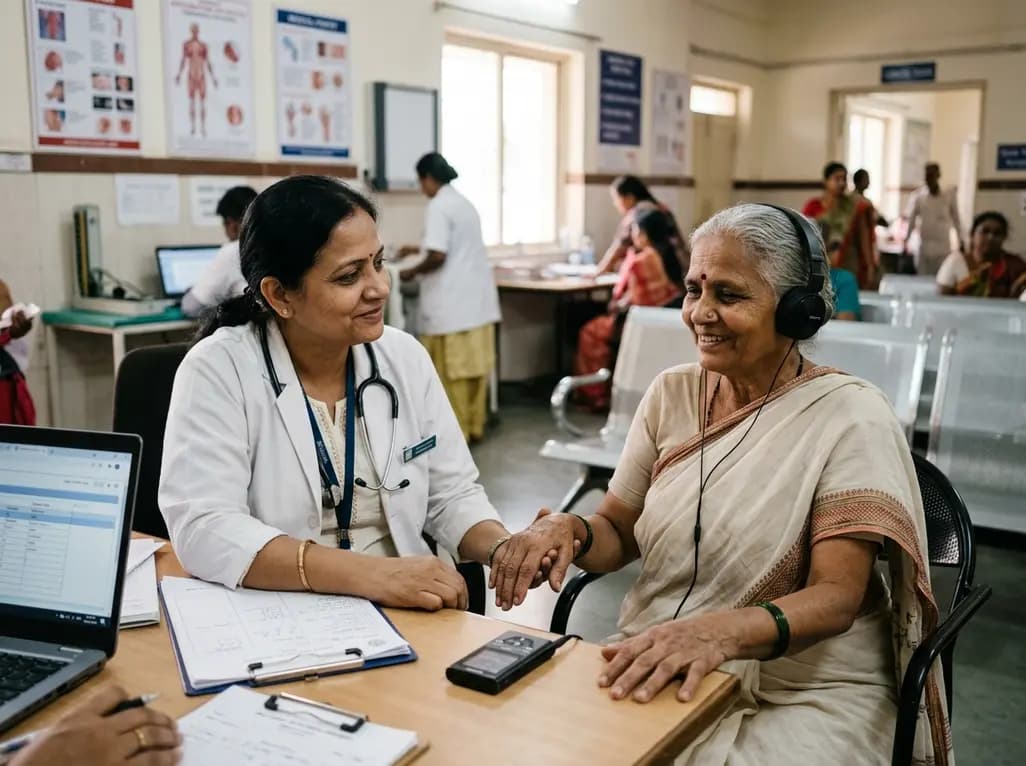
A randomized controlled trial demonstrates that a structured music listening intervention significantly enhances quality of life and reduces symptom burden in patients suffering from rheumatoid arthritis, offering a low-cost, non-invasive complementary modality for clinical care.
Today
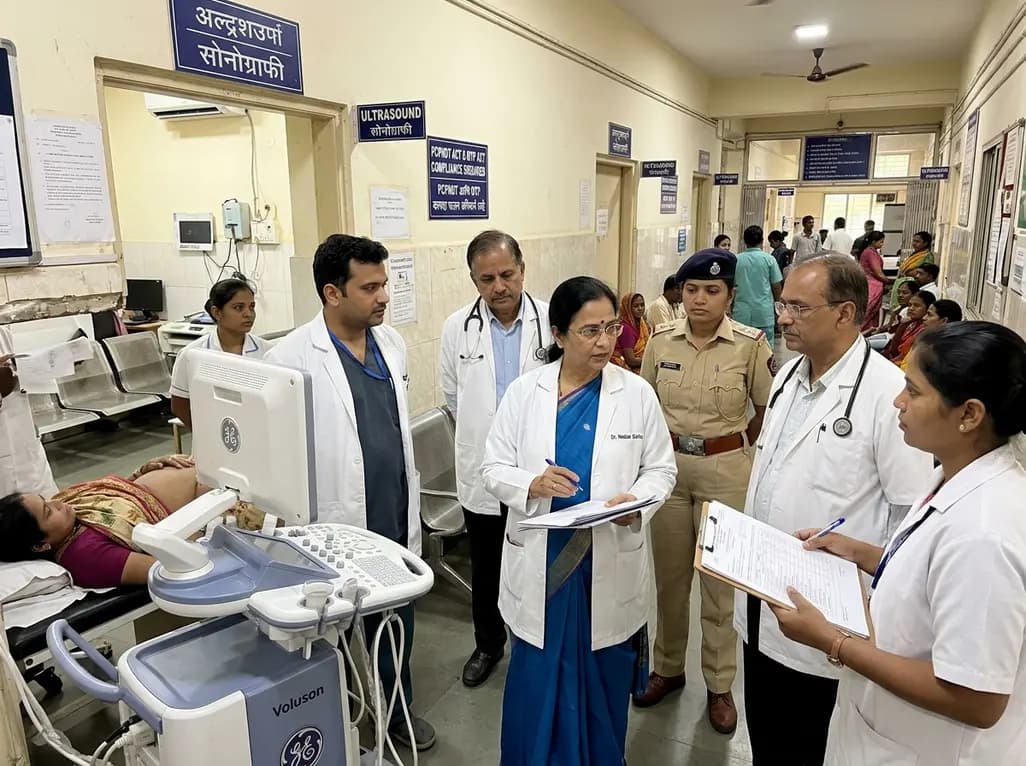
The Maharashtra public health department has established a specialized task force headed by Dr. Neelam Gorhe to eliminate illegal sex determination and unauthorized abortions. The team will execute surprise inspections of ultrasound facilities, audit medical documentation, and enforce strict statutory standards.
Today
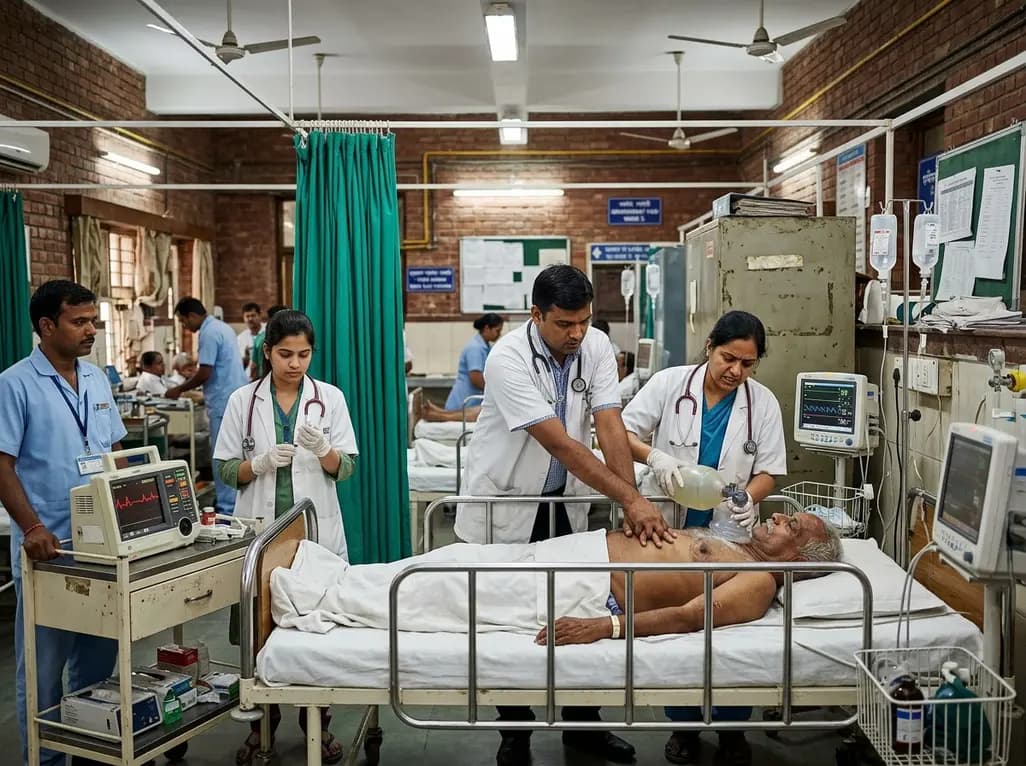
A nationwide secondary analysis shows that inpatient cardiac arrest and respiratory arrest multiply hospital mortality by 54-fold and 27-fold, respectively. These acute events also cause prolonged lengths of stay and escalating expenditures, underscoring the urgent need for rapid response and early warning systems.
Today
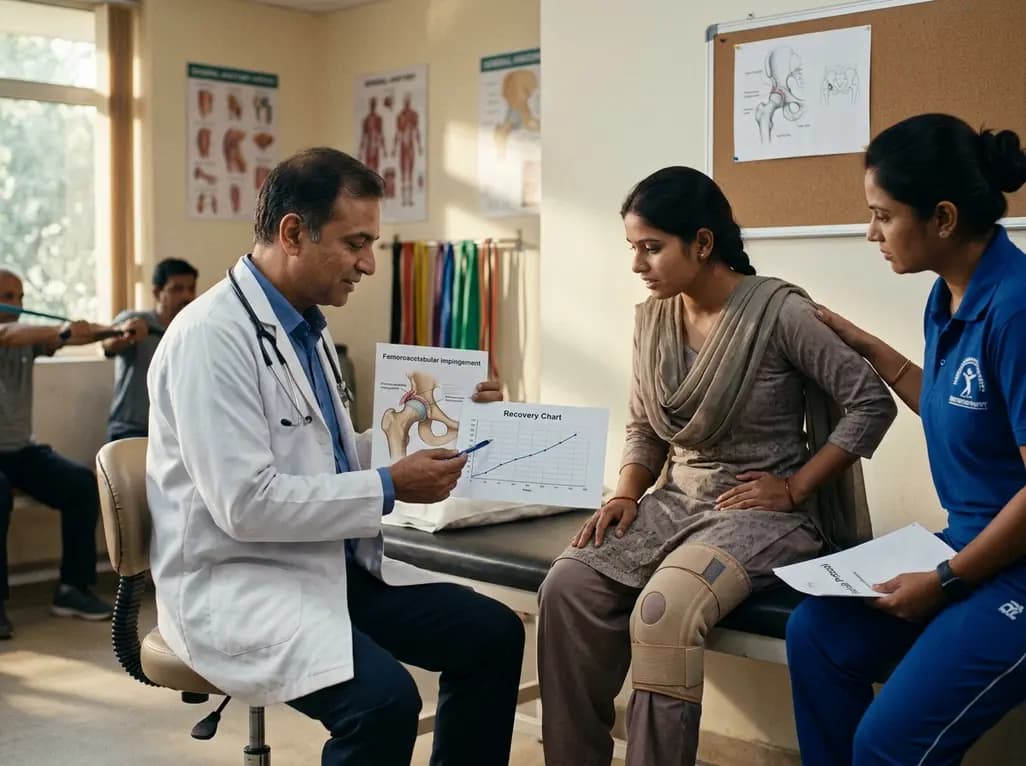
A propensity-matched study reveals that patients with severe generalized ligamentous laxity experience a slower recovery trajectory after hip arthroscopy for femoroacetabular impingement. While final two-year outcomes remain favorable, tailored rehabilitation and capsular management are critical.
Today
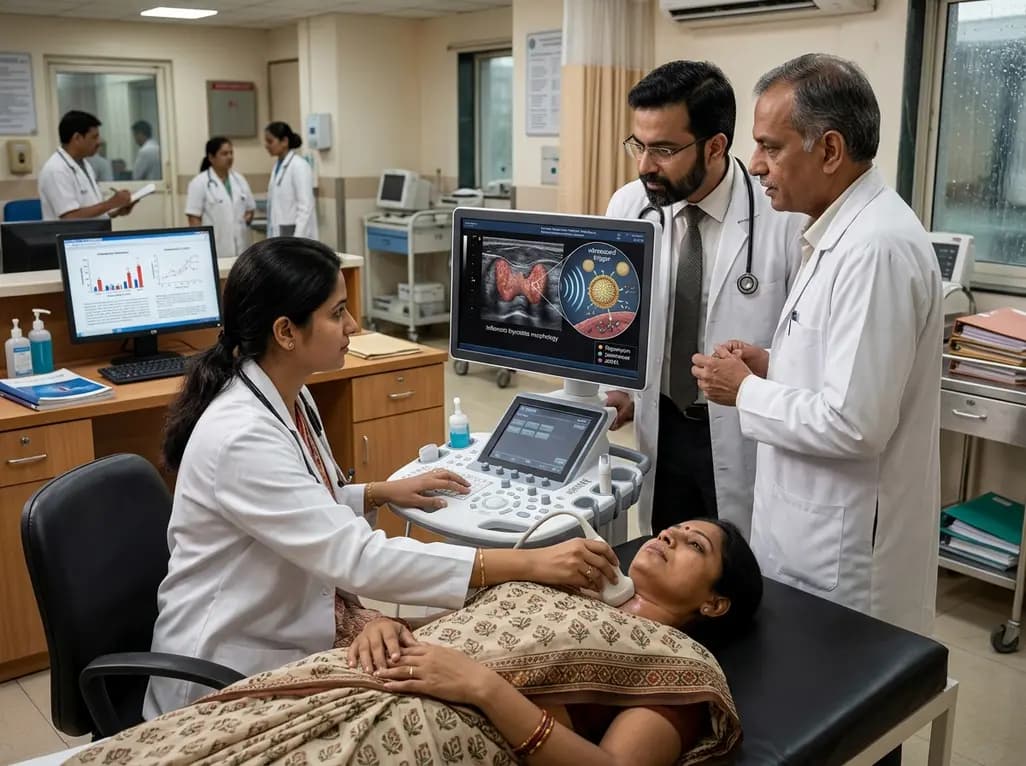
Researchers have developed an innovative ultrasound-responsive nano-contrast agent that co-delivers CIITA-siRNA and rapamycin directly to inflamed thyroid tissue, significantly reducing autoimmune injury and thyroid autoantibodies in preclinical models of Hashimoto thyroiditis.
Today
